
What are our Miami-Dade County Commissioners wasting their time on? District 3’s crisis and its priority: Changing street names.
Miami-Dade County’s District 3 faces critical structural problems that demand immediate attention. From the housing crisis to the collapse of basic infrastructure, residents live in a paradox: while their leaders promote street name changes, urgent needs pile up without answers.

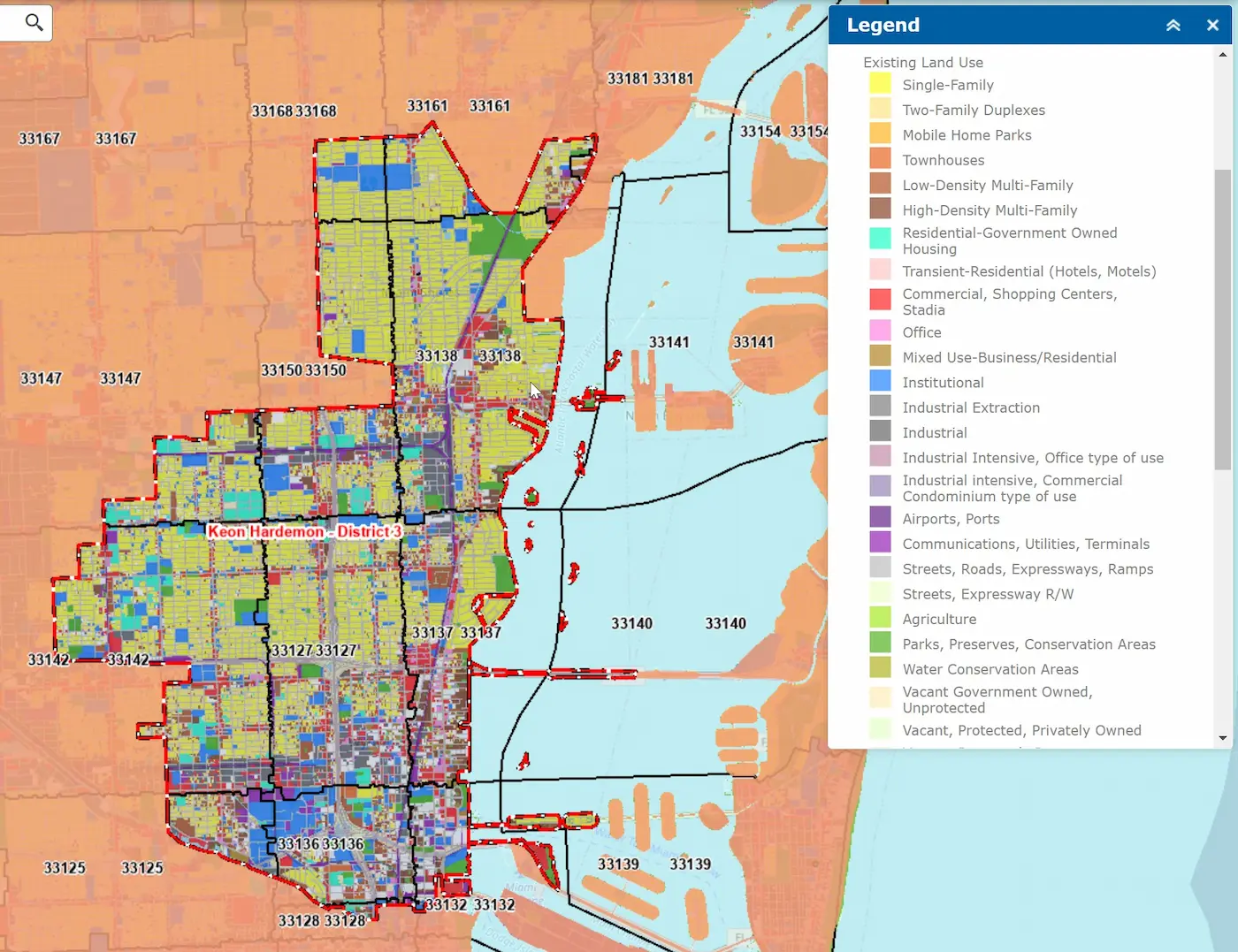
What is Miami-Dade District 3 and what communities does it include?
District 3 is one of the most diverse and culturally rich areas of the county, with historic communities that have faced decades of disinvestment, high crime rates and housing crises.
📍 Cities and communities comprising Miami-Dade District 3: Dates of origin and population.
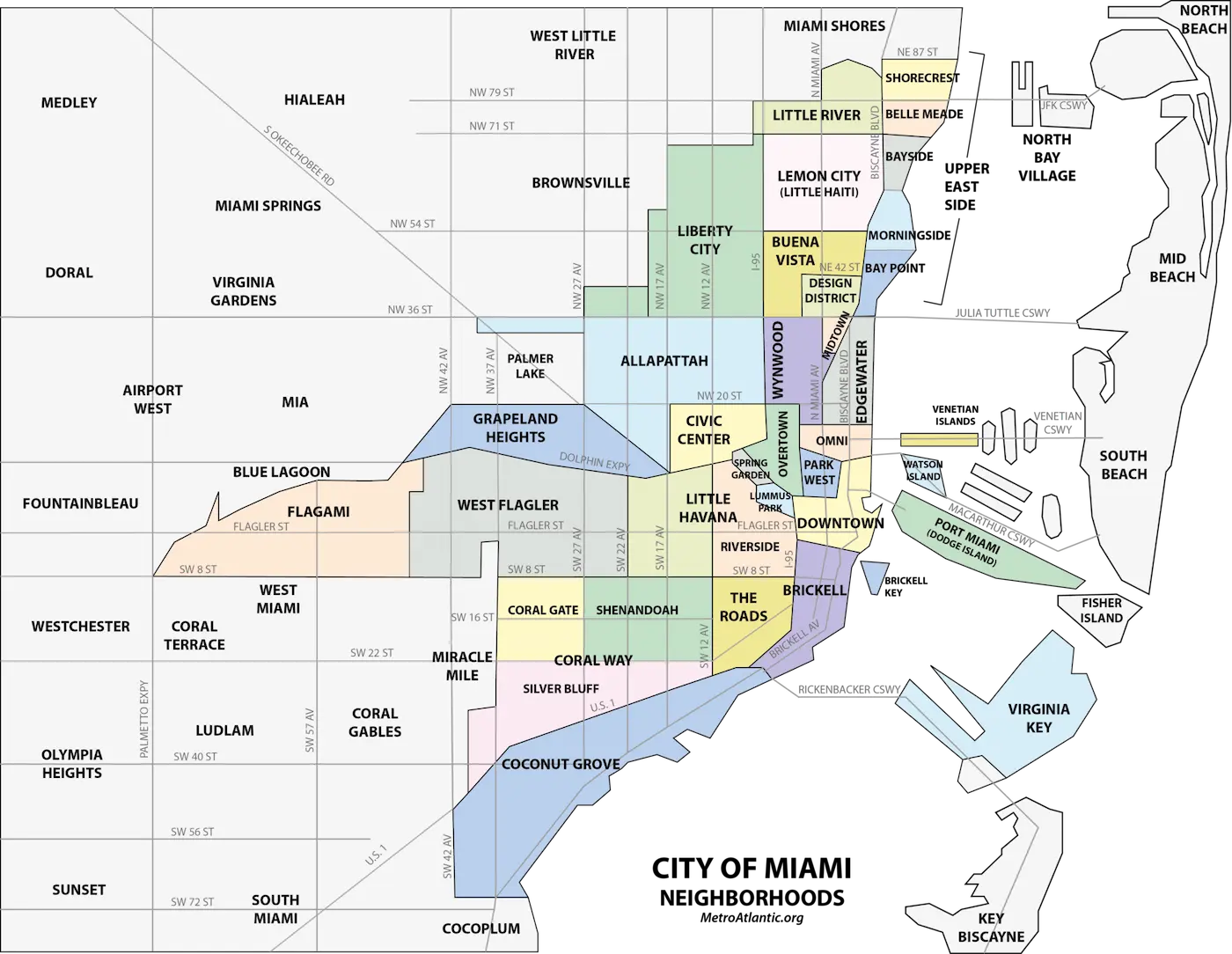
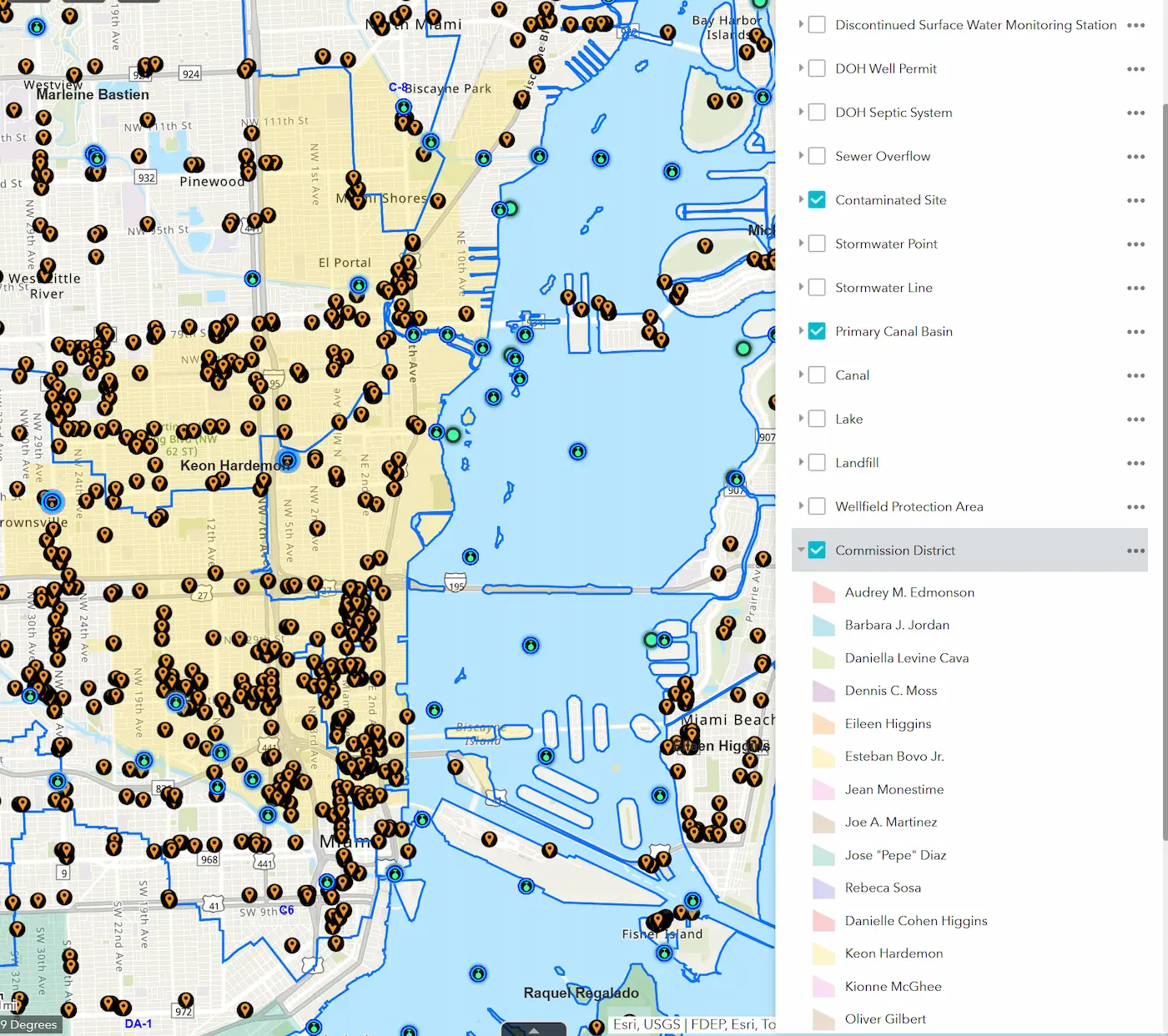
District 3 is comprised of Miami, El Portal and Miami Shores as incorporated municipalities. Within Miami, most of the above areas are unincorporated neighborhoods or communities, so their boundaries and demographics are usually encompassed in the city census. Here the available information, based on historical records and the U.S. Census (2020/estimates 2023):
Miami – Neighborhoods or unincorporated communities within Miami
Liberty City
- Foundation: Emerged in the 1930s as a public housing project for African Americans during segregation.
- Population: ~25,000 (2023).
- Note: Historical epicenter of civil movements; 98% of its residents are African-American.
Little Haiti- Historically known as Lemon City, Little River and Edison.
- Foundation: It was consolidated in the 1980s with the massive Haitian migration after the Duvalier regime.
- Population: ~34,000 (2023).
- Note: 68% of the population is of Haitian origin; their census does not include thousands of undocumented immigrants.
Upper East Side – Alternatively called East Side and commonly known as Northeast Miami.
- Foundation: Residential development started in the 1920s as part of Miami’s northern expansion.
- Population: ~45,000 (2023).
- Note: Includes areas such as Magnolia Park, Bay Point, Morningside, Bayside, Belle Meade, Shorecrest, and Palm Grove.
Allapattah
- Foundation: Incorporated in 1924 as an independent town, absorbed by Miami in 1925.
- Population: ~60,000 (2023).
- Note: 85% of its residents are Hispanic (mainly Cubans and Central Americans).
Wynwood
- Foundation: Industrial area created in the 1910s; transformed into an artistic district since 2009. It is a more artistic and commercial area, known for its art galleries, murals, bars, restaurants and stores.
- Population: ~13,000 (2023).
- Note: Only 15% of its original residents remain due to gentrification.
Parts of Downtown– Parts of Downtown Miami within District 3:
- Overtown – Historic area northwest of Downtown, with strong African-American heritage and undergoing revitalization.
- Buena Vista (on the northern edge of Downtown, near Wynwood).
- Edgewater – Located east of Downtown, facing Biscayne Bay.
Overtown
- Founded: Founded in 1896 as “Colored Town” during Henry Flagler’s railroad expansion.
- Population: ~10,000 (2023).
- Note: It was a thriving African-American cultural center before being fractured by highway construction in the 1960s.
Buena Vista
- Foundation: Developed in the 1920s as a suburb for middle class workers.
- Population: ~12,000 (2023).
- Note: It houses the Miami Design District, which has displaced historic residents.
Edgewater
- Foundation: It emerged in the 1910’s as a coastal residential area. It is a residential area with tall skyscrapers, luxury apartments and views of the bay.
- Population: ~18,000 (2023).
- Note: Experienced accelerated gentrification since 2010; median home price exceeds $600,000.
El Portal
- Incorporation: 1937.
- Population: ~2,300 inhabitants (estimate 2023).
- Characteristics:
- One of the smallest municipalities in Florida, with only 0.5 km².
- 65% of the population is African American; median income: $45,000.
- Challenges: Aging infrastructure and lack of commercial investment.
Miami Shores
- Incorporation: 1932.
- Population: ~11,500 inhabitants (estimate 2023).
- Characteristics:
- Upper-middle class residential area, known for its historic architecture.
- 70% of residents are non-Hispanic white; median income: $110,000.
- Controversy: Pressure from densification projects that affect its suburban character.
Summary Table: Miami-Dade District 3 Communities
| Community | Neighborhoods | Type | Foundation/Incorporation | Population (2023) | Key Notes |
|---|---|---|---|---|---|
| Miami | Liberty City, Little Haiti, Upper East Side, Allapattah, Wynwood, Buena Vista, and Edgewater | Incorporated municipality | July 28, 1896 | City of Miami (Incorporated): Home rule. Independent municipal services. Miami-Dade County: Governs unincorporated areas. | |
| Liberty City | Unincorporated neighborhood | 1930s | ~25,000 | Segregated housing project; 98% African American. Epicenter of civil movements. | |
| Little Haiti | Unincorporated neighborhood | 1980s | ~34,000 | Formerly called Lemon City. 68% Haitian; high undocumented population not counted. | |
| Upper East Side | Unincorporated neighborhood | 1920s | ~45,000 | Includes Morningside, Belle Meade and Shorecrest. 40% Hispanic households. | |
| Allapattah | Unincorporated neighborhood | 1924 (absorbed by Miami) | ~60,000 | 85% Hispanic (Cuban and Central American). Low-income area. | |
| Wynwood | Unincorporated neighborhood | 1910’s* Decade | ~13,000 | Transformed into an artistic district (2009). Only 15% of original residents. | |
| Overtown | Unincorporated neighborhood | 1896 | ~10,000 | Former “Colored Town”. Fractured by freeways in the 1960s; undergoing revitalization. | |
| Buena Vista | Unincorporated neighborhood | 1920s | ~12,000 | Home to the Miami Design District. Gentrification displaces historic residents. | |
| Edgewater | Unincorporated neighborhood | 1910s | ~18,000 | High-rise and luxury apartments. Average price: $600,000+. | |
| El Portal | Incorporated municipality | 1937 | ~2,300 | 65% African-American. Aging infrastructure; 0.5 km² in area. | |
| Miami Shores | Incorporated municipality | 1932 | ~11,500 | 70% non-Hispanic white. Densification pressure; median income: $110,000. |
Clarifications and Sources
- Gentrification: In Wynwood, Edgewater and Buena Vista, urban transformation has displaced low-income residents.
- Neighborhoods vs. Municipalities: Only Miami, El Portal and Miami Shores are home rule governments. The rest are unincorporated areas under county jurisdiction.
- Population estimates: Based on 2020 Census and American Community Survey (ACS) 2023 projections.
- Boundary dispute: Parts of Allapattah and Miami Shores are in dispute over annexations proposed by the City of Miami.
🔍 Sources: U.S. Census | Florida Demographic Data Center | Miami-Dade County Historical Archives.
This table evidences the diversity and contrasts of District 3, where prioritizing structural solutions-not name changes-is urgent. 🚧🏙️ While District 3 invests in renaming streets, its historic communities face demographic and economic challenges that require more attention than symbolic changes.
The most critical problems in District 3
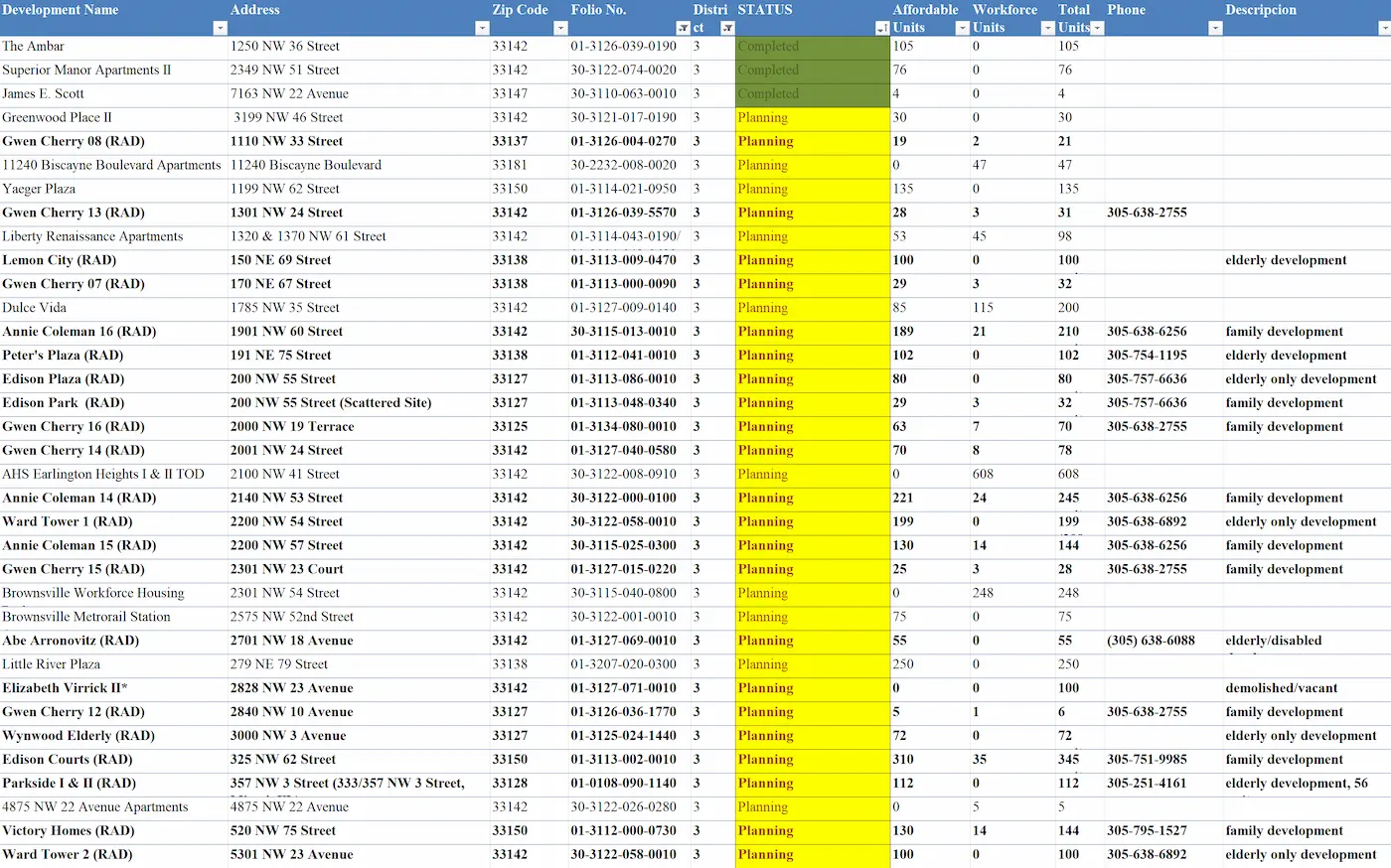
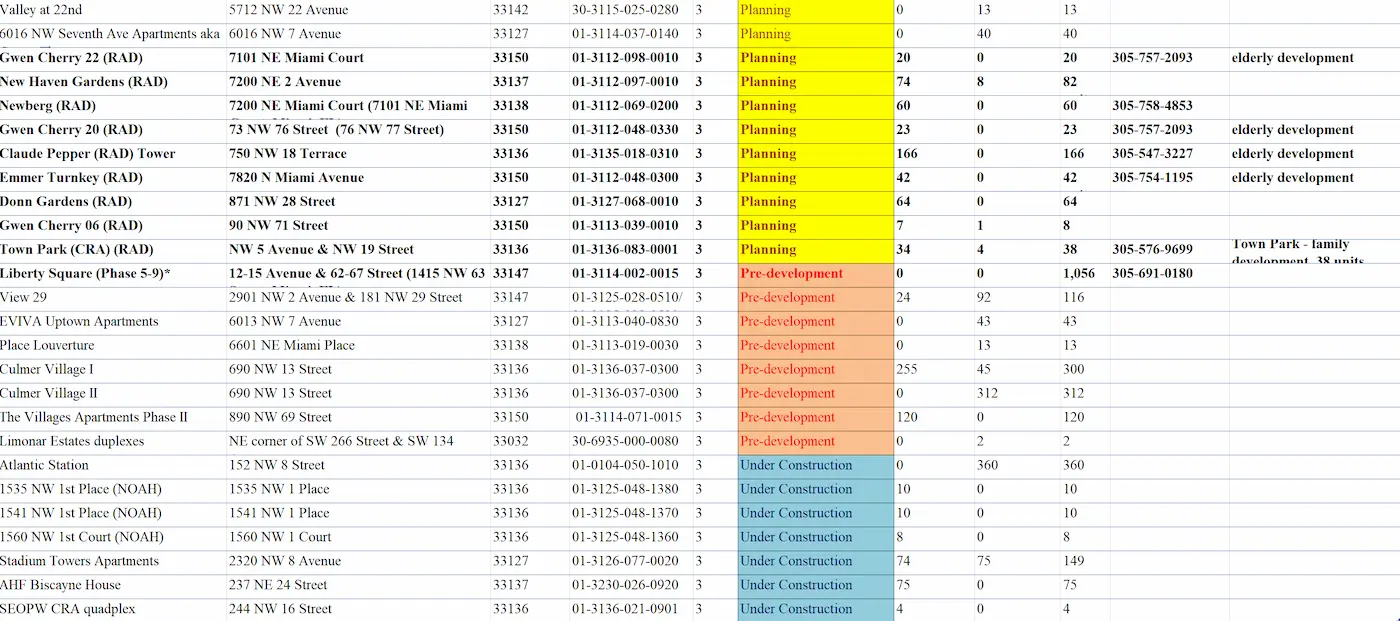
Affordable housing crisis 🏠
- Lack of affordable housing, displacing many families.
- Increase in evictions and lack of effective rental assistance programs.
Housing emergency 🏘
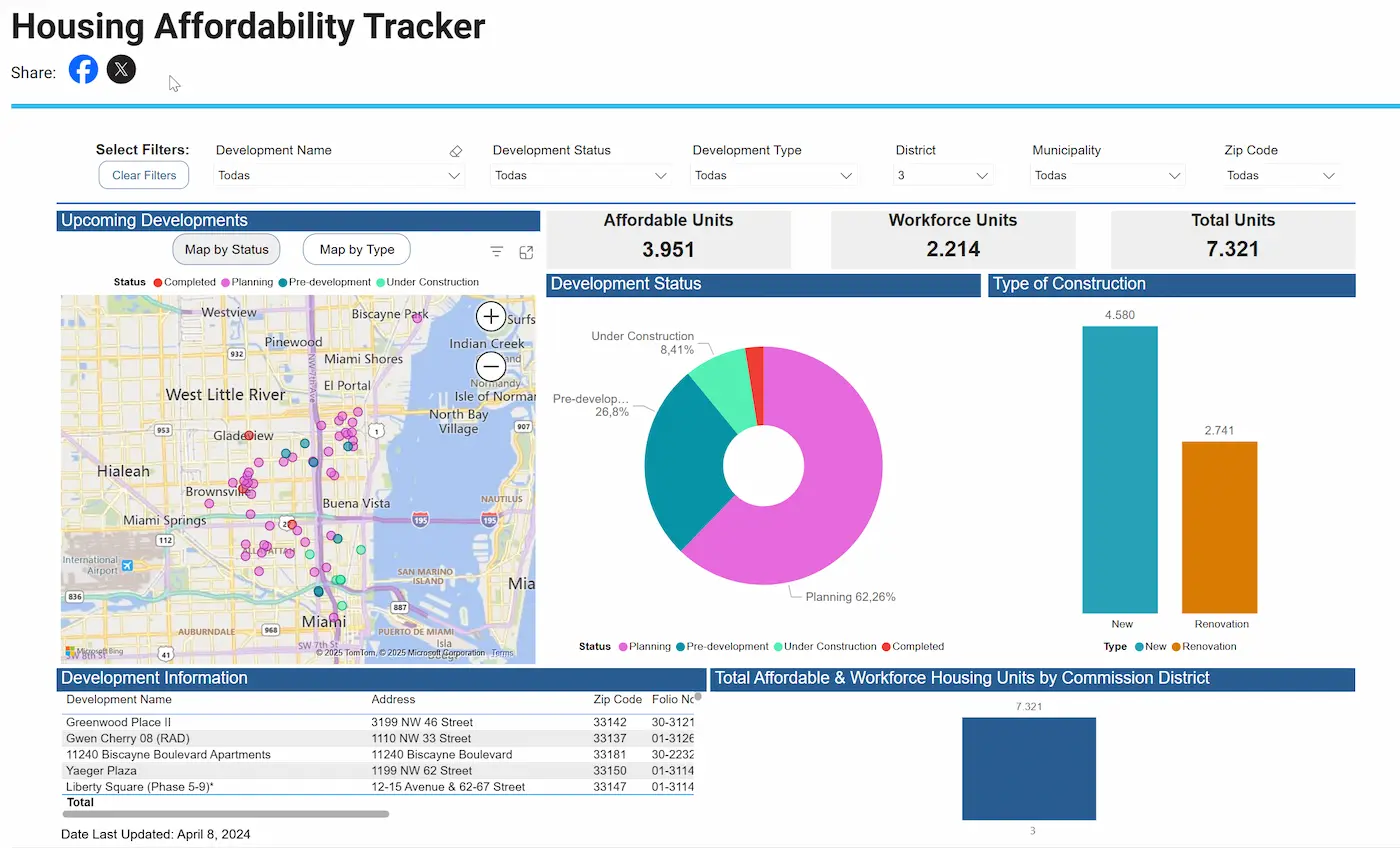
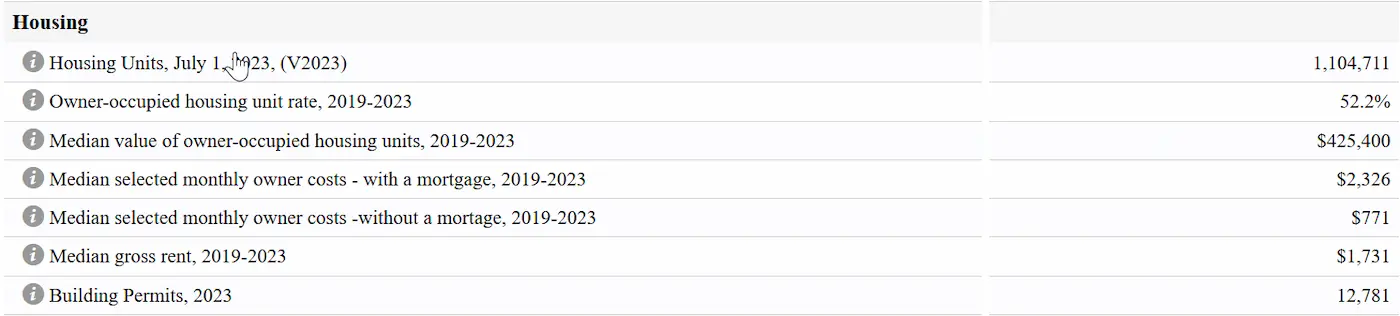
- 1 in 3 families spend more than 50% of their income on rent.
- 4,200 units of affordable housing are needed, but funding is insufficient.
Deteriorated infrastructure 🚧
- Schools with obsolete electrical systems and bridges classified as “deficient”.
- Roads in poor condition, lack of street lighting and poor drainage.
Transportation Infrastructure
- Main roads:
- NW 7th Avenue and NW 27th Avenue: Vital axes with high traffic, but recurring potholes and lack of maintenance.
- Biscayne Boulevard (Edgewater): Modern corridor with bike lanes, but congested by luxury condominium development.
- Public transportation:
- Metrobus: Routes such as 2 (Little Haiti) and 12 (Allapattah) connect the district, but with limited frequencies.
- Metrorail: Santa Clara station (in Allapattah) is the only station within the district; plans to extend the North Corridor line (project stalled due to lack of funds).
- Critical issues:
- 40% of secondary streets have deep cracks (2023 audit).
- Lack of lighted sidewalks in Liberty City and Little Haiti, which increases the risk of accidents.
Water and Sanitation Infrastructure
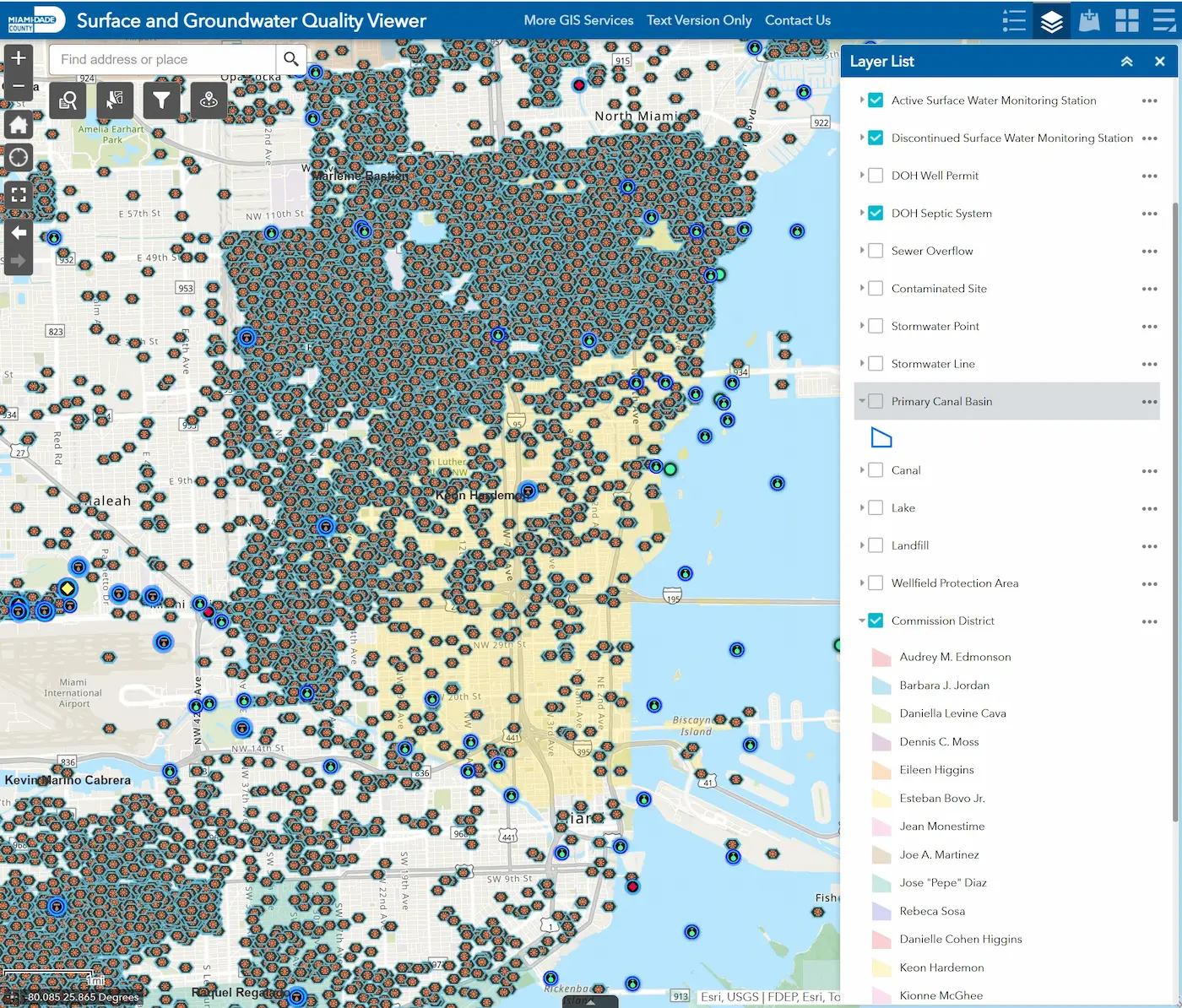
- Obsolete septic tanks:
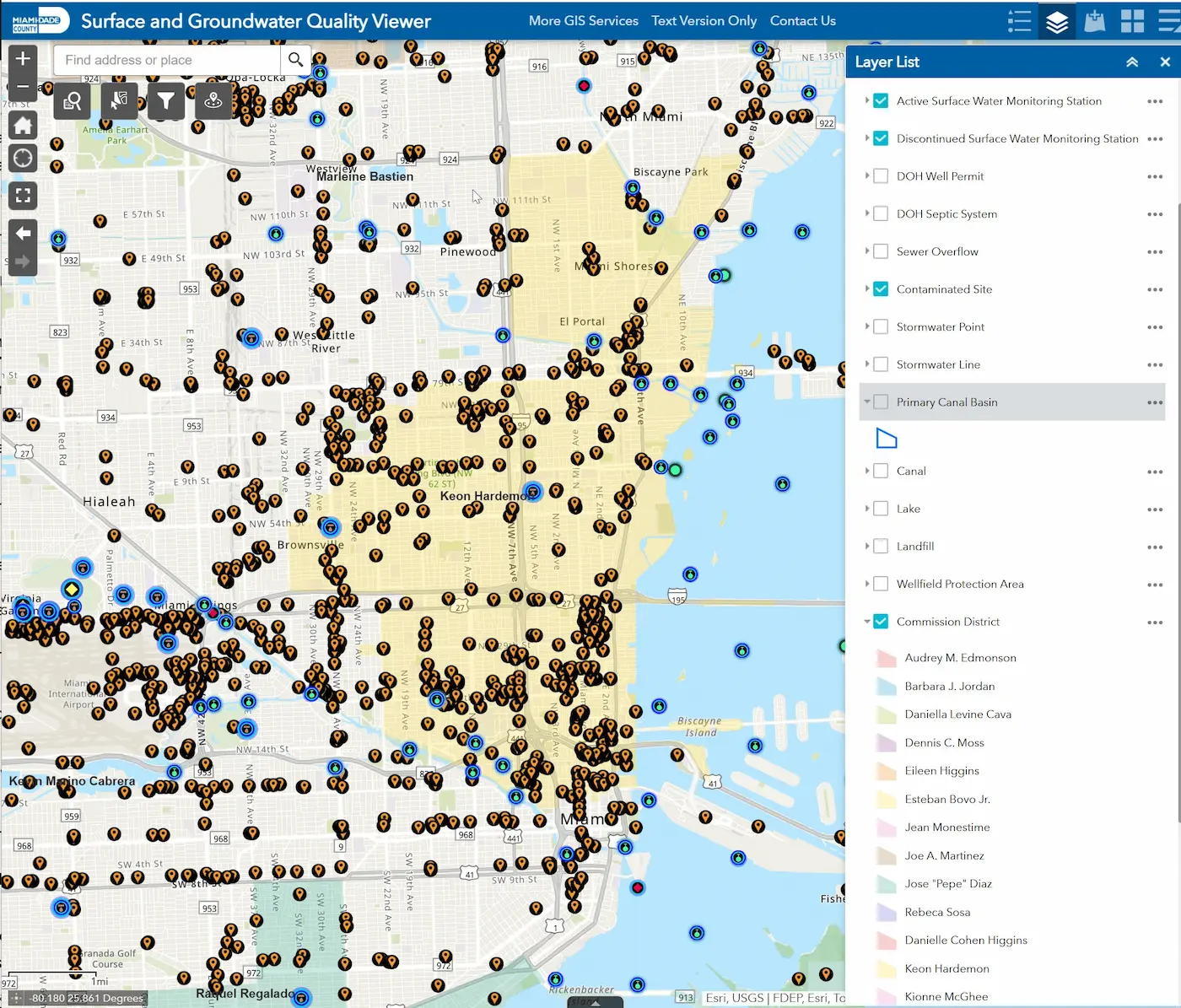
- 12,000 homes in Liberty City and Little Haiti rely on failing septic systems, contaminating aquifers.
- **150 million is needed to replace the sewer; andthere is only 5 million allocated (2024).
- Recurrent flooding:
- Low-lying areas such as Overtown experience flooding with moderate rainfall due to clogged drains.
Educational and Health Infrastructure
- Public schools:
- Miami Northwestern Senior High (Liberty City): Leaky buildings and obsolete electrical systems.
- Schools in Allapattah: Overcrowded, with ratios of 30 students per classroom.
- Health:
- Only 1 public health center in Little Haiti to serve 34,000 residents.
- Nearby hospitals (Jackson Memorial) are overcrowded.
Housing and Urban Development
- Affordability crisis:
- 1 in 3 families spend more than 50% of their income on rent.
- Projects such as Liberty Square (redeveloped in 2023) offer only 700 units, insufficient for the demand.
- Gentrification:
- In Wynwood and Edgewater, luxury towers ($800,000+ per apartment) displace historic residents.
Community Infrastructure
- Parks and recreation:
- Charles Hadley Park (Liberty City): Only large park, but with broken equipment and lack of maintenance.
- Gibson Park (Overtown): Small and with degraded green areas.
- Community centers:
- Little Haiti Cultural Complex: Offers programs, but with limited capacity.
Economic Infrastructure
- Commercial brokers:
- NW 54th Street (Little Haiti): Small Haitian businesses, but lacking investment.
- Miami Design District (Buena Vista): A luxurious area that contrasts with the surrounding poverty.
- Industrial zones:
- Allapattah houses warehouses and workshops, but without strict environmental regulation.
Environmental Infrastructure
- Contamination:
- Contaminated by industrial chemicals and wastewater.
- Air quality: High in areas near the I-95 freeway.
- Climate resilience:
- Projects such as the Stormwater Master Plan are moving forward slowly due to lack of funding.
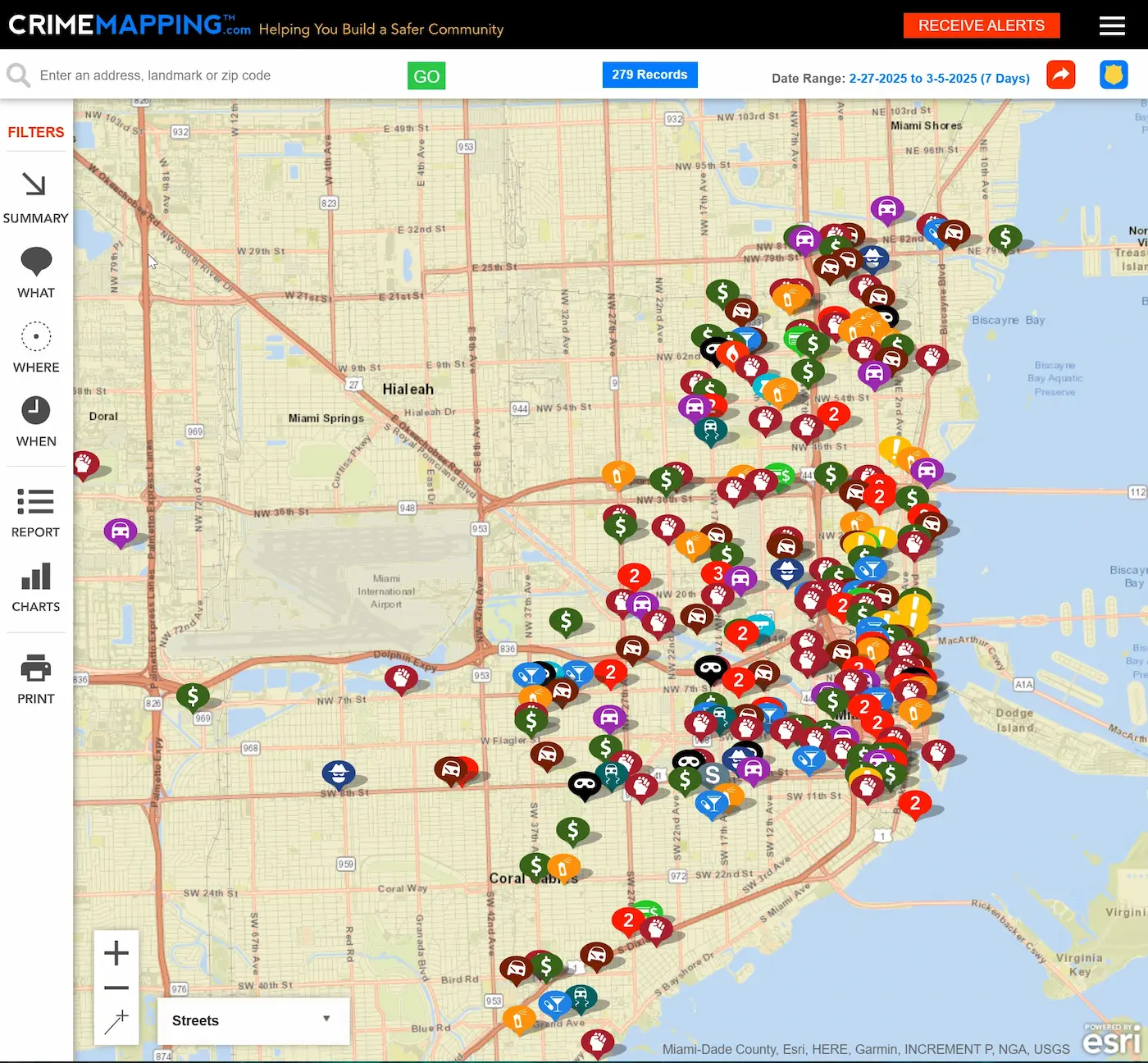
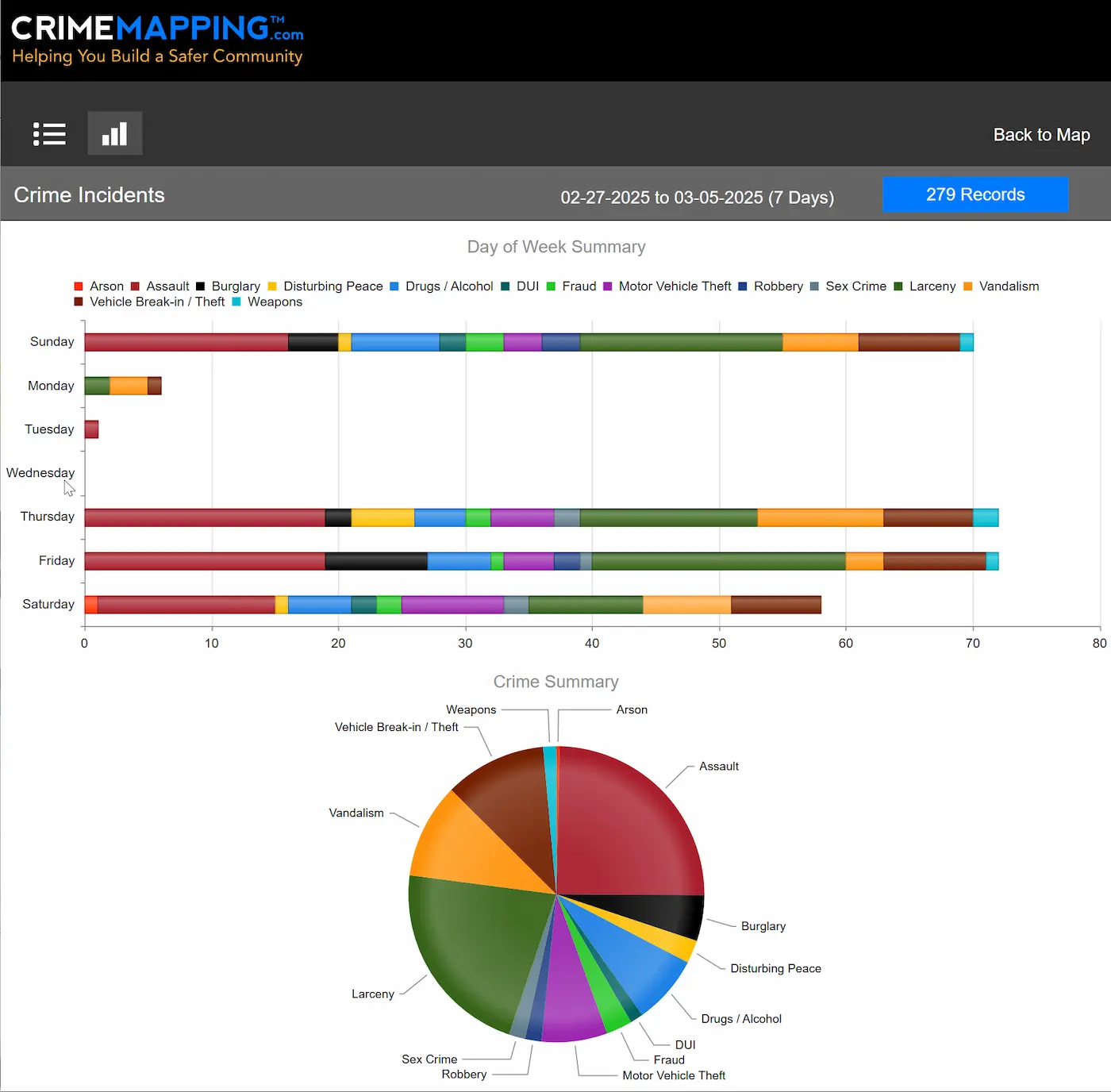
Increasing crime and violence 🔫
- Areas such as Liberty City and Overtown have some of the highest crime rates in the county.
- Lack of investment in community crime prevention programs.
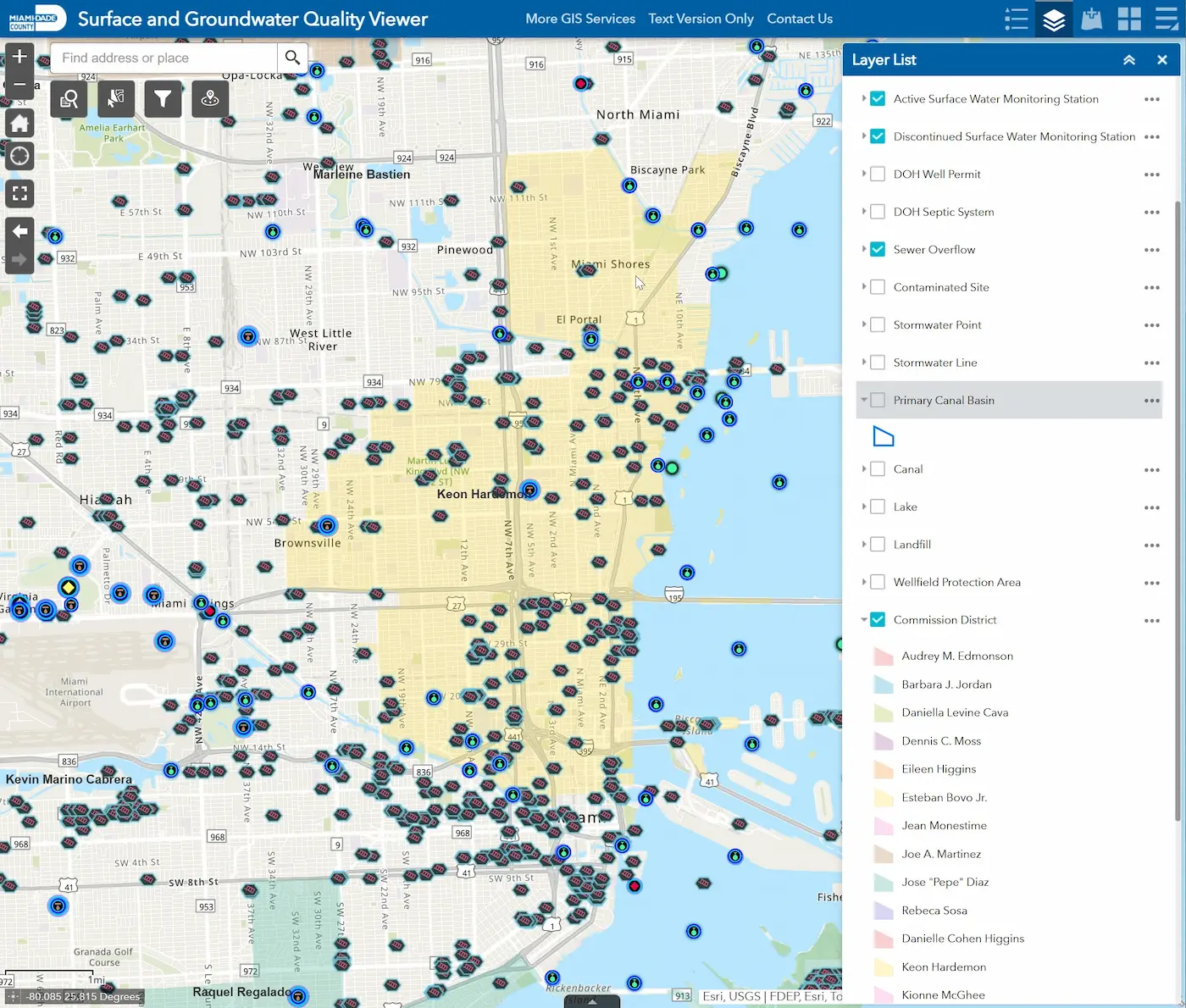
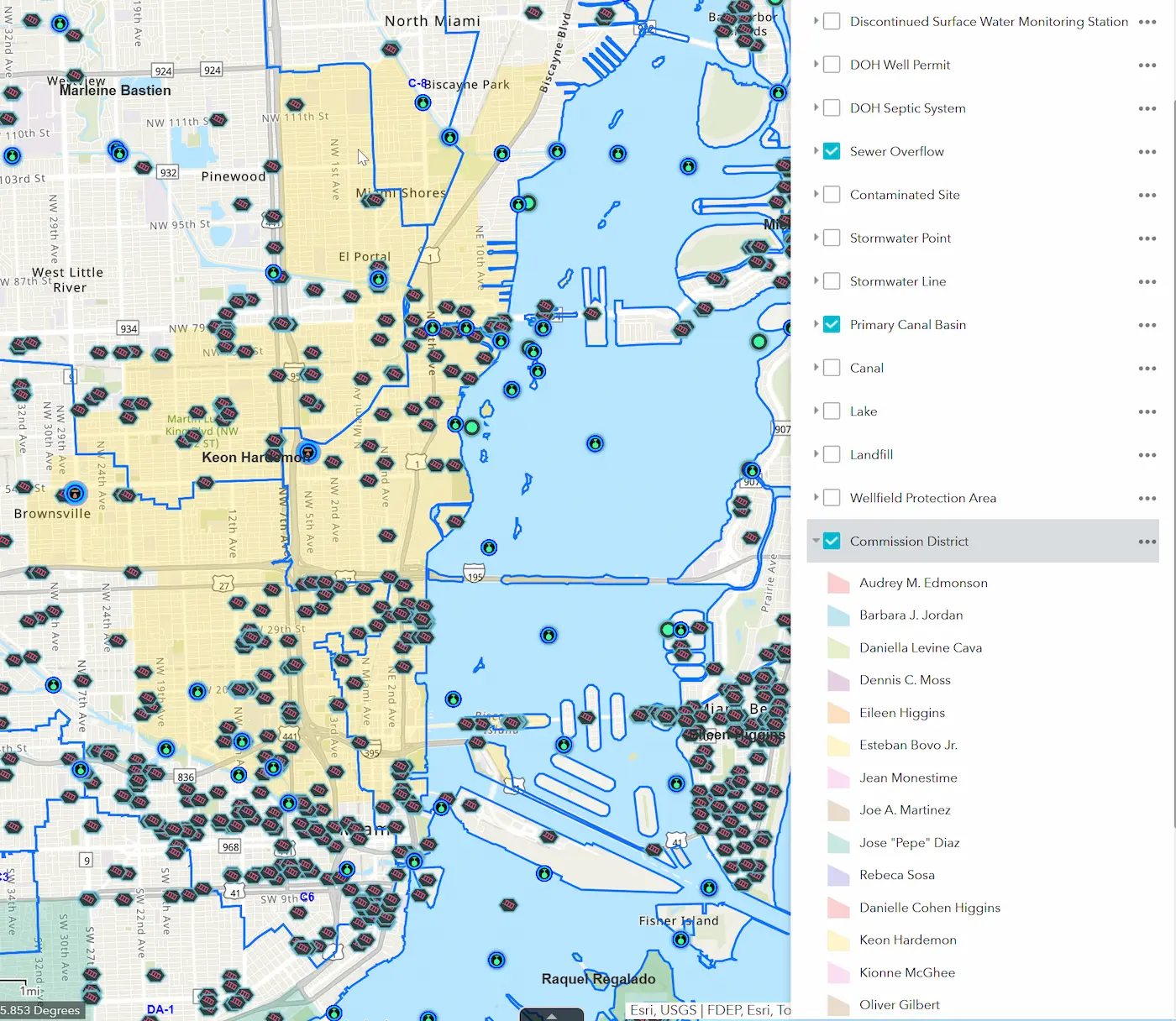
Septic tank crisis 💧
- 12,000 homes rely on failing septic systems.
- 45% of these systems have recurrent failures, contaminating groundwater.
- It takes $150 million to replace them with sewer, but only $5 million has been allocated in the 2025 budget.
In the meantime… what is Commissioner Keon Hardemon doing?
Instead of addressing these pressing issues, Hardemon has focused his time and effort on renaming streets in District 3. At recent Board of County Commissioners meetings, he promoted two resolutions to co-designate streets with low priority names.
🔹 F irst resolution: change street names in honor of local figures:
- “Rudman Way”
- “Mirta Sandra Fuentes Way”
- “Nat Moore Way.”
- “Luther Campbell Way.”
🔹 Second resolution: change street names to popular song titles and phrases, such as:
- “What’s My Name Street”
- “Act Up Street”
- “We The Best Terrace”
- “Trick Love The Kids Street”
- “No Pain, No Gain Street.”
Total cost of name change: $560,000, which equals:
- Repair 112 septic tanks.
- Patch 1,200 critical potholes.
- Fund full scholarships for 50 students in technical programs.
Despite the controversy, Hardemon succeeded in suspending rules 9.02(a) and 9.02(g), eliminating public hearings and impact analyses. This prevented residents from having a say in district spending and priorities.
Analysis of the Discussion among the Commissioners
During the session of the Board of Commissioners, various points of view were presented:
Keon Hardemon ‘s arguments in favor of the measure.
- Community revitalization: Hardemon argued that the measure seeks to attract tourism and transform the area.
- Lack of investment: He said that the community has been ignored and that this change may generate interest.
- Tourist attraction: He believes that eye-catching street names can attract visitors and create identity.
📌 Hardemon’s sample statement:
“We want people to have a reason to visit this community and see its transformation.”
Objections from other commissioners
- Lack of community consultation: Residents and affected businesses were not consulted.
- Impact on property and businesses: Names such as “Poor Little Rich Girl Street” can affect the image of the community.
- Dangerous precedent: Opening the door to this type of changes without clear regulations could distort future designations.
📌 Example objection:
“How do we explain to someone how to get home when they have to say ‘Turn right on Poor Little Rich Girl Street and then left on Big Money Baller Street’?”
To soften the impact, it was proposed to create a “special zone” so that this type of change would not alter the general street naming rules in the county. However, the controversy over the lack of priorities continues.
The irony of names
New street titles, such as “Peace In Da Hood Street,” stand in stark contrast to reality:
- Shootings increased 22% in 2024 in District 3.
The message is clear: residents don’t need streets named after songs, they need concrete actions to ensure clean water, walkable streets and safe housing. While Hardemon celebrates “My House Street,” thousands of families do not have a decent home.
Leadership or distraction
Re-baptizing streets may be an add-on in times of stability, but not a priority in the midst of emergencies. District 3 deserves leaders who invest in tangible solutions, not empty gestures.
💬”If the streets could talk, they would shout ‘Help!’ instead of repeating rap phrases.”
In the meantime, the real problems are still waiting.
Stay informed with the latest news!
Would you like to receive more information like this right on your screen?
Visit our home page and find out what’s happening in South Florida: local news, events, and much more.
👉 Click here! newsmiamidade.com
Don’t miss a single detail. #MiamiDade #News #Florida