
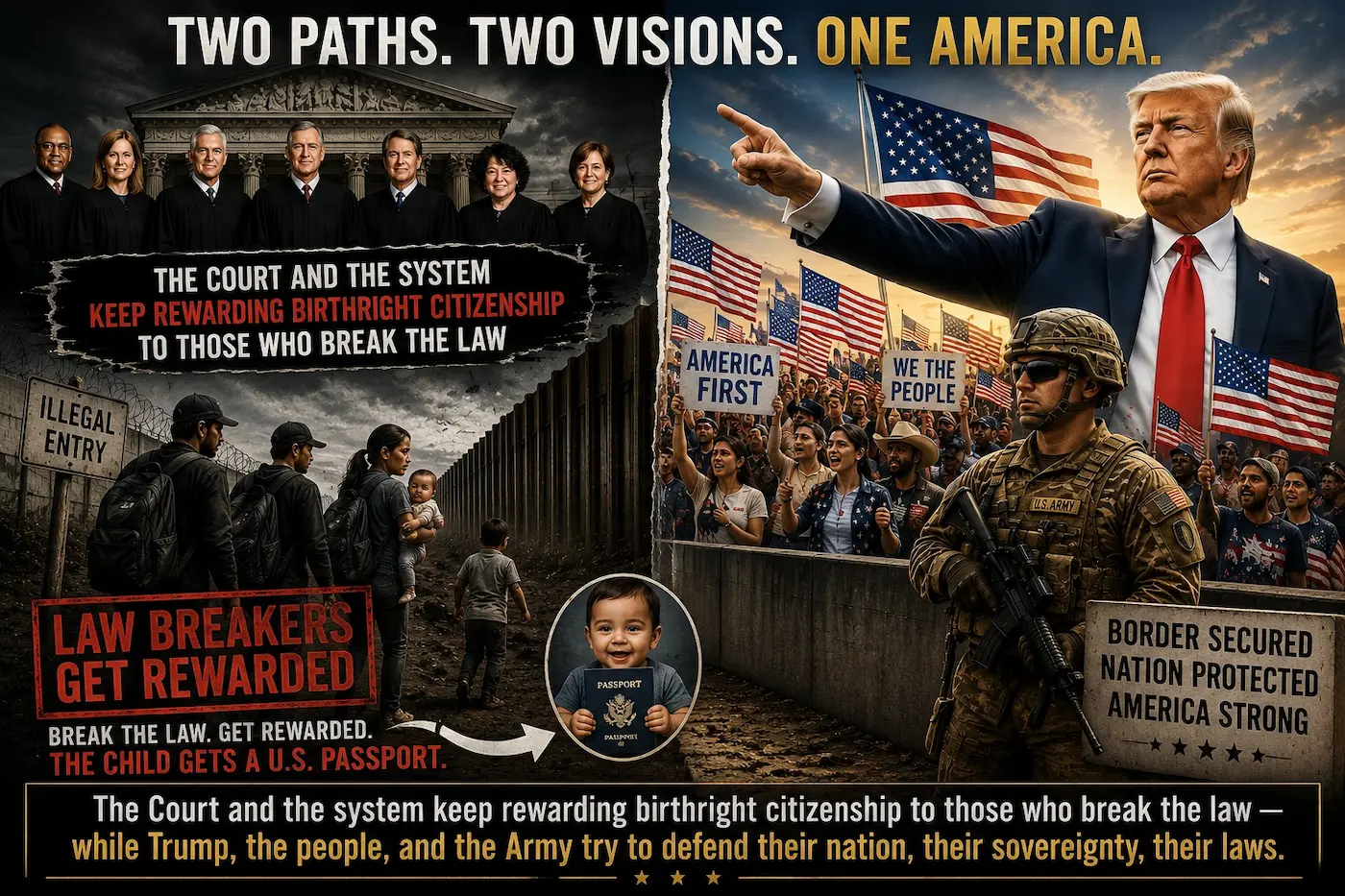
Who protects the United States? The Supreme Court or Trump? From the very moment the law is broken—why is that act rewarded with citizenship?
The Court Shut Down Trump’s Loophole: Birthright Citizenship Returns to Congress
On June 30, 2026, six justices blocked Trump’s executive order and upheld citizenship by birth under the 14th Amendment. But the ruling did not resolve the underlying issue—it merely determined who should address it. Editorial analysis by News Miami Dade.
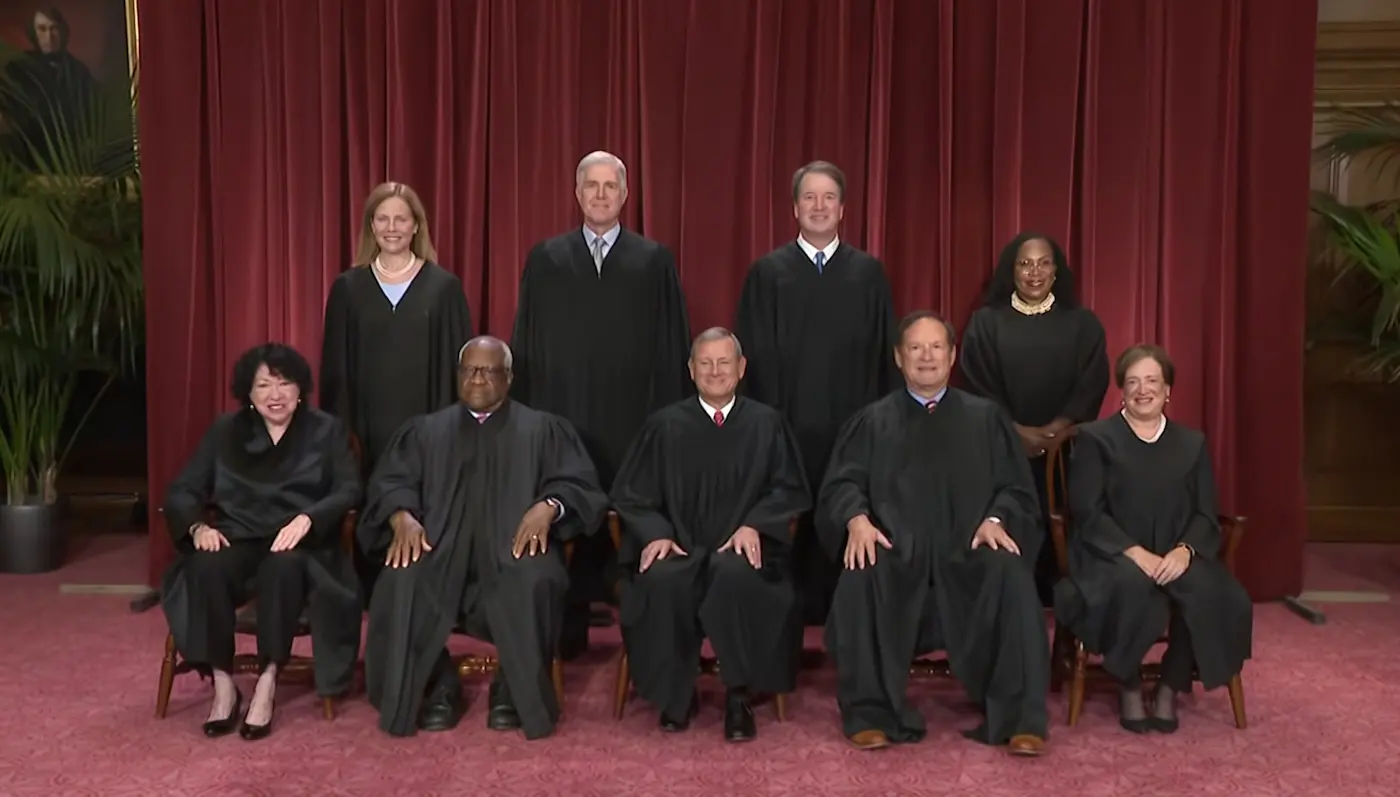
The Supreme Court did not establish a new immigration policy on June 30, 2026: it upheld the existing one. By a vote of six to three, in Trump v. Barbara (No. 25-365), it confirmed that children born on U.S. soil to parents who are present illegally or temporarily are citizens by birth under the 14th Amendment, and it blocked Executive Order 14160, which Trump signed on the first day of his second term.
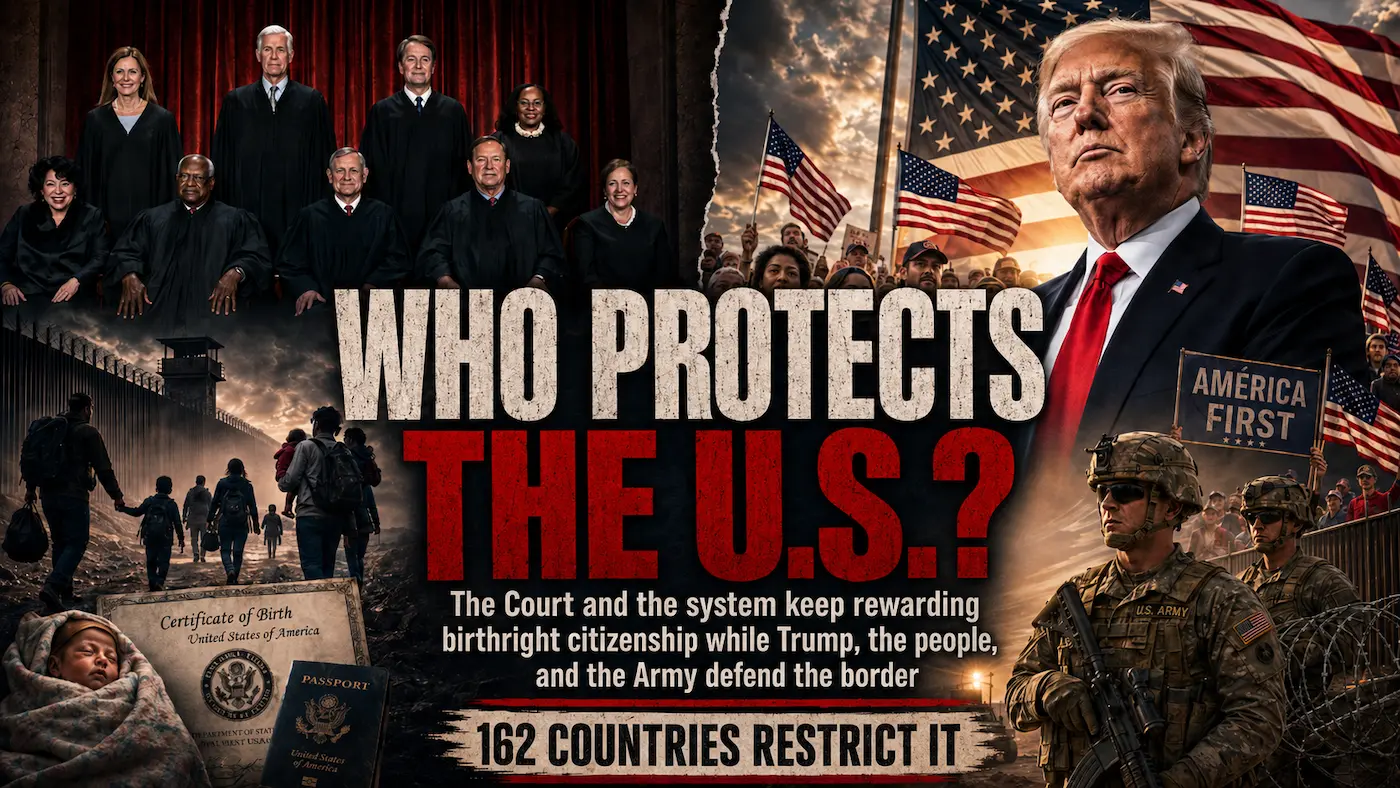
The practical effect, for those who advocate stricter border control, is clear: the system continues to grant automatic citizenship to children born in the U.S. to parents who entered or remain in the country without legal status. For those critics, this outcome serves as a structural incentive to cross the border. For the majority of the Court, this is not an incentive it has created: it stems from the text of the 14th Amendment and a 128-year-old precedent, United States v. Wong Kim Ark (1898). That is the tension that defines the ruling—and which this analysis addresses for what it is: an editorial position in an active democratic debate, not an established truth.
Because the question the Court addressed was narrow—can an executive order redefine citizenship by birth?—and the answer was no. The question it did not answer is the one the country has been avoiding for decades: whether a constitutional guarantee written in 1868 remains the appropriate instrument for the world of 2026. That is not a judicial question. It is a question for Congress. And today’s ruling, by closing the loophole created by the executive order, returns it exactly there.
Key findings:
1. The Court ruled 6-3: five justices determined that Executive Order 14160 violates the 14th Amendment; Kavanaugh concurred as the sixth vote because it violates federal law; Thomas, Alito, and Gorsuch dissented—they rejected the majority’s interpretation and would have allowed a more restrictive interpretation of birthright citizenship.
2. Of the 195 countries in the world, only about 33 maintain unrestricted jus soli —automatic citizenship without parental conditions—according to the Law Library of Congress (2018). All but six of those ~33 countries are in the Americas. The U.S. remains part of that global minority—today’s ruling confirms this.
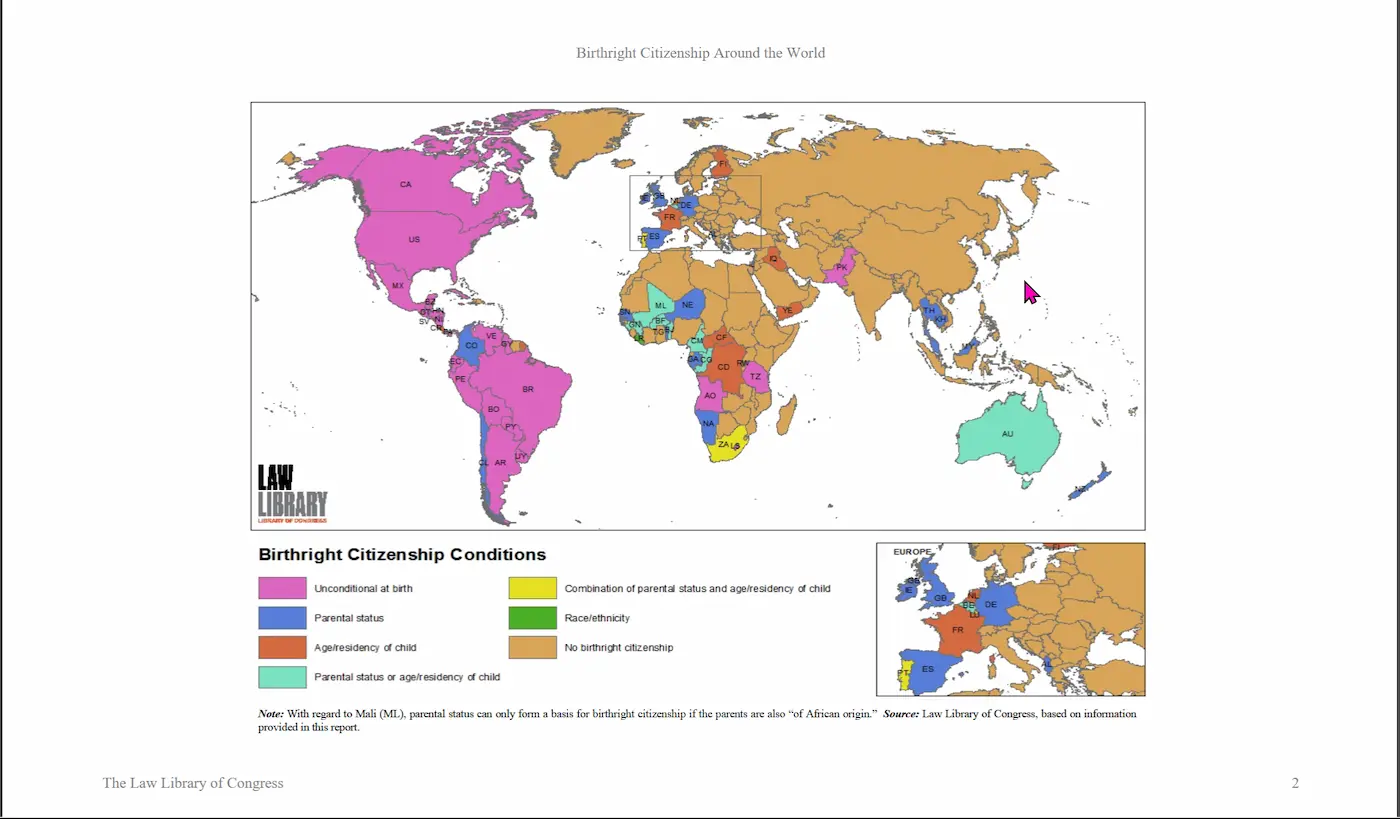
3. The United Kingdom restricted automatic citizenship in 1981, Australia in 1986, Ireland in 2004 via a referendum with 79% of the vote, and India in 2004. All of them did so through legislative or constitutional means—not by executive decree. The U.S. tried to do so by executive order. The Court said no.
4. On April 1, 2026, Trump became the first sitting president to attend oral arguments before the Supreme Court in person in the institution’s 237-year history. During the hearing, the Solicitor General explicitly cited the involvement of Chinese and Russian elite maternity tourism networks. Today’s ruling blocked the executive order that Trump went to defend in person.
5. EO 14160 never took effect for even a single day: federal courts immediately blocked it. Judge John C. Coughenour—appointed by Ronald Reagan—called it “blatantly unconstitutional.” The Supreme Court closed the case today in a 6-3 decision.
6. The precedent that Trump tried to overturn is 128 years old: United States v. Wong Kim Ark (1898) established that anyone born on American soil is a citizen, even under the Chinese Exclusion Acts. No president in 128 years had overturned that ruling. Trump attempted to do so on Day 1 of his second term. Six justices ruled that it cannot be done by executive order.
7. Florida has 1.2 million undocumented immigrants—the third-highest number in the country—with an increase of 400,000 people between 2019 and 2022, according to the Pew Research Center. The Congressional Research Service estimates that between 150,000 and 300,000 babies are born annually in the U.S. to parents without legal immigration status. With today’s ruling, all of them retain full citizenship.
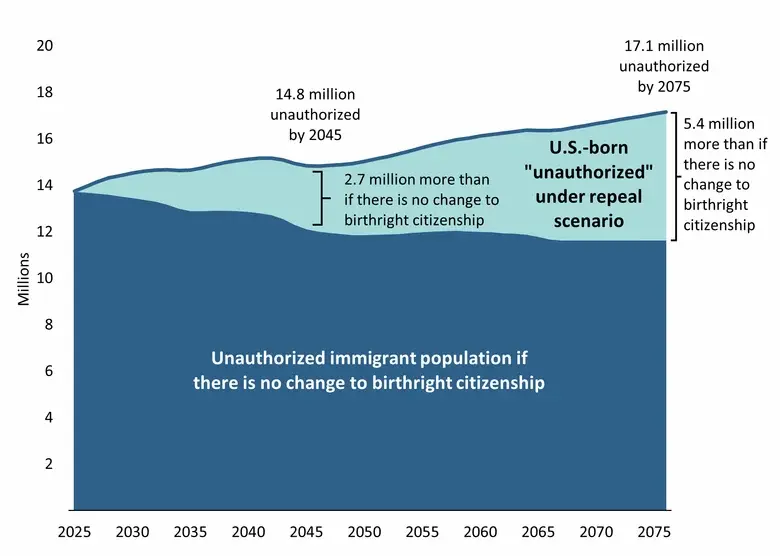
Trump signed Executive Order 14160 on the first day of his second term, January 20, 2025. The order instructed federal agencies not to recognize as citizens children born on U.S. soil if their mother was in the country illegally or on a temporary visa and the father was not a citizen or permanent resident. It never took effect: federal courts immediately blocked it. On June 30, 2026, the Supreme Court struck it down by a 6-3 vote.
Five justices—John Roberts, Sonia Sotomayor, Elena Kagan, Amy Coney Barrett, and Ketanji Brown Jackson—ruled that Executive Order 14160 violates the 14th Amendment to the Constitution. Brett Kavanaugh concurred with the result but on a narrower basis: the order violates federal law, regardless of the constitutional debate.
The three dissenting justices—Clarence Thomas, Samuel Alito, and Neil Gorsuch—rejected the majority’s interpretation and would have allowed, to varying degrees, a more restrictive interpretation of birthright citizenship. Their common position is that the “subject to the jurisdiction” clause of the 14th Amendment requires more than mere birth on U.S. soil—namely, the concept of “domicile” or permanent allegiance—and that, therefore, it does not automatically cover all children of parents without legal status or with temporary presence.
Thomas, in the lead dissenting opinion (joined by Gorsuch), argued that the amendment was intended for those who had no other country to which they belonged. Alito was the most direct: he called the outcome a “serious mistake” and warned that the ruling preserves a powerful incentive to enter or remain in the country illegally, burdening the United States with a “medieval rule” that even the United Kingdom—where it originated—has already abandoned. The dissent was not marginal: it represented one-third of the nation’s highest court and kept alive an argument that will remain on the table in the political debate for years to come.
From the very moment the law is broken—why does automatic citizenship make that act the most valuable gateway in the system?
Crossing the U.S. border without authorization is not an administrative error. It is a violation of federal law from the very moment it occurs— 8 U.S.C. § 1325 establishes unlawful entry as a criminal offense, with penalties of up to six months in prison for a first offense. That violation does not occur after days, months, or years of residence; it occurs at the very moment—the instant a person crosses the border without documentation or authorization.
The question that the June 30, 2026, ruling does not answer—because it was not the one before the Court—is the question that the ~162 countries that do not have unrestricted jus soli did answer in their constitutions: Should the act of breaking the law at the very first moment automatically trigger one of the greatest benefits that country can offer?
Anyone who enters the country illegally and has a child on U.S. soil is not fined, is not automatically deported, and faces no immediate consequences for that child—instead, that child is granted full citizenship, with all the rights that entails: a passport, federal benefits, and, upon turning 18, the right to vote in the elections that determine who governs this country.
That is not the mechanism the 14th Amendment was designed to create. It was adopted in 1868 to guarantee citizenship to the descendants of slaves, whom Dred Scott v. Sandford (1857) had denied that right. Its framers did not anticipate mass illegal immigration as a category—that category practically did not exist in 1868 because there were no systematic federal restrictions on the entry of foreigners.
The question of whether the 19th-century guarantee applies to a citizen of Mexico, Honduras, or China who crossed the border in the 21st century—violating federal law from the very first second—is a legitimate one. Thomas, Alito, and Gorsuch responded that it should not apply. Six justices responded that they cannot change that by executive order.
Neither position is irrational. The problem is that one of them has consequences that the system has been ignoring for decades: that U.S. immigration law, as it stands today, makes the violation of its own rules the gateway to the greatest benefit a state can grant. Not intentionally. Not as a deliberate policy. But as a consequence of a constitutional interpretation from 1898 that no one has formally reviewed since then.
In 2018, the Library of Congress reported that of the 195 countries in the world, only about 33 maintain unrestricted jus soli —automatic citizenship without parental conditions. The United Kingdom abolished it in 1981, Australia in 1986, and Ireland in 2004 via a referendum with 79% of the vote. India restricted it in three legislative phases between 1987 and 2004. None of those countries did so by executive order—all amended their laws or constitutions. That is exactly what the Supreme Court majority told Trump: the goal may be legitimate; the method is not.
Tom Homan, border czar since January 20, 2025, and former acting director of ICE during the first Trump administration (2017–2018), has publicly questioned whether birthright citizenship is enshrined in the Constitution — “not the way I read it, ” he told CNN — and has called it a “magnet for illegal immigration.” In 2026, he added a national security argument, contending that hostile actors could exploit the policy to harm the country.
The scale of the problem that Homan inherited was documented in the records of U.S. Customs and Border Protection (CBP): During the four years of the Biden administration (2021–2025), federal data recorded more than 7.5 million border encounters—an unprecedented historical record. Fiscal Year 2022 marked the highest peak ever recorded: 2.76 million encounters nationwide. Fiscal Year 2023 recorded 2.47 million. These figures are not estimates: they are official federal records.
From his very first day, Biden reversed his predecessor’s policies: he canceled the “Remain in Mexico” program, suspended construction of the wall, ended the safe third country agreements, and expanded humanitarian admission permits.
The Obama administration was historically different—according to the DHS Annual Immigration Statistics Report, it deported approximately 3 million people between 2009 and 2017—but the irregular flow did not stop either. No executive policy—neither Obama’s tough stance nor Biden’s more open approach—has permanently resolved the structural incentive created by the 14th Amendment: crossing the border and having a child on American soil turns a violation of the law into the first step toward citizenship.
During his second term, Trump succeeded in drastically reducing border crossings: border apprehensions in 2025 fell to levels not seen in decades. But even with the most secure border in recent political history, the constitutional vulnerability remains intact: every child born on U.S. soil to parents who crossed in violation of 8 U.S.C. § 1325 obtains full citizenship. Border security closes off access; the 14th Amendment grants citizenship. The June 30, 2026, ruling confirmed that this equation cannot be changed by decree. No border czar, no wall, and no executive order can close the legal loophole that the Court has just confirmed.
In a 2025 public speech, Homan quantified the consequences: during the Biden era, more than 4,000 immigrants died in transit and more than a quarter of a million Americans died from fentanyl; under Trump, illegal immigration fell by 97%, and nearly one million people were deported in the first year.
But those same figures reveal the other side of the story: those who crossed en masse under Biden—and those who continue to cross today—are the direct source of the so-called “anchor babies.” Their children, born on American soil, automatically trigger the 14th Amendment, which the Court has just upheld. Homan closed the border; the Amendment remains open.
Was the 14th Amendment of 1868 designed for this—or has it been turned into a rallying cry by those who use lawbreaking as a gateway?
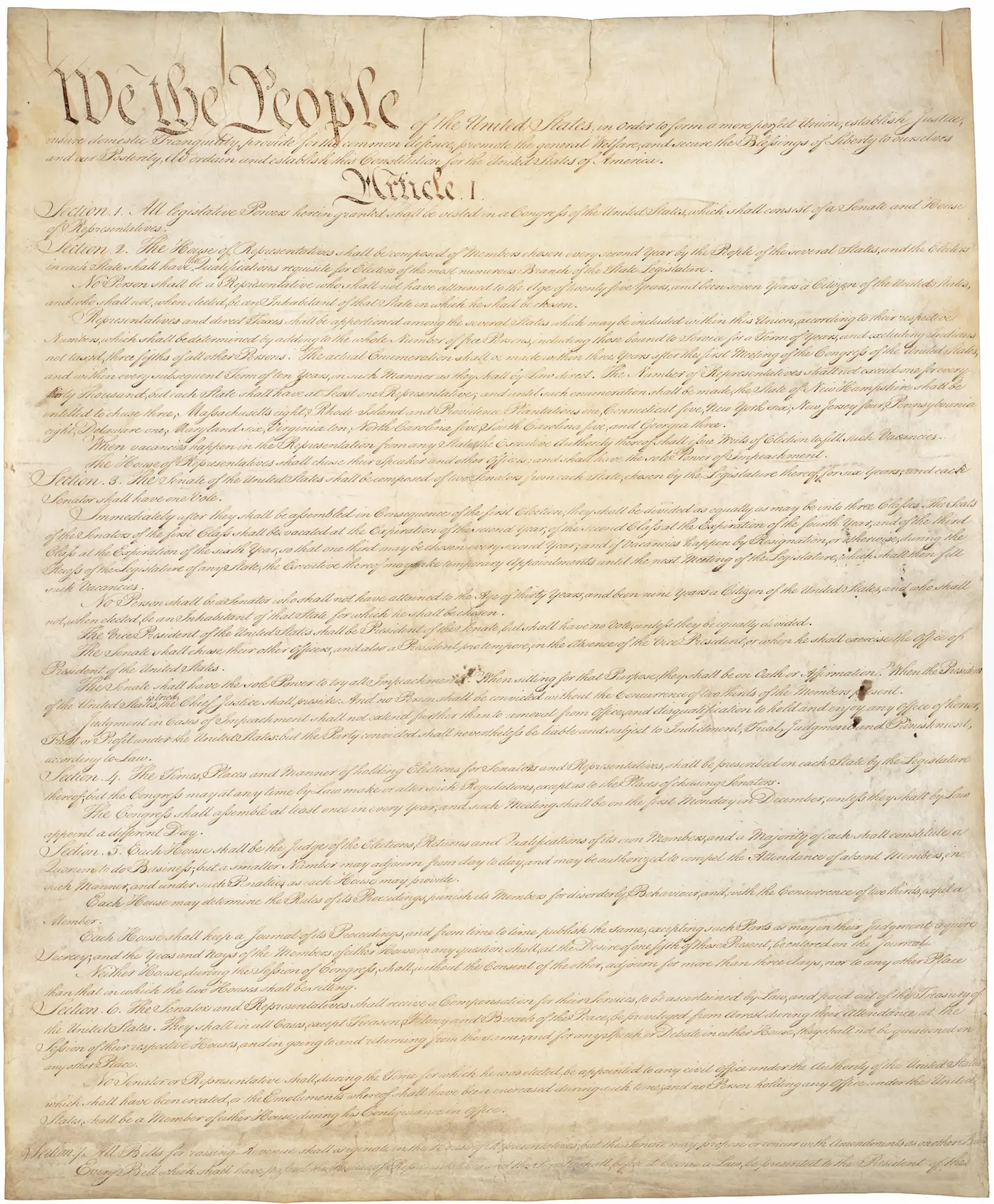
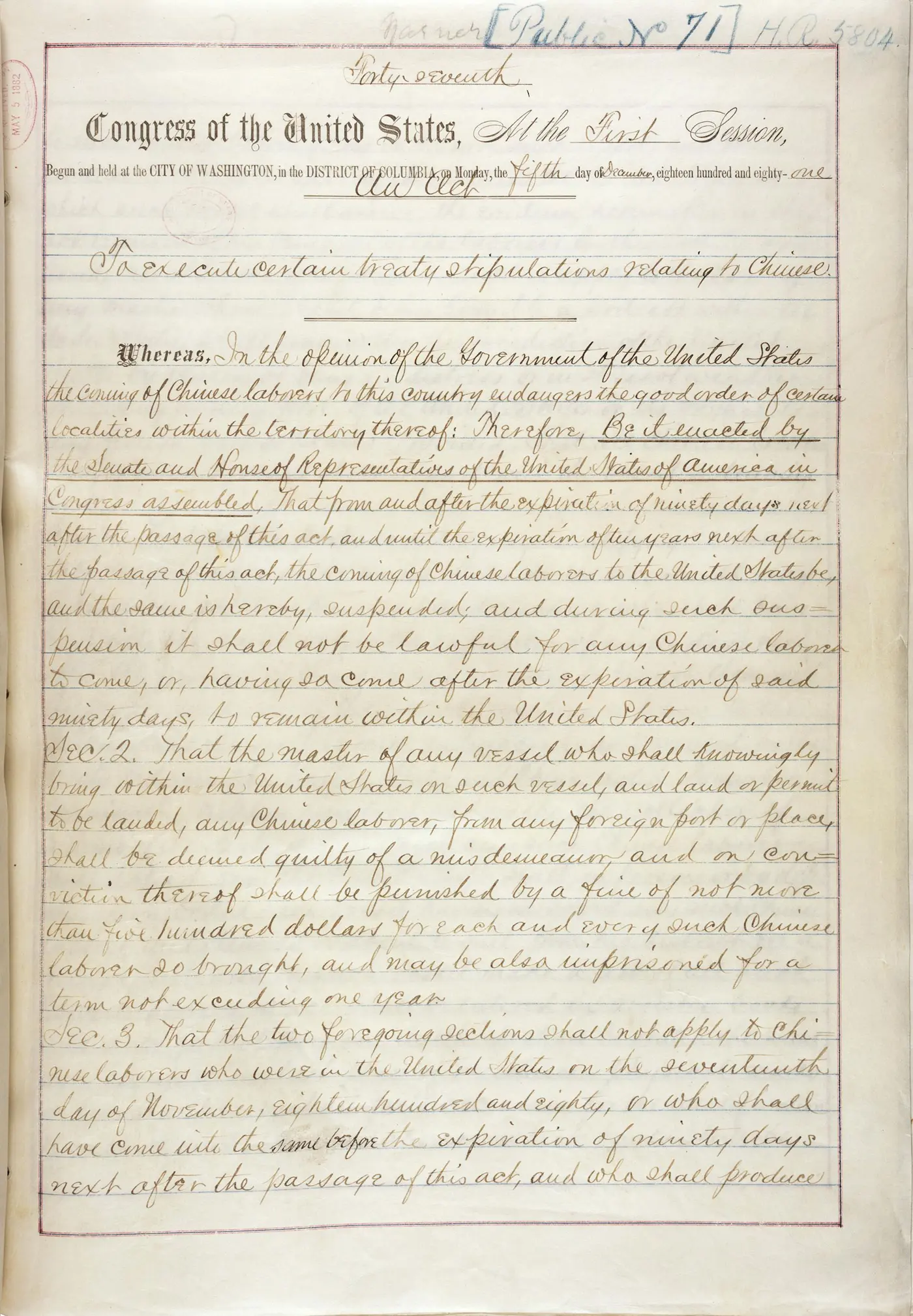
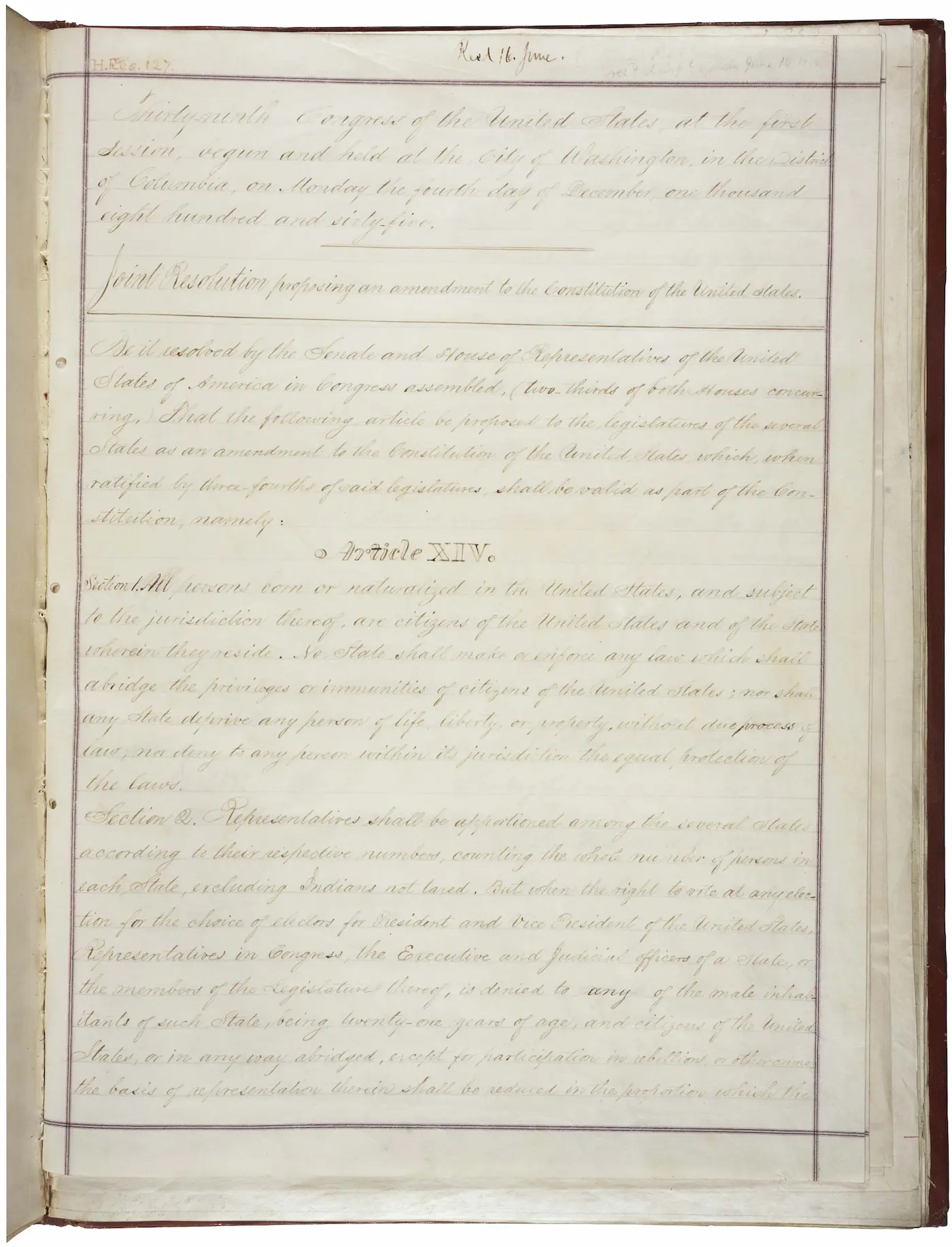
The 14th Amendment is 158 years old. It was ratified in 1868 with a clear and urgent historical purpose: to redress the injustice of Dred Scott v. Sandford (1857), the Supreme Court ruling that had denied citizenship to the descendants of slaves. Its framers guaranteed that “all persons born or naturalized in the United States and subject to its jurisdiction” would be citizens. It was a response to slavery—not to illegal immigration.
In 1868, there were no commercial flights. There were no birth tourism networks charging between $40,000 and $80,000 per client to give birth in Miami. There were no transnational criminal organizations designated as federal threats. There was no U.S. Code provision criminalizing unauthorized border crossing under 8 U.S.C. § 1325—because “illegal immigration” as a federal category barely existed. In 1868, entering the U.S. without authorization was not a criminal offense. Today, it is—from the very moment it occurs.
What the authors of the amendment could not have anticipated—and what the 2026 debate reveals — is that the guarantee adopted to redress the greatest injustice in American history would, 158 years later, become the mechanism that automatically grants citizenship to the child of someone who crosses the border while committing a federal criminal offense. That transformation is no accident of fate: it is the result of an 1898 interpretation— United States v. Wong Kim Ark —that no president, no Congress, and no amendment has formally modified in 128 years.

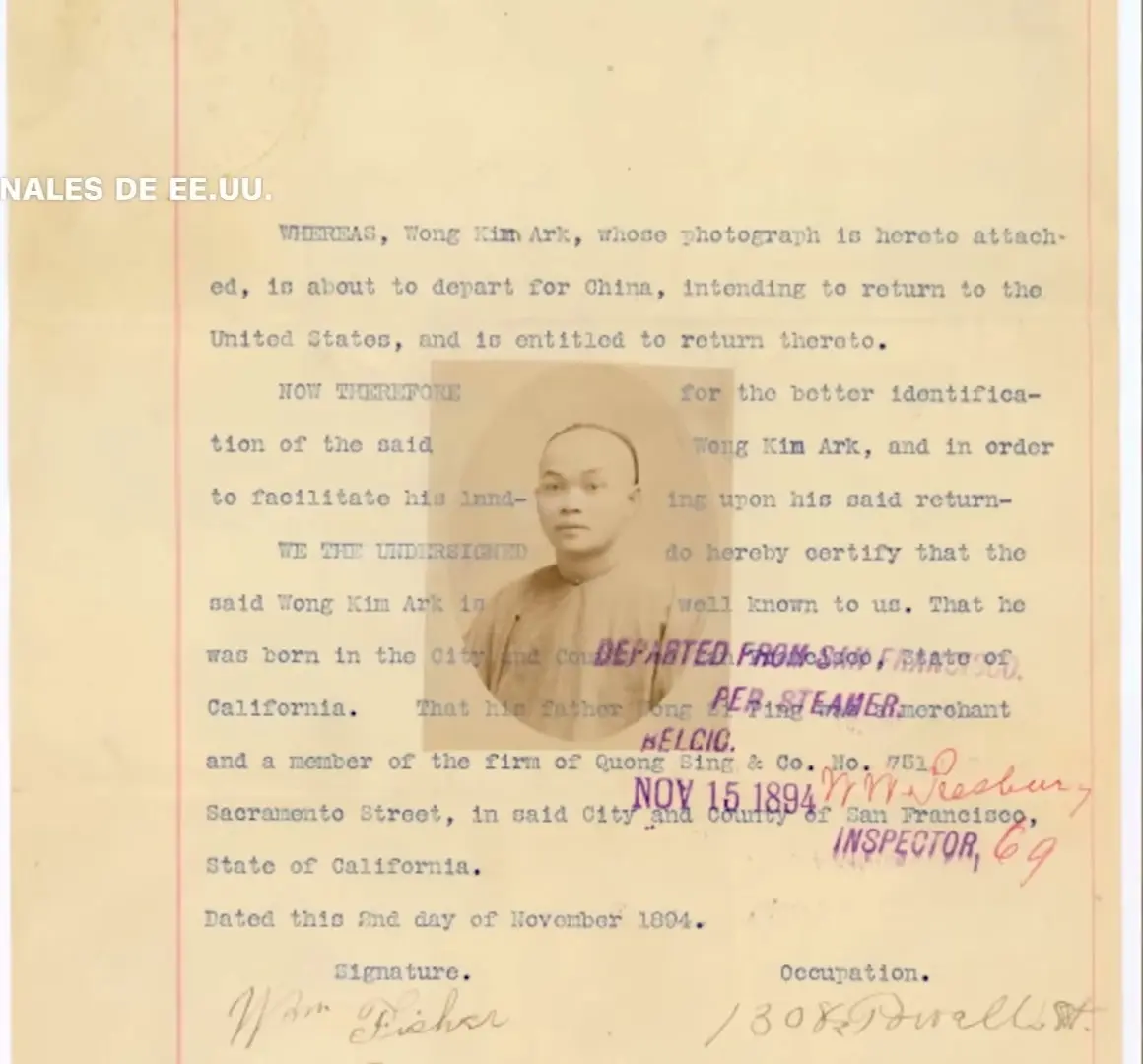
The question before you today is not whether the 14th Amendment protected African Americans—the answer is yes, and it was necessary for it to do so. The question is whether that same clause, in the 21st century, remains the appropriate instrument for determining the citizenship of those who enter the country in violation of federal law from the very outset. The approximately 162 countries that restrict jus soli have answered “no”—and they did so through laws and constitutions, not by executive order. The U.S. has not yet answered. What it did on June 30, 2026, was to confirm that the answer cannot come from an executive order.
The three dissenting justices—Thomas, Alito, and Gorsuch—placed precisely that argument at the heart of their position: that “subject to the jurisdiction” was written in 1868 for a specific context, and that 21st-century dynamics do not require it to be interpreted in the same way. They argued that if the countries that exported that principle to the Americas have already modified it, the U.S. has the authority to do the same through the appropriate constitutional channels. The dissent is not a judicial anomaly.
This is the position of one-third of the country’s highest court—and it is the clearest indication that the question of whether the 14th Amendment, as interpreted today, remains appropriate for the world of 2026 is still open.
What today’s ruling did close off is the executive route. The Constitution cannot be amended with a single signature. And until that question receives a formal legislative or constitutional answer, the 1868 amendment will continue to be, for those who cross the border in violation of the law, the most powerful guarantee the American system can offer to a child born on U.S. soil: full, unrestricted, and automatic citizenship — just as it is for the child of any American citizen.
Given that there are legal ways to enter the U.S. and become a citizen, why hasn’t the 14th Amendment been updated yet?
The United States has a legal immigration system. It has work visas, student visas, family reunification, asylum programs, a visa lottery, and a naturalization process that allows a permanent resident to become a citizen in five years. That system—however imperfect it may be—exists precisely so that those who want to become Americans can do so through the channels established by law.
The question that the June 30, 2026, ruling does not answer—and that no ruling can answer because it is not a legal question—is this: if those avenues exist, why does the system continue to grant automatic citizenship to the child of someone who chooses to ignore them? Not as an earned privilege, not as the result of a process, not as recognition of years of legal residence—but as a direct and immediate consequence of the act of crossing the border in violation of federal law from the very first moment.
The 14th Amendment fulfilled its original purpose. The descendants of slaves have citizenship—they have had it for more than 150 years. The Dred Scott v. Sandford (1857) decision was overturned. The Civil Rights Act of 1964 and the Voting Rights Act of 1965 completed that work. The specific injustice that the amendment was designed to correct—the denial of citizenship to the descendants of slaves established in Dred Scott—was corrected more than 150 years ago.
What exists today—automatic citizenship for the child of someone who enters the country illegally—is not the original intent of the amendment. It is a consequence of an interpretation dating back to 1898 that has never been formally reviewed in a world that bears no resemblance to that of 1868.
What the Court should have raised—and did not raise, because that was not the question before it—is that an amendment adopted to remedy a specific, now-resolved historical injustice cannot permanently become the mechanism by which a violation of another law within the same system opens the door to the highest benefit a state can grant. Once that mission was accomplished, the instrument should have been revised. That is not repealing the amendment. It is updating it to reflect the world as it is today, not the world of 1868, which no longer exists.
Today’s ruling—six votes that blocked Trump’s executive order—does not open that door. But paradoxically, it closes it in the right direction: it confirms that the path forward is not an executive decree, but the formal constitutional process. A constitutional amendment requires a two-thirds majority in Congress—the House of Representatives and the Senate—and ratification by three-quarters of the states. The Supreme Court has closed off the executive route. Congress is where the next chapter will be decided. The Senate has not yet legislated on birthright citizenship—neither by amending 8 U.S.C. §1401(a) nor through a constitutional amendment.
It is the most demanding path the Founders designed—because amending the Constitution should be just that. But that path exists. And today’s ruling, by closing the executive shortcut, forces the 535 members of Congress to do the work that no executive order can do for them: to formally decide, before their constituents, whether the 1868 amendment still describes the world in which they live in 2026.
In that sense, the ruling that did not support Trump can be interpreted as the beginning of something more important than an executive victory: the dawn of an era in which laws are strengthened through the proper process, not by decree. A democracy that changes its fundamental rules through the mechanism its founders designed for that purpose is a democracy that takes itself seriously. That is not a loss. It is the rule of law functioning exactly as it was intended.
Who benefits from the 14th Amendment remaining unchanged—if not the American people?
When a public policy remains unchanged for 128 years, civic journalism asks a legitimate question: Beyond principles, what specific interests benefit from the status quo? Automatic citizenship by birth, as interpreted by the Court since 1898, has at least one beneficiary with a documented federal record.
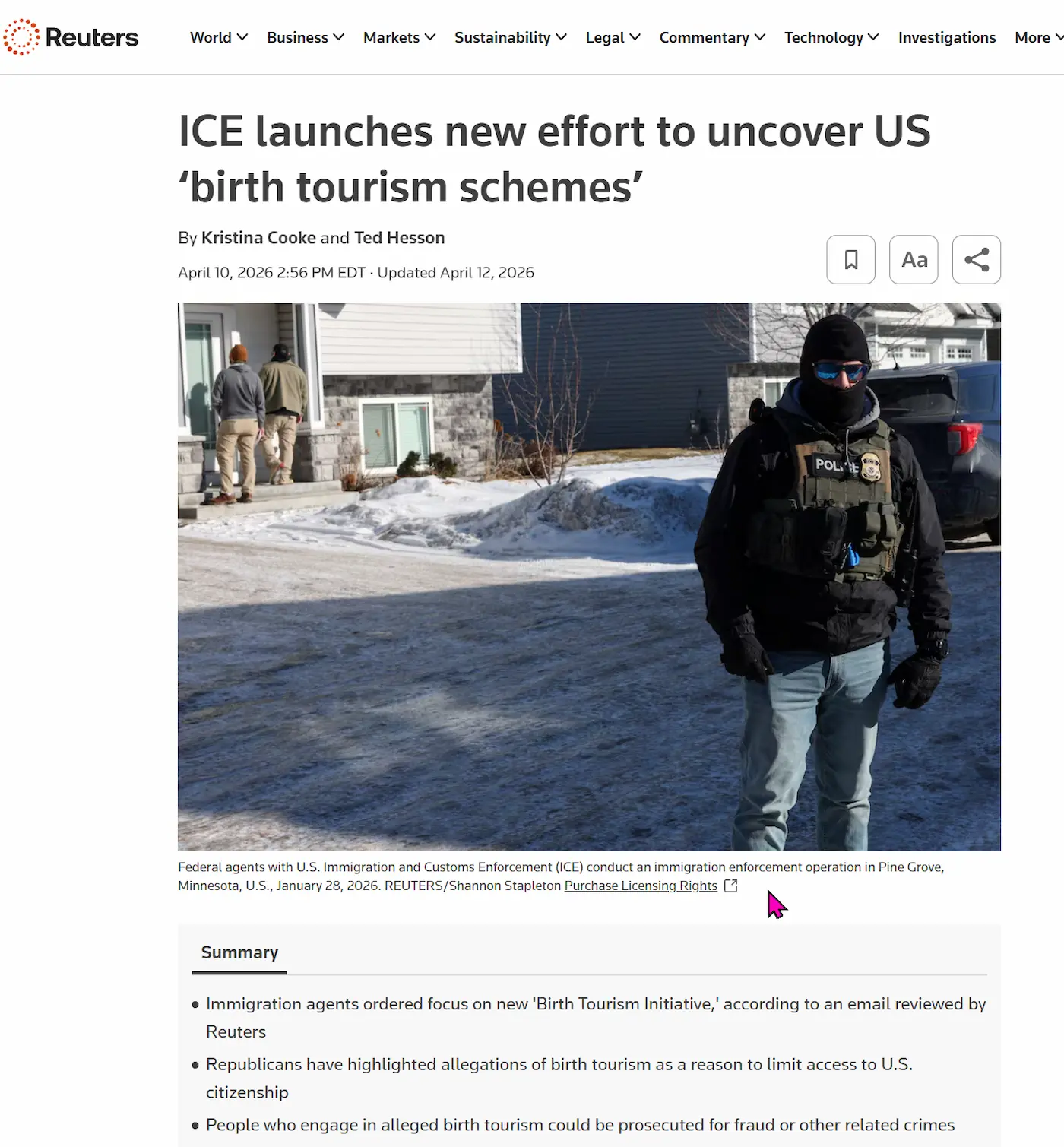
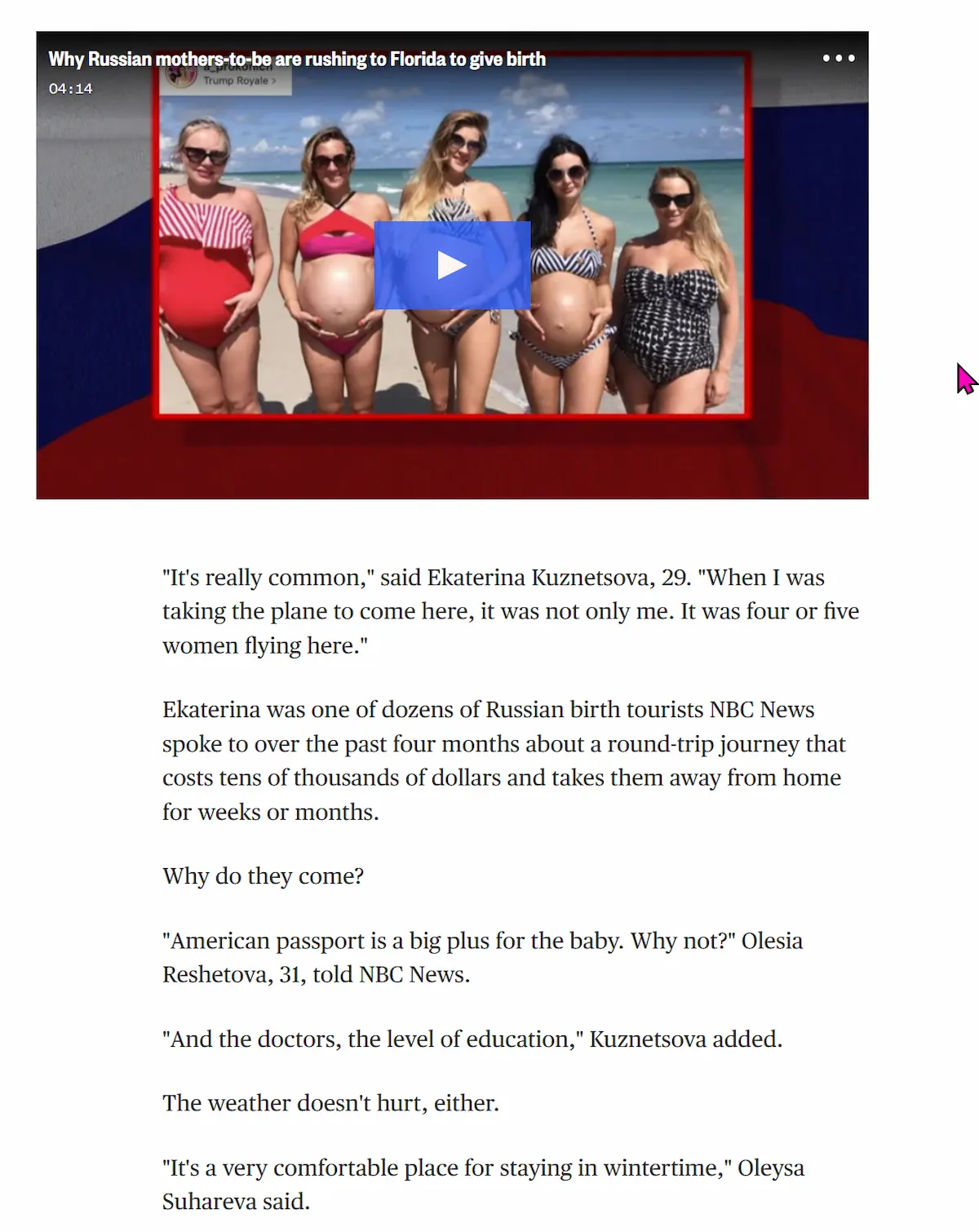
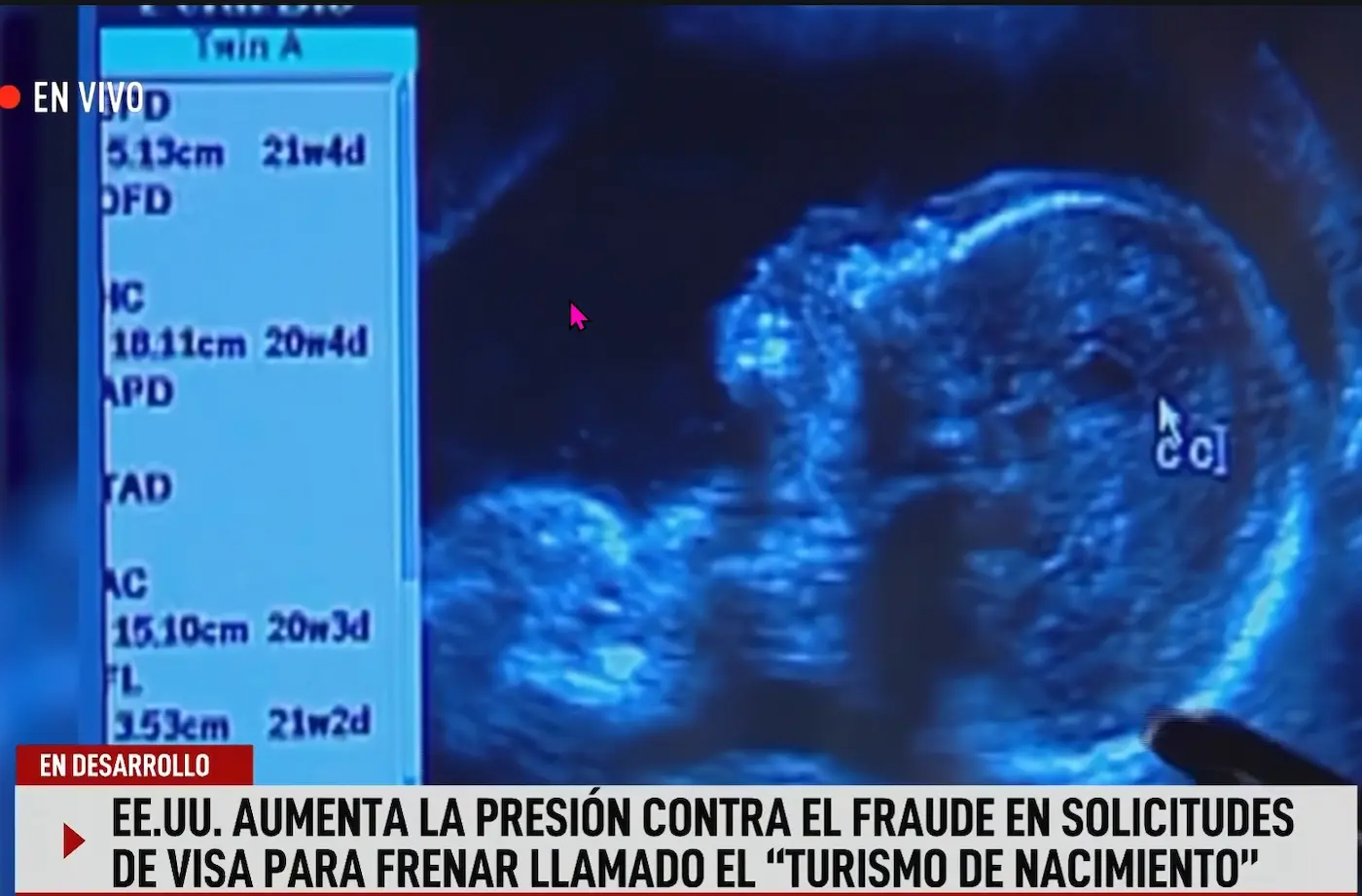
The maternity tourism industry. This is a case that has been tried in court—not speculation. In 2019, the Department of Justice indicted 19 individuals linked to networks that, according to the federal indictment, charged between $40,000 and $80,000 per client to facilitate births on U.S. soil in order to obtain citizenship for the baby.
Solicitor General John Sauer explicitly named Miami in the Supreme Court as a hub for these networks, which are linked to elite Russian and Chinese clientele. In January 2020, the State Department issued a final rule restricting tourist visas for those traveling for that purpose. The June 30, 2026, ruling does not affect that business: automatic citizenship is its raw material, and the Court has just upheld it.
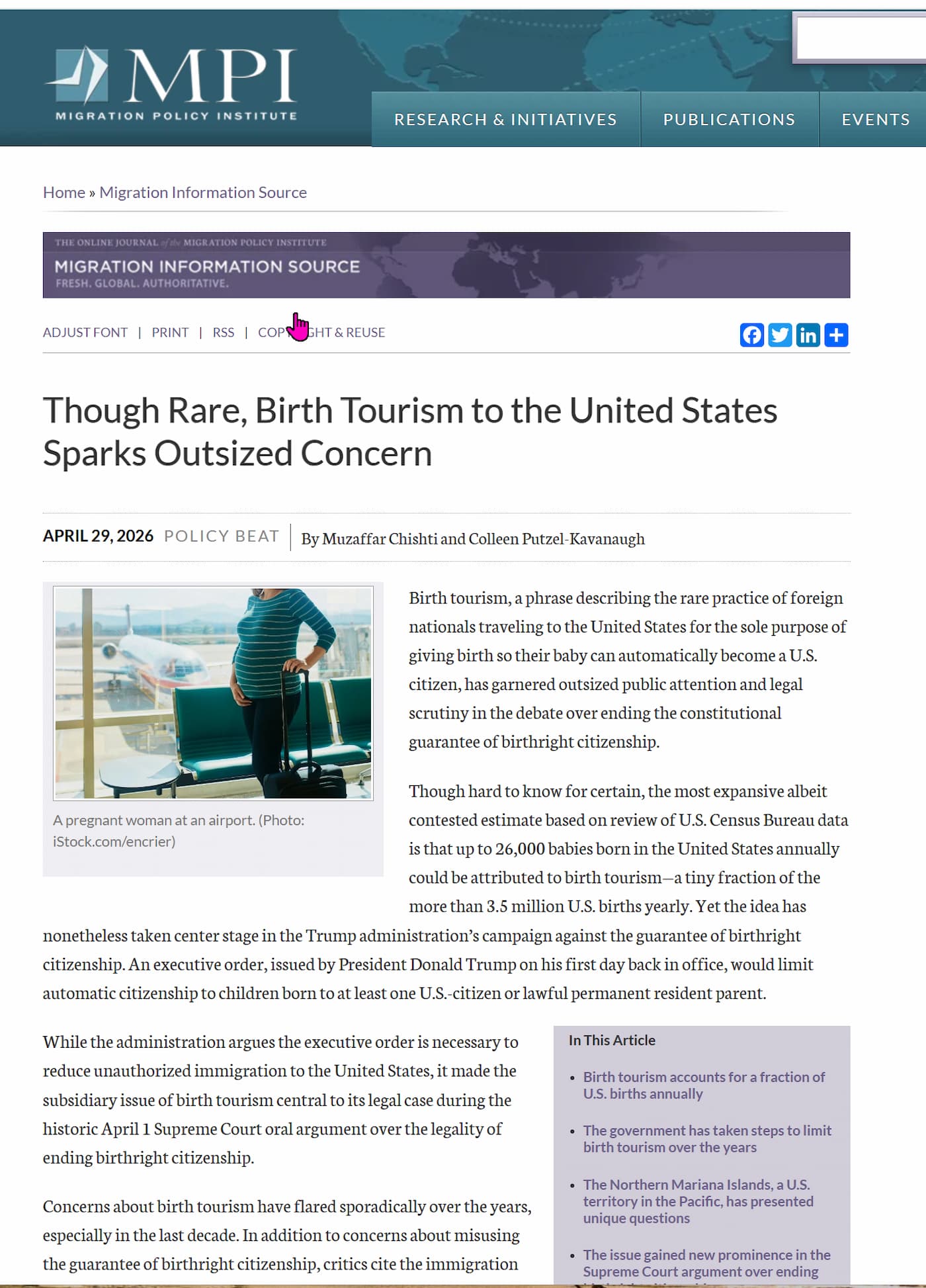
It is important to be honest about the scale: maternity tourism is a limited phenomenon—thousands of cases, not millions—and is legally distinct from the vast majority of births that the EO would have affected, which involve long-term immigrant families, not commercial networks. Pointing to the documented industry is not the same as using it to describe the majority of families affected by the debate. These are two separate realities, and conflating them would be precisely the mistake this analysis seeks to avoid.
The fundamental question—whether a constitutional guarantee from 1868 remains the appropriate instrument for the world of 2026—is not answered by naming beneficiaries, but rather through the channel that the Court itself indicated: Congress and the amendment process. That, and not mere insinuation, is where the next chapter will be decided.
What did the Court protect: the Constitution or those who break the law?
Chief Justice John Roberts, author of the majority opinion, argued that the Court cannot choose between two options: protecting the Constitution is its sole mandate. In his words: “Citizenship, then and now, was the right to have rights… The Framers of the Fourteenth Amendment extended that promise to ‘every free-born person in this land.’ We keep that promise today.” This argument is consistent with 228 years of case law: an executive order cannot alter the text of the Constitution. If citizenship by birth is to be reviewed, the proper avenue is Congress or a formal amendment—not the White House.
But the practical question that this argument leaves unanswered is the one that Thomas, Alito, and Gorsuch placed at the center of their dissent: when the result of protecting the Constitution is to guarantee a permanent benefit to someone who crossed the border in violation of federal law, is the Court protecting the principle or the result? That distinction is not merely semantic. It is at the heart of the immigration debate that the ruling returns to Congress.
Justice Alito was the most outspoken of the three dissenting justices. He described automatic citizenship as “a powerful incentive to enter or remain in this country illegally” —the same argument made by the imam described by Homan— and called it a “medieval rule” that the United Kingdom itself abolished in 1981, Australia in 1986, and Ireland in 2004. In his dissent, he described the ruling as a “serious mistake.” Alito’s dissent was not marginal: it represented one-third of the nation’s highest court.
What did Trump protect: his citizens or his agenda?
Executive Order 14160 was signed on the first day of the second administration with a stated purpose: “Protecting the Meaning and Value of American Citizenship.” The Trump administration’s argument before the Court—presented by Solicitor General D. John Sauer—was that the children of people who entered the country illegally are not fully “subject to the jurisdiction” of the United States within the meaning of the 14th Amendment, and that the practice of unrestricted citizenship by birth has been exploited by criminal networks and terrorist organizations, according to documents from the Department of Homeland Security.
That argument swayed three justices on the Court. Thomas, Alito, and Gorsuch would have allowed a more restrictive interpretation of birthright citizenship that would have left open the possibility for the executive order to take effect. The fact that it did not does not mean the argument is false—it means it was not sufficient to alter a 158-year-old constitutional guarantee through executive action.
The dissent of these three is a fact that the political debate will ignore at its own peril: three of the nine justices on the country’s highest court rejected the majority’s ruling and would have allowed for a more restrictive interpretation of citizenship by birth. This was not a marginal position. It was the position of one-third of the Court.
What happens in Miami-Dade when the Supreme Court confirms that the child of someone who breaks the law is granted automatic citizenship?
Miami-Dade has the highest concentration of foreign-born residents of any county in Florida. According to the U.S. Census Bureau (2024), 27% of the county’s Hispanic residents were born outside the United States. Among its population are tens of thousands of people in an undocumented immigration status. With its June 30 ruling, the Supreme Court confirmed that their children born here retain full citizenship—regardless of whether their parents crossed the border in violation of federal law under 8 U.S.C. § 1325 from the very first second.
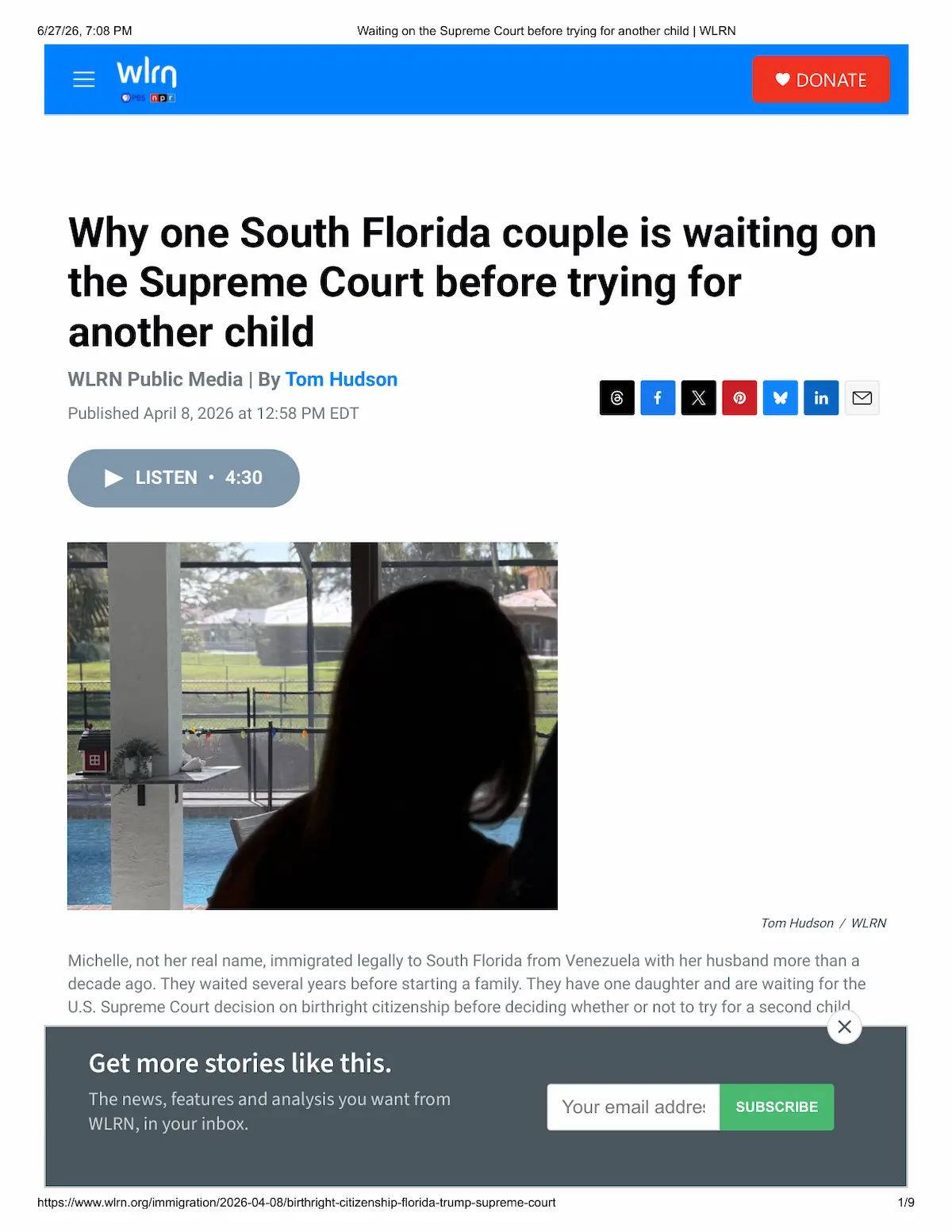
The Congressional Research Service (LSB11423, April 7, 2026) estimates that between 150,000 and 300,000 babies are born each year in the U.S. to parents without legal immigration status. Each of these children receives full citizenship: a passport, federal benefits, and, at age 18, the right to vote in elections in a country whose laws their parents violated from the very beginning. Florida and Miami-Dade are at the center of this pattern—not as victims of the debate, but as one of its geographic epicenters.
Florida is also a documented hub for maternity tourism: In 2019, the Department of Justice indicted 19 people linked to Chinese reproductive networks operating in California. In January 2020, the State Department issued a final rule restricting tourist visas for those traveling for the purpose of giving birth on U.S. soil. These networks also operate in Florida, according to DHS documents cited at the April 1, 2026, hearing before the Supreme Court. The June 30 ruling does not close that door—it leaves it open, as affirmed by six justices.
Is Congress defending the American nation—or benefiting those who break the law through its inaction?
The June 30, 2026, ruling closed the door on executive action, but it did not end the debate: it returned it to the forum where, according to the Court itself, it must be resolved. And in this case, the six votes that blocked Trump were not identical.
For five justices—Roberts, Sotomayor, Kagan, Barrett, and Jackson—the issue is constitutional: the 14th Amendment, interpreted in light of Wong Kim Ark, grants citizenship to those born on U.S. soil, and that cannot be changed by decree. Under that interpretation, the only path forward would be a constitutional amendment—requiring a two-thirds majority in both houses of Congress and ratification by three-quarters of the states.
But the sixth vote opened a rift. Justice Brett Kavanaugh concurred in blocking the order, but for a narrower reason: in his view, the executive order violated federal law, not necessarily the Constitution. And he expressly left a path open: Congress—he wrote—could amend 8 U.S.C. § 1401(a) or enact exceptions to birthright citizenship for children of foreign nationals present in the country illegally or temporarily, but it has not yet done so. That difference is not insignificant: it means that, even among the six votes against Trump, there is an interpretation according to which Congress could act without needing to amend the Constitution.
It is worth clarifying a point that is often confused in public debate. The SAVE Act (HR 22) —the Safeguard American Voter Eligibility Act, passed by the House—does not reform birthright citizenship: it requires documentary proof of U.S. citizenship to register to vote in federal elections. It is a law about voter registration, not about the 14th Amendment or babies born in the U.S. If Congress wanted to restrict automatic citizenship by birth, it would have to do so through another means: a specific amendment to 8 U.S.C. §1401(a)—the possibility that Kavanaugh left the door open to—or a constitutional amendment. Not through the SAVE Act.
That is the question the ruling returns to Congress, without answering it: not whether the United States has the right to define its citizenship—it does—but which of those two paths to take, and whether the Senate will be willing to pursue either one.
What did this ruling teach us: the American people, Trump, and who is really safeguarding America?
The ruling of June 30, 2026, offered three lessons at once.
To Trump: You can’t rewrite the Constitution with an executive order on Day 1. An executive order is the fastest—but also the weakest—tool for changing a 158-year-old constitutional guarantee. Three justices agreed with you—that’s no small matter. But nine justices aren’t enough to amend the Constitution; it takes three-quarters of the states. The lesson is clear: if the goal is to protect America, the path lies through Congress and the constitutional amendment process—not the White House alone.
To the American people: the system of checks and balances works. Even when the outcome is uncomfortable for millions of citizens who see citizenship automatically granted to the child of someone who crossed the border in violation of the law, the separation of powers did exactly what it was designed to do. Six justices upheld a constitutional text. Three had the intellectual courage to say that that text can be read differently. That dissent by Thomas, Alito, and Gorsuch is not a defeat—it is a roadmap. It shows that the constitutional argument for restricting unrestricted citizenship exists and carries weight in the nation’s highest court.
And the central question:
Who is really protecting America? Not the Court—the Court doesn’t make policy; it interprets the Constitution. Not Trump alone—his tool was blocked.
The true defenders of America are the ones who must now tackle the most difficult task: Congress, either through the path Kavanaugh left open—amending 8 U.S.C. §1401(a)—or through the constitutional amendment process; constitutional scholars who argue that the 14th Amendment needs a 21st-century interpretation; and American citizens who demand change through legitimate channels—not by decree, not by court ruling, but through the slow and arduous path that has transformed America seventeen times since the original document.
Today’s ruling did not end the debate. It formalized it. Three of the nine justices on the world’s highest court said that the Constitution can be interpreted differently. That is all a political movement needs to write the next chapter. The question of who defends America has never had a single answer. Today it has one more chapter—and the next one will be written by Congress.
But the most important lesson from this ruling—the one that political debate has been avoiding for decades—is also the most straightforward: it is time to amend the 14th Amendment. Not because it has failed in its original mission. It fulfilled that mission perfectly: it rectified the constitutional injustice of Dred Scott, guaranteed full citizenship to African Americans, and closed the darkest chapter in American legal history. Precisely because it fulfilled that mission—and that mission is now complete—it is time to update it. An amendment that solved the problem in 1868 cannot, in 2026, continue to be the legal loophole that turns the act of breaking the law into a gateway to citizenship.
The 14th Amendment, as interpreted by the Supreme Court since Wong Kim Ark (1898), no longer addresses the injustice it was designed to correct. It describes the mechanism that turns a violation of immigration law into a rational decision: if you cross the border and have a child on American soil, that child is a citizen. It does not matter which law was violated. It does not matter what crime was committed under 8 U.S.C. § 1325.
It does not matter that the ~162 countries that do not maintain unrestricted jus soli have decided that this logic makes no sense. The Supreme Court confirmed this on June 30, 2026: the legal loophole remains open, and closing it is up to Congress—if it has the courage to do so.
Sources consulted
Level 1 — Official sources:
- 1. Executive Order 14160 (January 2025) — Federal Register
- 2. White House — Presidential Executive Order 14160 — whitehouse.gov
- 3. U.S. Supreme Court — Docket 25-365 (Trump v. Barbara) — supremecourt.gov
- 4. U.S. Supreme Court — Opinion in Trump v. Barbara, No. 25-365, June 30, 2026 — supremecourt.gov (PDF)
- 5. U.S. Supreme Court — Trump v. CASA, Inc., No. 24A884, opinion June 27, 2025 — supremecourt.gov
- 6. Congressional Research Service — LSB11423 (April 7, 2026) — congress.gov
- 7. 14th Amendment to the U.S. Constitution (1868) — constitution.congress.gov
- 8. United States v. Wong Kim Ark, 169 U.S. 649 (1898) — Justia Supreme Court
- 9. U.S. Census Bureau — Florida QuickFacts (2024) — census.gov
- 10. Pew Research Center — What We Know About Unauthorized Immigrants Living in the U.S. (July 2024, updated August 2025) — pewresearch.org
- 11. DOJ USAO-CDCA — Federal Prosecutors Unseal Indictments Naming 19 People Linked to Chinese Birth Tourism Schemes (Jan. 2019) — justice.gov
- 12. Department of State / Federal Register — Visas: Temporary Visitors for Business or Pleasure, final rule January 24, 2020 — federalregister.gov
- 13. Law Library of Congress — Birthright Citizenship Around the World (November 2018, LL File No. 2018-017010) — PDF loc.gov
- 14. SAVE Act, H.R. 22, 119th Congress — congress.gov
- 15. 8 U.S.C. § 1325 (illegal entry) — uscode.house.gov
- 16. U.S. Customs and Border Protection — Border Encounters data for FY2021–FY2025 (Southwest page; figure of 2.76M for FY2022 = nationwide total) — cbp.gov
Level 2 — Verification methods:
- 17. SCOTUSblog — Trump v. Barbara (6-3 decision issued June 30, 2026) — scotusblog.com
- 18. Telemundo, April 1, 2026 — Trump arrives at the Supreme Court (the first sitting president to attend)
- 19. ACLU — Barbara v. Trump: Nationwide Class Action Injunction — aclu.org
- 20. CNBC, April 1, 2026 — Supreme Court oral arguments on birthright citizenship and birth tourism
- 21. The Guardian (Rachel Leingang), June 26, 2026 — Trump v. Supreme Court: Immigration (birthright citizenship)
- 22. Newsweek (Billal Rahman), December 19, 2024 — “Tom Homan Doesn’t Think Birthright Citizenship Is Enshrined in the Constitution” — newsweek.com
- 23. Washington Examiner, February 20, 2025 — “Tom Homan Welcomes Court Battle Over Birthright Citizenship: ‘Long Overdue'” (remarks outside the West Wing) — washingtonexaminer.com
- 24. YouTube / LiveNOW from FOX — “Border Czar Tom Homan on birthright citizenship” (remarks in front of the White House) — youtube.com
- 25. YouTube — “Border Czar Tom Homan Asked Point Blank: Should Birthright Citizenship Be Changed?” — New College of Florida, March 2025 — youtube.com
- 26. YouTube — Tom Homan, 2025 public speech — statistics from the Biden era (4,000+ traffic deaths, 250,000+ fentanyl cases) and Trump’s achievements (97% reduction in border crossings, ~1M deportations, 147,000 children found) — youtube.com/watch?v=yoUx1KdykPw
Disclaimer
News Miami Dade verified the factual claims in this article against primary sources: the Supreme Court’s opinion in Trump v. Barbara, No. 25-365 (June 30, 2026) and the case file on supremecourt.gov; Executive Order 14160 in the Federal Register; the precedent United States v. Wong Kim Ark, 169 U.S. 649 (1898); the 14th Amendment; the Law Library of Congress study *Birthright Citizenship Around the World* (2018); estimates from the Congressional Research Service (LSB11423); data from the U.S. Census Bureau and Customs and Border Protection; and records from the Department of Justice regarding the prosecution of maternity tourism networks (2019).
This article is an editorial analysis of the June 30, 2026, ruling. Judgments regarding who “protects” the United States and the advisability of amending the 14th Amendment reflect positions in an active democratic debate and are presented as such—the opinion of News Miami Dade—not as established facts. Direct quotes from the justices (Roberts, Alito, Kavanaugh, Thomas, Jackson) are reproduced from the published opinion; attributions to public figures such as Tom Homan are identified as his own statements, not as positions of NMD or as independently verified facts.
This article does not address the constitutionality of any future legislation or of the SAVE Act (HR 22), which is still being considered by the Senate. It accompanies NMD’s news coverage of the same ruling, published separately.
Continue reading at Noticias Miami Dade
Stay up to date with the latest news!
Would you like to receive more information like this right on your screen? Visit our homepage and find out everything that’s happening in South Florida: local news, events, and much more.
#MiamiDade #News #Florida