
Cement instead of fertile land: Who are the Live Local Act projects really for in Miami-Dade? Enough cement or is it never enough?
The Live Local Act: faster approvals, fewer hearings and less local control
The Live Local Act was presented as a tool to accelerate the construction of affordable housing and workforce housing in Florida. However, in practice it also gives developers significant advantages: administrative approval for projects that meet state requirements, use of more favorable densities and heights, reduction of certain parking requirements and, in some cases, tax benefits.
The problem is not that housing is built within the urban zone. The problem is that the process can drastically reduce direct neighborhood participation when the project qualifies under the law. Not everything happens “in secret,” but it does shift some of the debate from public hearings and political votes to administrative review.
If the law itself identifies opportunities in commercial, industrial, mixed-use land, qualified religious properties and underutilized urban areas, the public question is inevitable: why continue to push agricultural, rural or low-density land when there are urban areas already served by infrastructure?
Projects within the construction edge: Revitalization of Urban Areas?
Just look at the list of major developments approved under the LLA in the last year:
- Laguna Gardens (Miami Gardens): 341 100% “affordable” apartments.
- HueHub (West Little River): 3,233 units in five towers of up to 37 stories.
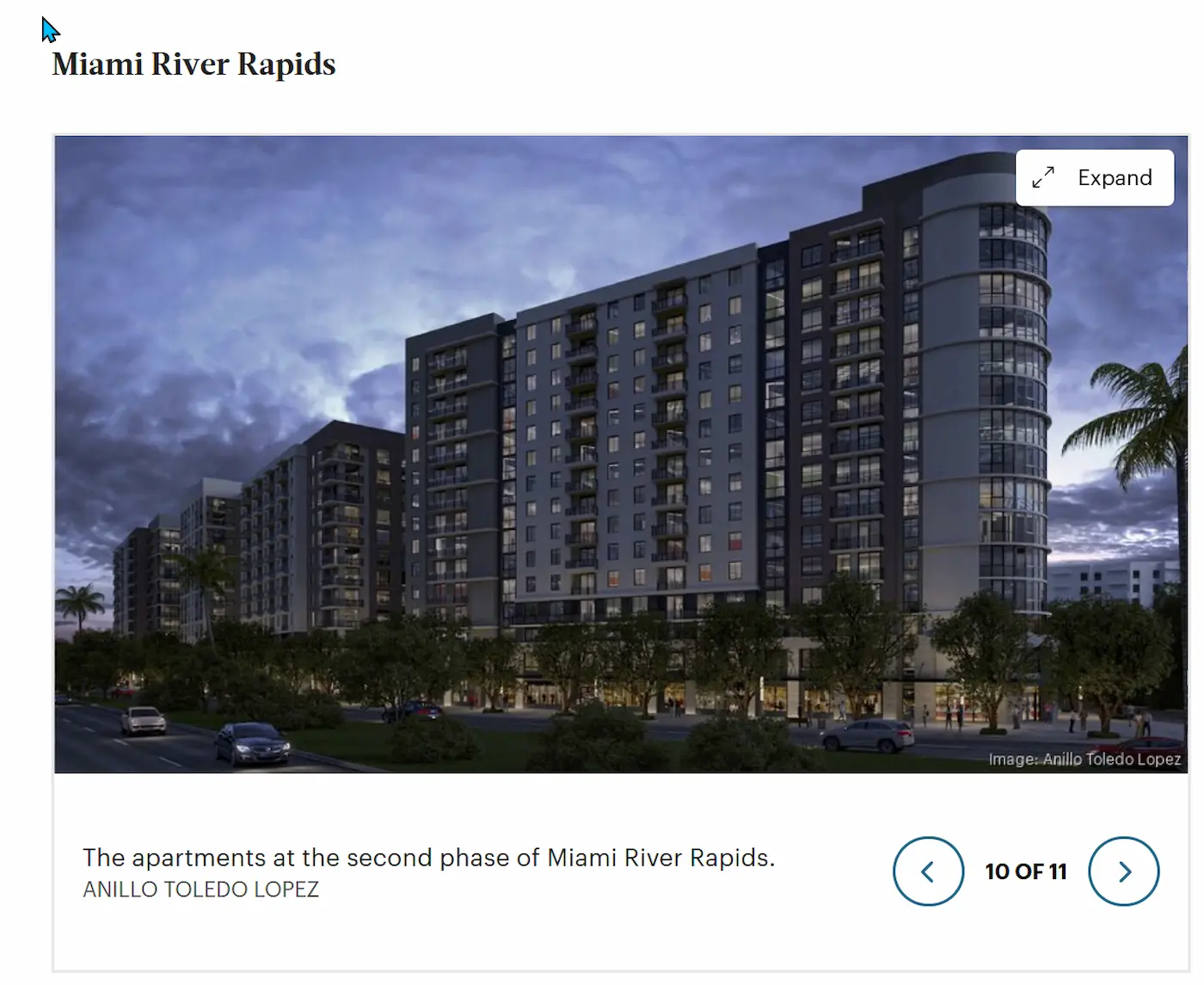
- Miami River Rapids (Grapeland Heights): 1,000 apartments and more than 1,300 parking spaces.
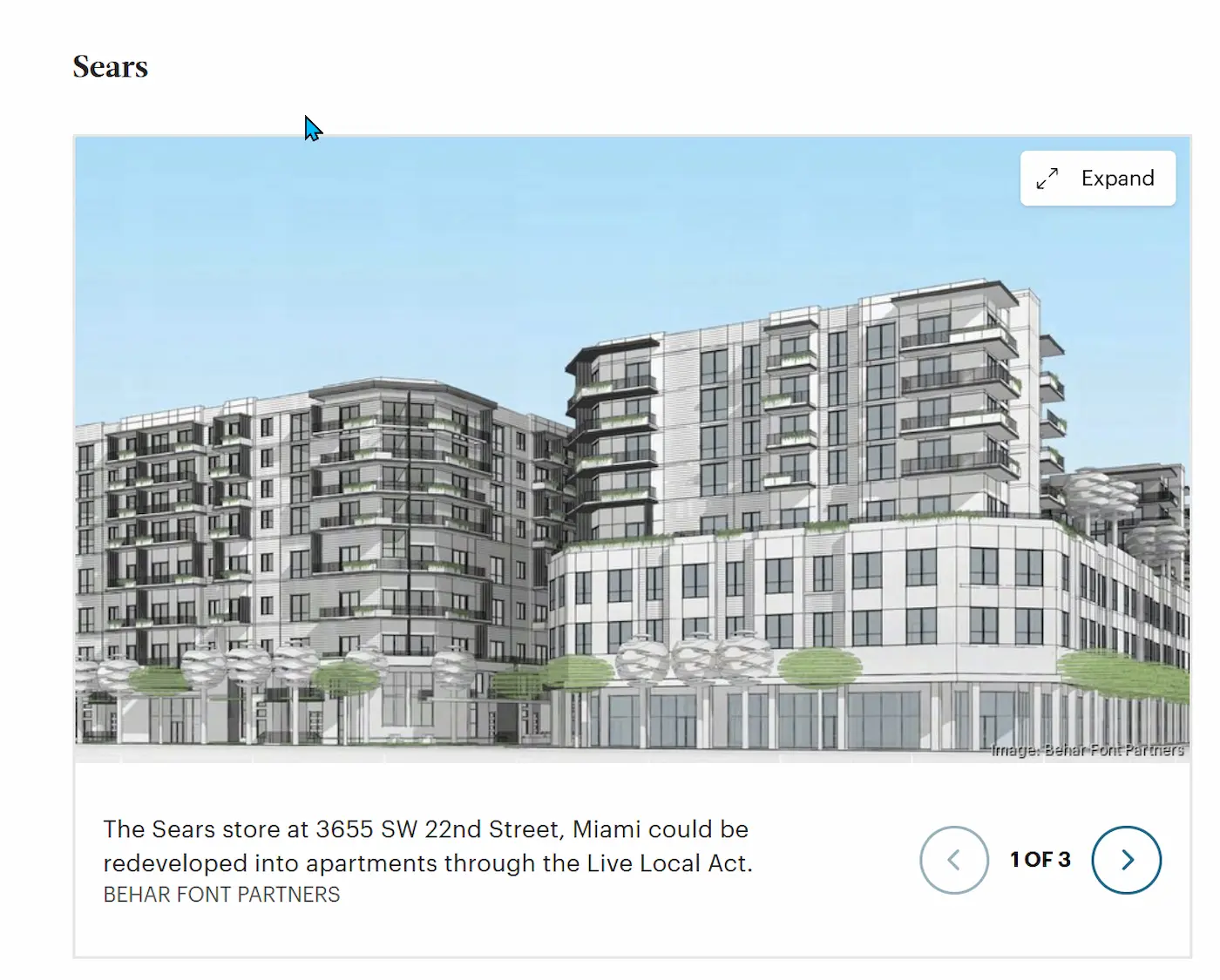
- Sears Coral Way: Proposal for 1,050 apartments on the old Sears lot.
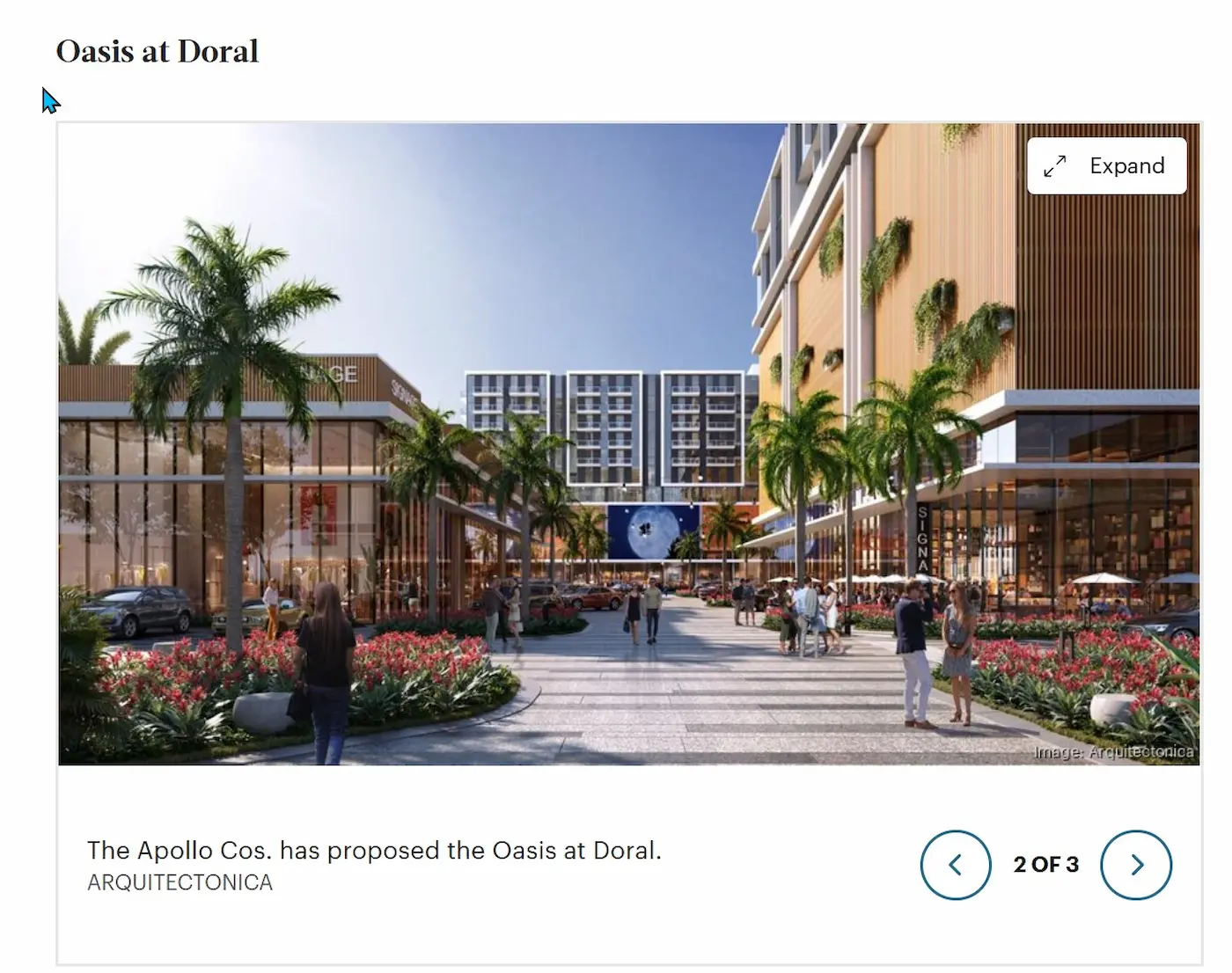
- Oasis at Doral: 630 apartments on 18 acres, transforming an office park.
- Infinity Collective (Little Haiti): 454 apartments on 28 floors.
- Shoma 88 (Kendall): 404 apartments next to Baptist Hospital.
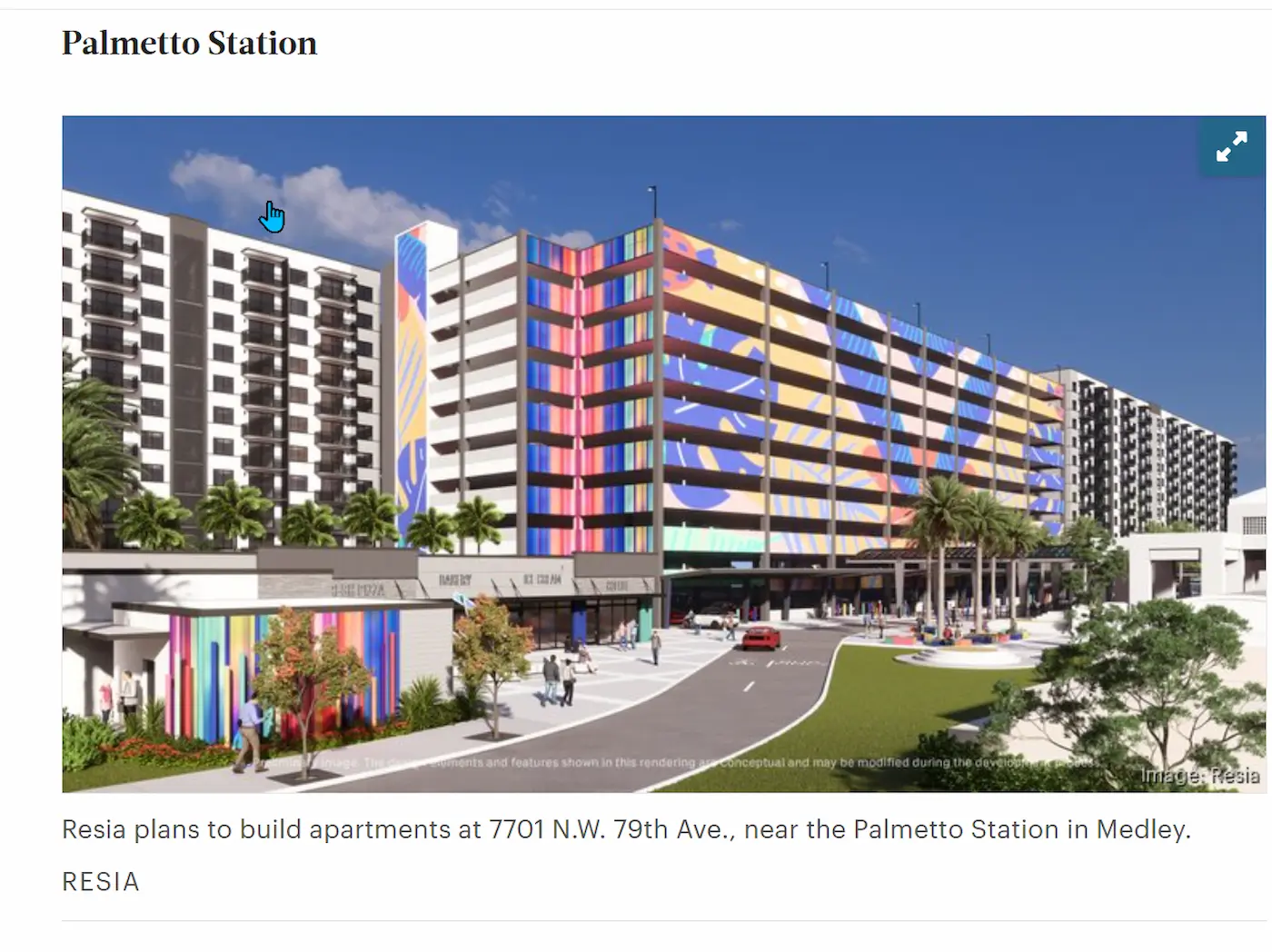
- Palmetto Station (Medley): 948 apartments on Metrorail land, leased to the county.
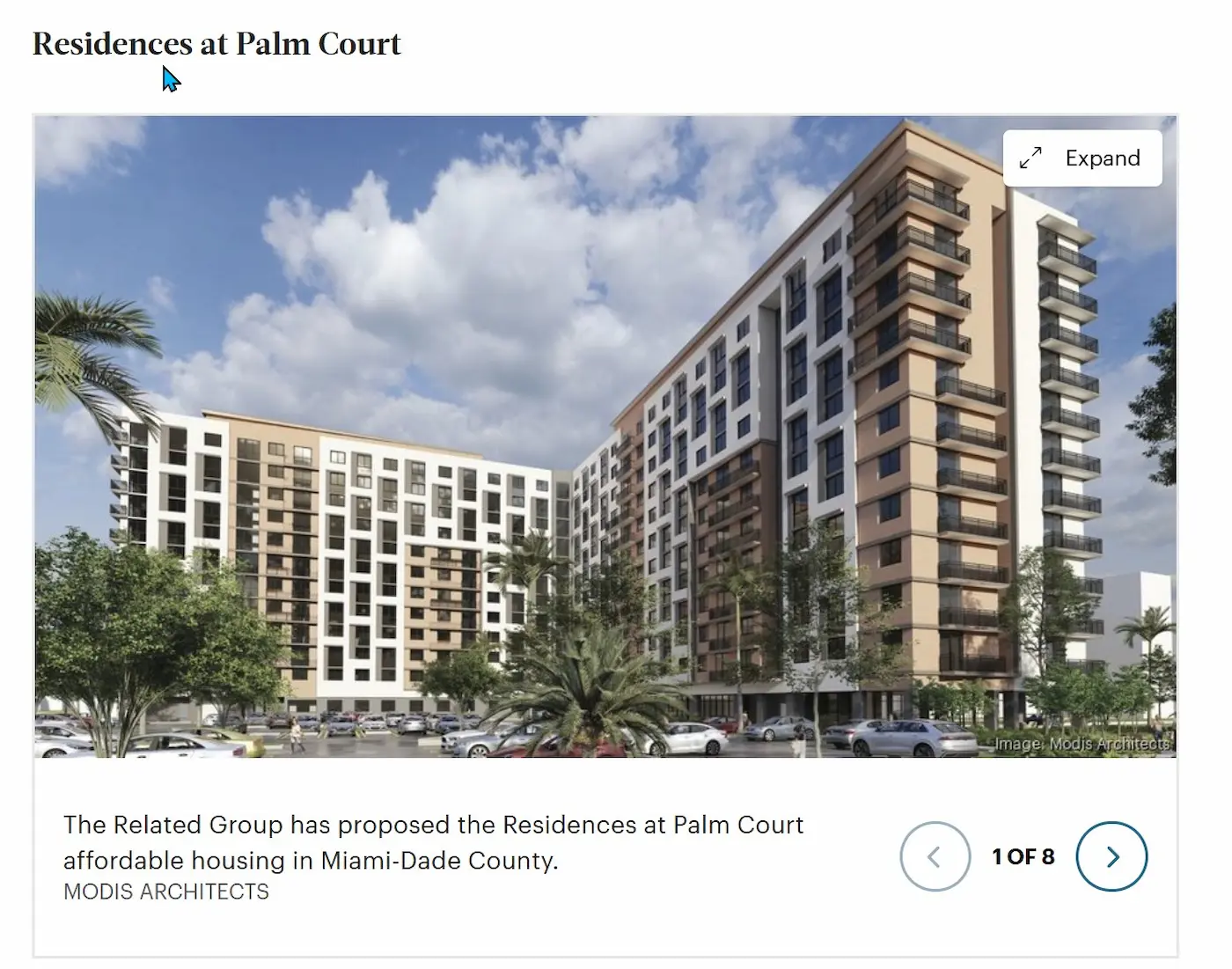
- Residences at Palm Court (West Little River): 316 affordable apartments.
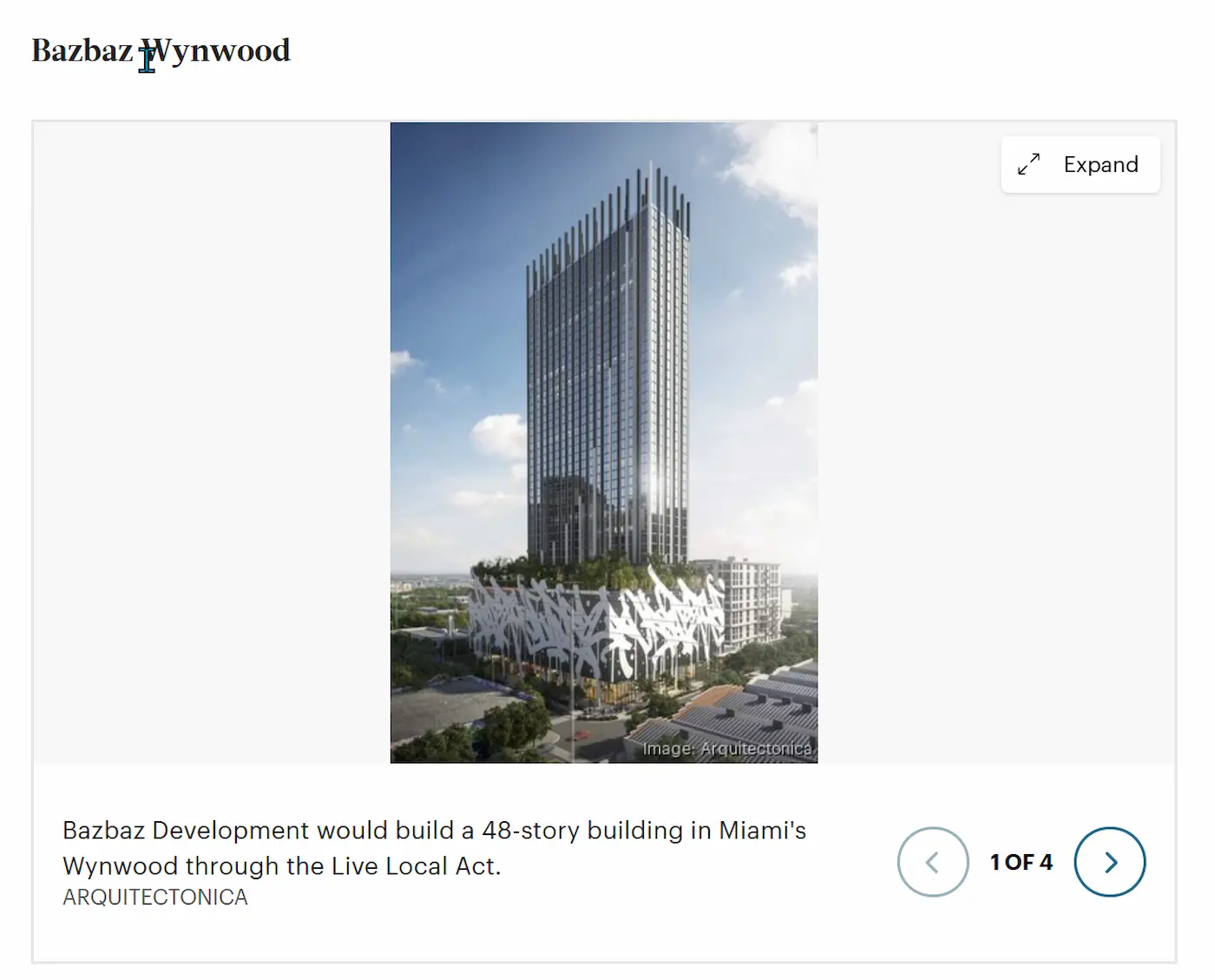
- Bazbaz Wynwood: 544 apartments in a 48-story tower in the heart of Wynwood.
- Homestead Apartments (Goulds): 303 apartments where there used to be an avocado farm.
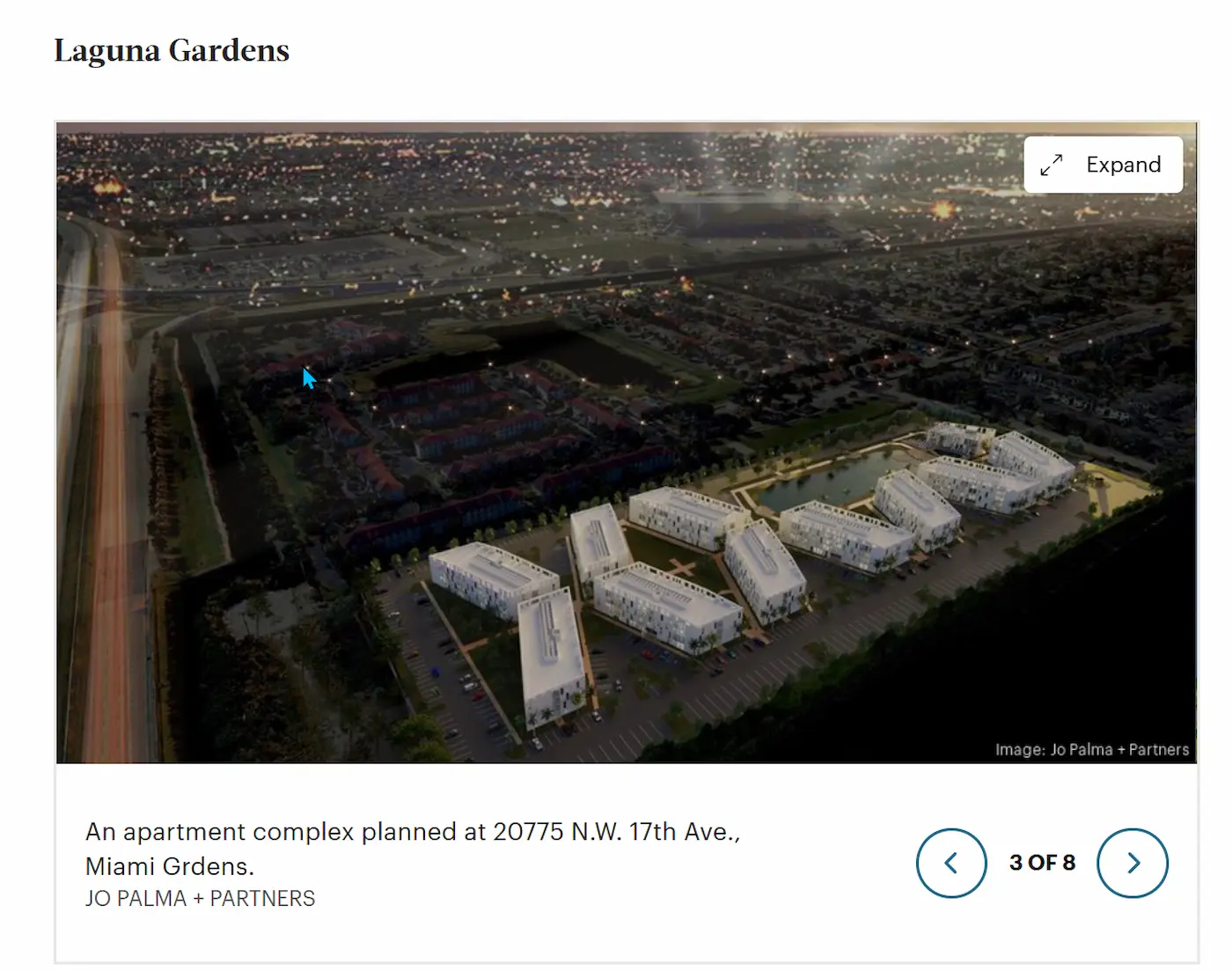
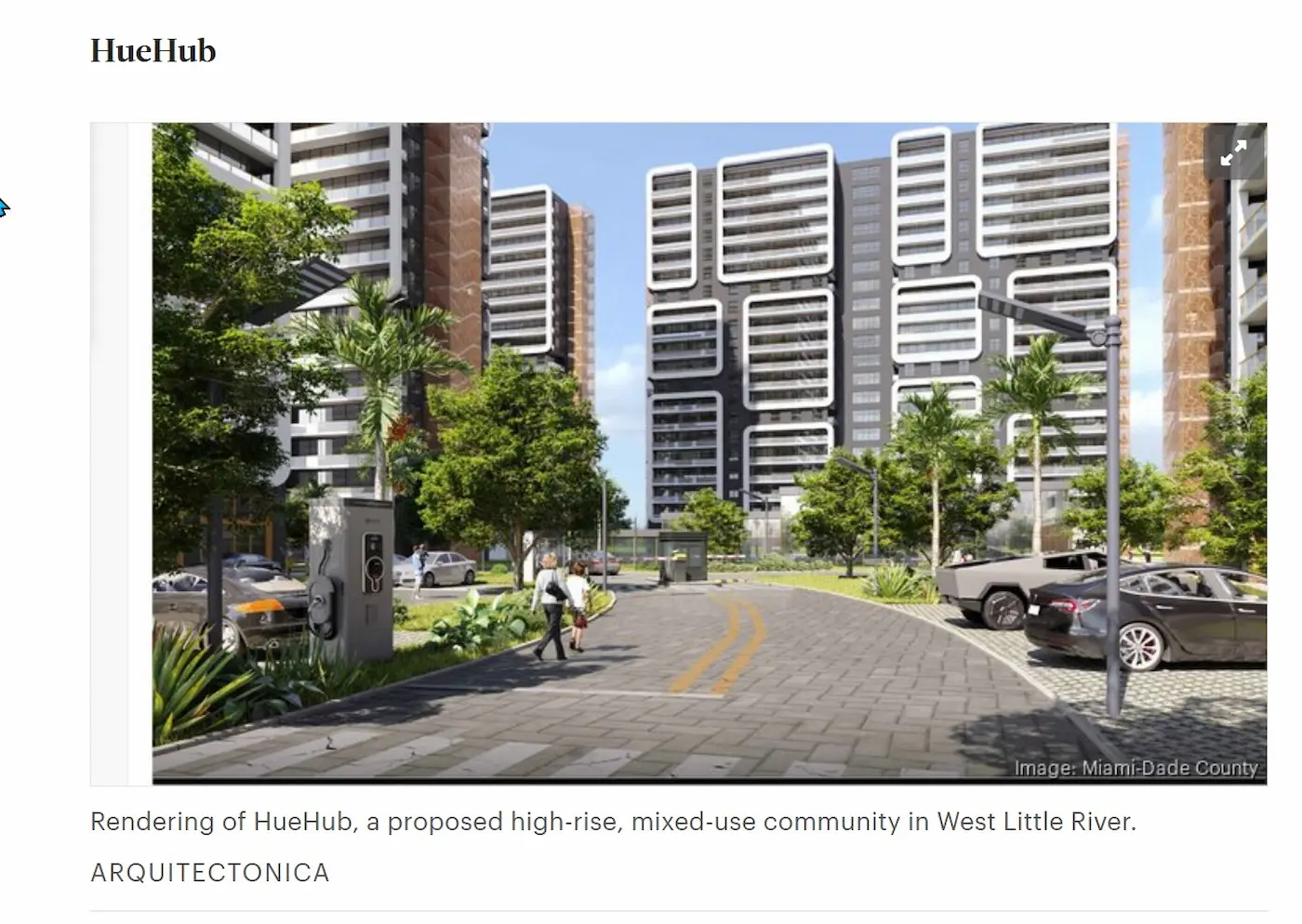
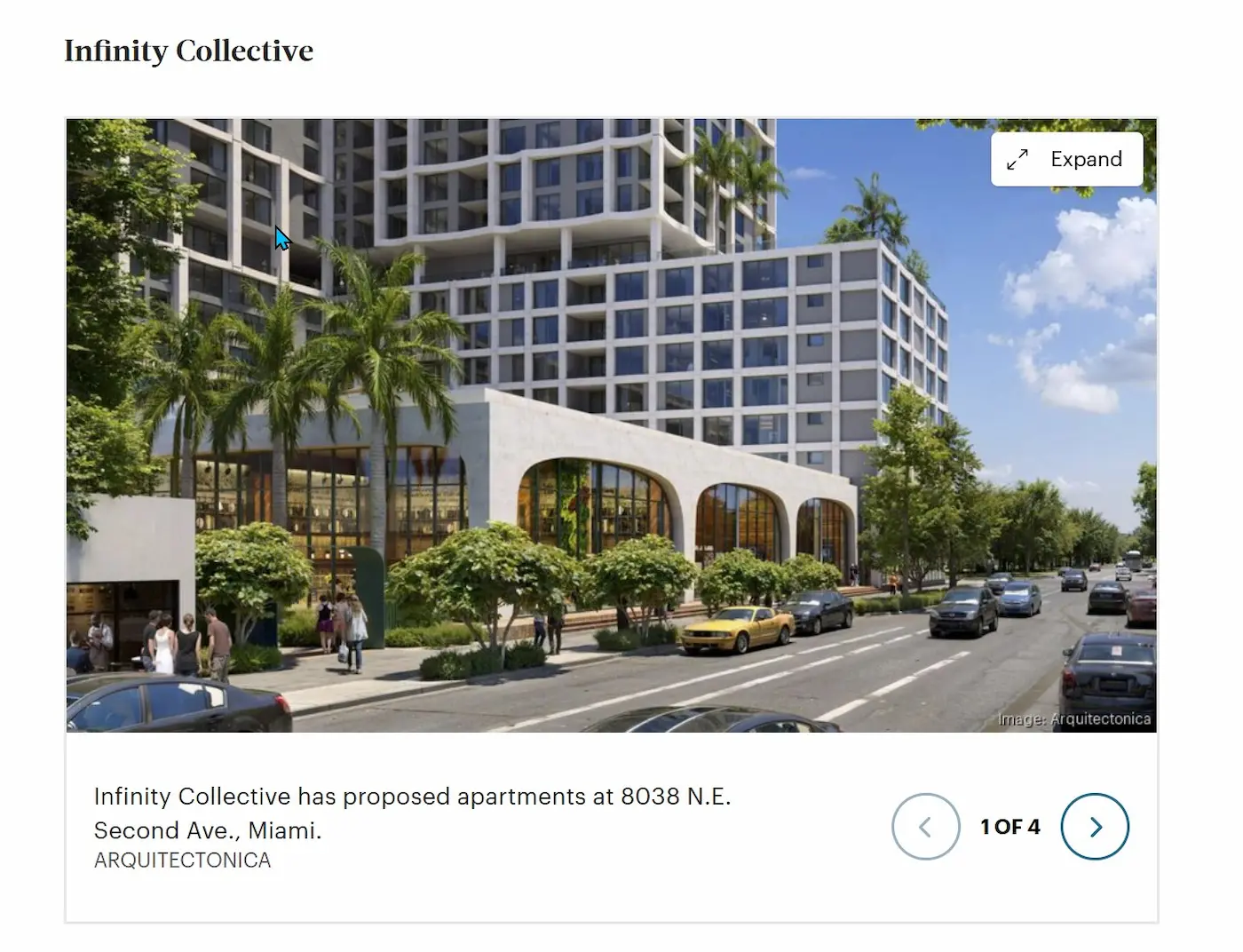
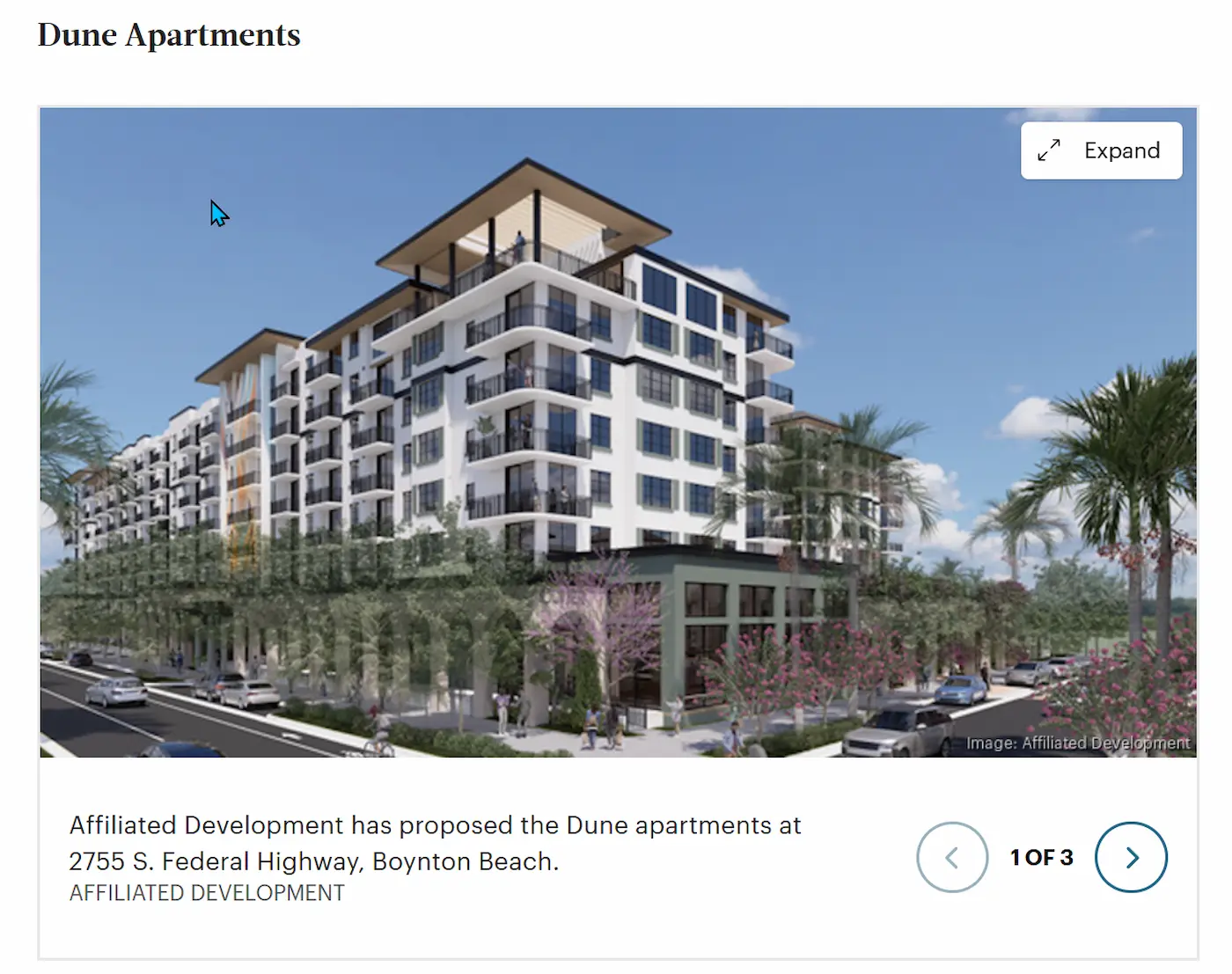
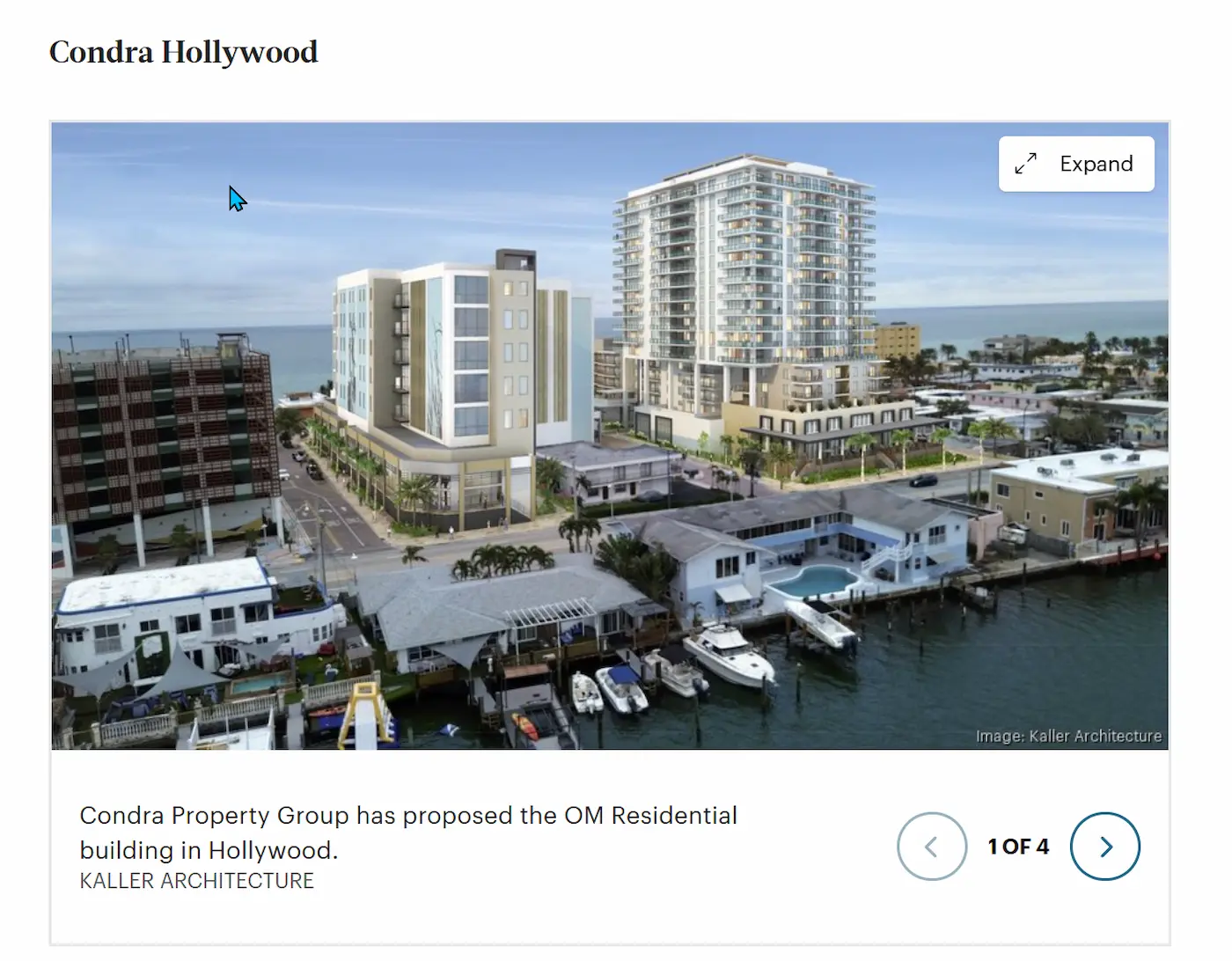
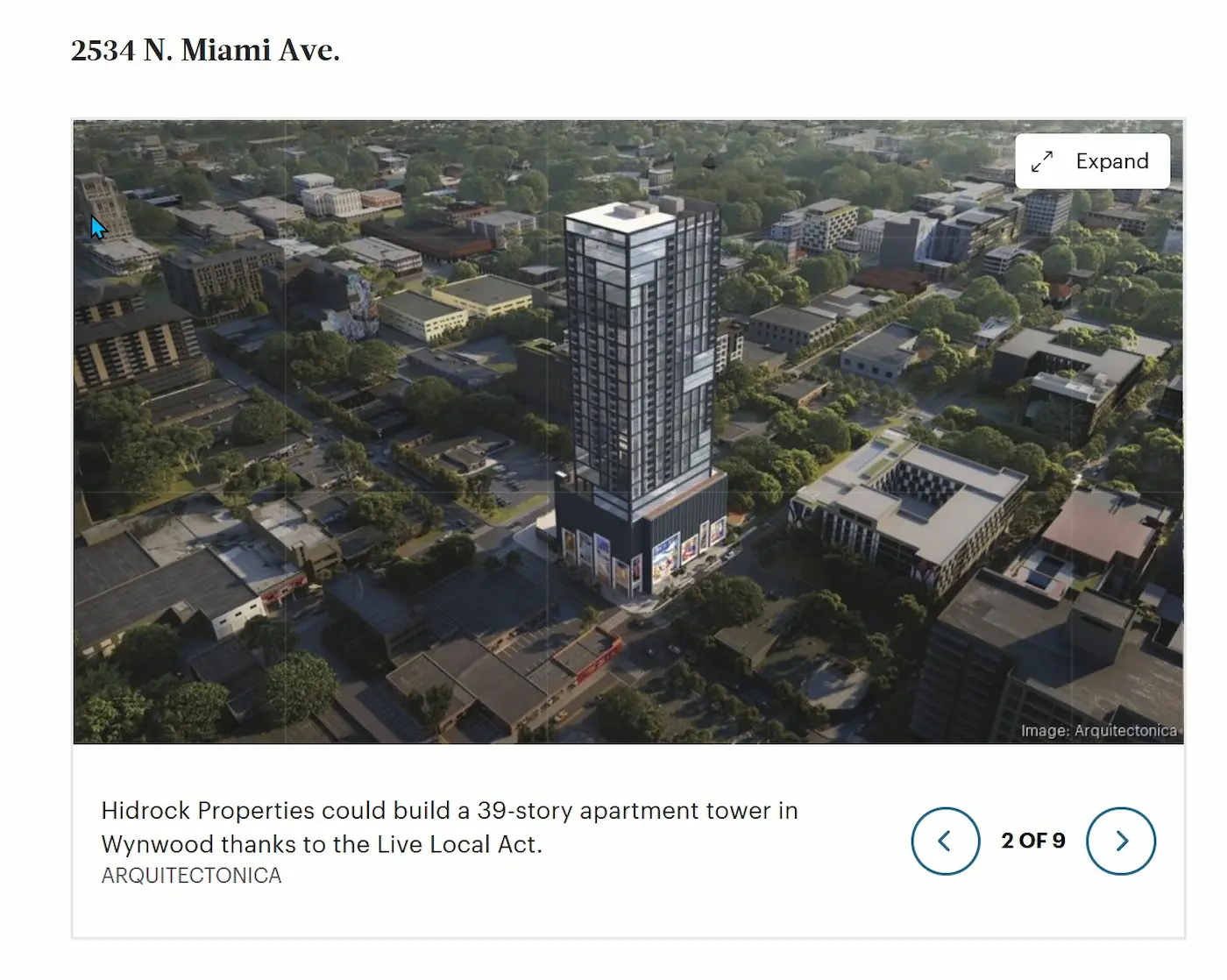
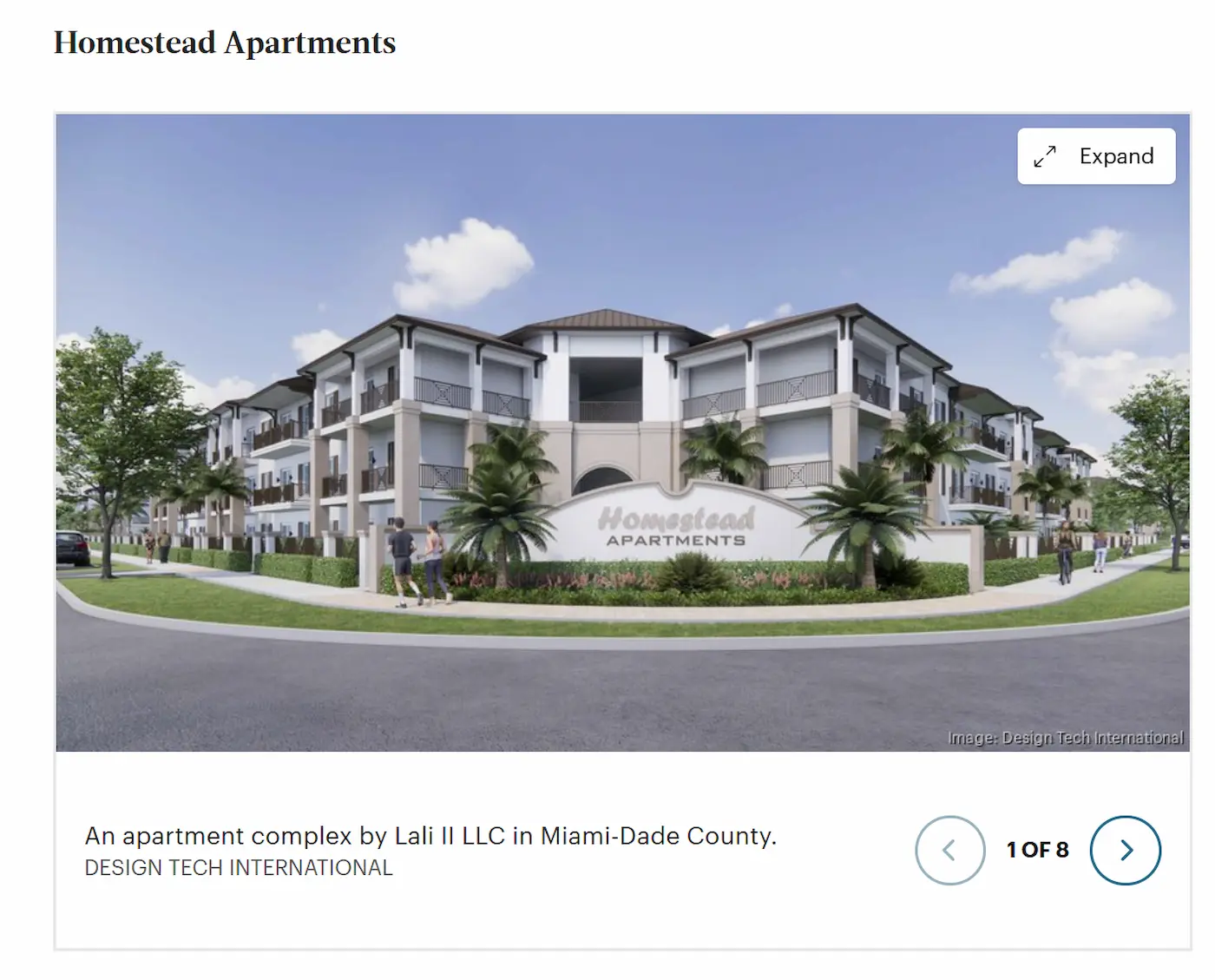
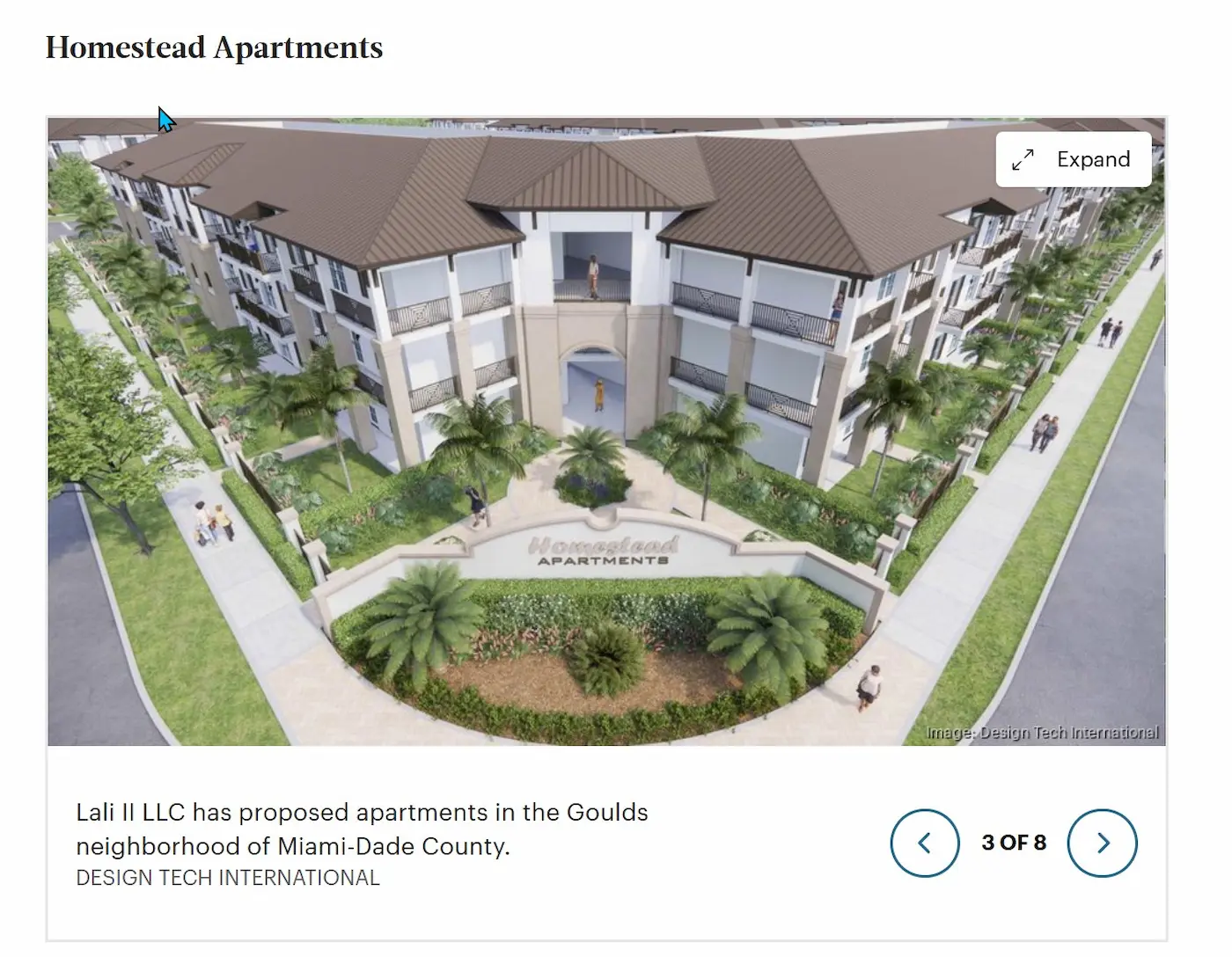
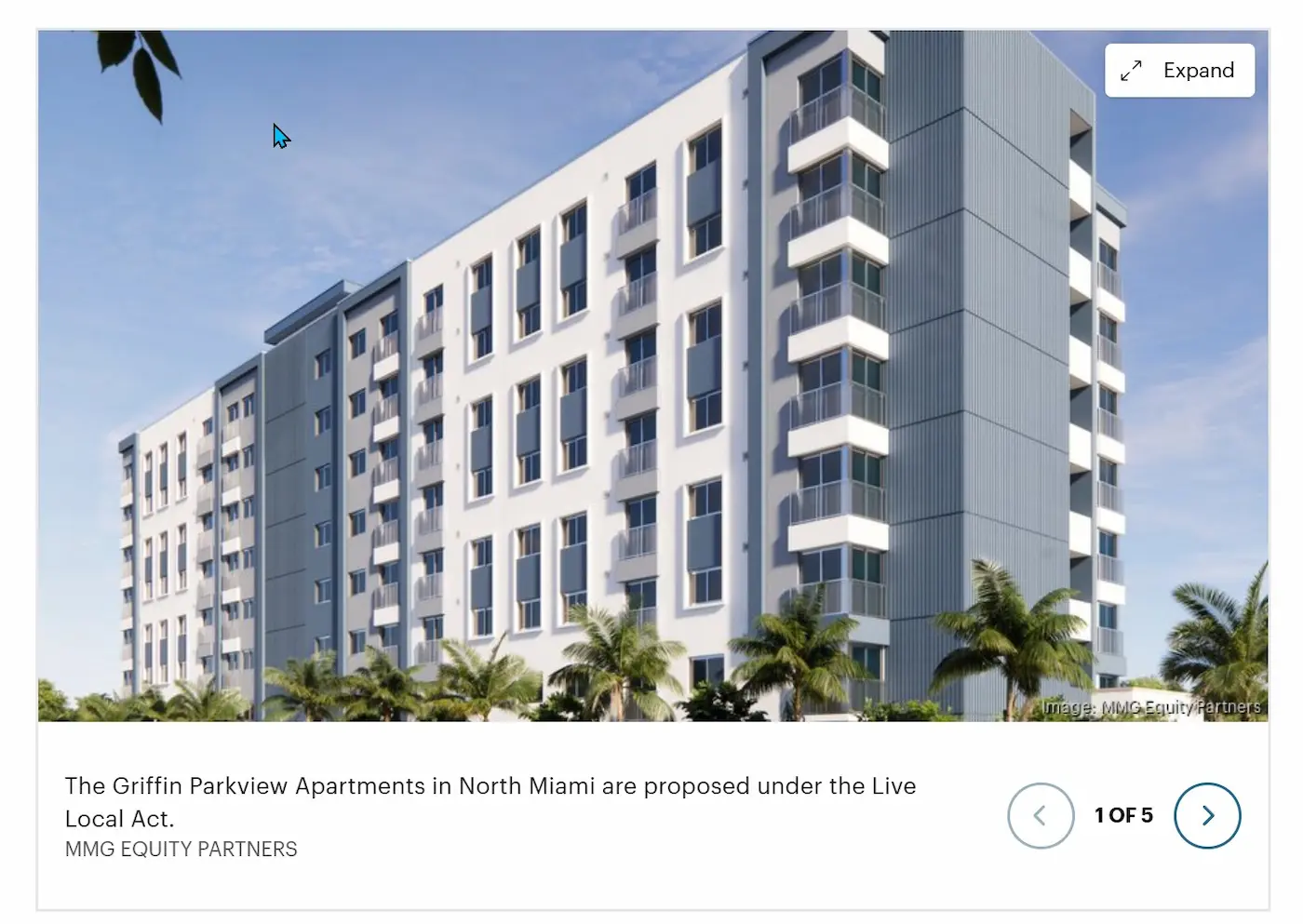
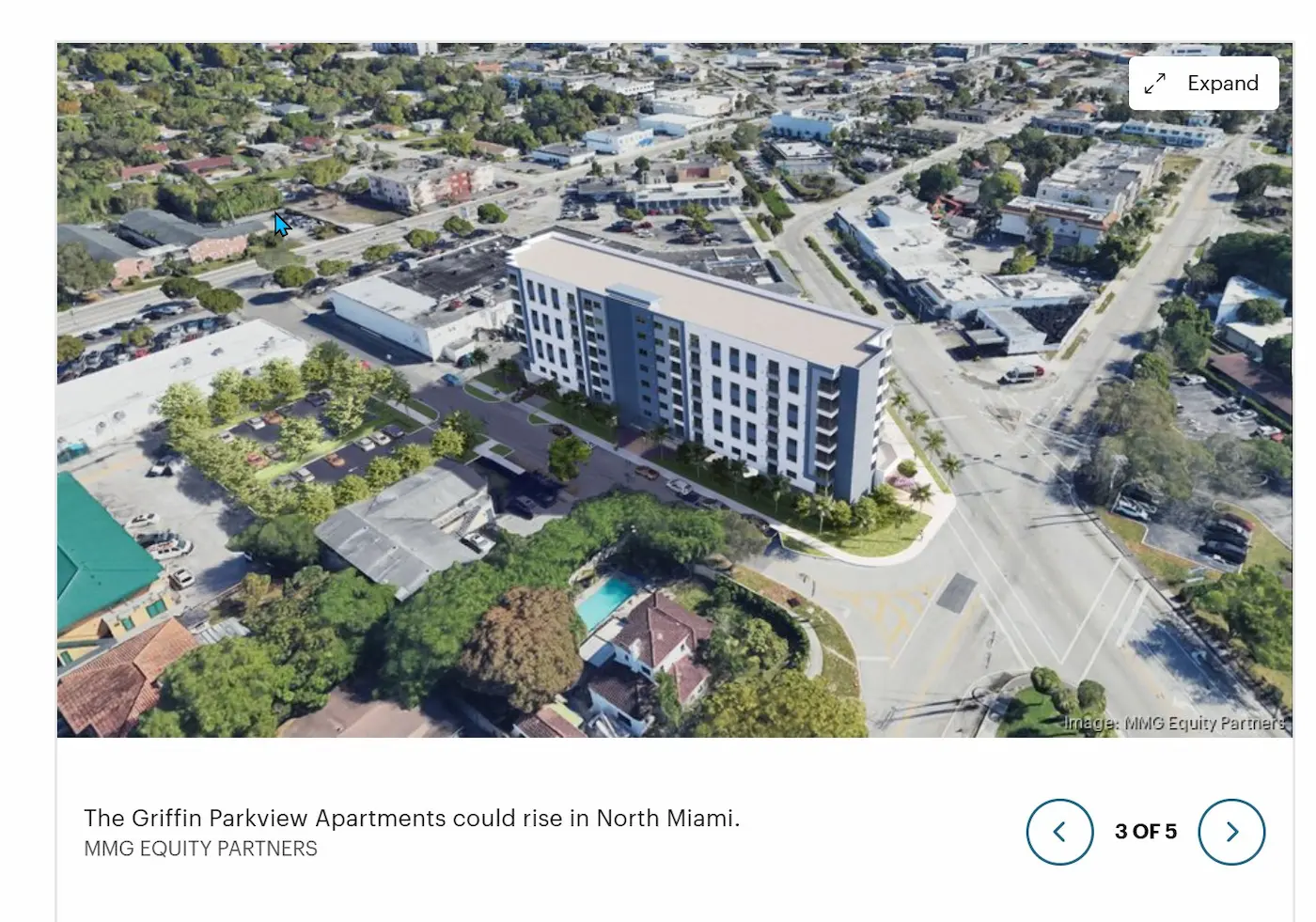
The list goes on and on. Tens of thousands of units, most of them on already urban land, many of them underutilized for years, others abandoned or with obsolete commercial uses.
Questions that no official answers
Why, then, the brutal pressure to rezone agricultural land?
Is there really a lack of urban land, or do they simply want to multiply business by extending the city and leaving the countryside at the mercy of asphalt?
At every rezoning hearing the story is the same: promises of a “solution to the housing crisis,” fine words about working families, while the big projects in the city grow – and the prices, too. Because the truth is that apartments at 120% of the median income, in practice, are not affordable for most. The salary necessary to not “drown” in rent already exceeds $110,000 a year in Miami-Dade.
Who wins with this model? The big investment funds and developers.
Who loses? The residents, who will see less green land, more traffic, less water and more heat. And most of all, the countryside, the farmers and the county’s agricultural heritage, wiped out forever.
Cement yes, but with common sense
Miami-Dade has an urban edge for a reason: to preserve fertile land, control urban chaos and ensure quality of life. Live Local” projects could be useful if focused within the city, renovating and densifying where infrastructure already exists.
Destroying what little agriculture remains is not progress. It is business for a few and loss for all.
Question for the reader:
Does it seem logical to destroy Miami-Dade’s agricultural land when there are plenty of projects and space within the urban area? Who really benefits from the county becoming a sea of concrete?
The Live Local Act: A Boost to Affordable Housing with Less Local Control
The Live Local Act (SB 102, 2023), along with its 2024 (SB 328) and 2025 (SB 1730) amendments, has transformed urban development in South Florida, especially in Miami-Dade, by prioritizing affordable housing in the face of the housing crisis.
Designed to increase the supply of affordable units for moderate-income workers, the law offers significant incentives to developers and reduces local zoning barriers. However, by overriding municipal regulations and limiting citizen participation, it has raised concerns about the loss of community control and the impact on neighborhoods.
The following is a detailed description of how the law works and its implications.
1. Administrative approval to expedite projects
Multifamily projects that set aside at least 40% of their units as “affordable” (for incomes up to 120% of area median income, AMI) for 30 years qualify for administrative (“by-right”) approval. This eliminates the need for public hearings, quasi-judicial hearings or votes by commissioners on issues such as height, density or land use. The process, handled by planning offices, seeks to speed up developments, but reduces the opportunity for residents to directly influence them.
- Source: SB 102 (2023) and SB 1730 (2025), available at www.flsenate.gov; Miami-Dade County Live Local Act Guide (2024), www.miamidade.gov; Holland & Knight, “Live Local Act Update” (2025).
- Nuance: Projects must comply with non-preemptive local regulations (setbacks, building codes). In historic districts, such as those listed in the National Register prior to 2000, additional reviews by boards such as the HEPB in Miami apply.
- Impact: Streamlining benefits developers and may increase housing supply, but the lack of public hearings has generated criticism for limiting transparency (Miami Herald, 2023).
Flexibility in land use
The law allows multifamily or mixed-use housing to be built on land zoned as commercial, industrial, or mixed-use, including properties owned by religious institutions with places of worship, without the need for rezoning or amendments to the local comprehensive plan. This expands the areas available for development, but overrides municipal master plans for land use.
- Source: SB 102 (2023), SB 1730 (2025), www.flsenate.gov; Bilzin Sumberg, “Live Local Act Amendments” (2025); Florida Housing Coalition, “Guide to Live Local Act” (2024).
- Nuance: Does not apply to single-family residential zones, coastal industrial land or protected areas (Everglades, military zones, airports). In Miami, zones such as T4-L, T5, T6, CS, CI, D1, D2 and D3 qualify for development.
- Impact: Facilitates projects on underutilized lots (e.g., older shopping centers), but may generate developments incompatible with community vision, as seen in Hollywood and Doral (Palm Beach Post, 2025).
3. Increased height and density
Developers may build to the maximum density allowed in any residential zone in the municipality and to the maximum height of a commercial or residential building within a 1-mile radius (or at least 3 stories). In neighborhoods with 25 or more single-family homes contiguous on at least two sides, height is limited to 10 stories or 150% of the height of the tallest adjacent building.
- Source: SB 102 (2023), SB 328 (2024), SB 1730 (2025), www.flsenate.gov; Nelson Mullins, “Live Local Act Overview” (2023).
- Nuance: In historic districts, municipalities may restrict height and design. Density and height are based on what is allowed as of July 1, 2023 or the least restrictive, to avoid intentional reductions by municipalities.
- Impact: Allows for larger projects, but may alter the character of neighborhoods. Safeguards in single-family areas and historic districts partially mitigate concerns (Holland & Knight, 2025).
4. Reduced parking requirements
Municipalities must reduce parking requirements by 15% for projects within ¼ mile of transit stops, ½ mile of transportation centers or with parking available within 600 feet. In areas of transit-oriented development, requirements may be eliminated entirely for mixed-use projects.
- Source: SB 328 (2024), SB 1730 (2025), www.flsenate.gov; Shutts & Bowen, “Live Local Act Parking Provisions” (2023).
- Nuance: The reduction seeks to promote sustainability and make construction cheaper, but it depends on the availability of public transportation, which in Miami-Dade is limited in many areas.
- Impact: May increase unit density, but raises congestion concerns in car-dependent neighborhoods (Miami Herald, 2023).
5. Limit on non-residential uses
Local governments cannot require mixed-use projects to include more than 10% of their floor area for non-residential uses, such as retail or offices, prioritizing housing.
- Source: SB 1730 (2025), www.flsenate.gov; Bilzin Sumberg, “Live Local Act Amendments” (2025).
- Nuance: This reduces costs for developers, but does not prohibit the inclusion of more than 10% if the project voluntarily contemplates it.
- Impact: May limit the creation of balanced communities with access to services and jobs, especially in dense urban areas (Florida Housing Coalition, 2024).
6. Limited citizen participation
Administrative approval and preemption of local regulations reduce the ability of residents to oppose projects that comply with the requirements of the law. However, safeguards exist in historic districts, single-family neighborhoods, and non-preemptive regulatory non-compliance cases.
- Source: SB 102 (2023), SB 1730 (2025), www.flsenate.gov; Holland & Knight, “Live Local Act Update” (2025); Palm Beach Post, “Live Local Act Controversies” (2025).
- Nuance: Residents can participate in reviews of projects in historic districts or challenge developments that violate specific local regulations. In addition, municipalities may conduct informal consultations, although they are not required to.
- Impact: The reduction of public hearings has generated criticism for weakening democratic control, but the law responds to NIMBYism that has historically held back affordable housing (Bohler Engineering, 2024).


7. Idle land and unused structures:
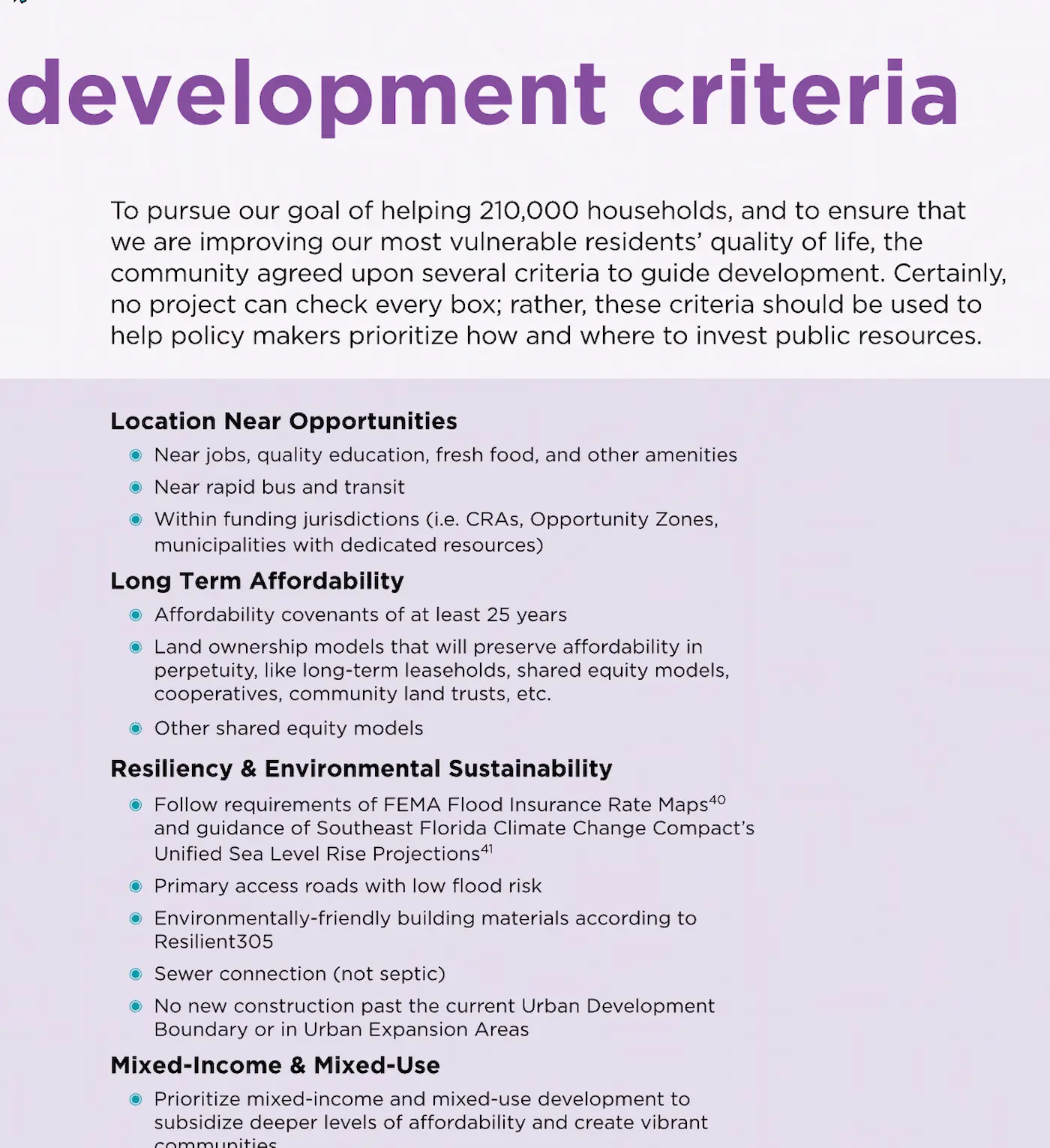
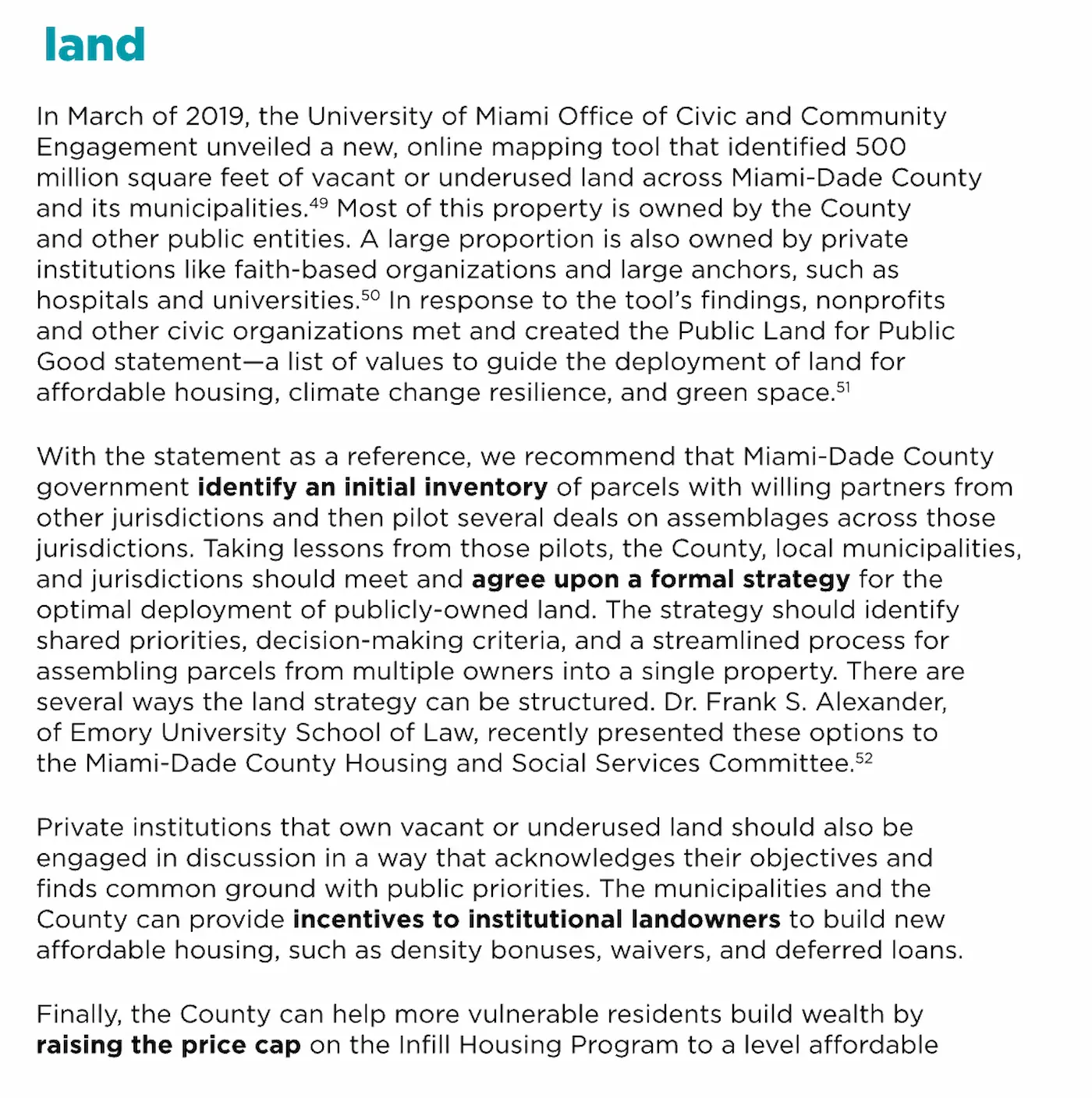
As of 2019a Miami-Dade County study has identified the existence of idle land and unused structures that could be leveraged for development. According to the report, approximately 15% of commercial and industrial land in the county (about 12,000 acres) is underutilized or vacant, while thousands of commercial properties, such as obsolete shopping centers, remain idle. The Live Local Act taps into this potential by enabling the conversion of these sites into affordable housing, aligning with the study’s findings to revitalize urban areas.
- Source: Miami-Dade County Land Use Report (2019), www.miamidade.gov/planning; Bilzin Sumberg, “Opportunities Under Live Local Act” (2023).
- Nuance: The study estimates that only 40% of these lands are viable for residential development due to environmental, infrastructure or historic zoning restrictions. In addition, implementation depends on the willingness of landowners and tax incentives offered by law.
- Impact: This approach can optimize existing land use, reducing pressure on green space, but requires planning to avoid negative impacts on surrounding neighborhoods (Florida Housing Coalition, 2024).
8. Decline of agricultural land and its economic impact.
The agricultural industry in Miami-Dade, which historically supplied the nation with fruits and vegetables during the winter months, faces a critical challenge due to the loss of arable land.
A study commissioned by the county and conducted by the University of Florida in 2023, based on data from 2017, reveals an alarming decline in agricultural acreage, threatening the economic sustainability of this industry. In 1959, the county had 48,562 hectares (120,000 acres) of agricultural land, but this figure dropped to 23,713 hectares (58,606 acres) in 2017, according to agricultural tax exemption records.
The bottom line is not ideological: it is territorial and economic. A study commissioned by Miami-Dade and conducted by the University of Florida warns that the county is approaching a critical threshold for sustaining a viable agricultural industry. The report estimates that at least 64,800 agricultural acres will be needed in 2030, 60,900 in 2040 and 56,300 in 2050. If the loss of agricultural land continues, Miami-Dade could fall below the critical mass needed to sustain its agriculture as a real, not merely symbolic, economic sector.
In many cases it operates through traditional channels: amendments to the CDMP, zoning changes, declarations of restrictions and workforce housing promises. It is therefore crucial not to confuse the legal mechanisms, although the political discourse is similar.
- Source: University of Florida, Miami-Dade Farmland Report (2023), www.miamidade.gov/planning; U.S. Census of Agriculture (2017), www.nass.usda.gov; Miami-Dade Mayor’s Memorandum, Daniella Levine Cava (2023).
- Nuance: 35% of arable land is currently devoted to nursery and ornamental plants, 38% to vegetables and 27% to fruit orchards. In 2017, the county’s 2,752 farms generated USD 830 million in sales and accumulated USD 3.25 billion in assets, but have lost more than 10% of their acreage in the last six years. Factors such as climate change, urbanization and lack of farm incentives contribute to this trend.
- Impact: Although 89% of production is exported to the Northeast, Central U.S. and Canada, injecting revenue into the local economy, the conversion of agricultural land to urban development poses a dilemma. The Live Local Act could accelerate this loss if the 12,000 acres of idle land identified in 2019, whose limited viability (40%) and unwillingness of landowners delay its use in the face of expansion into agricultural areas, is not prioritized.
9. Strategies to preserve agriculture
The University of Florida report, requested by the county commission in May 2022, proposes five recommendations to strengthen the agricultural industry, which employs 12,836 workers:
- (1) maintain the Urban Development Boundary guidelines to restrict urban sprawl and conserve agricultural areas;
- (2) lobby state and federal authorities for trade agreements that protect local producers;
- (3) coordinate a more accessible agricultural guest worker program;
- (4) provide continued county support for agriculture; and
- (5) collaborate with regulators to adjust water management regulations in the face of climate change and sea level rise.
- The Comprehensive Development Master Plan designates 27,940 hectares (69,072 acres) for agricultural use through 2040, but reversing the conversion of agricultural land to urban development remains a challenge.
- Source: University of Florida, Miami-Dade Farmland Report (2023), www.miamidade.gov/planning; Miami-Dade Comprehensive Development Master Plan (2023), www.miamidade.gov/planning.
- Nuance: Technologies such as salmon aquaculture near Homestead could reduce reliance on large tracts of land, but do not fully compensate for the loss of traditional crops.
- Impact: These measures could mitigate pressure on agricultural land, but their success depends on implementation and prioritizing idle land before sacrificing more arable land.
The study of vacant and inadequately used land in Miami-Dade was conducted by the University of Florida. According to the report, approximately 12,000 acres of underutilized or vacant commercial and industrial land were identified within the city’s built-up boundary.
The reasons why these lands have not been used before eliminating agricultural farmland include several limitations: the viability of only 40% of these lands due to environmental, infrastructure or historical zoning restrictions; the unwillingness of landowners to develop them; and the absence of sufficient fiscal or economic incentives for their reconversion. In addition, urban planning and resistance to changes in land use have delayed their use, in some cases prioritizing expansion into agricultural areas instead of revitalizing these idle spaces.
Benefits and criticisms in the Miami-Dade context
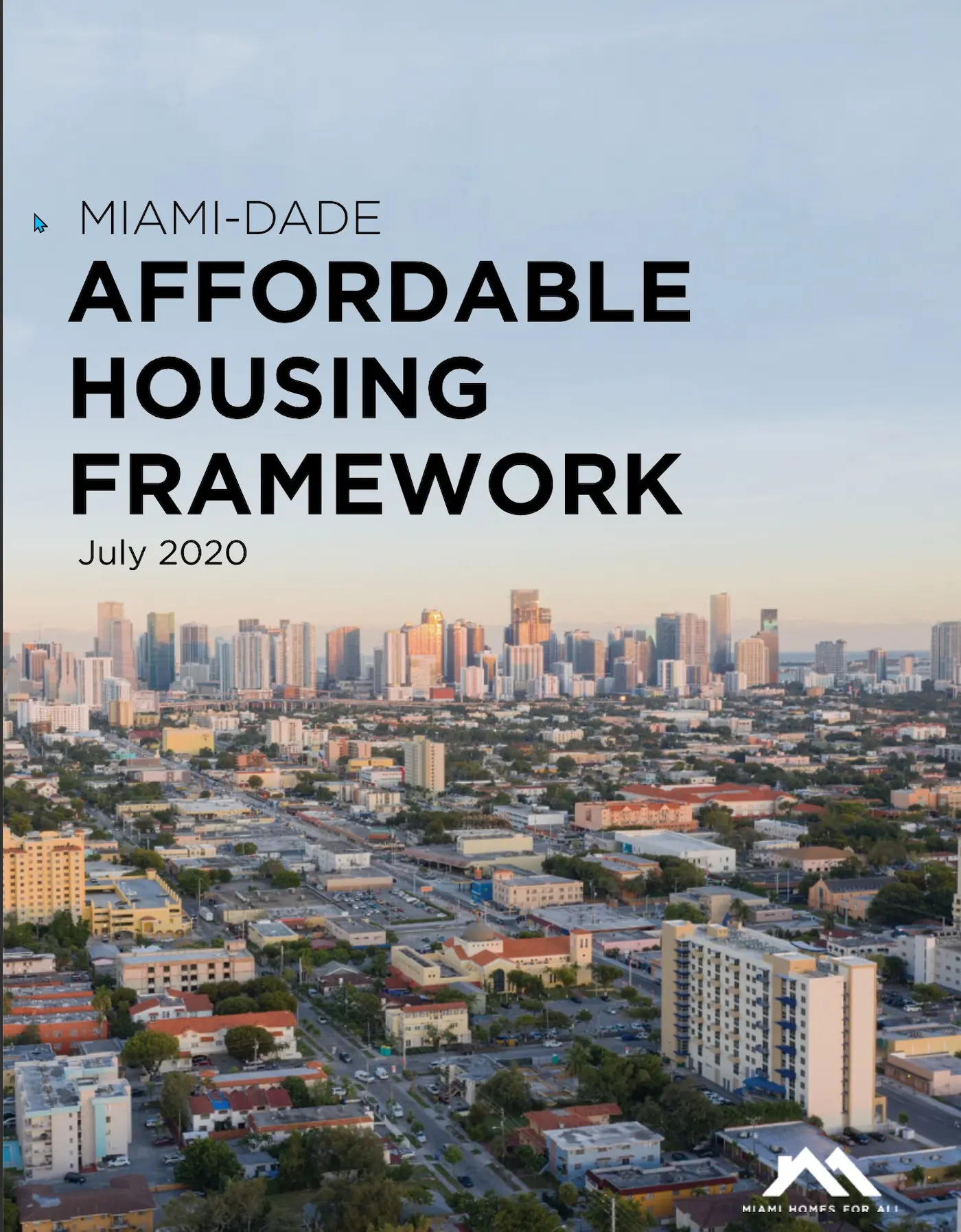
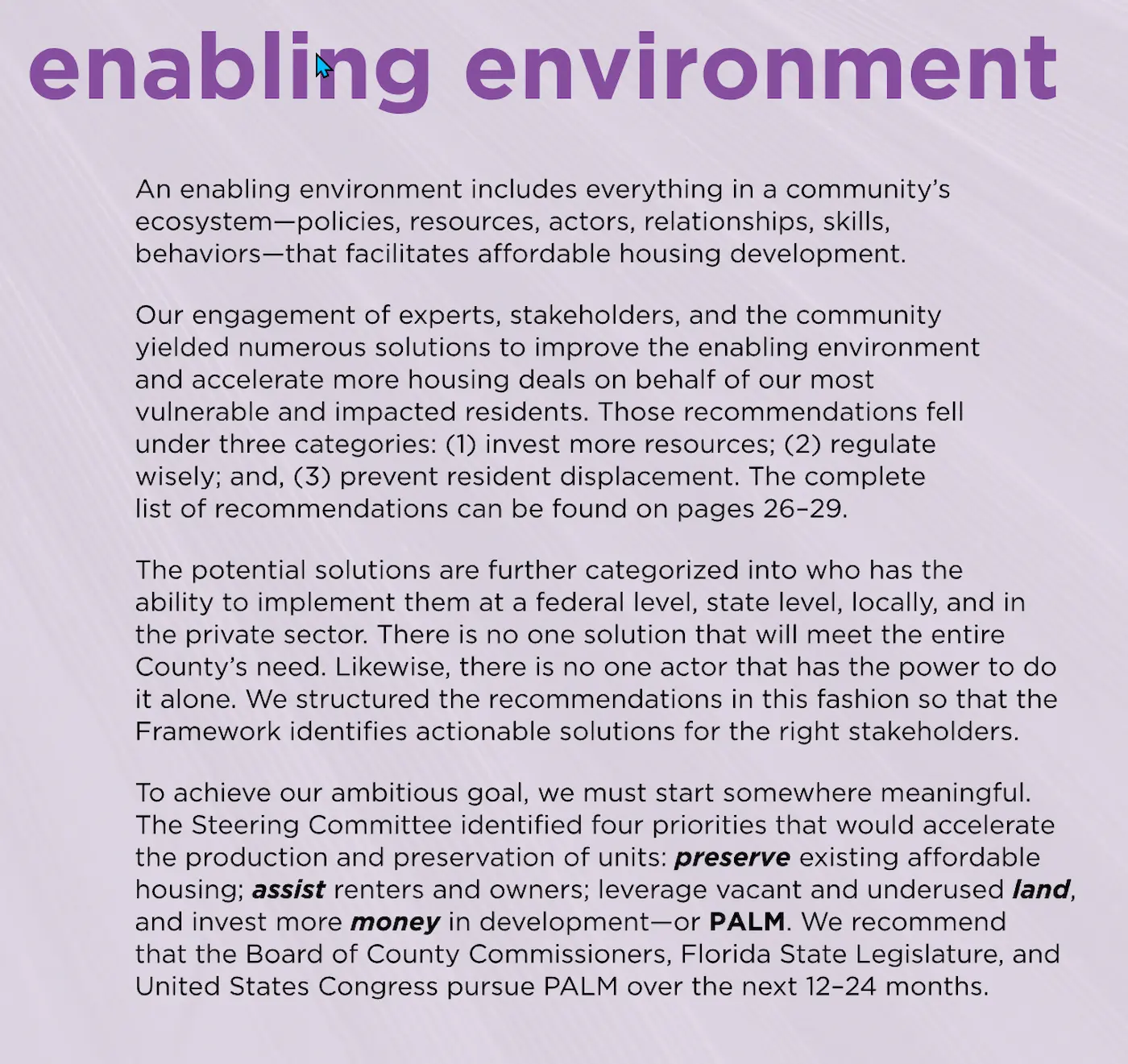
The Live Local Act seeks to address the housing crisis in Florida, where the cost of housing in Miami-Dade has outpaced the incomes of many essential workers. With $811 million allocated to affordable housing programs, the law has facilitated projects such as those reported by Bohler Engineering (2024), approved in less than a month.
In 2025, Miami-Dade’s official limits show that 120% of AMI equals $104,160 for one person, $118,920 for a two-person household, $133,800 for three, and $148,680 for four. That means that an “affordable” unit under certain legal parameters may be targeted to households with incomes well above those of many essential county workers.
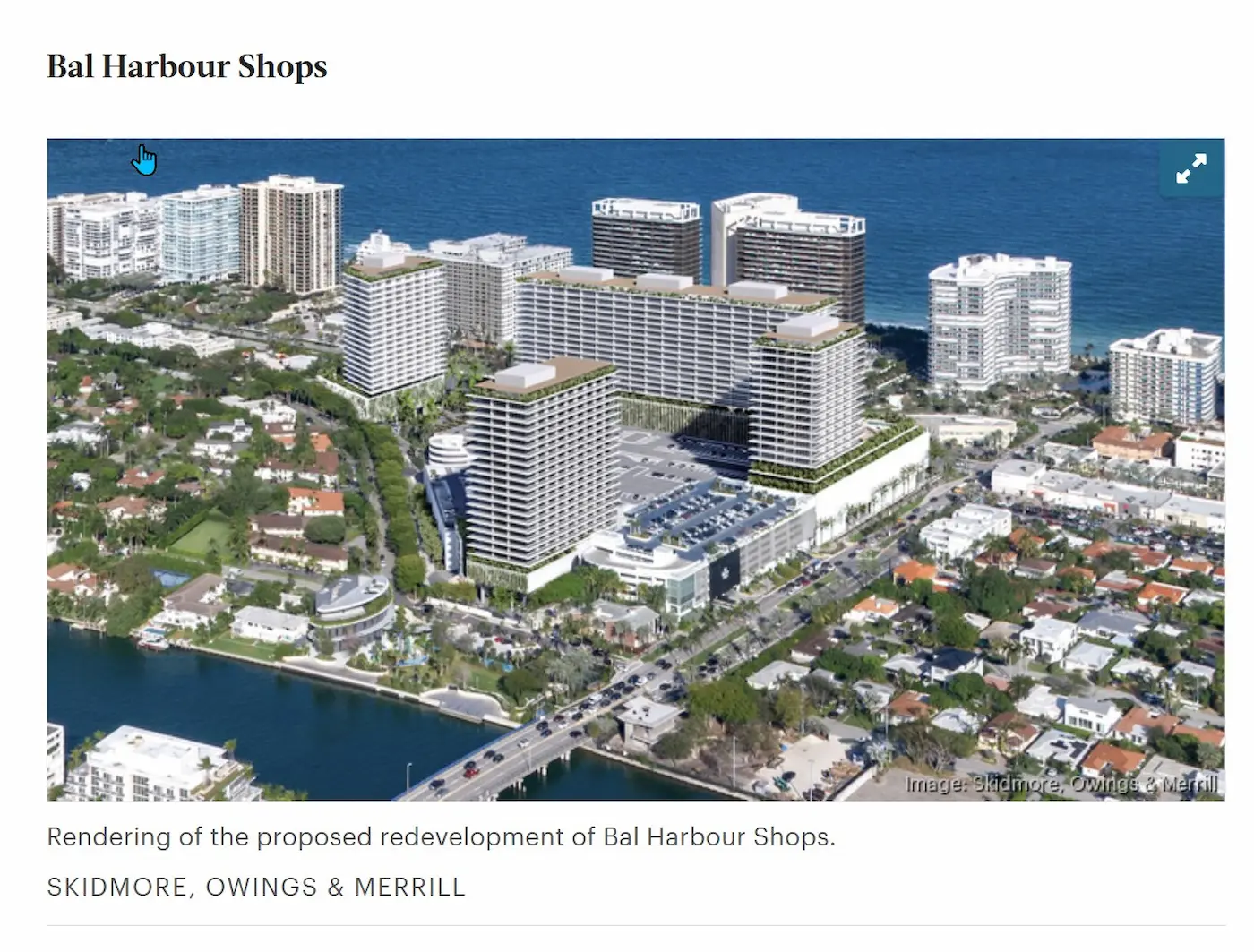
On the other hand, state preemption has generated resistance in cities such as Hollywood, Bal Harbour , Miami Beach, Homestead, Doral, where residents and local officials feel they are losing control over development (Miami Herald, 2023).
Safeguards in single-family neighborhoods and historic districts offer some protection, but do not fully address concerns about neighborhood transformation.
The Florida Housing Coalition (2024) supports the law, but advocates a balance between state goals and local needs.
The Live Local Act offers an ambitious solution to the housing crisis, granting flexibility to developers to build more affordable units. However, by limiting local control and citizen participation, it poses challenges to maintaining community character and democratic debate.
While it does not leave citizens completely defenseless, it does significantly reduce their influence, requiring a more inclusive approach to implementation.
For detailed information, see the legislative texts at www.flsenate.gov and resources from the Florida Housing Coalition at www.flhousing.org.
Live Local projects proposed, approved or under review in Miami-Dade – and agricultural files to be analyzed separately
1. Beacon Hill at Princeton (Homestead)
- Location: South Dixie Highway, Princeton, Miami-Dade.
- Details: 112 apartments (100% workforce housing), three-story buildings. All units income restricted (maximum 120% AMI), rents below local average.
- Developer: Beacon Hill Property Group (Matthew Martinez and David Rothenstein).
- Status: Construction started in 2025, completion scheduled for 2026.
- Zoning: Did not use the maximum flexibility of the law, as it conforms to existing mixed zoning, but receives tax incentives and administrative approvals from the Live Local Act.
- Significance: It is considered a model of development on a modest scale, avoiding the controversy of megaprojects.
2. Sunset Drive Tower (South Miami)
- Location: 5950 Sunset Drive, South Miami.
- Details: 236-unit residential tower, second approved under the Live Local Act in Miami-Dade.
- Status: Approved in April 2025, start of construction not confirmed.
- Zoning: Used the Live Local Act for administrative approval and probable flexibility in height/density, although full details have not been published.
3. Holland Park / The HueHub (West Little River)
- Location: 8400 NW 25th Ave, Miami-Dade unincorporated.
- Details: 3,233 units (6 towers of 26-37 stories), 57,000 ft² of retail, 1,293 workforce housing units (40%).
- Developer: Designed by Arquitectonica, known as “HueHub”.
- Status: Application submitted in June 2024, administratively approved. Start of construction not confirmed.
- Zoning: Maximum use is made of the density and height prerogatives of the law, ignoring local restrictions.
The Bluenest files reviewed for the July 17, 2025 hearing appear in the county’s official notice as CDMP amendment applications and zoning applications, not as administrative approvals under the Live Local Act. In addition, Miami-Dade’s guidance on Live Local excludes Agricultural/AU, Open Land and Environmental Protection designations from the Act’s ordinary applicability. Therefore, Bluenest can be part of the workforce housing, rezoning and agricultural land pressure debate, but should not be presented as a Live Local project unless an official county document expressly identifies it as such.
Bluenest files – must be analyzed separately from Live Local
Bluenest at Krome
Location: south of SW 272 Street, between Krome Avenue/SW 177 Avenue and SW 172 Avenue.
Size: approximately 91.48 acres.
Docket: CDMP20240015, processed concurrently with Z2024000241.
Request: change designation from “Estate Density Residential” and “Business and Office” to “Low-Medium Density Residential” and “Business and Office”, plus add a Declaration of Restrictions if accepted by the Board.
Bluenest Orange
Location: north of SW 268 Street and east of SW 154 Avenue.
Size: approximately 27.60 acres.
Docket: CDMP20240016, processed concurrently with Z2024000242.
Request: change designation from “Estate Density Residential” to “Low-Medium Density Residential”.
Bluenest Roatta
Location: east side of SW 130 Avenue, between SW 226 Street and SW 224 Street.
Size: approximately 8.96 acres.
Docket: CDMP20240017, processed concurrently with Z2024000243.
Request: change designation from “Estate Density Residential” to “Low-Medium Density Residential”.
The Live Local Act can be useful when it directs housing to obsolete commercial corridors, vacant shopping centers, underutilized industrial land, abandoned urban lots, and areas with existing infrastructure. But it should not become a political curtain-raiser to weaken agricultural protection or normalize rezonings that transform rural or low-density land into permanent development.
Miami-Dade cannot solve a housing crisis by destroying the land base that supports its agriculture, its natural drainage, its rural identity and part of its local economy. The question is not whether housing should be built. The question is where, under what rules, with what infrastructure and at whose expense.
First, cement where there is already a city. Then, if there is a real public need, full technical studies. What cannot be accepted is using the word “affordable” to justify every expansion on the last fertile land in the county.
Verified sources
- Here are some of the most significant Live Local Act projects in South Florida
- 37-story Live Local Act project planned in Miami with 3,200 housing units
- Unlocking Hidden Density: How Housing Policy is Reshaping South Florida’s Development Landscape
- First Live Local Act project approved in Miami-Dade County. All the details.
- Live Local Act Mega-Project Planned in South Florida
- “2025 Florida Live Local Act (SB1730) Passed: Updates and Impacts.”
- 2025 Florida Live Local Act (SB1730) Passed: Updates and Impacts | Insights & Events
- 2025 Updates to Florida’s Live Local Act
- Florida Legislature Amends Live Local Act’s Land Use Provisions
- City of Miami Is First to Publish Updated Live Local Act 2024 (SB328) Policies and Procedures
- Five key findings from Miami-Dade County’s affordable housing …, accessed July 7, 2025, https://news.ufl.edu/2023/12/miami-housing-study/
- Broward County Affordable Housing, accessed July 7, 2025, https://broward-county-housing-affordability-bcgis.hub.arcgis.com/pages/affordability
- Current and 10-Year Affordable Housing Demand Report for Palm …, accessed July 7, 2025, https://discover.pbcgov.org/HED/PDF/10-Year%20Affordable%20Housing%20Demand%20Report%20for%20PBC.pdf
- Five key findings from Miami-Dade County’s affordable housing analysis, accessed July 7, 2025, https://www.miamihomesforall.org/media/five-key-findings-from-miami-dade-countys-affordable-housing-analysis
- Florida Live Local Act 2025: Key Amendments for Multi Family Real Estate, accessed July 7, 2025, https://walterduke.com/floridas-updated-live-local-act-how-the-2025-amendments-impact-your-multi-family-real-estate-projects-branded/
- 2025 Updates to Florida’s Live Local Act | Insights – Holland & Knight, accessed July 7, 2025, https://www.hklaw.com/en/insights/publications/2025/07/2025-updates-to-floridas-live-local-act
- Walter Duke + Partners: Florida’s Proven Appraisal & Valuation Experts, accessed July 7, 2025, https://walterduke.com/florida-commercial-real-estate-valuation/.
- Florida Multifamily Investment Impacted by Rising Insurance Costs, accessed July 7, 2025, https://www.atriummanagement.com/blog/florida-multifamily-investment-impacted-by-rising-insurance-costs.
- Farmland in Miami-Dade declines threatening economic viability
Interested in this topic? Read the next article and stay informed about everything that affects our community. Visit our home page: newsmiamidade.com/en