
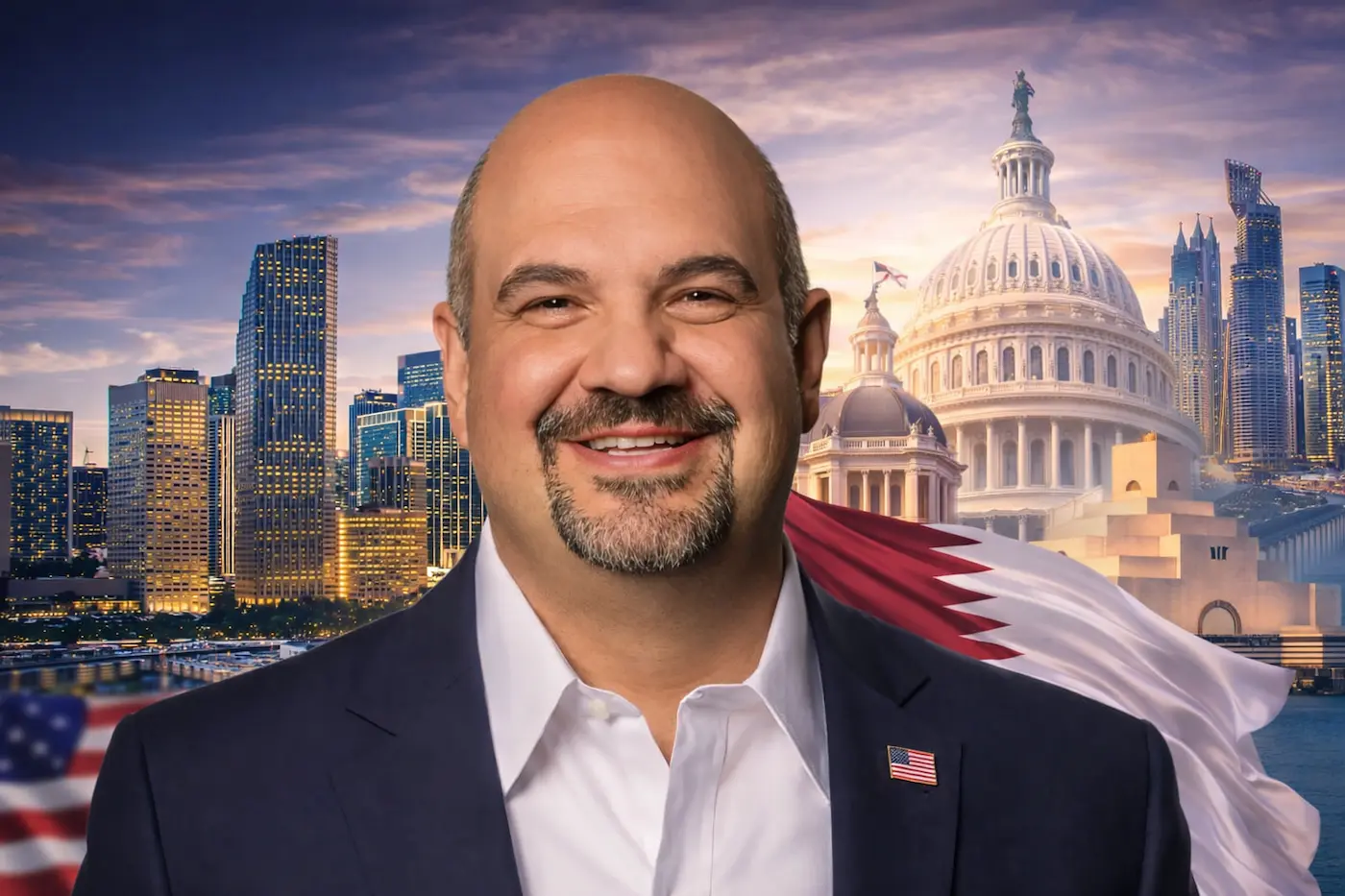
Christian Ulvert and the power behind the power in Miami-Dade. Christian Ulvert is not an elected official, BUT
In Miami-Dade, the visible power has familiar names: the mayor, the commissioners, the candidates, the big donors and the developers who appear before local government. But there is another power that is less visible and often more decisive: those who order campaigns, control messages, align interests and facilitate access.
Christian Ulvert occupies a central place in this field.
Although he does not hold elected office, his name appears again and again at the point where campaigns, PACs, fundraising, public relations and access to power intersect. The publicly available evidence does not present him as a minor player. It presents him as one of the most influential operators in the Miami-Dade political ecosystem.
Christian Ulvert, Qatar and the invisible power that moves Miami-Dade politics.
William Rubin: the institutional door
The story doesn’t just start with Christian Ulvert. It also goes through William D. Rubin, founder of Rubin Turnbull & Associates, a lobbying and government relations firm with a presence in Tallahassee, Miami, Fort Lauderdale and Washington.
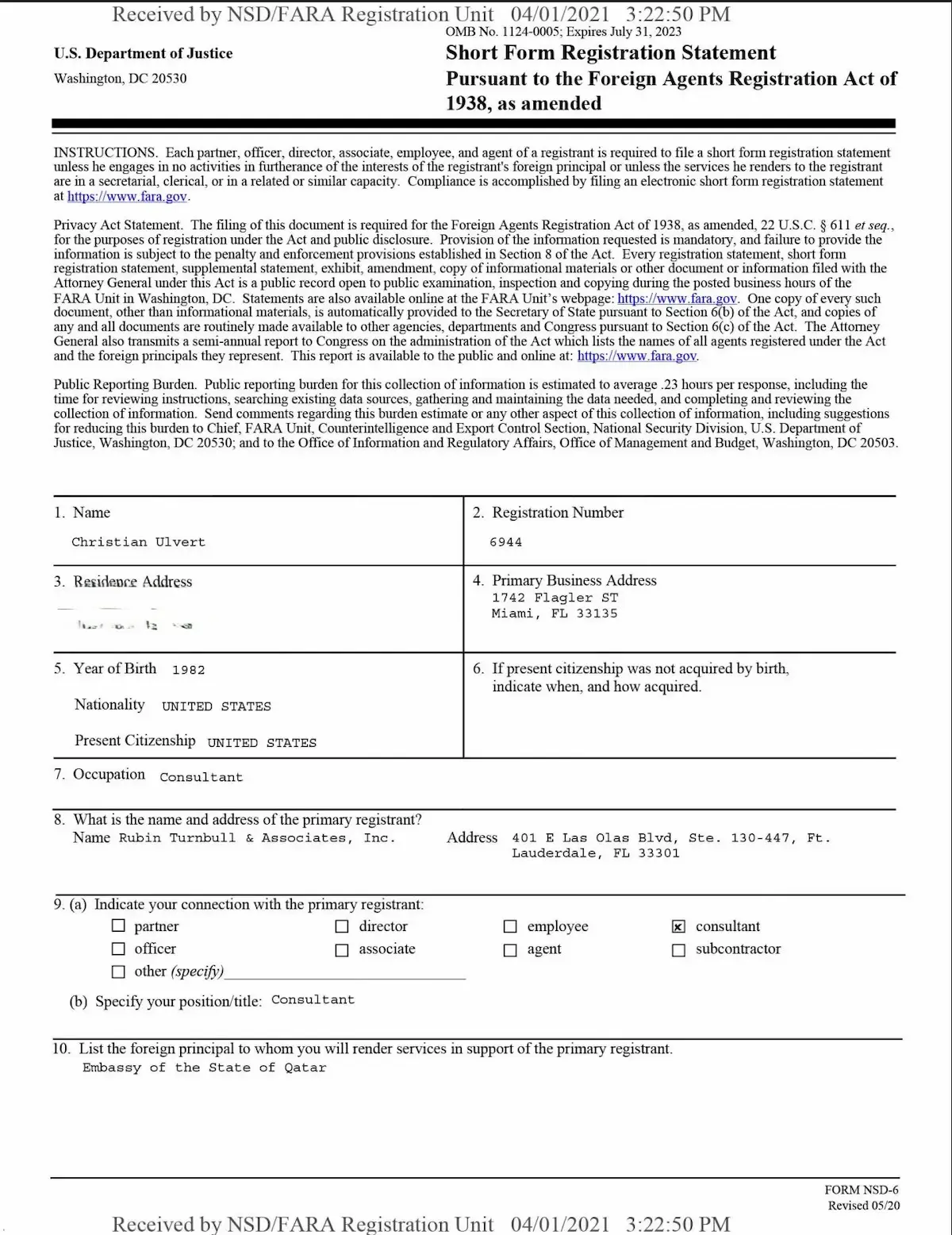
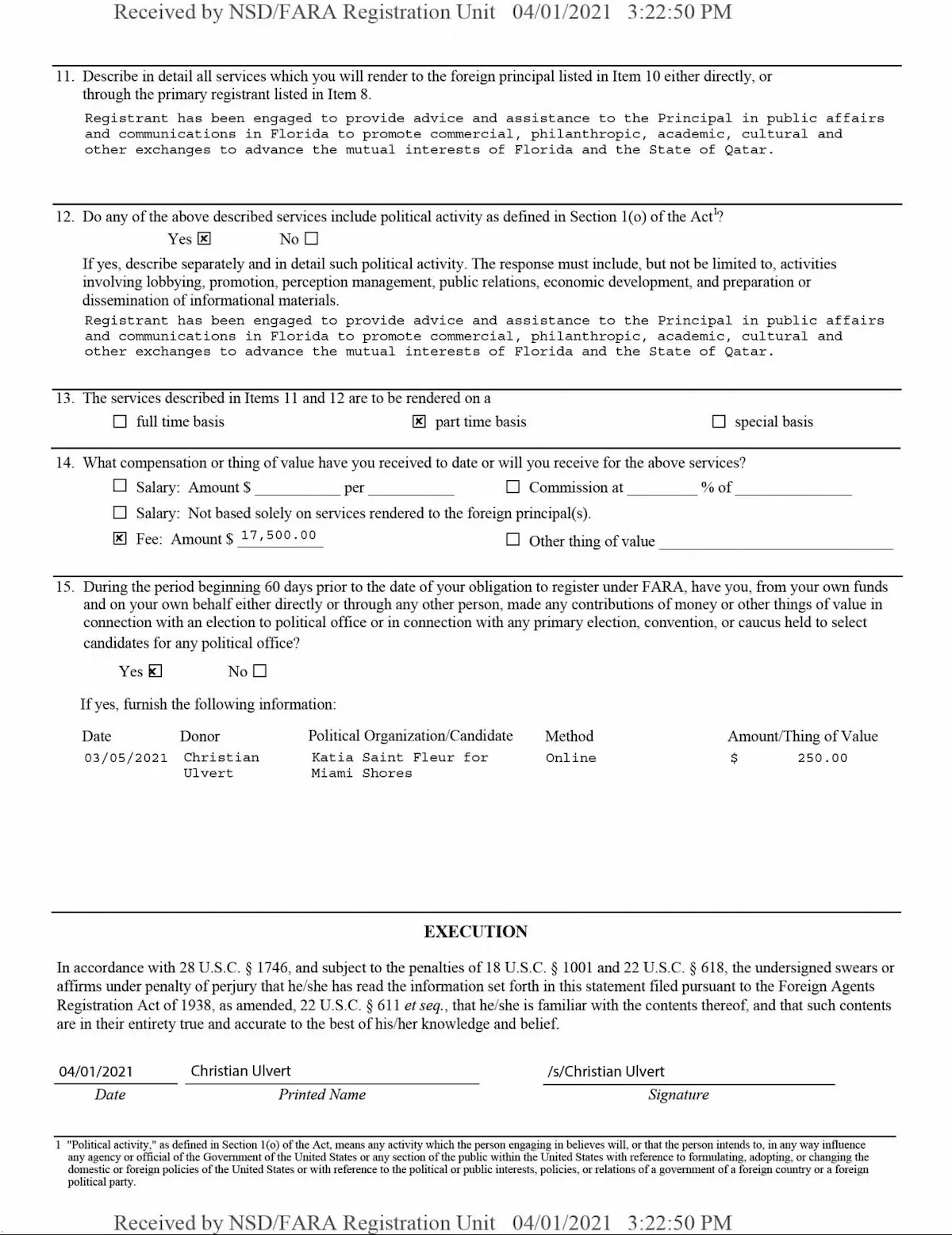
Rubin represents the institutional and contractual structure. His signature appears in the federal FARA system as registrant for the Embassy of the State of Qatar. Christian Ulvert also appears in the same file through short form forms submitted under the same structure.
That places Rubin as the formal gateway to the link with Qatar, and Ulvert within the mechanism registered with the federal government.
The link with Qatar is not a rumor: it is documented.
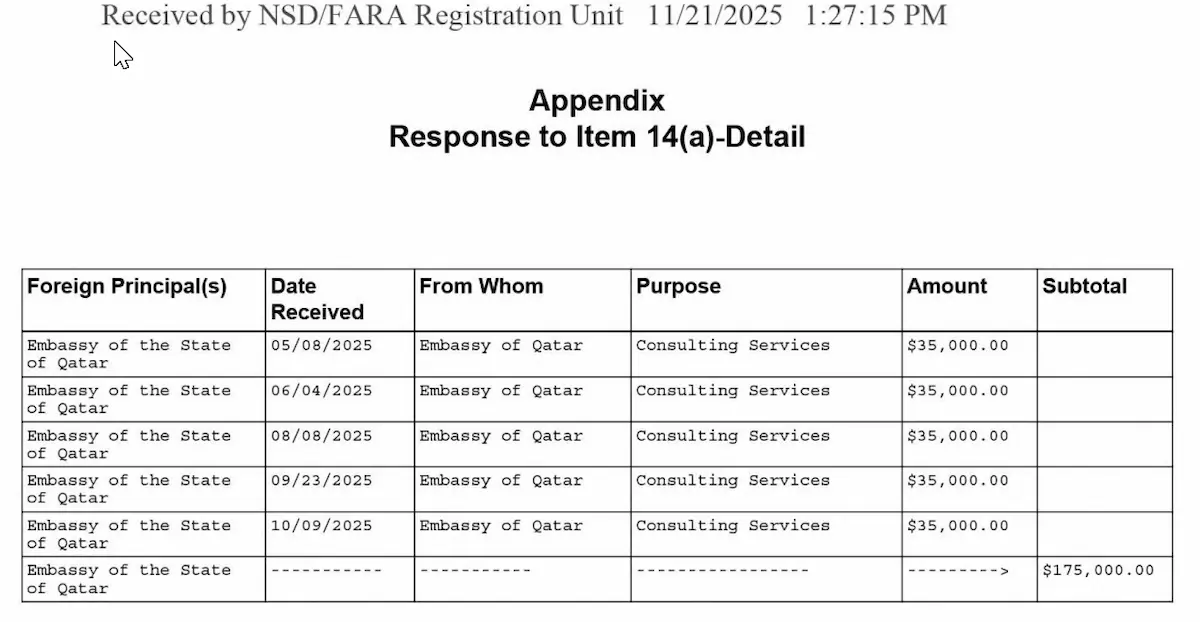
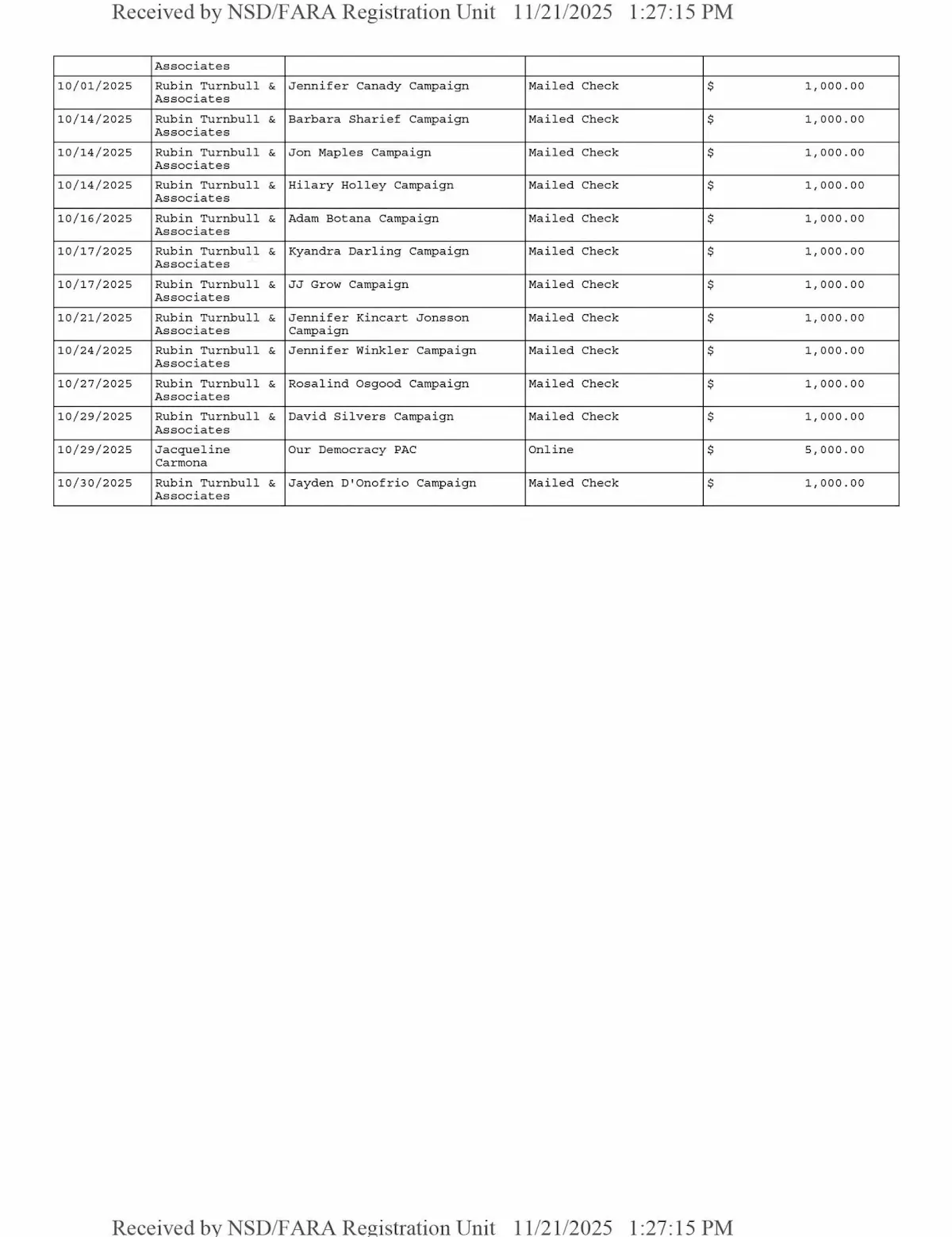
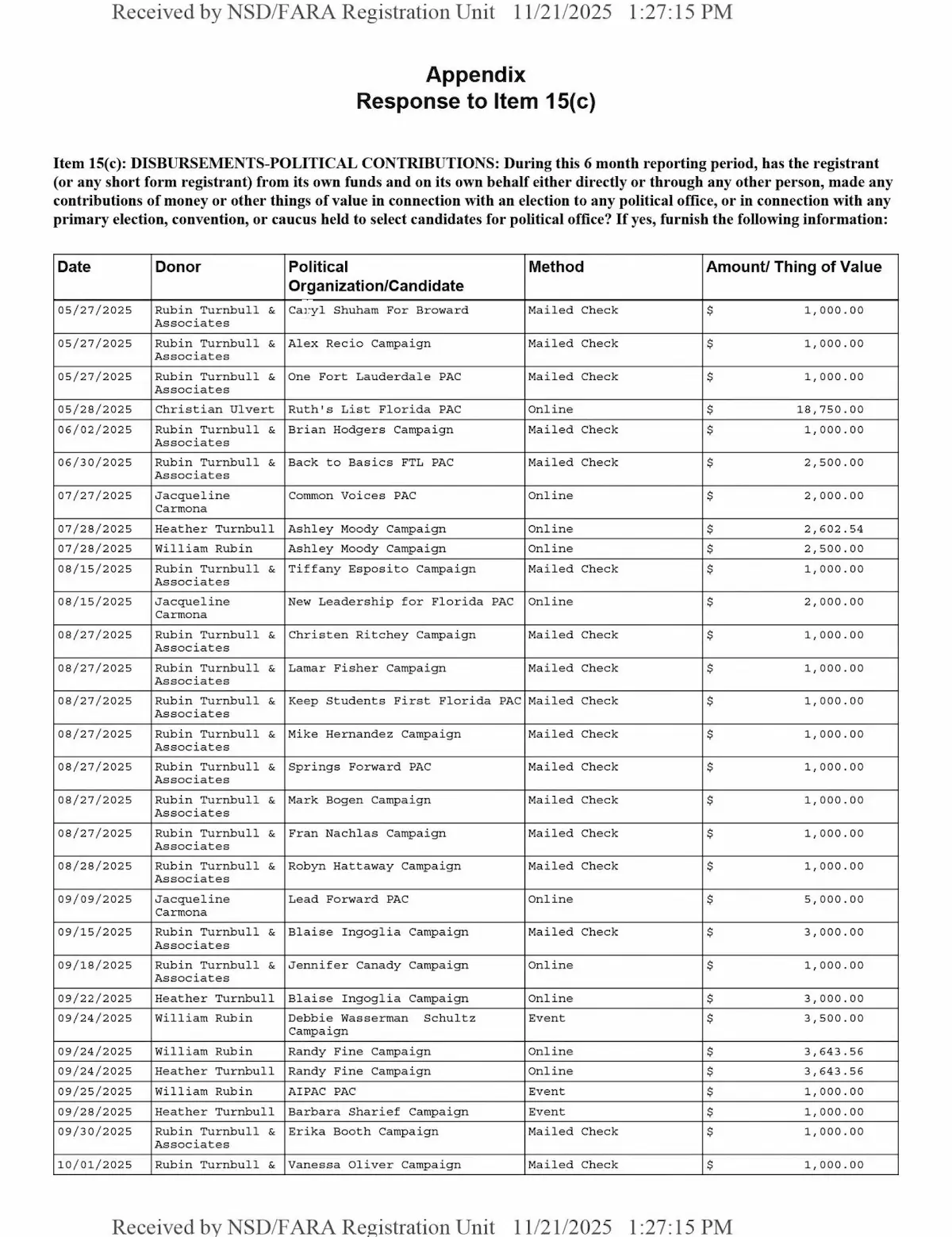
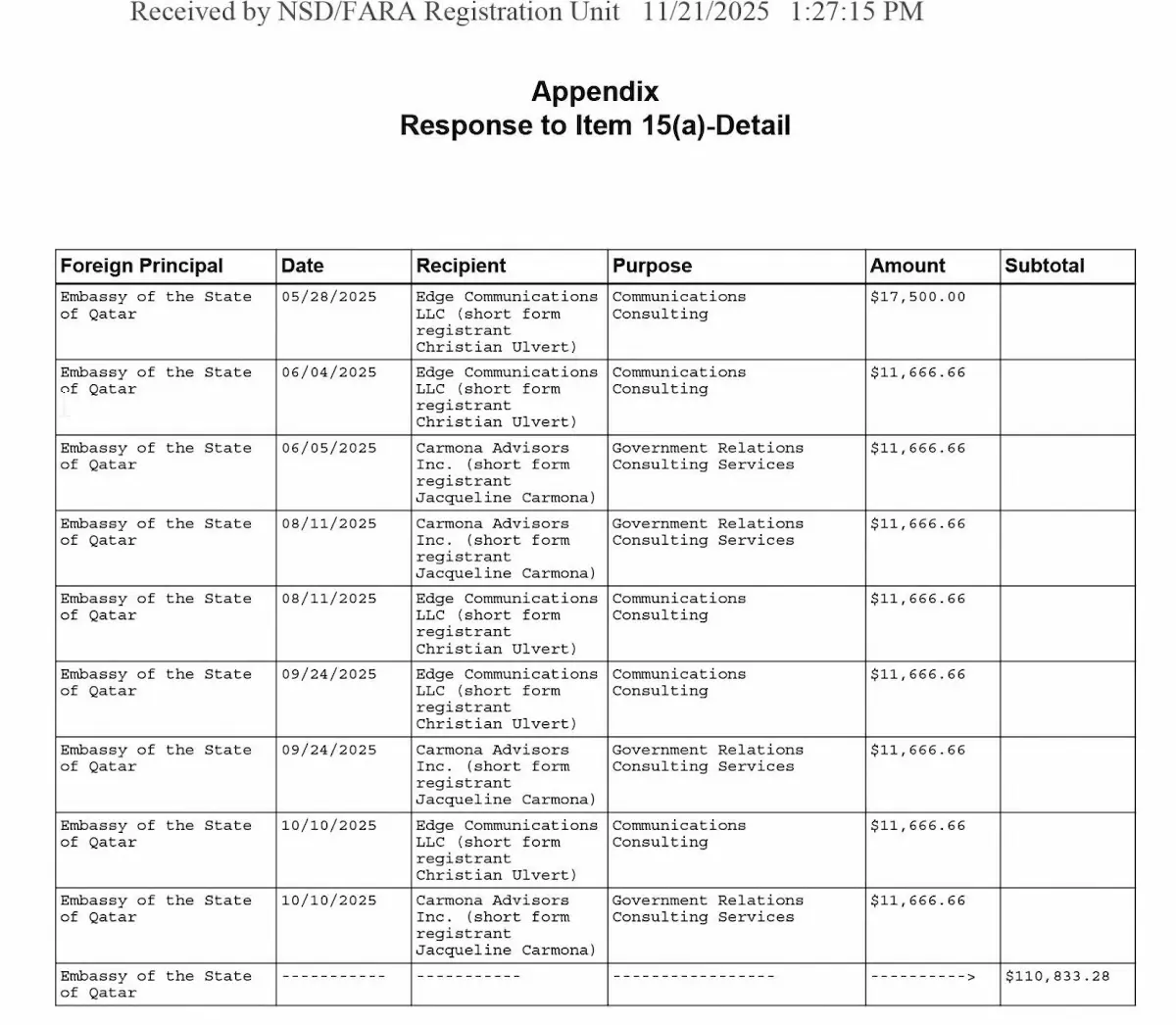
FARA records leave little room for speculation. Rubin Turnbull reported ongoing payments related to his work for the Qatari Embassy and, within those same reports, disbursements to Edge Communications LLC, the firm associated with Christian Ulvert, for communications consulting services.
This point is key.
This is not political commentary or partisan innuendo. It is about a relationship documented in federal filings. The records reviewed show that Edge Communications received payments for “communications consulting” within the Qatari representative structure.
However, we must be precise: the fact that such a relationship exists does not prove, by itself, an illegality or a concrete political favor to Qatar. But it does prove a formal, continuous and paid connection between a central operator of local politics and a structure registered to a foreign government.
And that, by definition, is in the public interest.
FARA records, campaign reports and public coverage show how Christian Ulvert has consolidated a central position in campaigns, PACs and access to power in Miami-Dade, while maintaining a registered link to Qatar through Rubin Turnbull. efile.fara.gov, wlrn.org, floridabulldog.org, Doc, 2, 3, 4, Amendment
He does not hold elected office, does not vote on the Commission and does not sign ordinances. But Christian Ulvert appears, time and again, at the point where as the operator behind the power in Miami-Dade and his link to Qatar.
The FARA documents do not speak in the abstract. The supplemental statement filed on May 28, 2025 confirms that Rubin Turnbull continued to represent the Qatari Embassy for the period ending April 30, 2025. That document describes the firm’s work as advising on government relations, public affairs and communications in Florida to promote commercial, philanthropic, academic, cultural and other exchanges.
The same filing reports a payment of $35,000 received from Qatar and disbursements of $52,500 to Edge Communications LLC, identified therein as short form registrant Christian Ulvert, for “communications consulting”, in three payments of $17,500. The filing is signed by William Rubin.
That is the federal scaffolding. The local muscle, however, is elsewhere. WLRN reported that since 2019, South Florida candidates have spent more than $10 million with Edge Communications for consulting, communications and ad buys. The same outlet noted that Daniella Levine Cava has spent about $2 million with Edge since 2019, that the Miami-Dade Democratic Executive Committee spent about $1.8 million with the firm through 2022, and that in 2024 alone Edge received about $2.4 million in county campaign money.
WLRN further added that no other political consulting firm in Miami-Dade comes close to Edge’s market share over the past five years. That doesn’t prove anything illegal by itself. But it does describe a rare concentration of political infrastructure.
Ulvert’s power is not limited to campaigns. It also goes through political committees. WLRN reported that Ulvert and his entourage have opened about a dozen PACs and local committees, with the largest, “Our Democracy,” receiving about $3.5 million in contributions in Miami-Dade in 2024 alone.
Florida Bulldog added another important piece: between January and March 2025, that PAC raised $92,500 and, in the same period, Edge Communications billed $92,400 to the committee. Florida Bulldog also described Ulvert, citing rival consultants and local operatives, as an access and gatekeeping figure around the mayor and other Democratic candidates. Those allegations are journalistic and do not amount to judicial determinations. But they do illustrate the magnitude of the apparatus surrounding Ulvert.
The link with Qatar is the point where the local story stops being merely electoral and goes on to touch on a more delicate angle:
A consultant with privileged access to campaigns, fundraising, PACs, candidates and key officials in Miami-Dade maintains at the same time a formal, ongoing, paid relationship within a FARA structure for a foreign government. That kind of overlap should not be dismissed as a minor detail.
Meanwhile, Ulvert does not appear to be reducing his reach. Florida Politics reported this week that EDGE Communications opened an office in Palm Beach County and that its chief of staff, David Cruz Ramos, will lead the expansion.
The reasonable reading is that Ulvert is looking to move from being just a dominant figure in Miami-Dade to project itself as a regional operator in South Florida. That is a journalistic inference, not an express admission by the firm. But the business move is already a public fact.
The CD-27 board and the other figures in play
The race for the 27th Congressional District helps to understand why Ulvert matters so much even when he is not listed as a candidate.
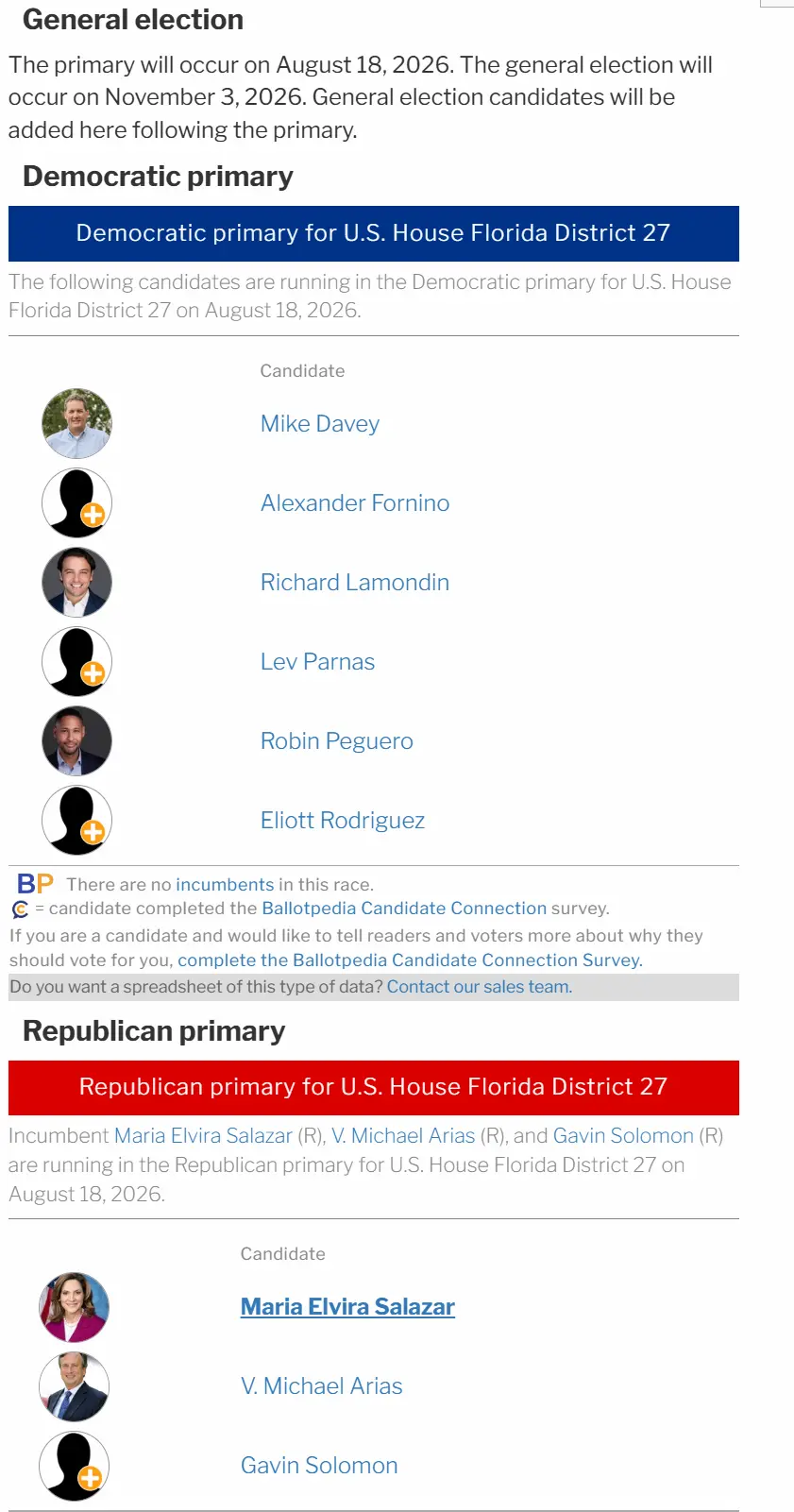
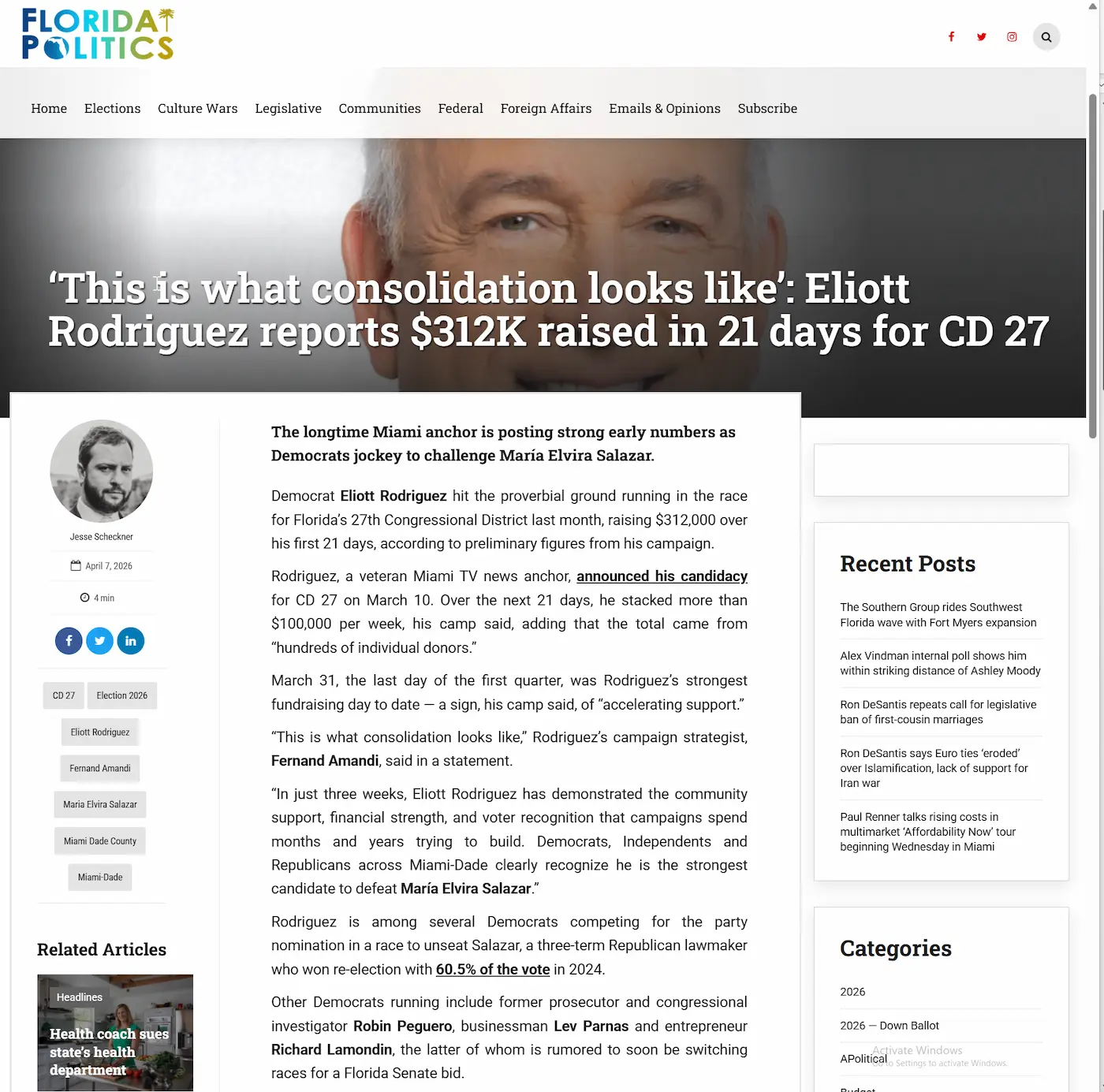
Eliott Rodriguez entered the race on March 10, 2026, and WLRN reported that his public notoriety and his history as the son of Cuban immigrants could make the election one of the most competitive in the district in years. WLRN itself quoted Michael Putney, a former senior political reporter for WPLG Local 10, as saying Rodriguez would be a “formidable candidate.” For its part, Florida Politics reported that among the figures who had encouraged Rodriguez to run was former Miami Dade College President Eduardo Padrón.
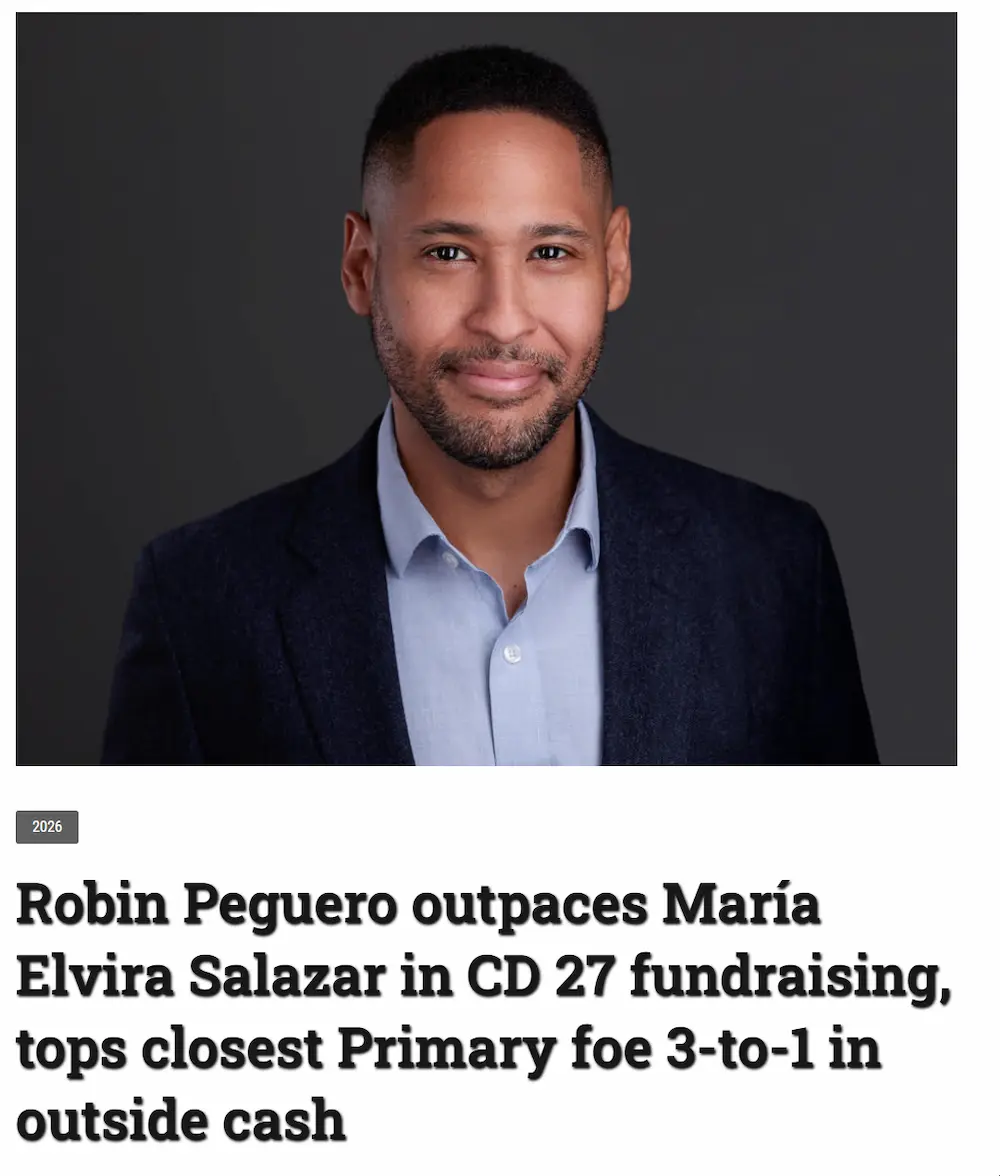
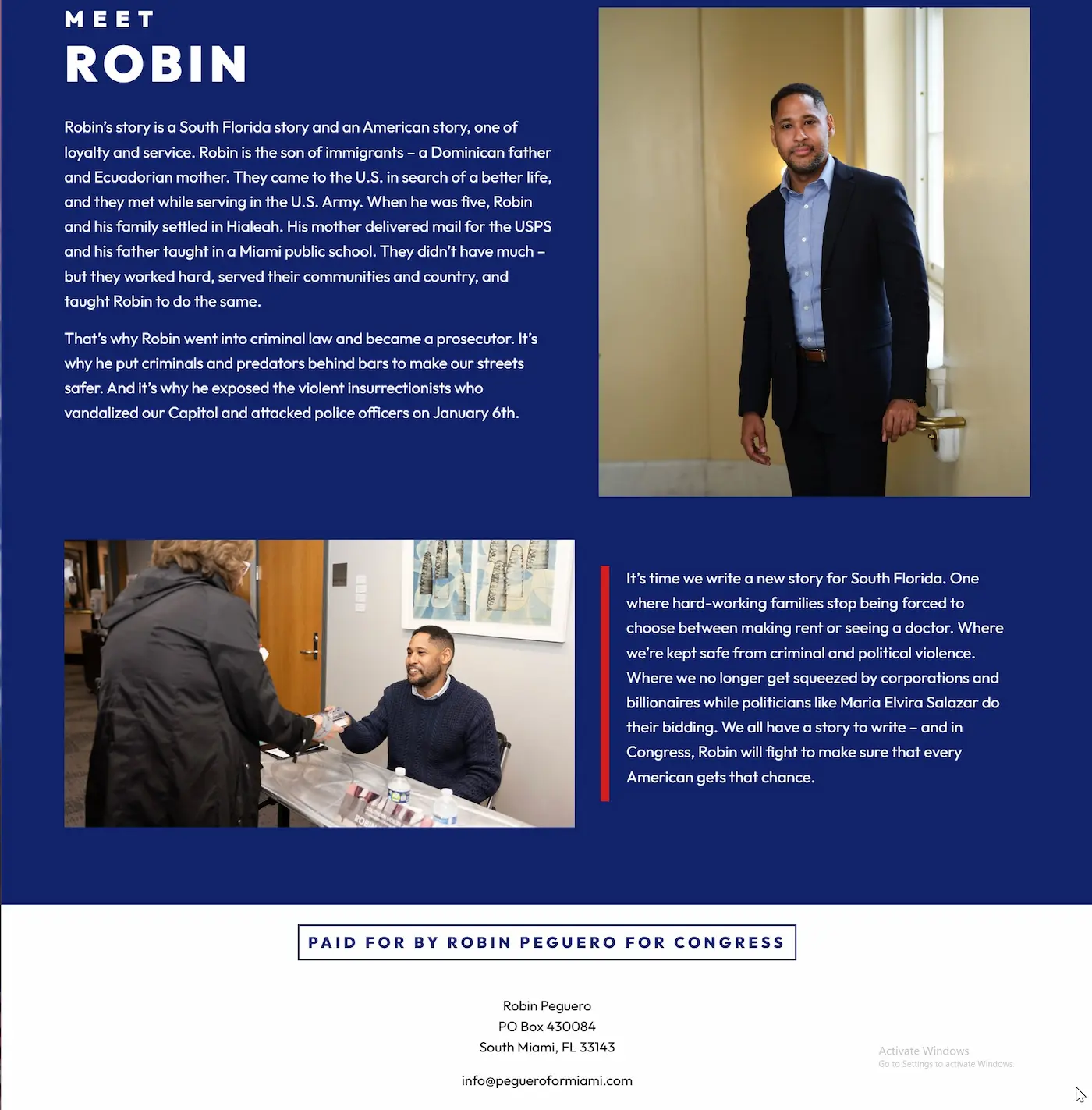
Changes to the field of candidates occurred during the month of April. Today the field is corrected. Robin Peguero is still formally in the race and, according to the FEC, had collected $479,250.27 for the 2026 cycle for the period covered from July 1 to December 31, 2025.
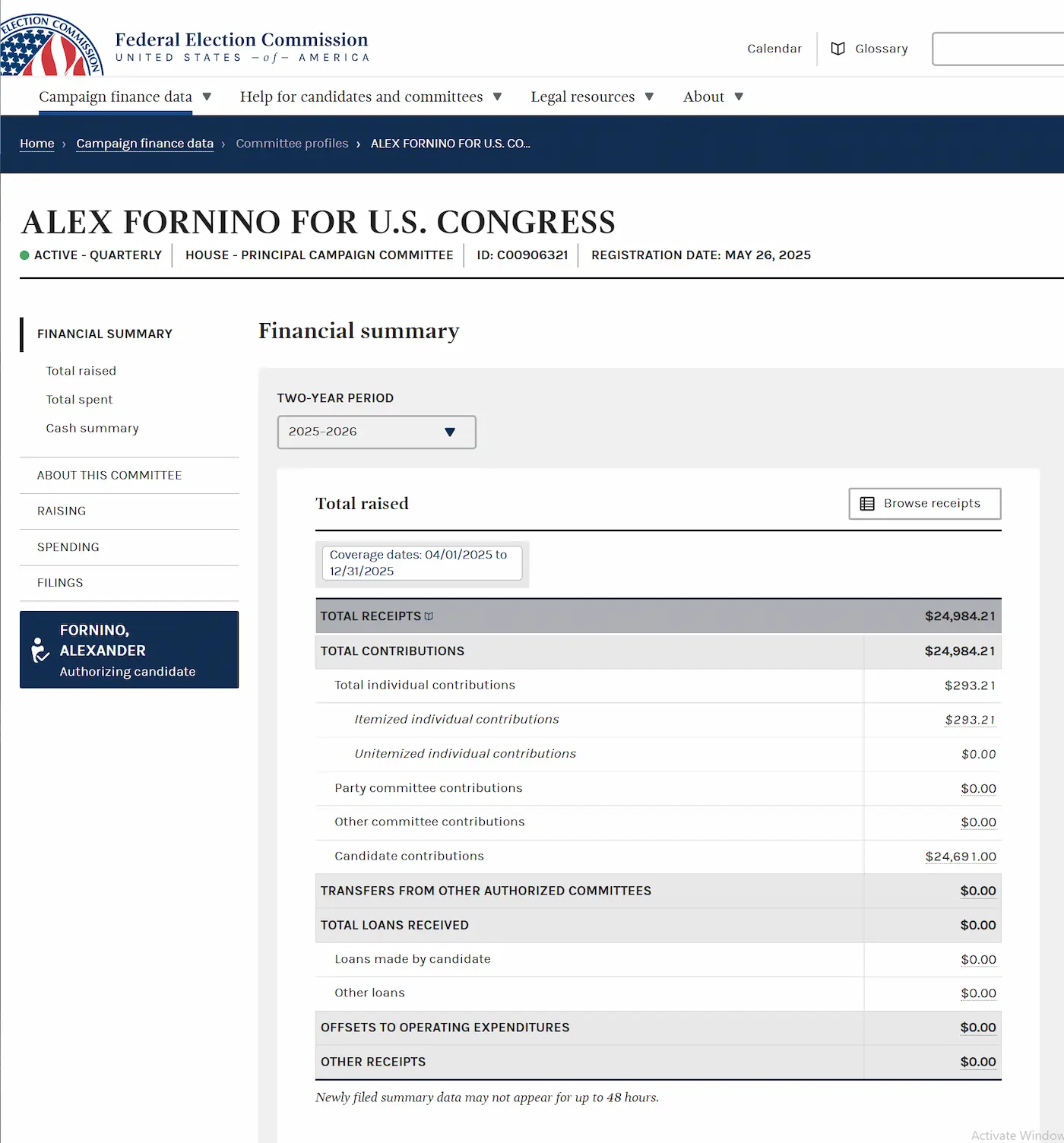
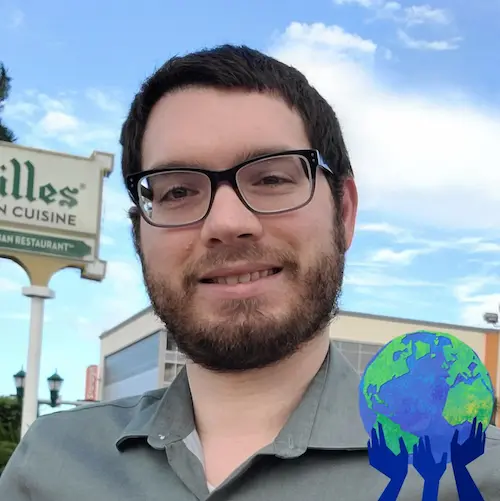
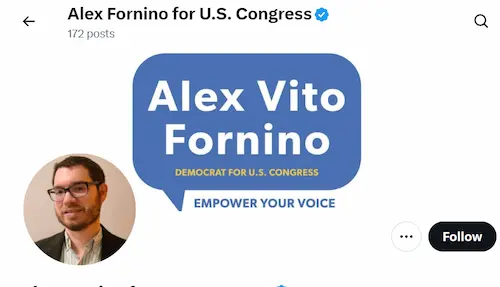
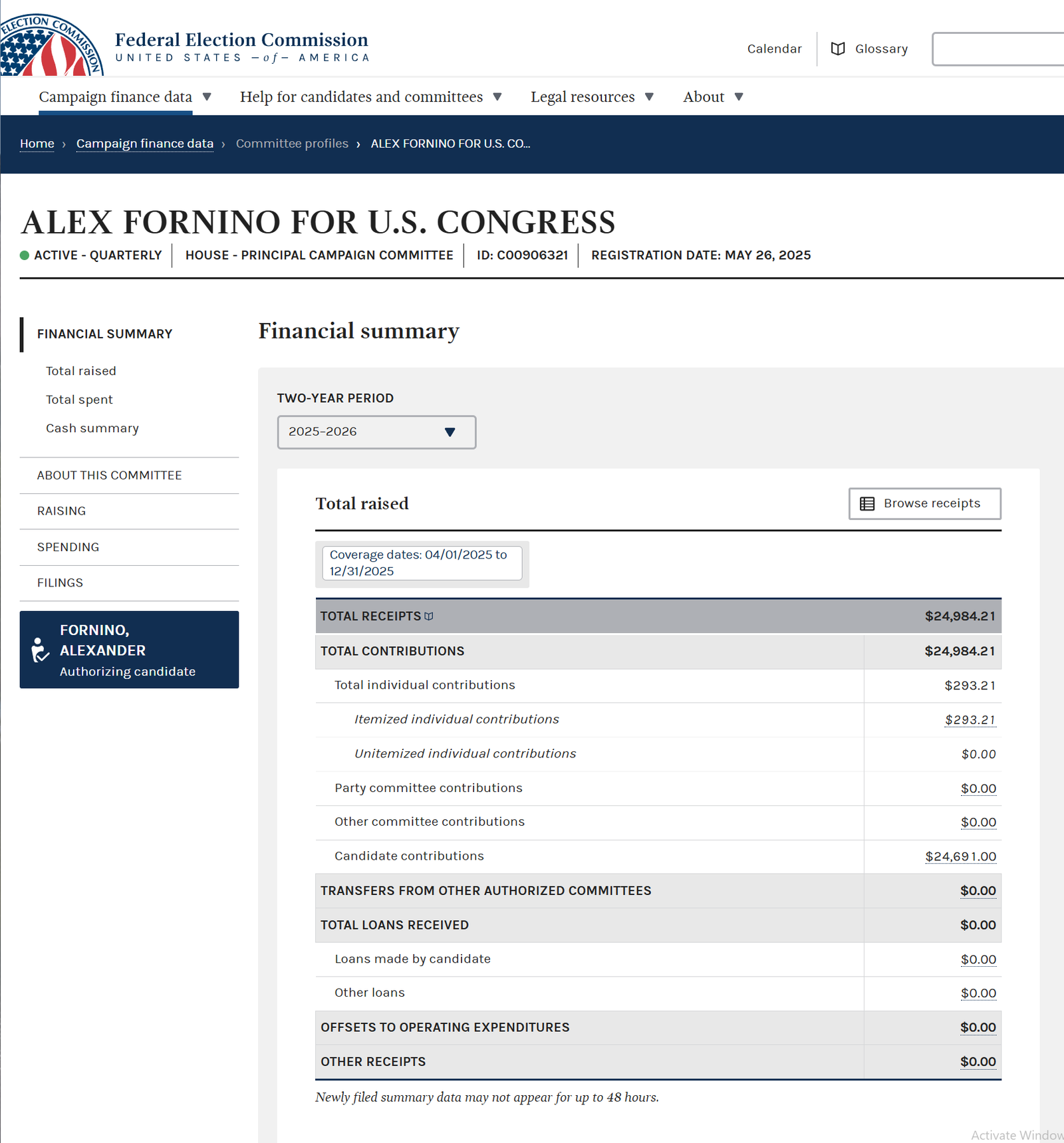
Alexander Fornino is also still in the race, although with a much smaller structure: the FEC reports $24,984.21 raised, of which $24,691 came from the candidate himself.

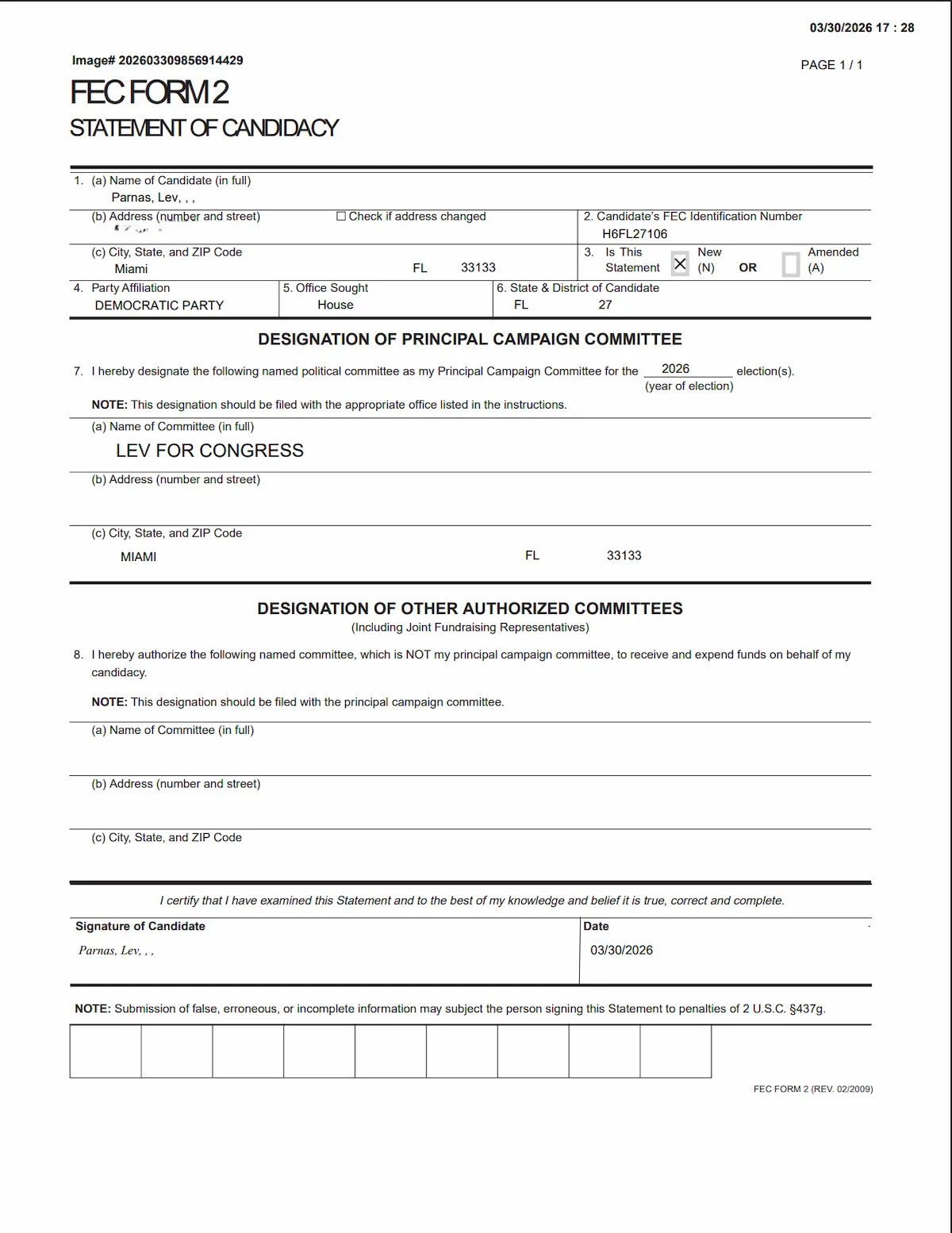
Lev Parnas, who in previous versions still appeared without confirmed federal filing, did formalize his candidacy: the FEC shows his Form 2 filed on March 30, 2026 for House FL-27.
And Richard Lamondin should no longer be listed as a current candidate for Congress in this piece: Local 10 reported on April 7, 2026 that he dropped out of the CD-27 race to run for the state Senate for the 38th District.
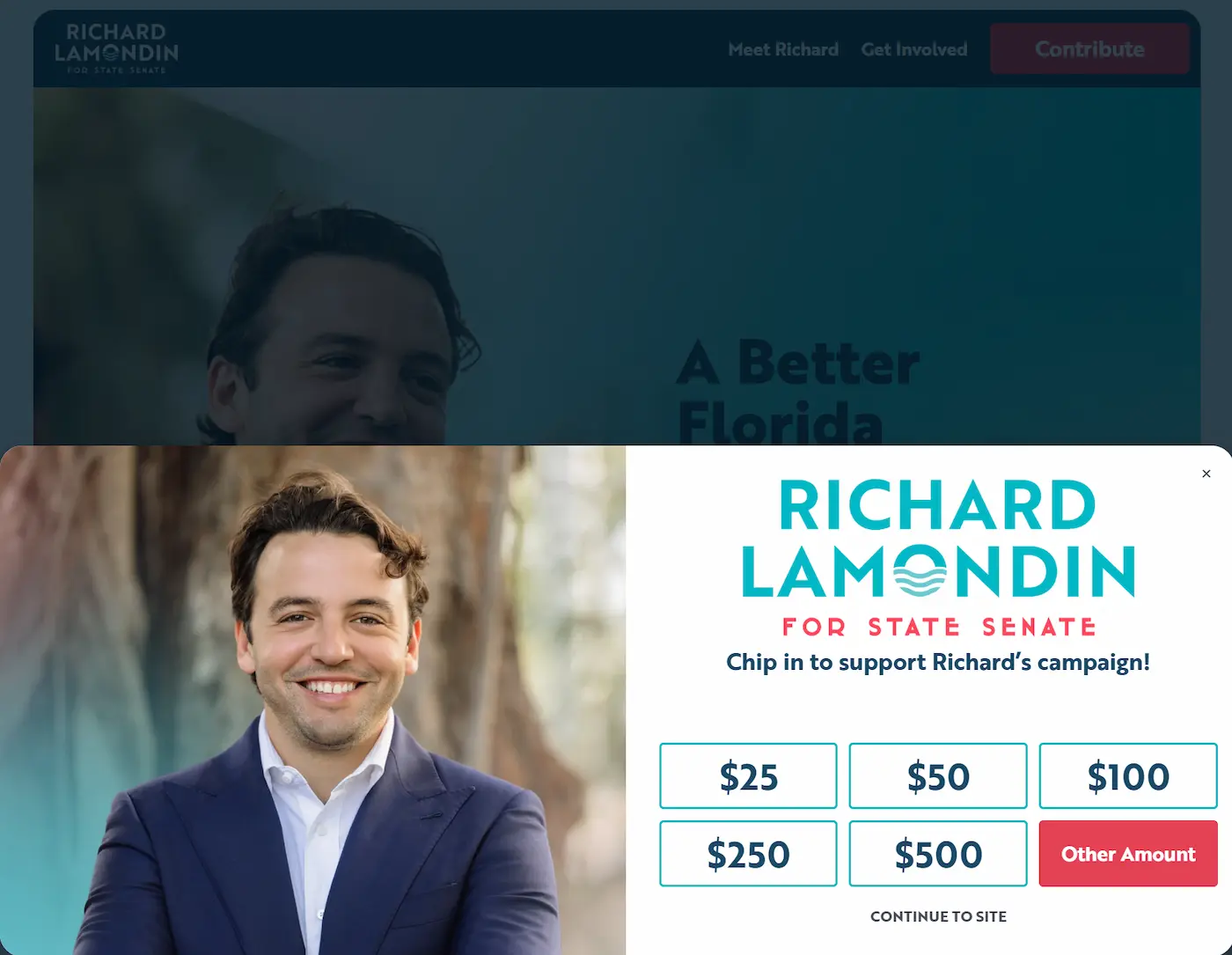
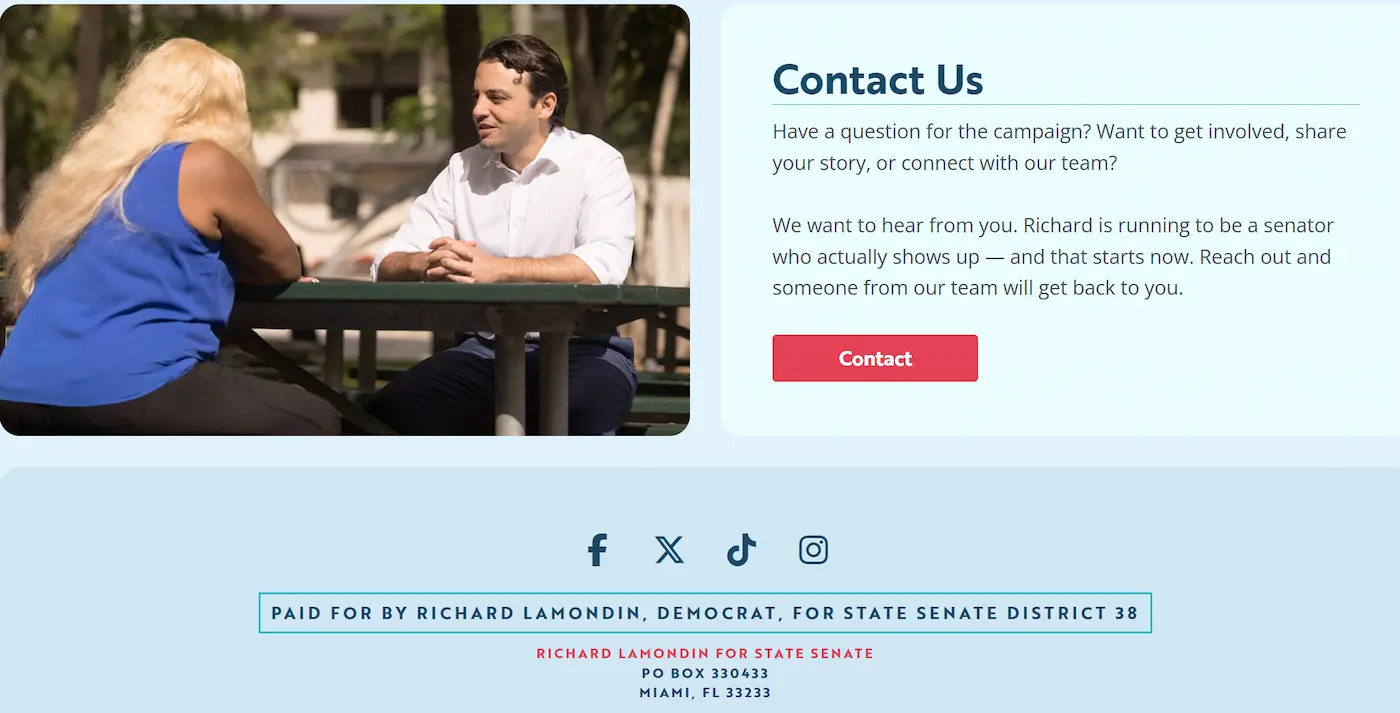
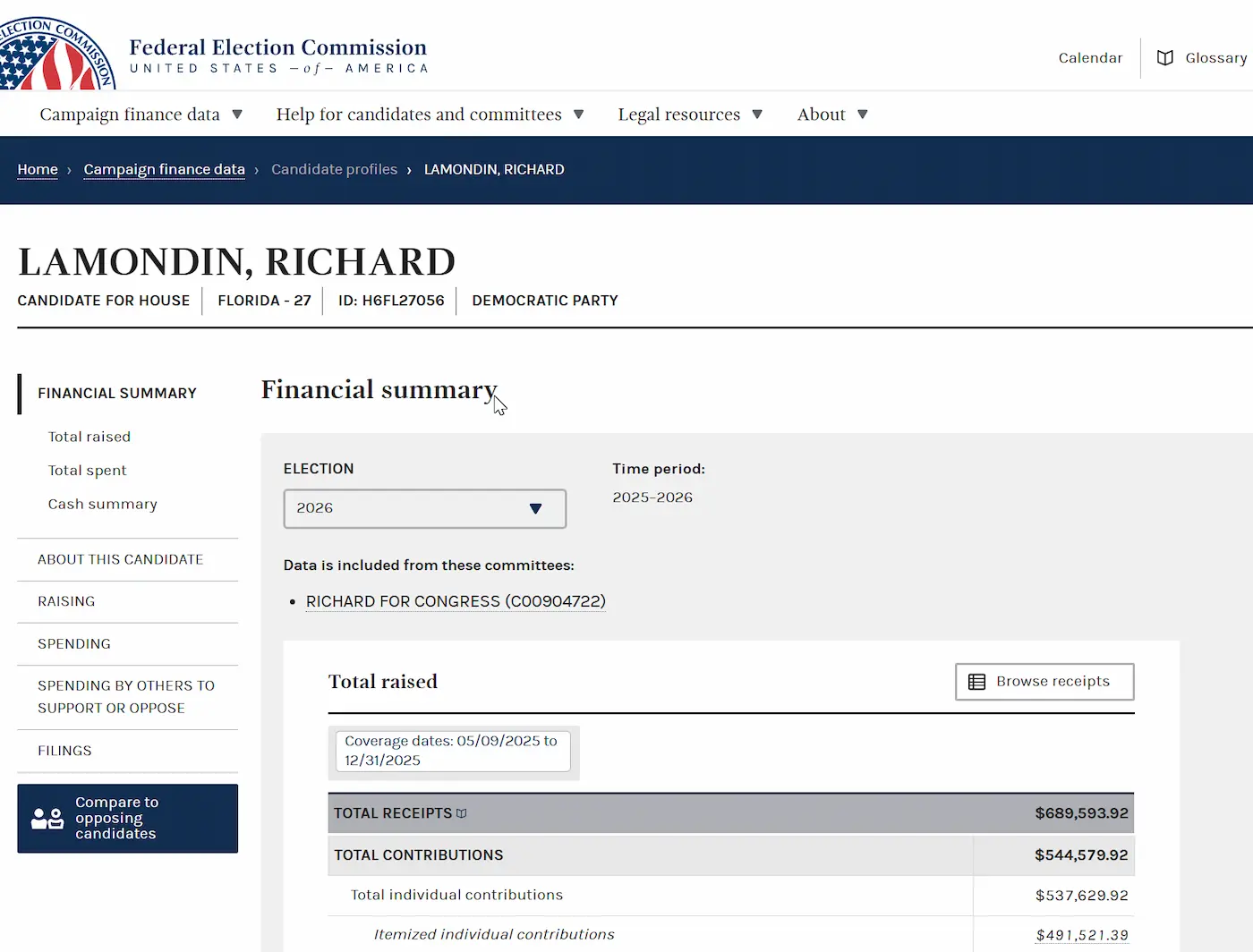
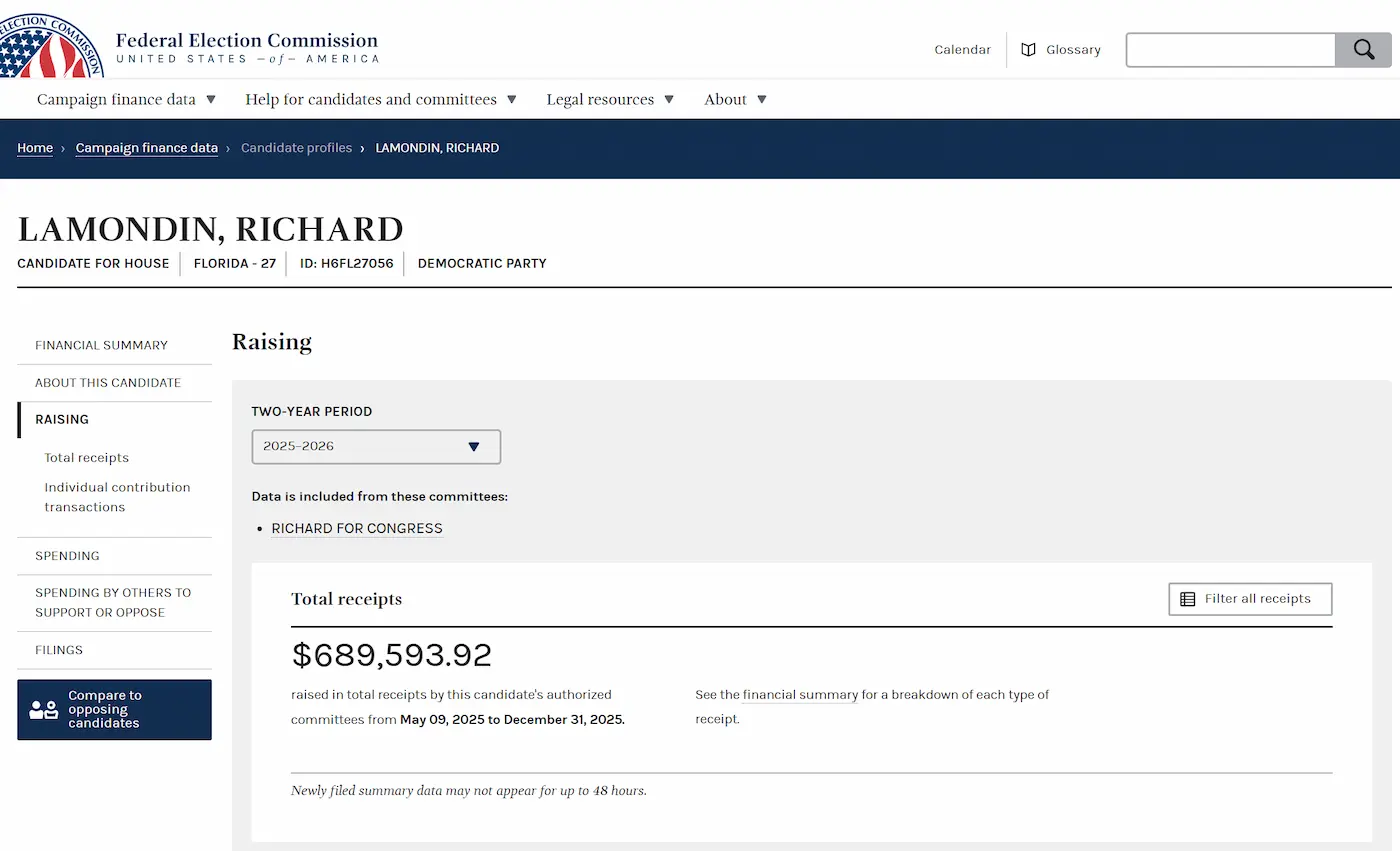
That changes the analysis. CD-27 is not empty or makeshift, but it does show a primary in rearrangement. Rodriguez’s entry added name recognition and the backing of known figures. Peguero already had structure and money. Fornino formally exists, though without comparable competitive volume. Parnas adds media noise and controversy. And Lamondin’s departure reduces some of the fragmentation that existed just days ago. In addition, the DCCC keeps FL-27 within its offensive “Districts in Play” map, confirming that Democrats see this seat as a real opportunity.
Why do some Republicans end up orbiting the same ecosystem?
Ulvert has operated in spaces where local alignments, nonpartisan dynamics, or relationships of convenience can matter as much as ideology.
Where is the “Republican Ulvert”?
The uncomfortable question for the local Republican apparatus is not just why some of its candidates have ended up hiring Christian Ulvert or his firms.
The more serious question is this: why hasn’t Miami-Dade produced a Republican equivalent with the same level of infrastructure, territorial reach, bilingual command of the Hispanic electorate, PAC network, fundraising capacity, and message control?
WLRN reported that no other political consulting firm in Miami-Dade comes close to the market share EDGE Communications has held over the last five years, and Ulvert himself said his firm could be the only Democratic, Hispanic, and bilingual company in South Florida with that scale of clients and relationships.
That does not mean Republican consultants do not exist in Florida. They do, and some are very influential at the state level. For example, the David Johnson Group openly presents itself as a Republican general strategy firm with experience in the campaigns of Jeb Bush, John Thune, Carlos Curbelo, Carlos Giménez, and María Elvira Salazar, in addition to its work with Republican legislative committees in Florida. But that firm is anchored in Tallahassee and operates with a more state and federal profile.
That is where the void lies. The problem for Republicans does not appear to be a total lack of consultants, but rather the absence of an equivalent local machine: a firm capable of simultaneously dominating partisan and nonpartisan campaigns, moving money through PACs, coordinating donors, operating in both Spanish and English, and becoming an almost unavoidable reference point for candidates trying to survive in Miami-Dade politics.
WLRN even quoted a Democratic activist saying that any candidate in Miami-Dade significantly improves their chances if they manage to “get in good with Ulvert,” precisely because he has infrastructure, PACs, major donors, and relationships. That observation refers to Ulvert and the Democratic field, but it allows a reasonable inference about the other side of the board: the local GOP does not appear to have built anything equivalent with the same density and consistency.
That is why some Republicans do not end up orbiting Ulvert’s ecosystem out of ideological affinity, but because of their own structural deficit. When a party fails to develop a territorial structure that is equally effective, bilingual, and professionalized, it ends up depending on outside operators, tactical alliances, or improvised campaigns.
Put bluntly: Ulvert did not create the vacuum; local Republicanism left it open. That last sentence is an editorial judgment, but the premise supporting it is backed by the public evidence available on EDGE’s singular scale in Miami-Dade and the lack of a clearly identifiable Republican mirror in that same market.
Christian Ulvert is not an elected official, BUT
But the records, the reports, and the documented network of relationships show that his influence does not resemble that of an ordinary consultant. Rubin provides the institutional and federal gateway. Ulvert appears in the territorial operation: campaigns, PACs, fundraising, candidates, narrative, and access. That intersection between unelected power and public power is a red-flag issue. In a healthy local democracy, scrutiny should not be reserved only for those who appear in the official photo or on the ballot. It should also extend to those who, from the shadows, help decide who gets there, who survives, and who rules.
What is not proven, at least in the sources reviewed, is that there was a specific quid pro quo, an established illegality, or a concrete public decision taken for the benefit of Qatar through direct intervention by Ulvert. To claim that as fact would be irresponsible. But it would also be unserious to pretend that the overlap between dominant political consulting, PACs, institutional access, and a formal relationship with a foreign client does not raise legitimate questions. It does. And forcefully.
Sources
Rubin Turnbull & Associates, official profile of William D. Rubin.
FARA eFile, registration 6944 and short forms of Rubin Turnbull for Qatar.
Supplemental Statement of Rubin Turnbull filed on May 28, 2025.
WLRN, profile of Christian Ulvert as a Miami-Dade power broker.
Florida Bulldog, PAC Our Democracy and Edge billing.
Florida Bulldog, deals with Republicans in Miami election.
Florida Politics, opening of EDGE office in Palm Beach County.
WLRN and FEC, CD-27 race and updated candidate status. Eliott
Local 10, Richard Lamondin’s departure from CD-27 to SD-38.
DCCC, FL-27 on the 2026 offensive map.
Stay informed with the latest news!
Would you like to receive more information like this directly on your screen?
Visit our homepage and find out everything happening in South Florida: local news, events, and much more.
👉 Click here! newsmiamidade.com/en
Don’t miss a single detail. #MiamiDade #News #Florida