
The GOP’s problem is no longer the left or No Kings: it’s its own leadership asleep at 1/2 term – self-absorbed – selective. The base pushes. The top gets in the way.
Florida is not losing because of a lack of Republicans. Florida may begin to lose because of Republicans who hold office, gain prominence, presume structure and then disappear when it’s time for the real political fight. The problem is not at the bottom. The problem is at the top. The base still believes. The base still comes out. The base still defends Trump. But part of the apparatus seems more interested in administering acronyms, posturing for the next promotion and keeping chair than fighting the field. That’s not leadership. That’s abandonment.
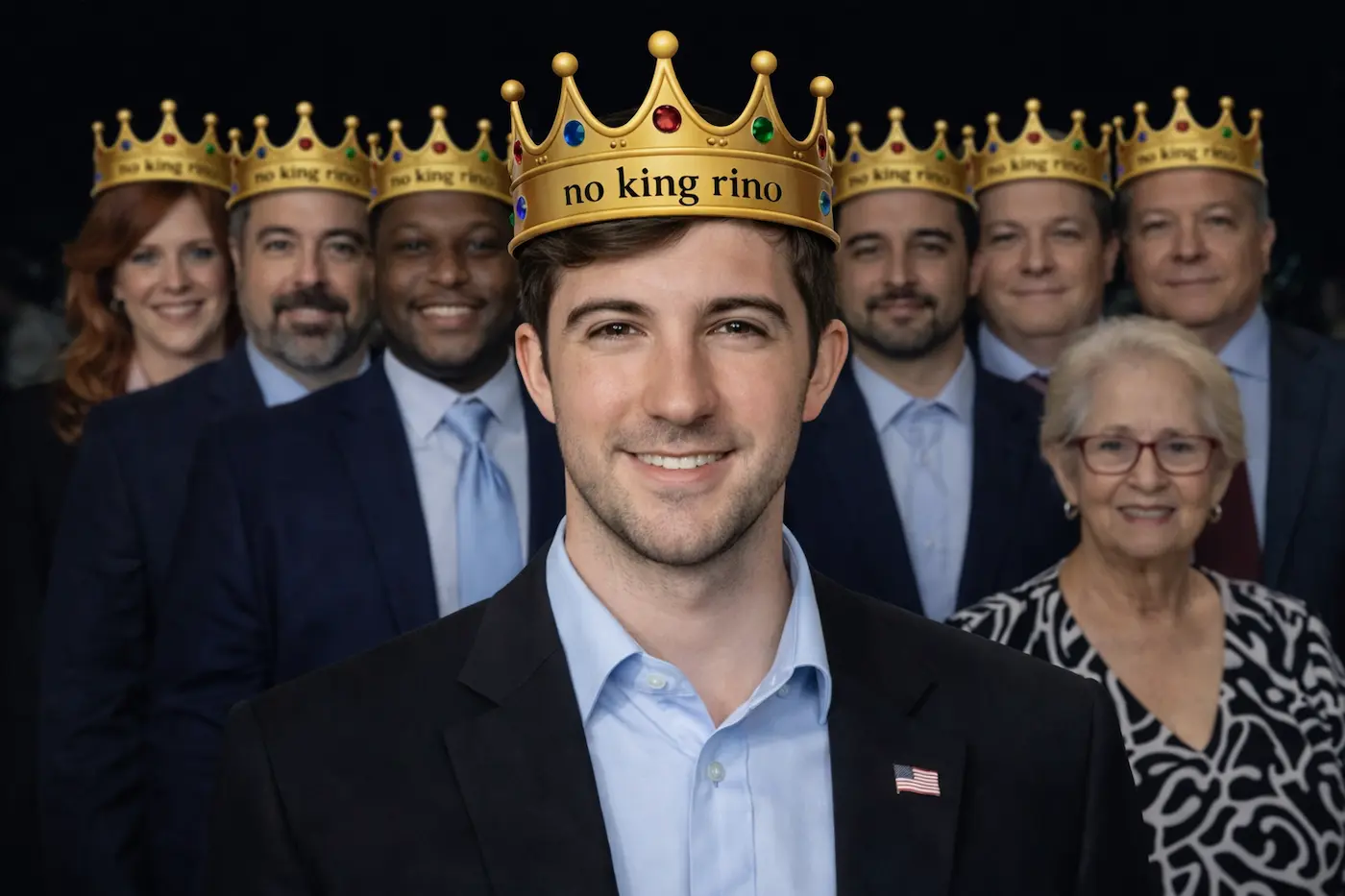
On March 28, while the “No Kings” movement took to the streets with more than 3,200 events in all 50 states, in South Florida there were protests in Miami-Dade and other parts of the region. Reuters reported that the mobilization sought to turn protest into strength heading into the midterm. Reuters reported thousands of people on Bird Road, next to Tropical Park, and more than a dozen protests in South Florida. The left took up space, manufactured an image and made it clear that it understands something too many Republican leaders forgot: in politics, the street counts too.

And here is the bottom line indictment: the GOP cannot continue to peddle automatic success while neglecting mobilization, candidate accompaniment and visible political advocacy. The Republican Party of Florida itself exhibits a formal structure headed by Evan Power, with state officers, organizational apparatus and a narrative of strength. The Miami-Dade GOP, meanwhile, presents itself as a machine focused on expanding communities, strengthening voter registration, raising early and keeping the county red. Perfect. So there’s no excuse anymore. If the organizational chart exists, the accountability exists too.
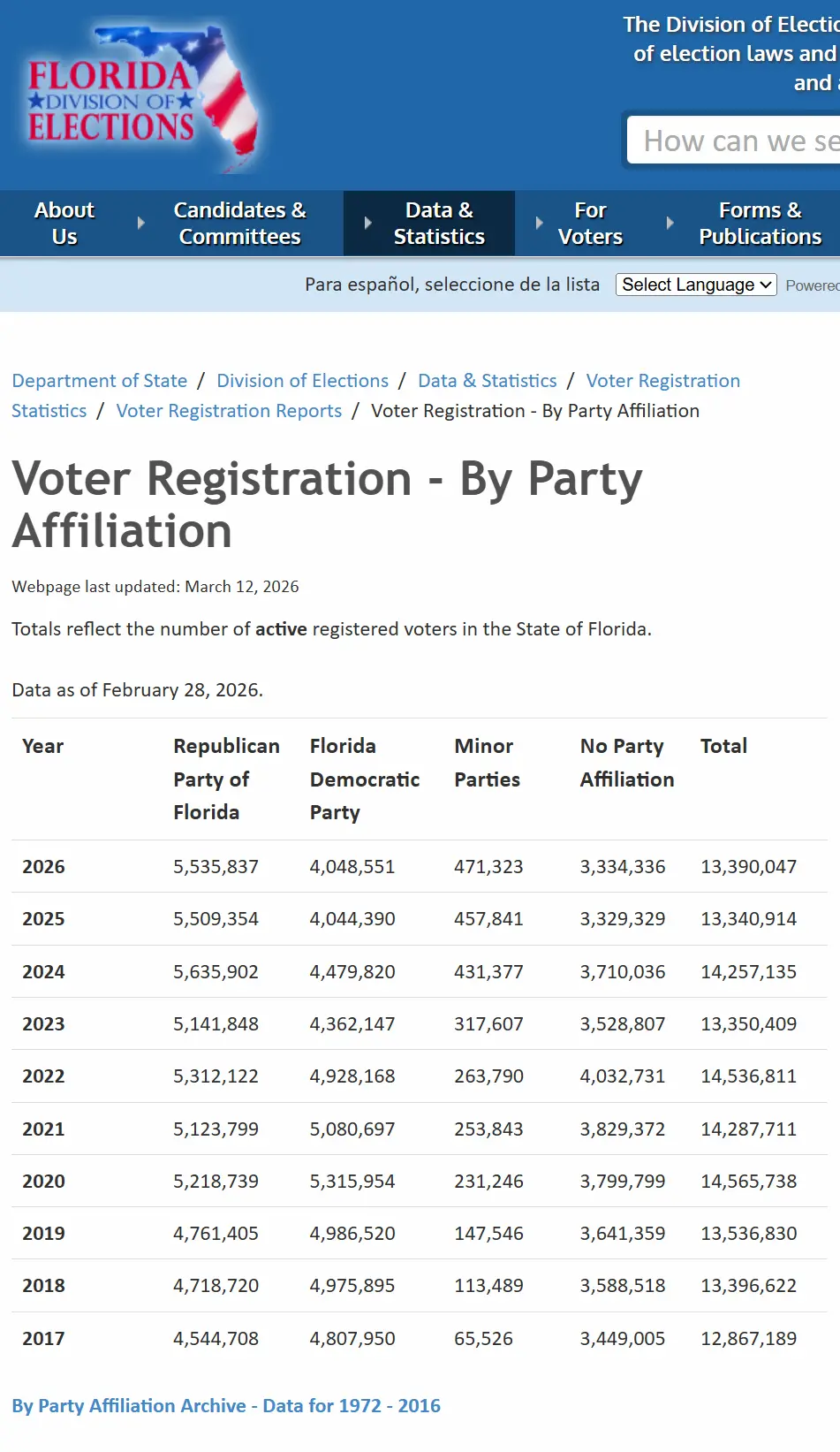
Voters by party in Florida
Recall against Daniella Levine Cava
Because when the party wants to act, it either acts or it doesn’t . WLRN reported in January that the Miami-Dade GOP did move to push the recall against Daniella Levine Cava: it circulated the petition, ran paid ads and even hosted a website to direct people to sign, but it did not have a sustained, massive, transparent operation. In fact, WLRN also reported that the Miami GOP did not respond to its request for an interview about the recall effort. That silence undermines the narrative of effective leadership.
In other words, they do have operational capacity. They do have tools. What they are not demonstrating with the same consistency is a sustained strategy to protect the mid-term, shield candidates, take care of the morale of the base and respond with presence when the opposition comes out to mark territory. That contrast kills enthusiasm. And when enthusiasm dies, politics goes cold. CBS, wlrn, nbcmiami,
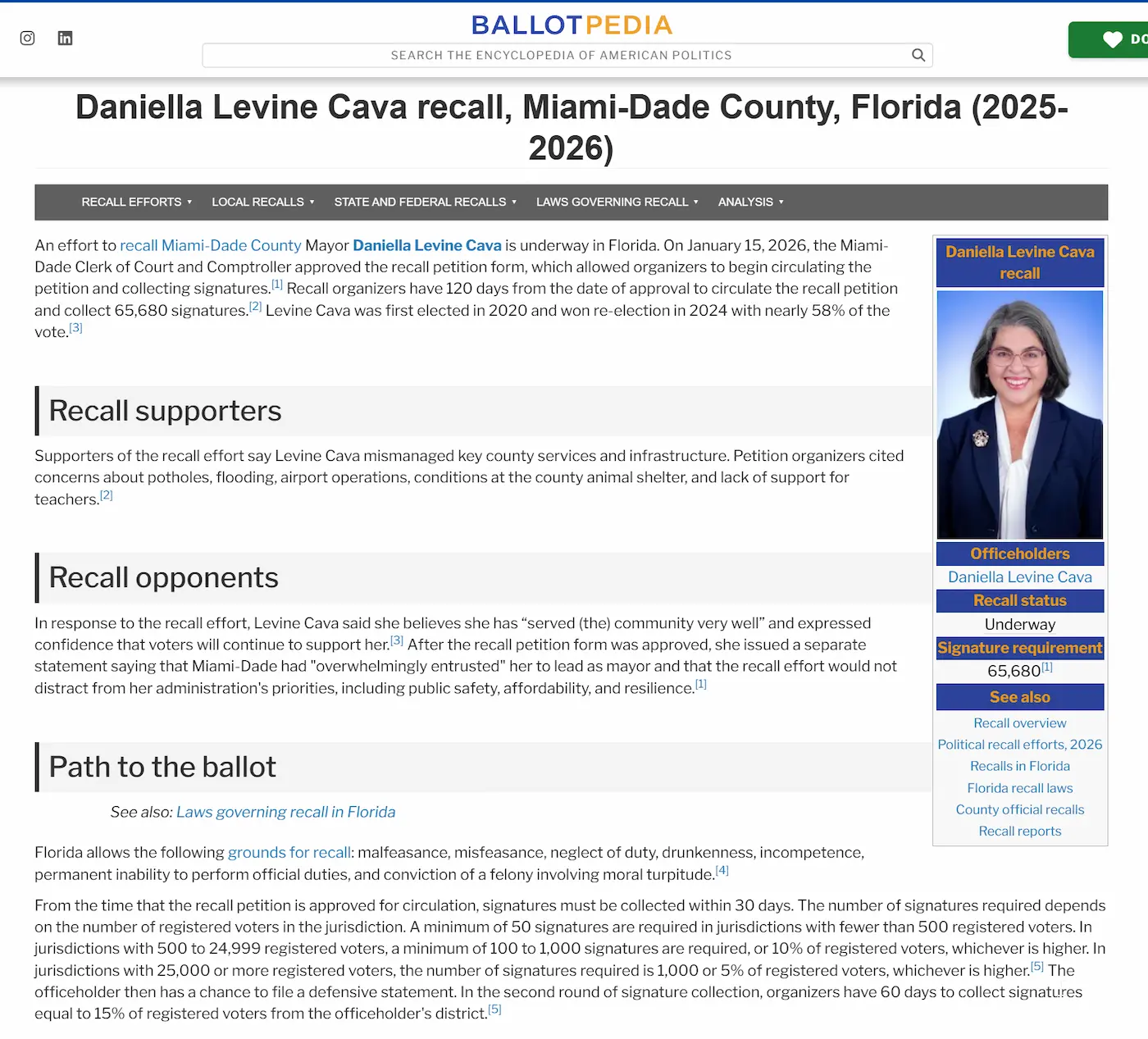
There is also another uncomfortable truth: much of the shock activism, public pressure and anti-left noise in Miami-Dade has too often fallen to figures outside or parallel to the party apparatus. WLRN reported that the recall effort against Levine Cava was pushed by Alexander Otaola, a former conservative mayoral candidate, with no operational support from the Miami GOP. That leaves a brutal question:
Why does it so often seem that the push comes from activists, influencers or militant grassroots, while the official structure arrives late, half-heartedly, or only when the issue suits its small circle?
Instagram: Youtube:
And beware of numerical self-deception. Yes, the Florida GOP still has a registration advantage: 5,535,837 active Republican voters vs. 4,048,551 active Democrats as of Feb. 28, 2026. But there are also 3,334,336 active voters with no party affiliation. That bloc is huge. And in a closed primary state, losing partisan enthusiasm is not a detail: it’s losing internal muscle, discipline and the ability to reward or punish within the party. Not every NPA voter came out of the GOP, of course. But the size of that gap shows that partisan disaffection exists, weighs, and can swallow a frustrated base if the leadership continues to act as if loyalty is automatic.
Moreover, the electoral warning is already there. Just this week, the Associated Press reported that Democrats flipped a legislative seat in the district that includes Mar-a-Lago, despite Trump’s endorsement of the Republican candidate. It doesn’t change control of the state, but it does send a signal: a historically mismanaged advantage is also eroding. Not for lack of potential voters. For a surplus of complacency.
So you have to name names. Not on a whim. Out of political responsibility.
Evan Power,
because he chairs the Republican Party of Florida and cannot continue to sell strength without accountability for execution. Jovante’ Teague, Kristy Banks, Mike Moberly, James W. Campo and Clint Pate, because they are part of the statewide scorecard and are not administrative ornaments. Joe Gruters, because he remains a national operator of clout within the Floridian Republican ecosystem.
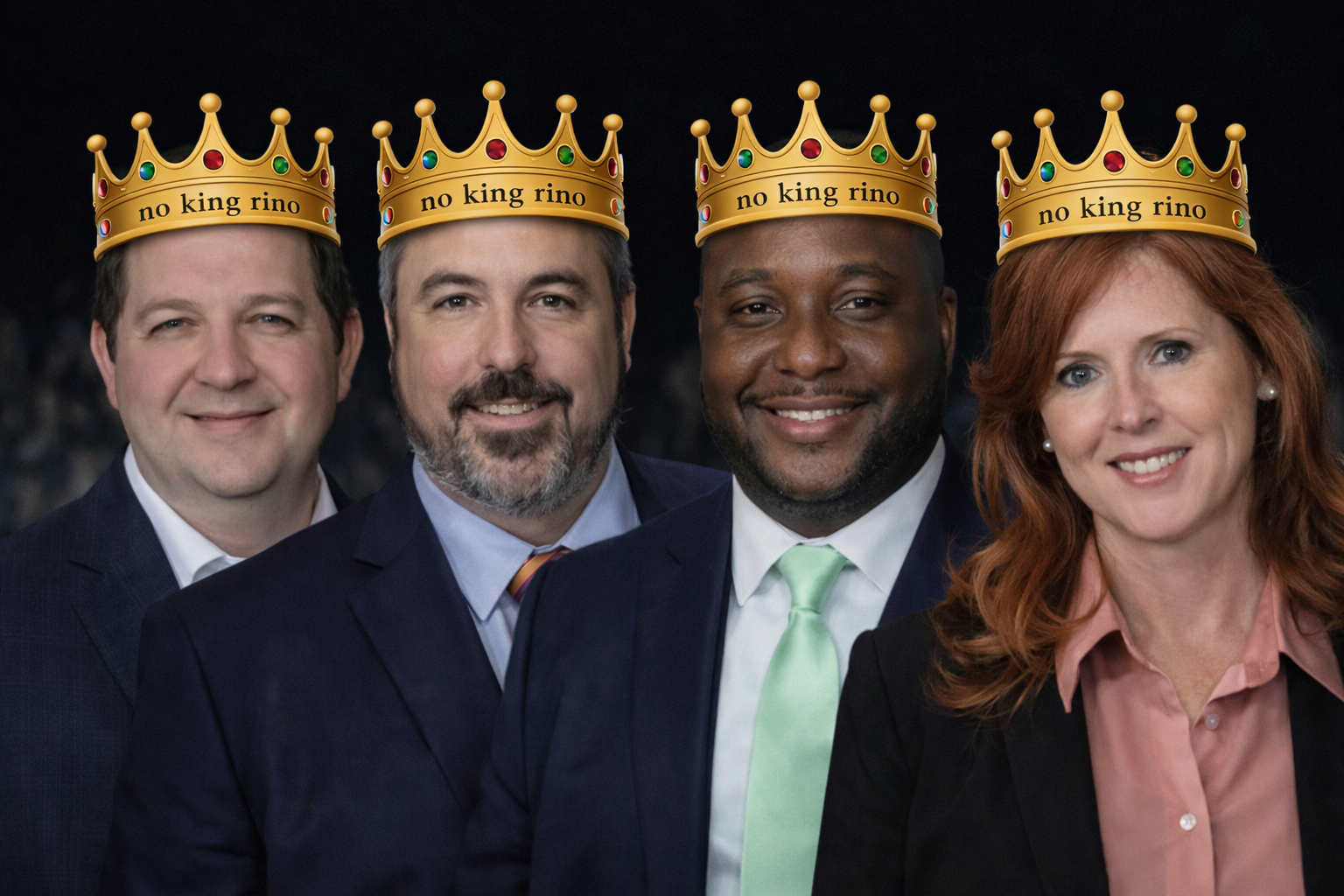
Kevin J. Cooper,
because he chairs the Miami-Dade GOP and his own organization promises to strengthen registration, base and expansion. Luis Manuel Rodriguez, because he presents himself as a veteran committed to electing Republicans and supporting Trump. Stephanie Torres, because her official bio sells her as a grassroots operator and strategy. Juan Carlos Porras and Liliana Ros, because they link the county to the state structure and can’t behave like ceremonial figures when the base demands direction. Those are the names of the apparatus. And the apparatus cannot wash its hands.
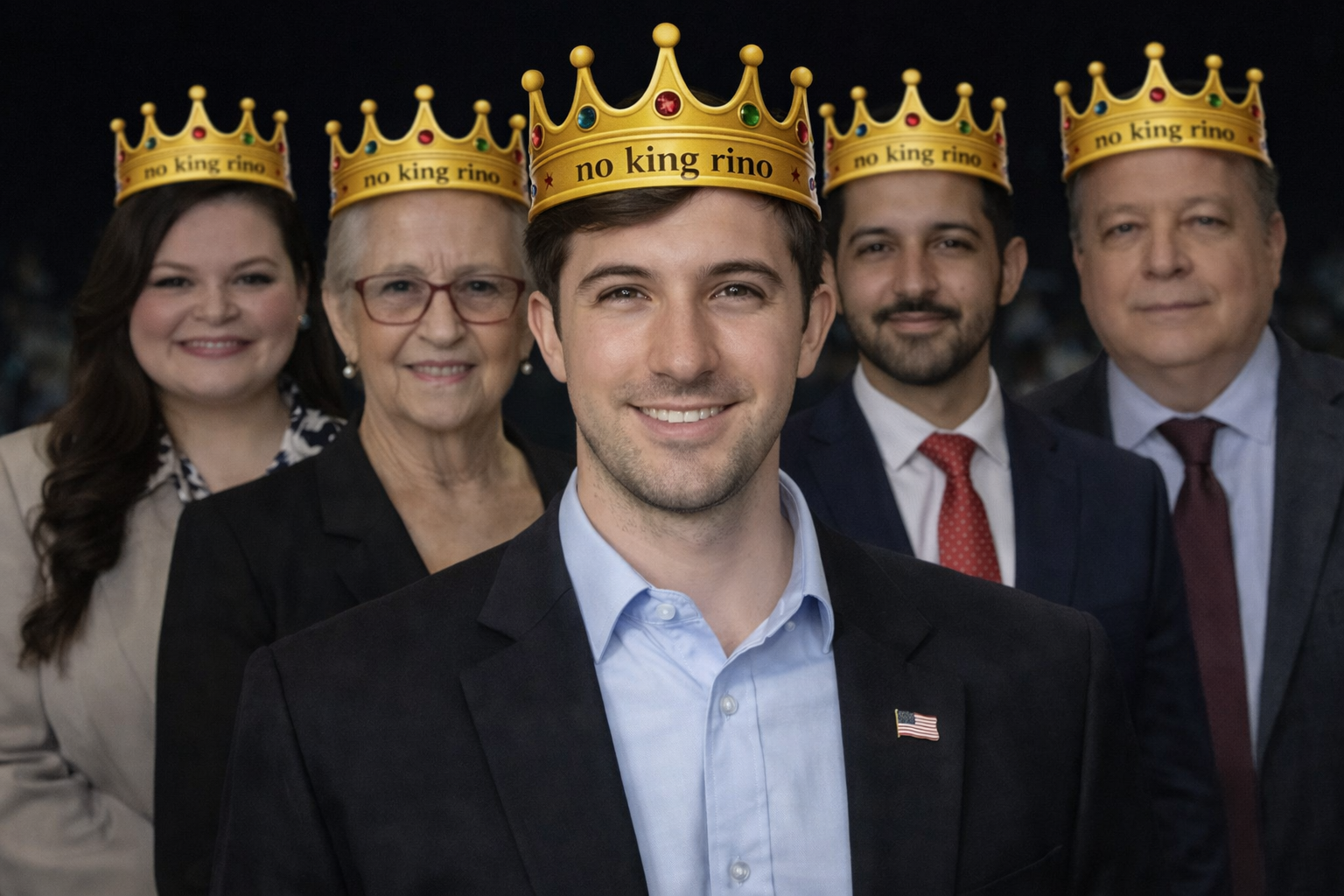
The Republican base doesn’t need the danger explained to them. They see it. It already feels it. It already denounces it. What it needs is a leadership that acts as a leadership, not as a social club, not as a public relations office, not as a waiting room for the next office. Because when the street surrenders, the narrative surrenders. When the candidate is left alone, the party rots. And when the leadership lets activism die, it is not neutral. It is helping the adversary.
No, the problem is not a lack of Republicans. The problem is that there are too many chiefs and too few soldiers at the top.
And if this is not corrected now, there will be no right to cry later when the defeats that can still be avoided today come.
Want more news like this?
Visit our home page to stay up to date on the latest happenings in South Florida and more: