
Agricultural Zones: Developers are the invasive Threat to the Agricultural Community – the Environment – the County’s Future. Developer: Attempts to erase agricultural areas and wildlife habitats.
In the midst of 2025, South Florida faces a crossroads: either it defends what little remains of its green lungs and its environmental balance, or it surrenders to the uncontrolled advance of projects that, under the guise of “development,” threaten to erase forever agricultural areas, wildlife habitats and the quality of life of thousands of residents.
This is the x-ray of a threat foretold, supported by political silences, official documents and the voracious interest of those who see land only as a business.
1. Environmental risk and potential loss of agricultural habitat
- Conversion of agricultural zones and rural land into dense residential zones:
Developer seeks to transform areas vital to wildlife and environmental recharge into townhouses and multifamily. - Risk to local fauna:
By removing green cover and displacing agricultural zones, biological corridors and habitats of protected species and native fauna are destroyed. - Deficit of parks and recreational space:
The record itself acknowledges that there are NO walkable parks for new residents, and the push for an additional 5.25 acres only exacerbates the existing deficit. - Impact on drainage and flood risk:
The area requires exhaustive stormwater management studies; any error can generate flooding, contaminate aquifers and affect not only the new construction, but also neighboring communities.
2. The Social Sham: Unfulfilled Promises of Affordable Housing
- It is not “infill” or urban revitalization:
The project is NOT part of the Infill Housing Program nor does it revitalize urban neighborhoods. It is pure expansion on agricultural land. - Only 20% would be workforce housing, and at high prices:
The social benefit is minimal. Actual access to affordable housing is doubtful and subject to future changes, by political decision or by the company itself. - Restrictions can change:
Social housing covenants and obligations can change after 30 years, or sooner, leaving the community up in the air.
3. Unsustainable Pressure on Infrastructure and Services
- Collapsed water and sanitation:
There is no direct sewer connection or guaranteed water; everything depends on future works and unsecured capacity. The project may run out of basic services. - School capacity at the limit:
Official analysis shows that there is NO room in the high school or adjacent high schools. The arrival of hundreds of families will only exacerbate school overcrowding. - Public transportation is non-existent:
Residents will rely on the automobile; the nearest stop is 1 mile away and only one bus passes per hour.
4. Questions on political influence, planning and transparency
- Project subject to political games:
All depends on CDMP approval and may be suspended if there are legal challenges or changes to the Board. - Ambiguous conditions and commitments:
Many obligations are left “to be defined” in the future, allowing developers to negotiate or relax restrictions when the conjuncture changes. - According to public records, there are administrative filings and/or regulatory red flags that require review prior to any final approval.
The developer has outstanding fines and open files for mismanagement, lack of maintenance, and debts owed to the county.
5. The Great Forgotten: Vulnerable Animals and Communities
- Wildlife loses territory and protection:
Animals are the first to be displaced and voiceless. The green corridors that sustain Miami-Dade’s biodiversity are silently disappearing. - Residents lose quality of life:
Overcrowded neighborhoods, absent parks, collapsed schools and at-risk public services. The promise of “progress” only means more asphalt and less nature.
Table of Evidence – The Documents Speak
| Subject | Documentary Evidence / Citation | Direct consequence |
|---|---|---|
| Deficit of parks and green areas | No parks accessible on foot; pressure for 5.25 acres | Quality of life and public health at risk |
| Flood risk and drainage | Stormwater management master plan is required | Floods, pollution, social damage |
| Insufficient school capacity | No space available in high school or adjacent schools. | Overcrowding, educational deterioration |
| Limited water/sanitation services | Dependent on future works and uncertain capacity | Potential collapse and development paralysis |
| It is not “infill” housing | PHCD: Not in Infill Housing Program | Does not revitalize neighborhoods, only expands damage |
| Commitments can be modified | Covenants may change after 30 years | No guarantee of future social housing |
| Declaration of legal conflict | Project depends on political/legal changes | May be in legal limbo or suspended |
Conclusion and Call to Action
What is happening with the developer is the symptom of an exhausted and dangerous model: sacrificing what little is left of the countryside and green lung for the benefit of a few, mortgaging the environmental, social and ethical future of Miami-Dade County.
It’s not just about houses and streets, but about defending the last refuge of wildlife, nature and quality of life for the next generations.
Animals, trees, farmers and ordinary residents are the real losers. If this project is not stopped, the exception will become the rule for all of South Florida.
How long will Miami-Dade surrender its future to speculation and indifference? The time to act is now. Demand transparency, stand up for green, speak up for those who cannot stand up for themselves.
Special Annex: Environmental Impact and Biodiversity Loss of the Project
1. Habitat Loss and Effect on Vulnerable Species
- Redland and the Krome area represent one of Miami-Dade’s last green lungs:
- They are critical habitat for migratory birds, small mammals, reptiles and endemic amphibians.
- The area is home to species of ferns and native flora listed as “protected” by the state of Florida.
- Destruction of biological corridors:
- Urbanization fragments the travel routes of species such as foxes, raccoons, owls, kestrels and pollinating bats.
- Without these corridors, biodiversity and environmental services (pest control, pollination, water filtration) decrease.
Direct Risk to Fauna
- Every developed acre eliminates shelter and food for wildlife.
- Animals such as turtles, birds of prey, non-venomous snakes and butterflies lose habitat and nesting areas.
- Domestic and farm animals (horses, cattle, poultry) are also displaced or exposed to greater stress and road accidents.
3. Official Data and Key Studies
- According to the Miami-Dade County Biodiversity Report (2022):
- The county has lost 53% of its agricultural zones and wooded areas in 40 years, with Redland/Krome being the last major enclave.
- More than 40 protected species depend on these habitats to survive and reproduce.
- The Florida Natural Areas Inventory (FNAI) and Fairchild Botanical Garden have documented:
- The existence of protected ferns and endangered wild orchids on the now threatened lands.
- “The loss of just 20-30 contiguous acres could mean the local extinction of several plant species and pollinators in less than a decade.”
4. Environmental Services at Risk
- These green spaces are essential for:
- Aquifer recharge and filtration (Miami-Dade drinking water).
- Carbon sequestration and urban heat reduction.
- Natural flood and erosion control.
- Urbanize the area:
- It increases runoff, reduces natural absorption, increases the risk of flooding and contaminates groundwater.
- The “heat island effect” is increasing throughout the region.
5. Irreversible Threat
“Once the habitat is lost, no development can replace the environmental, ecological and cultural value of these lands.”
– Fairchild Botanical Garden Technical Report, 2024.
Environmental Hard Data Table
| Indicator | Current Situation Redland/Krome | Risk in Krome |
|---|---|---|
| Percentage of agricultural zones preserved | Only 23% of the original total (2025) | Less than 20% if urbanization progresses |
| Protected flora and fauna species | More than 40 documented | Up to 15 may lose habitat in 5 years |
| Active biological corridors | 3 main connecting Everglades and rural areas | 2 could become fragmented or isolated |
| Groundwater/aquifers | High recharge and filtration in green areas | Decreases up to 30% after development |
| Average local temperature | 1.5°C lower in green vs. urban areas | The heat mitigating effect would be lost |
| Incidence of flooding | Low in agricultural zones | Triples with loss of permeable soils |
Environmental Conclusion
To allow the developer’s advance is to condemn unique species to local extinction and exacerbate Miami-Dade’s environmental crisis. It’s not just trees or farmland that are lost here: the vital balance that sustains the county’s water, air and life is gone. Animals and biodiversity have no voice, but our generation has a moral duty to defend them.
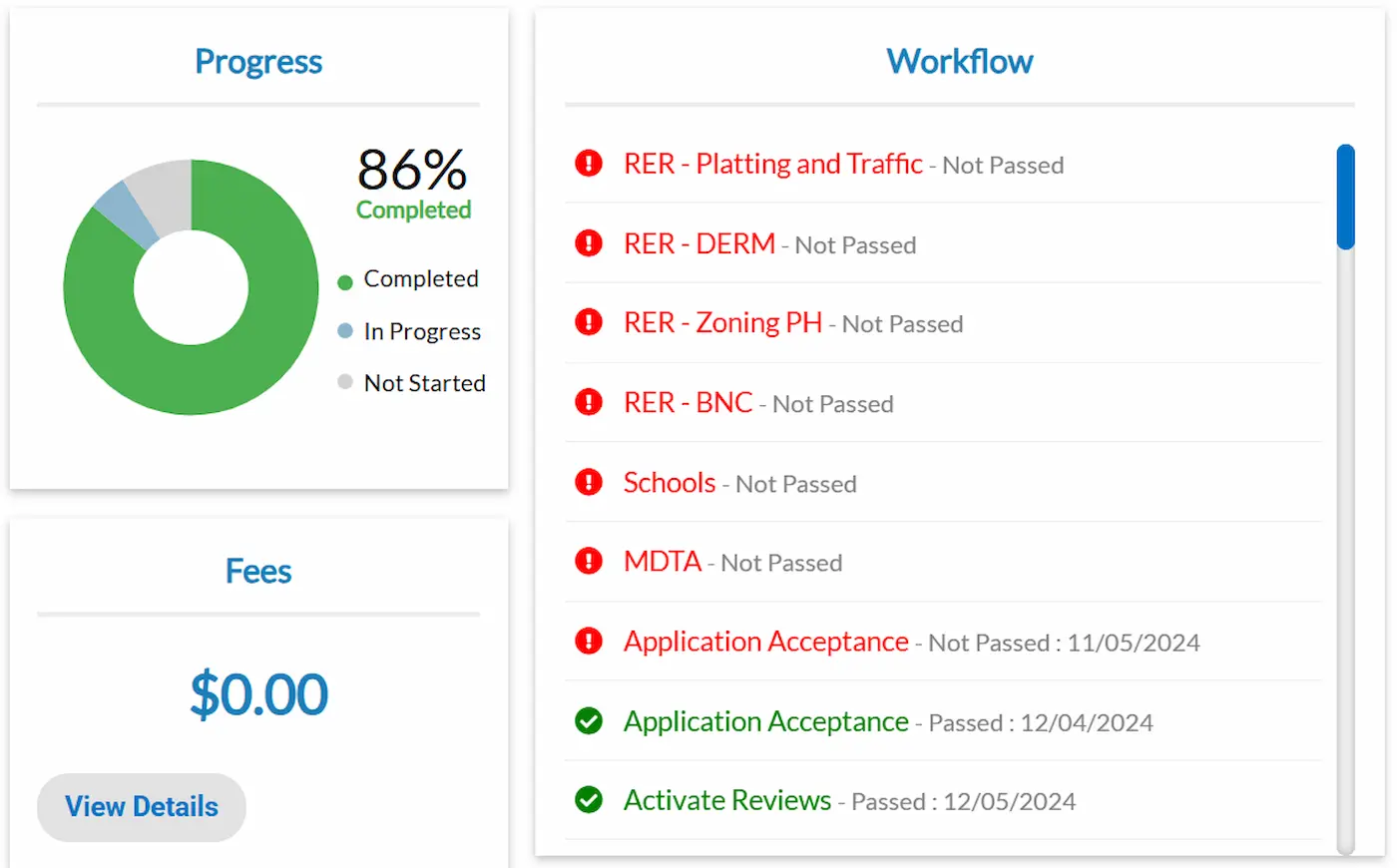
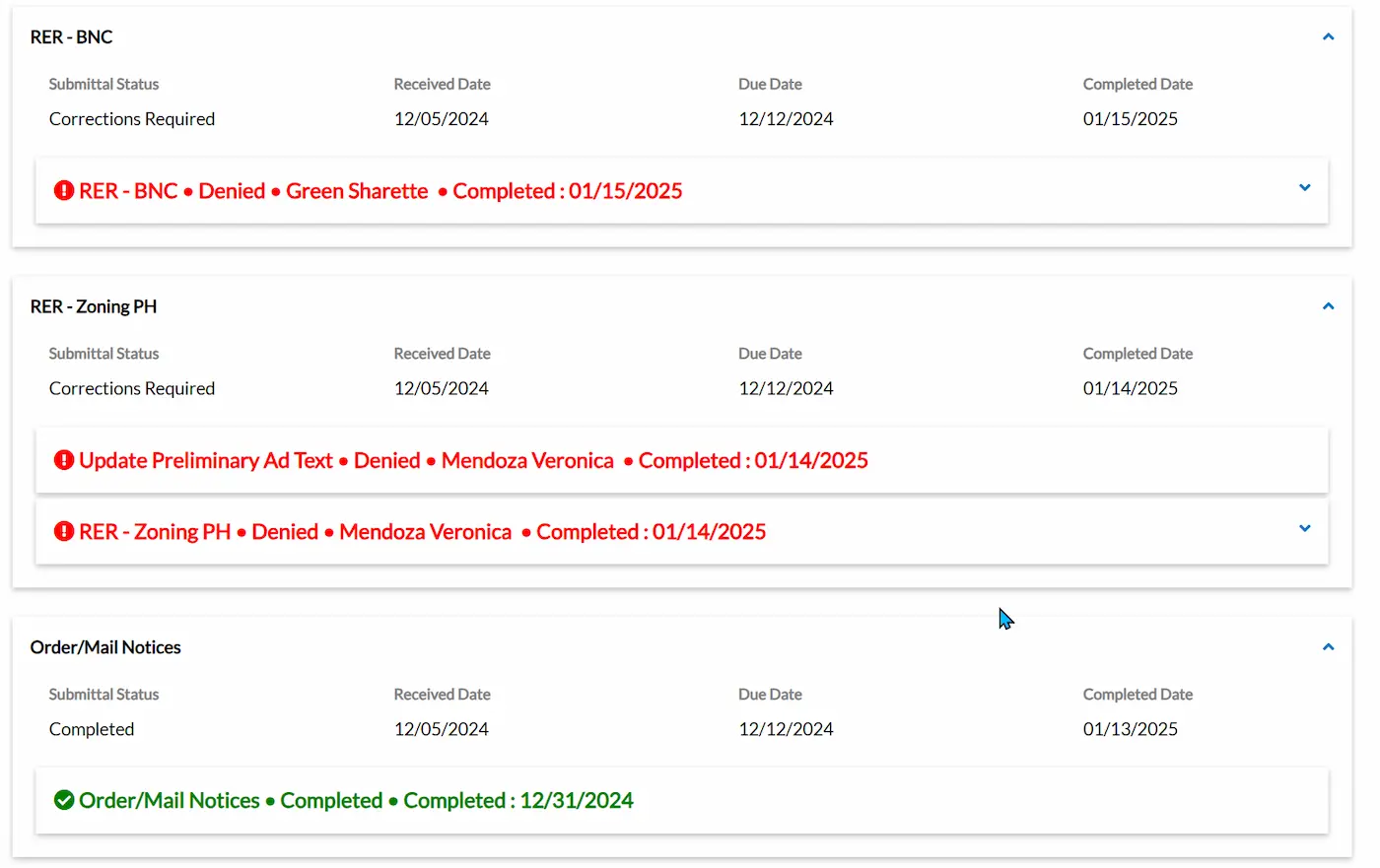
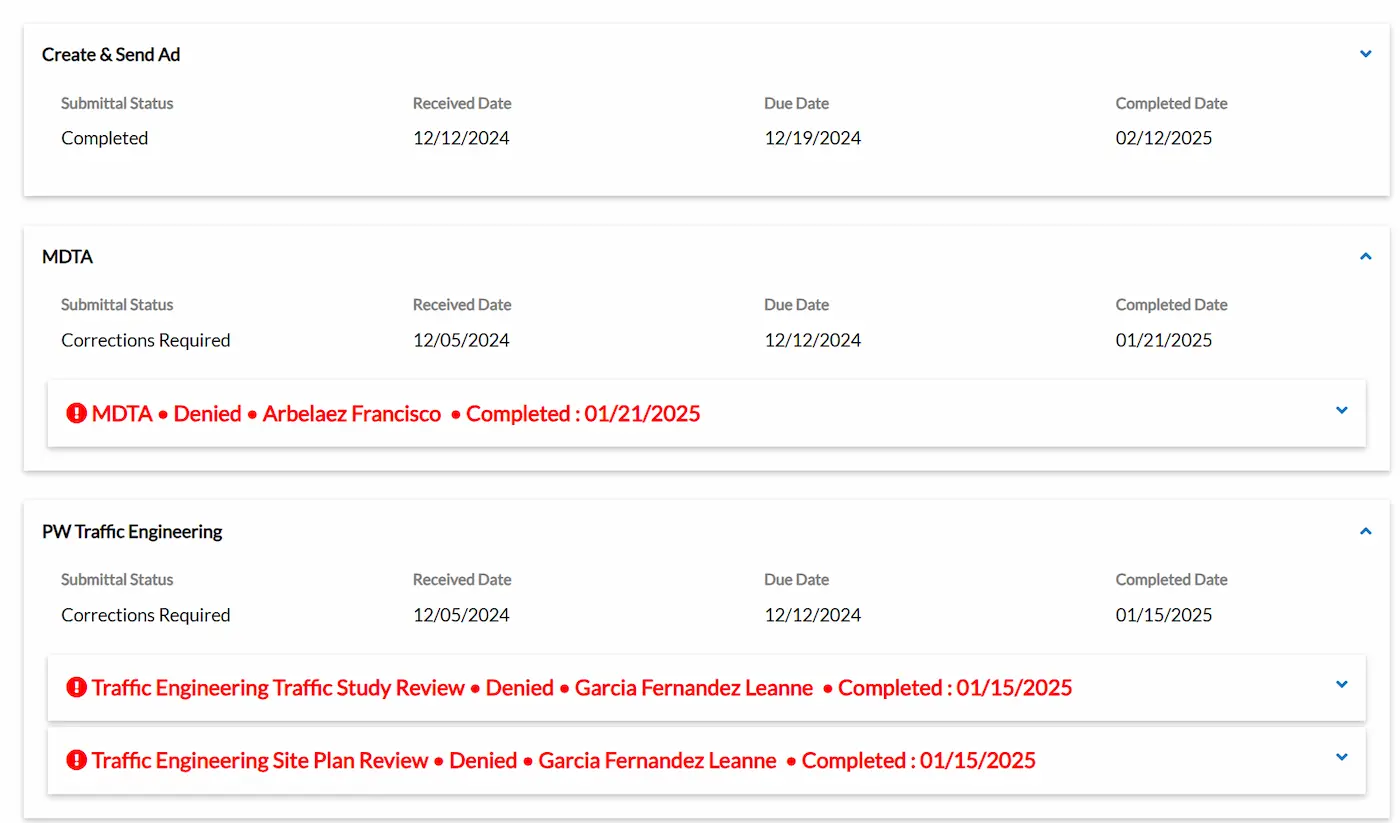
Revealing images of the case
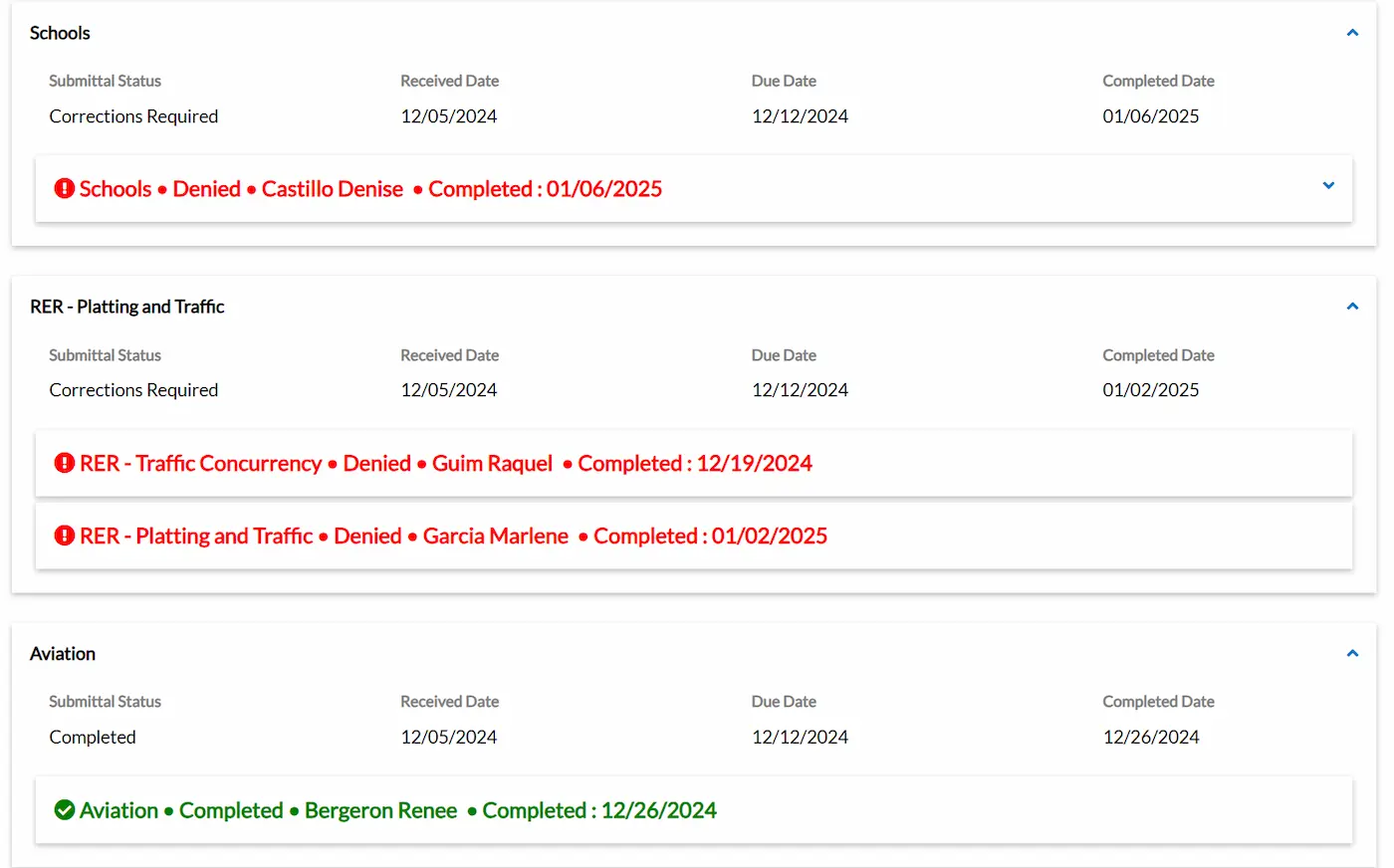
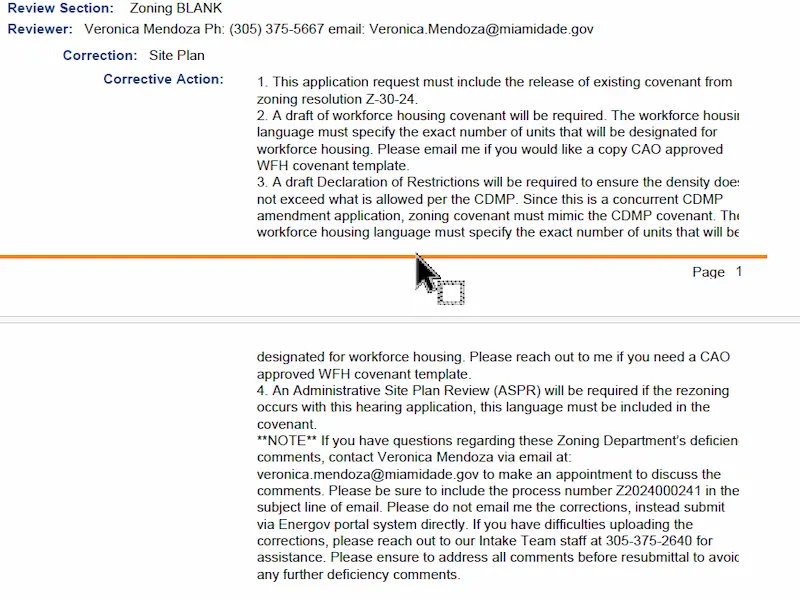
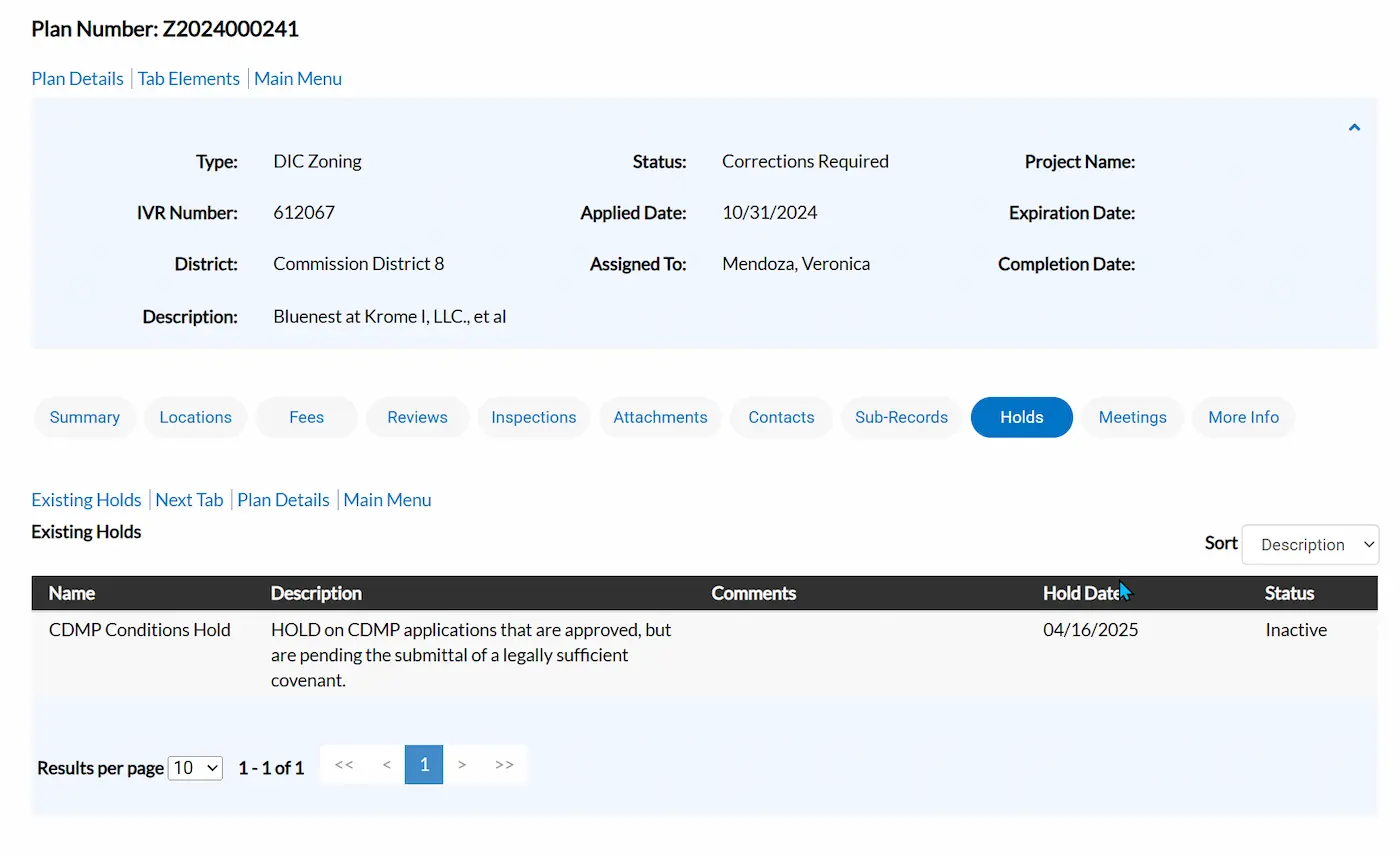
Zoning change
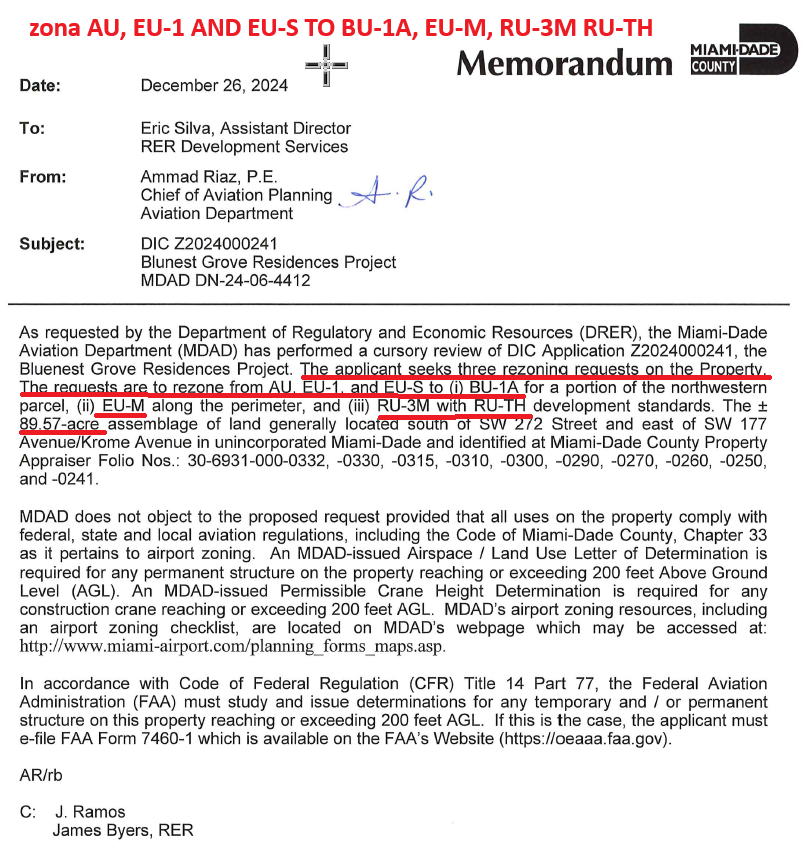
What do the AU, EU-1, EU-S, BU-1A, EU-M, RU-3M and RU-TH codes mean? Why is their change not automatically illegal, but it does represent a substantial break with the agricultural zones and low density vocation of the area, and should be analyzed against CDMP criteria, infrastructure, compatibility, drainage, schools, transportation and environmental conservation?
Original codes (PROTECT the field and the environment):
- AU (Agricultural District):
- AU is an agricultural district that permits agricultural uses and single-family residences on five-acre lots, in addition to accessory uses permitted by the code.
- Allows only agricultural sones use, crops, farms, nurseries, and dispersed housing.
- It is the greatest legal shield against urbanization.
- EU-1 and EU-S (Estate Districts):
- Rural or “country” residential areas.
- They only allow single-family homes on large lots (e.g., 1 acre or more per home).
- They maintain low density, preserve green spaces and ecological barriers.
Proposed codes (ALLOW urban encroachment):
- BU-1A (Business District):
- It allows commercial and business activities.
- It means that squares, stores, offices and small businesses can be installed where before there were only fields or rural houses.
- EU-M (Estate Modified):
- It allows more houses per acre, smaller lots, increases density and brings the city closer to the country.
- It facilitates “suburban” type development, destroying the original agricultural landscape.
- RU-3M (Multiple Family District):
- RU-3M permits multifamily housing with a maximum density of 12.9 units per net acre, subject to administrative site plan review. RU-TH permits townhouses with a maximum density of 8.5 units per net acre.
- It is the gateway to the massive construction of townhouses and rental buildings.
- RU-TH (Townhouse District):
- It allows townhouses or row houses, typical of urban areas.
- Changes the scale and character of the area from rural to urban, multiplying the original density by 5 or more.
Why is this a scandal?
- Changing from AU, EU-1 and EU-S to BU-1A, EU-M, RU-3M and RU-TH means legalizing the destruction of the countryside, agriculture and Miami-Dade’s last green lung.
- The commissioners and officials who approve these changes are betraying the agricultural vocation of the territory, favoring speculators and developers who only seek to maximize profits, regardless of the impact on the quality of life, the environment or the historical identity of South Florida.
- To allow this type of rezoning is to open the door to uncontrolled urbanization, collapsing services, eliminating protected wildlife and aggravating the affordable housing problem that, paradoxically, they claim to want to solve.
These changes are the fast track to the demise of Miami-Dade’s countryside and wilderness. If allowed once, it will be impossible to stop urban encroachment and the destruction of rural areas forever.
🛑 Extension of the Urban Boundary in 2022.
- In November 2022, county commissioners voted (8-4) to expand the UDB, adding approximately 380 acres-formerly rural farmland-to the area where Axios urban development is permitted.
- Despite an initial veto by Mayor Levine Cava, it was overcome with a sufficient majority, paving the way for projects such as South Dade Logistics and Technology District, and even intended to include the case in Krome or similar land The Miami Hurricane
🗺️ Trajectories of the Affected Territory
- South Dade Logistics and Technology District
- Proposed to be developed on agricultural land outside of the UDB, adjacent to Homestead.
- Although the court overturned the approval in March 2024, it remains a key example of an attempt to ruralize strategic Axios areas.
- Aligned Real Estate Holdings LLC
- Attempted another UDB motion in November 2022; the Court ruled that the law had been broken, invalidating the Miami-Dade County process.
- Redland/Krome
- Traditionally outside the UDB, protected to preserve agriculture and wildlife Action Network.
- With the expansion of the UDB, it is in imminent danger of massive urbanization.
📊 Summary Table: Expansions Outside of the UDB in 2022
| Project / Company | Land involved | State | Environmental and social impact |
|---|---|---|---|
| South Dade Logistics & Technology District | ~380 acres | Approved in 2022, then reverted in 2024 | Industrial agricultural urbanization: water risk, destroyed habitat, increased flooding |
| Krome Developer (potential inclusion) | Part of 339 acres | In process of inclusion + zoning | Destruction of green areas, risk of urban chaos |
| Aligned Real Estate Holdings LLC | Several UDB plots | Vote annulled for failure to comply with deadlines | Displays patterns of pressures to expand the UDB |
🛡️ Why protecting the UDB is crucial?
- Legal Safeguarding of the Countryside: The UDB exists to contain urban development and preserve agricultural land, ecological acreage and essential audubon ecosystems.
- Avoid indiscriminate urbanization: Each expansion enables massive construction, multiplies traffic, reduces the fragile water balance and destroys habitats.
- Community and legal resistance: State and federal environmental authorities opposed it, as did groups such as Audubon fl.audubon.org.
🟢 Defense strategy
- Focus on public/agri-food lands currently outside the UDB.
- Reject any boundary movement without full technical studies and environmental guarantees.
- Require that all development be concentrated within the UDB and prioritize the revitalization of pre-existing urban areas.
- Use recent court victories (such as with South Dade) as an argument to discourage future similar proposals.
- Publicly denounce the political approval of development outside the UDB as a corrupt practice and contrary to the environmental interest.
Strong legal precedent: court stops off-limit urban sprawl
The case in Krome is not isolated. Miami-Dade has already faced pressure from developers to break the construction limit and sacrifice farmland and areas vital to environmental restoration. A recent and compelling example is the court ruling against the South Dade Logistics and Technology District project:
“This is good news for Everglades restoration and our fight against the impacts of climate change. This property is a critical piece to the success of the Biscayne Bay Southeast Ecosystem and Everglades Ecosystem Restoration (BBSEER) Plan and brings significant benefits to the local environment. Losing it to development would have severely impacted the health of Biscayne Bay.”
– Laura Reynolds, Scientific Director of Hold the Line Coalition and BBSEER team member.
The Florida Court of Appeals ratified that the approval of the project was “null and void” for failing to comply with legal deadlines and for seeking to build on land reserved for environmental restoration:
“We are pleased that the court finally put a stop to this proposal that threatened low-lying agricultural land needed for flood mitigation; most of this area is only 2-4 feet above sea level and is earmarked for restoration efforts. It’s the wrong project in the wrong place and the mayor was right to veto it; her judgment has been recognized.”
– Paul Schwiep, environmental attorney.
The ruling not only saved hundreds of acres of fertile land, but sets a key precedent for future cases: attempts to bypass the Urban Development Boundary can not only be fought, but legally defeated when there is citizen organization, technical evidence, and public pressure.
✅ Conclusion.
The 339-380 acres approved outside the UDB in 2022 is a dangerous precedent. By defending this boundary, we defend our right to breathe clean air, conserve local food, protect wildlife and maintain our rural identity in the face of urban gambles with ecological usury.
“This precedent shows that the fight for green and against political corruption is not only legitimate, but can triumph in the courts.”
Interested in this topic? Read the next article and stay informed about everything that affects our community. Visit our homepage: newsmiamidade.com/en