
Federal Judge Blocks DeSantis Order Against Muslim Groups: Constitutional Protection or Imminent National Security Risk? This ruling poses a grave national danger.
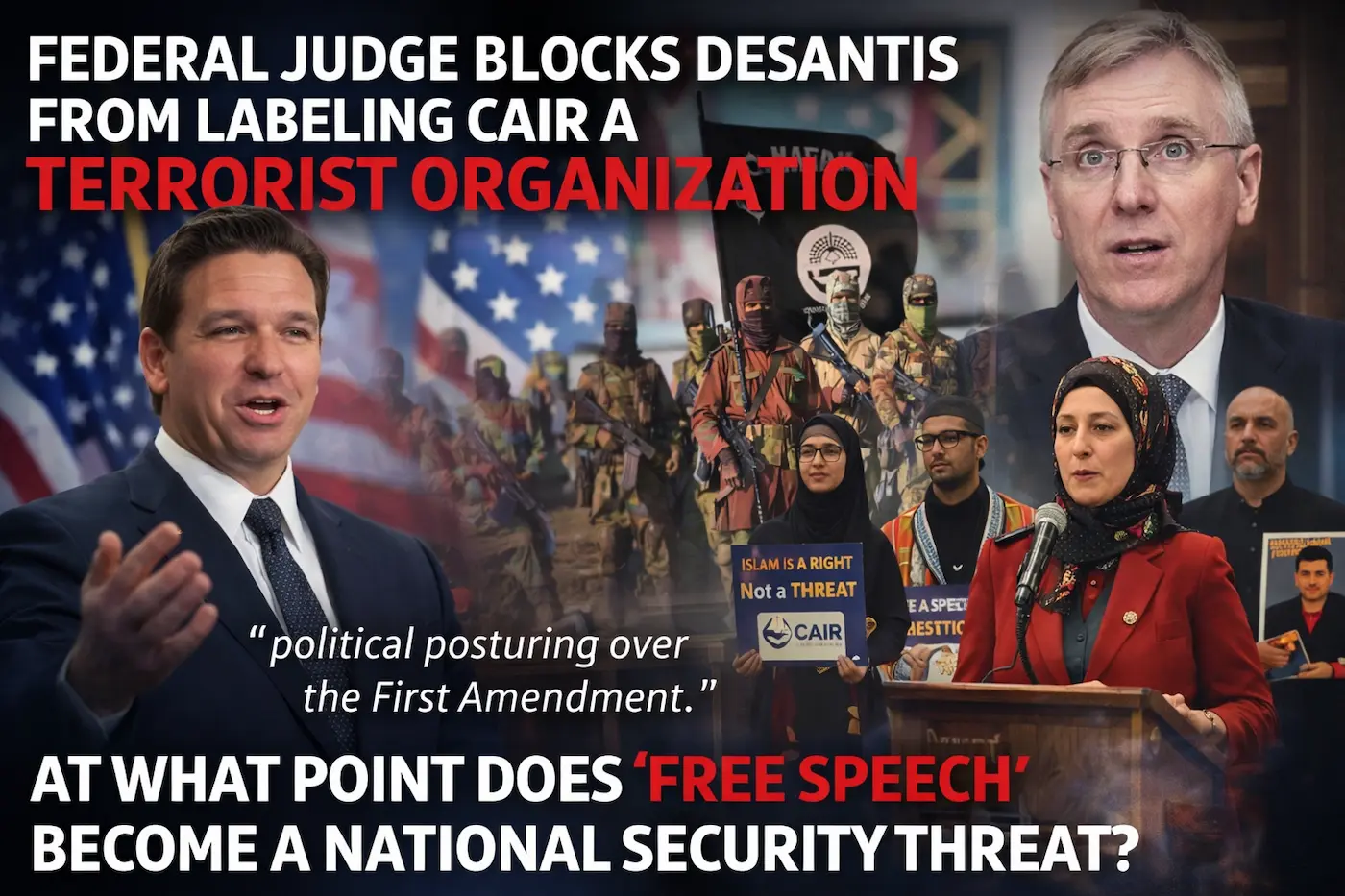
U.S. District Judge Mark E. Walker’ s ruling was unambiguous. In his 30-page order issued on March 4, 2026, he held that Gov. Ron DeSantis chose “political posturing over the First Amendment” and was using his office to “make a political statement at the expense of others’ constitutional rights.”
Walker was even more direct:
“The question before this Court is whether the Governor can, in a non-emergency situation, unilaterally designate one of the largest Muslim civil rights groups in America as a ‘terrorist organization’… This Court finds he cannot.”
Although he acknowledged the seriousness of Islamist terrorism
“The October 7, 2023, terror attacks in Israel were horrific. Full stop. Hamas is a wicked organization. Full stop,” he made clear the limited scope of the case: “But this case does not turn on these indisputable facts.”
The court, in essence, is not saying that there are no threats. It is saying that the governor cannot unilaterally designate an organization as a terrorist without federal due process. But does that protect Americans?
However, beyond the constitutional technicality, this ruling poses a serious national danger:
Is the strict interpretation of the First Amendment becoming a strategic vulnerability that exposes the United States to risks of radicalization and ideological penetration?
The critical point is that, by blocking preventive measures, judges may be underestimating real threats, allowing global Islamist networks to operate under the cloak of freedom of expression and association.
The organization in question is the Council on American-Islamic Relations (CAIR), one of the largest Muslim civil rights organizations in the U.S., with more than 20 chapters.
And the inevitable ideological reference is the Muslim Brotherhood, founded in Egypt in 1928, which has been banned or restricted in several countries for security considerations.
Documented background on the Muslim Brotherhood reveals an alarming record:
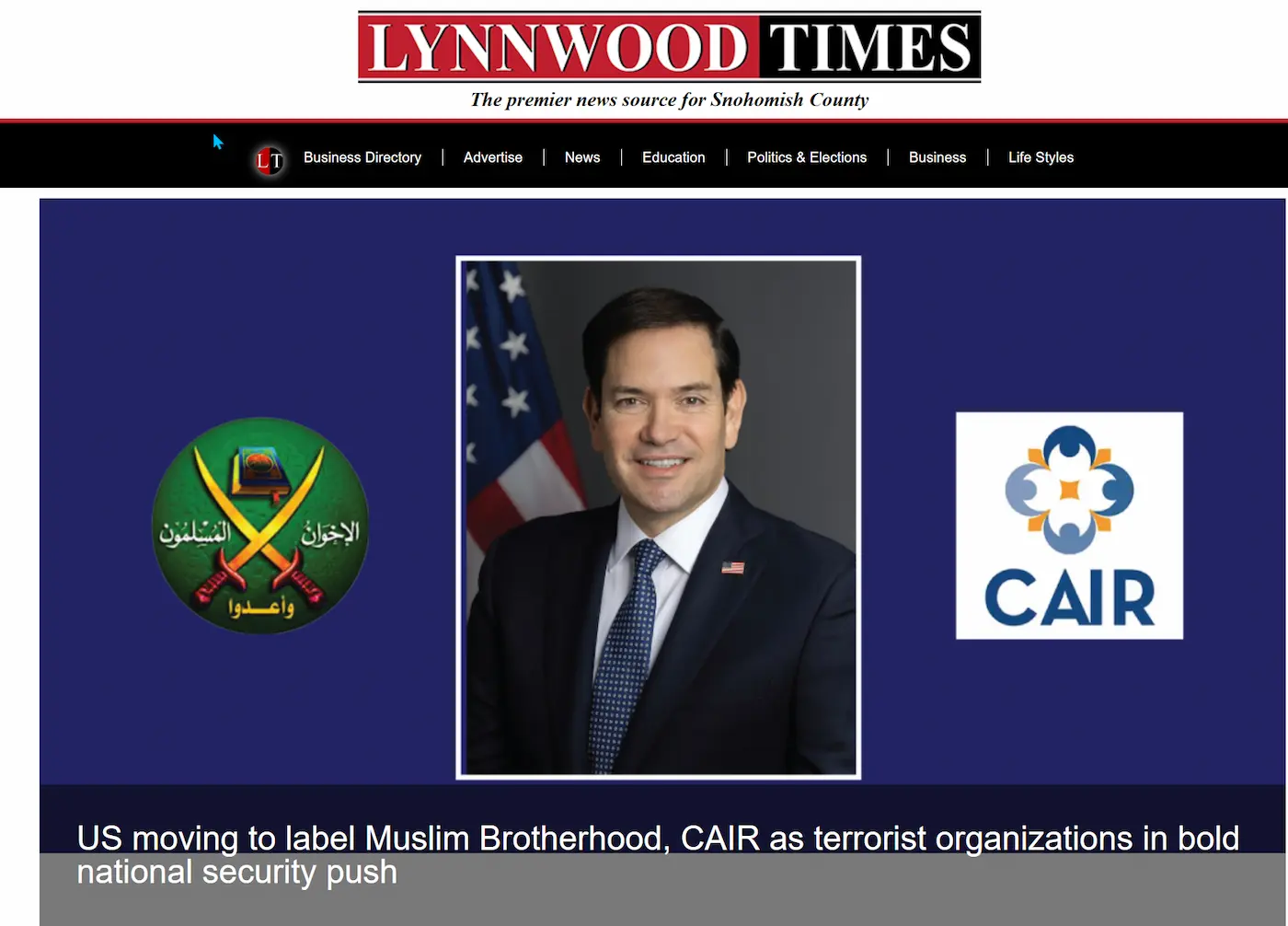
It has been designated a terrorist organization by governments such as Egypt, Saudi Arabia and the United Arab Emirates. Hamas – designated a terrorist organization by the U.S. – historically emerged as the Palestinian branch of the Brotherhood.
Documents seized in federal proceedings, such as the Holy Land Foundation case in 2007, mentioned support networks linked to Brotherhood ideological structures on U.S. soil.
It is important to be precise: that does not automatically equate to every Muslim organization in the U.S. being terrorist. But there is a history of federal investigations into ideologically associated networks, which represents a latent national security risk if not proactively addressed.
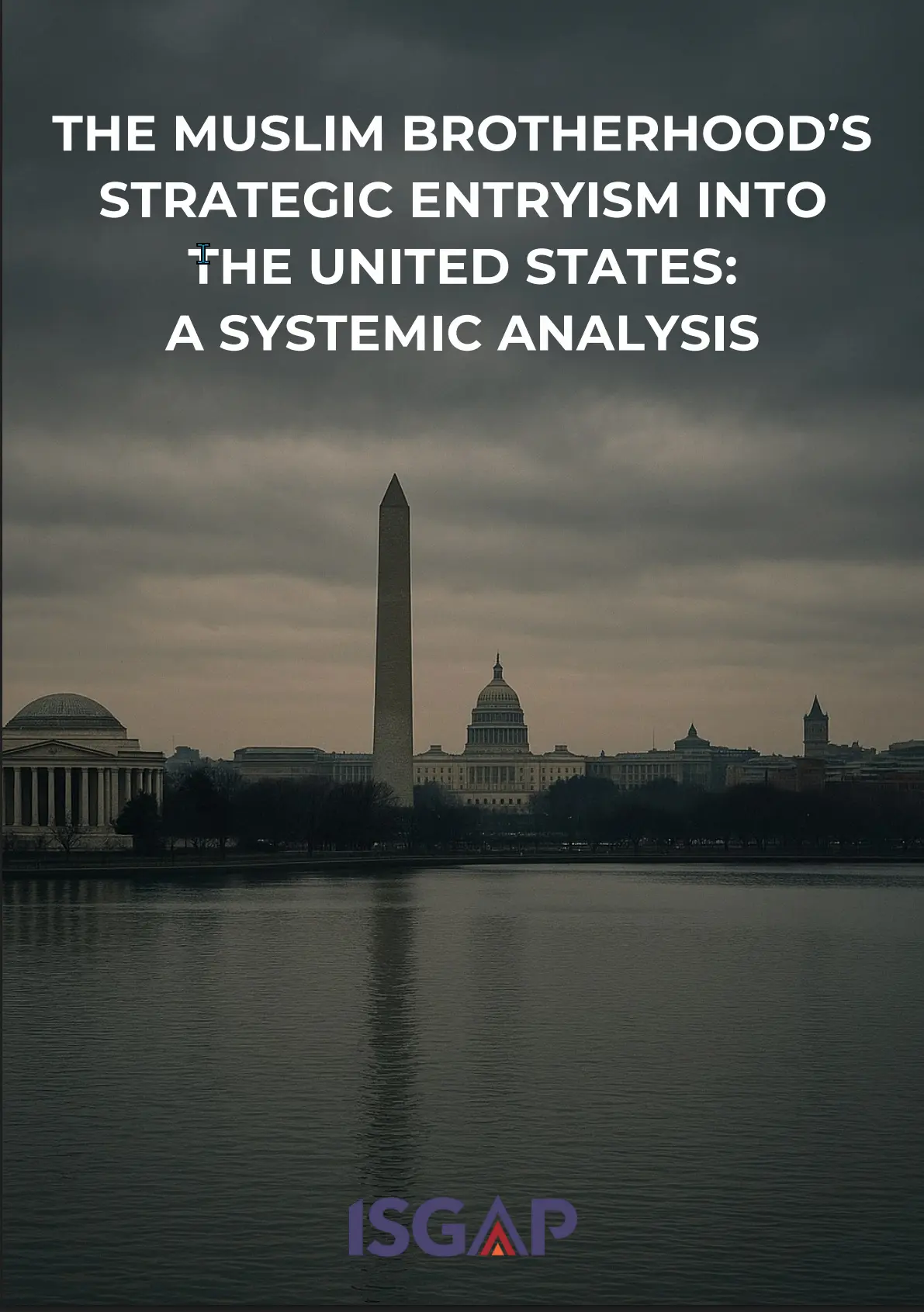
THE MUSLIM BROTHERHOOD’S STRATEGIC ENTRYISM INTO THE UNITED STATES: A SYSTEMIC ANALYSIS
Holy Land Foundation for Relief and Development (HLF)
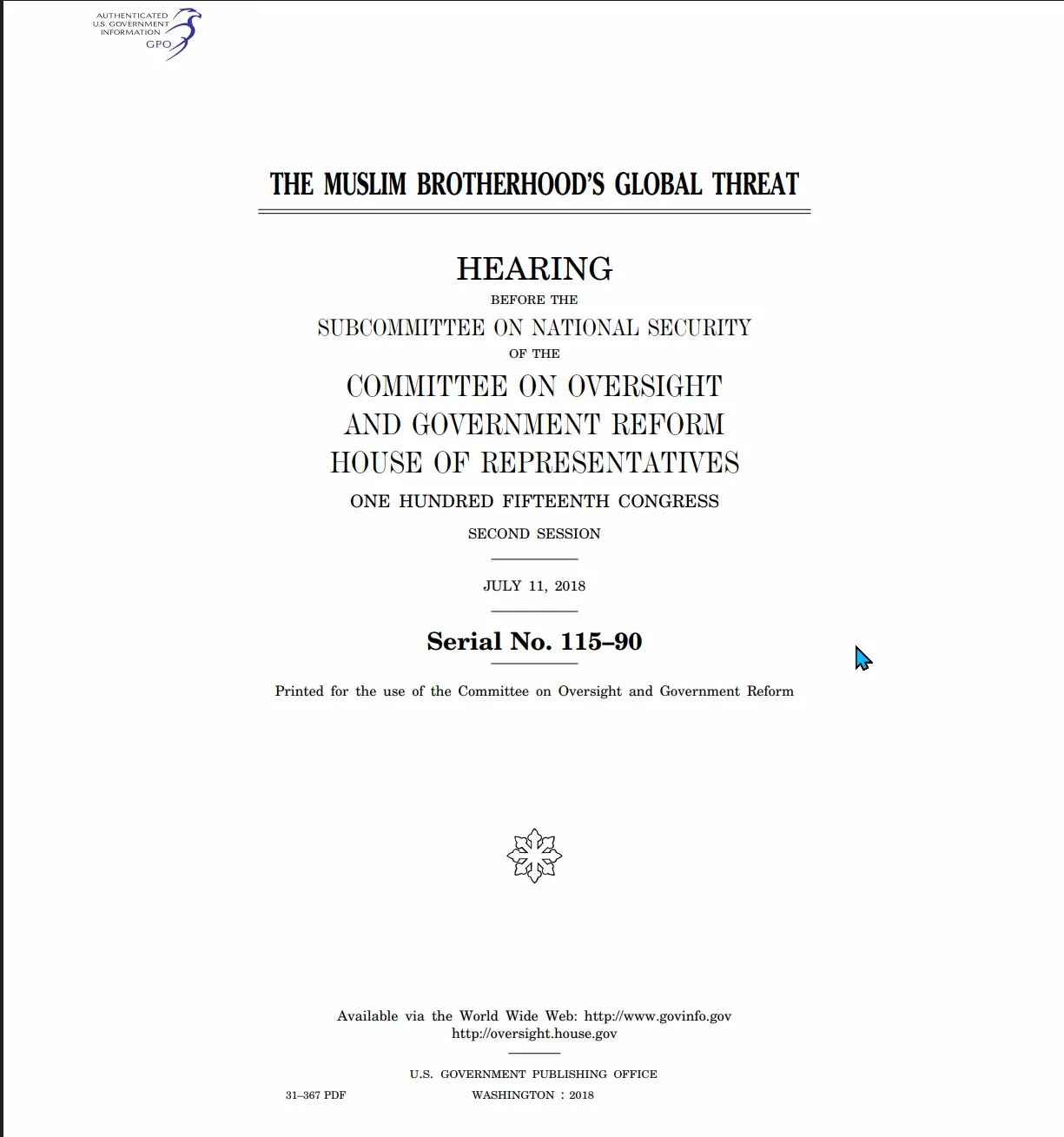
THE MUSLIM BROTHERHOOD’S GLOBAL THREAT
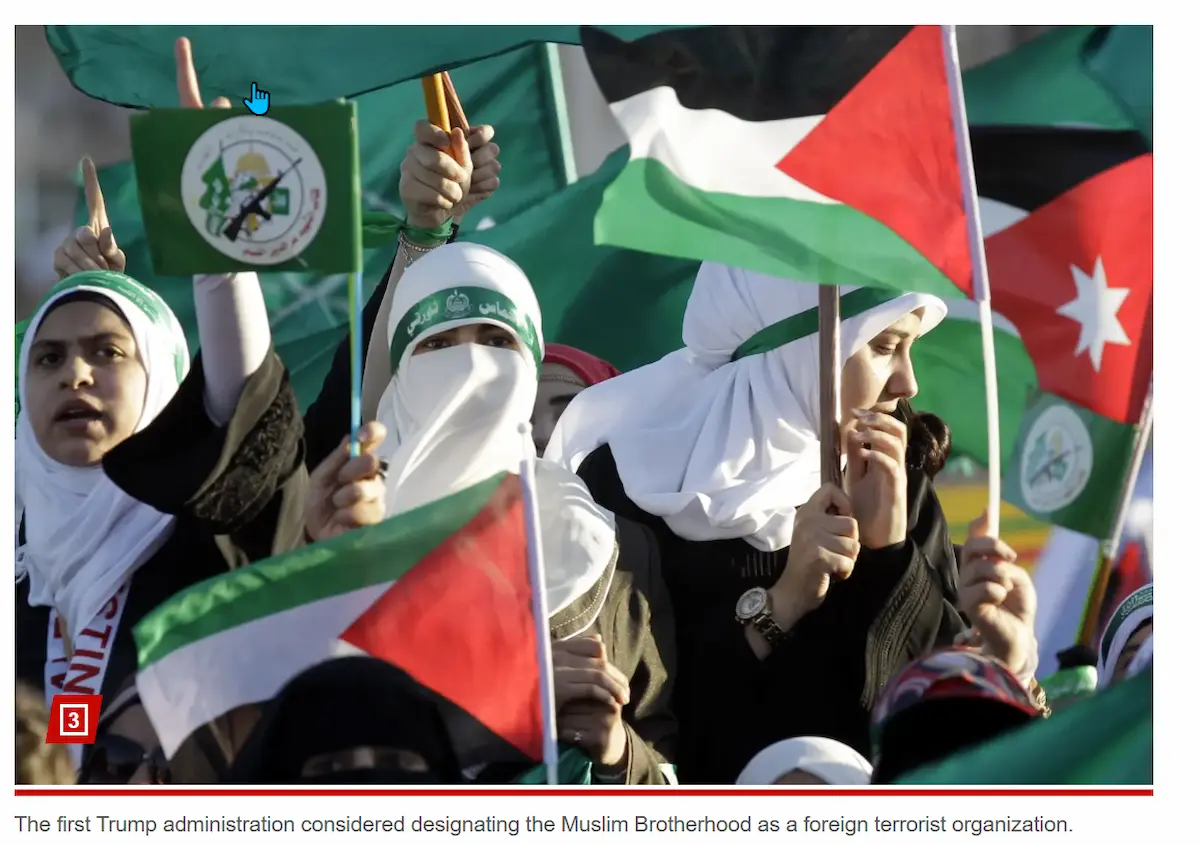
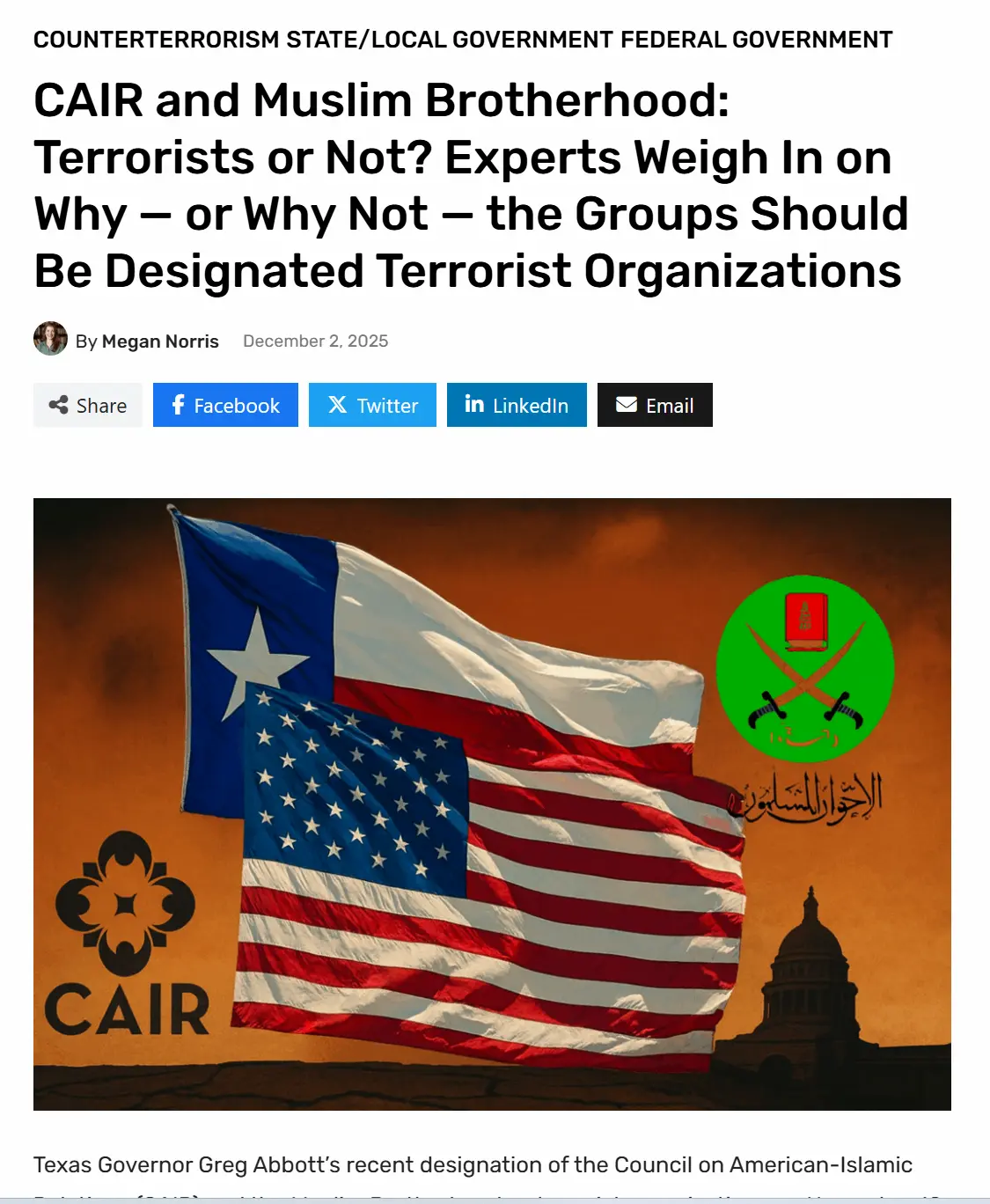
CAIR, for its part, has been embroiled in historical controversies that have raised concerns in security sectors:
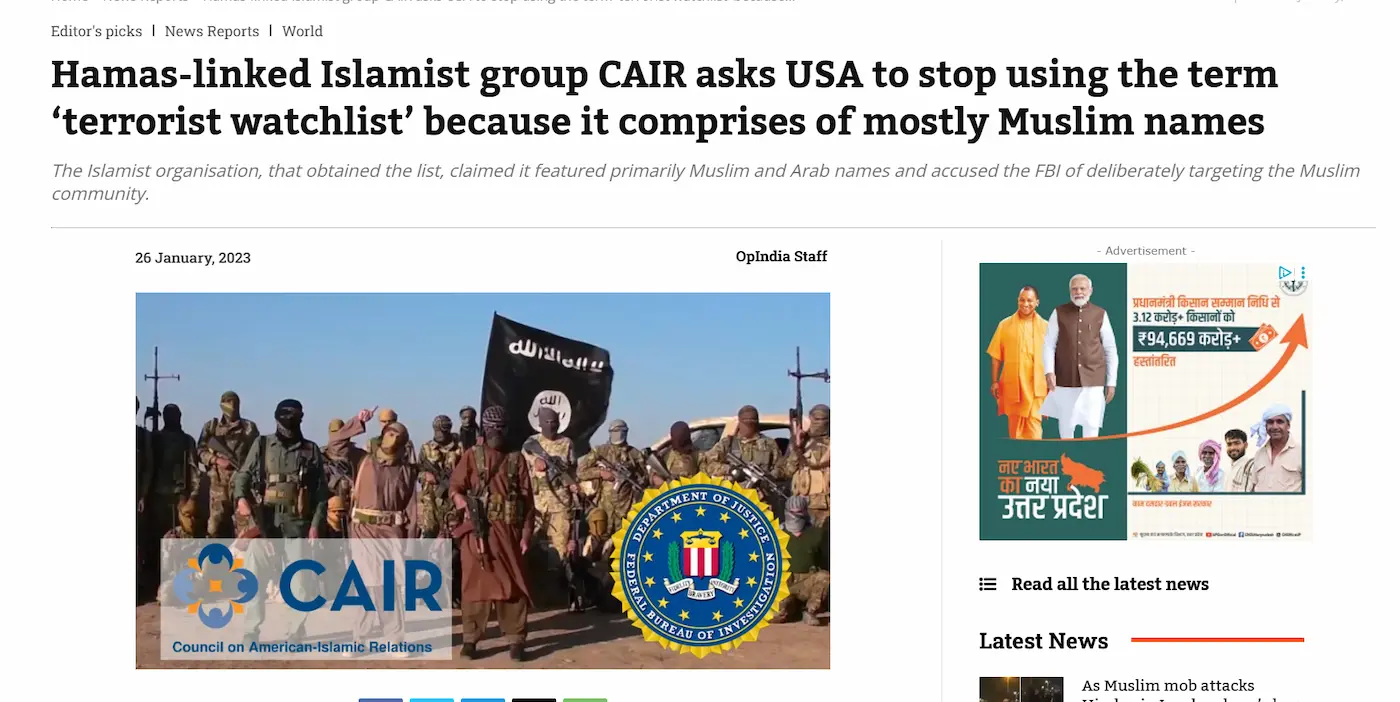
CAIR was named as an “unindicted co-conspirator” in the Holy Land Foundation case (although this designation was later challenged in court).
The FBI, in 2008, formally suspended its liaison relationship with CAIR until possible links were clarified. CAIR has maintained a strong stance in support of Palestinian rights, which in the post-October 7, 2023 climate generated additional political tension.
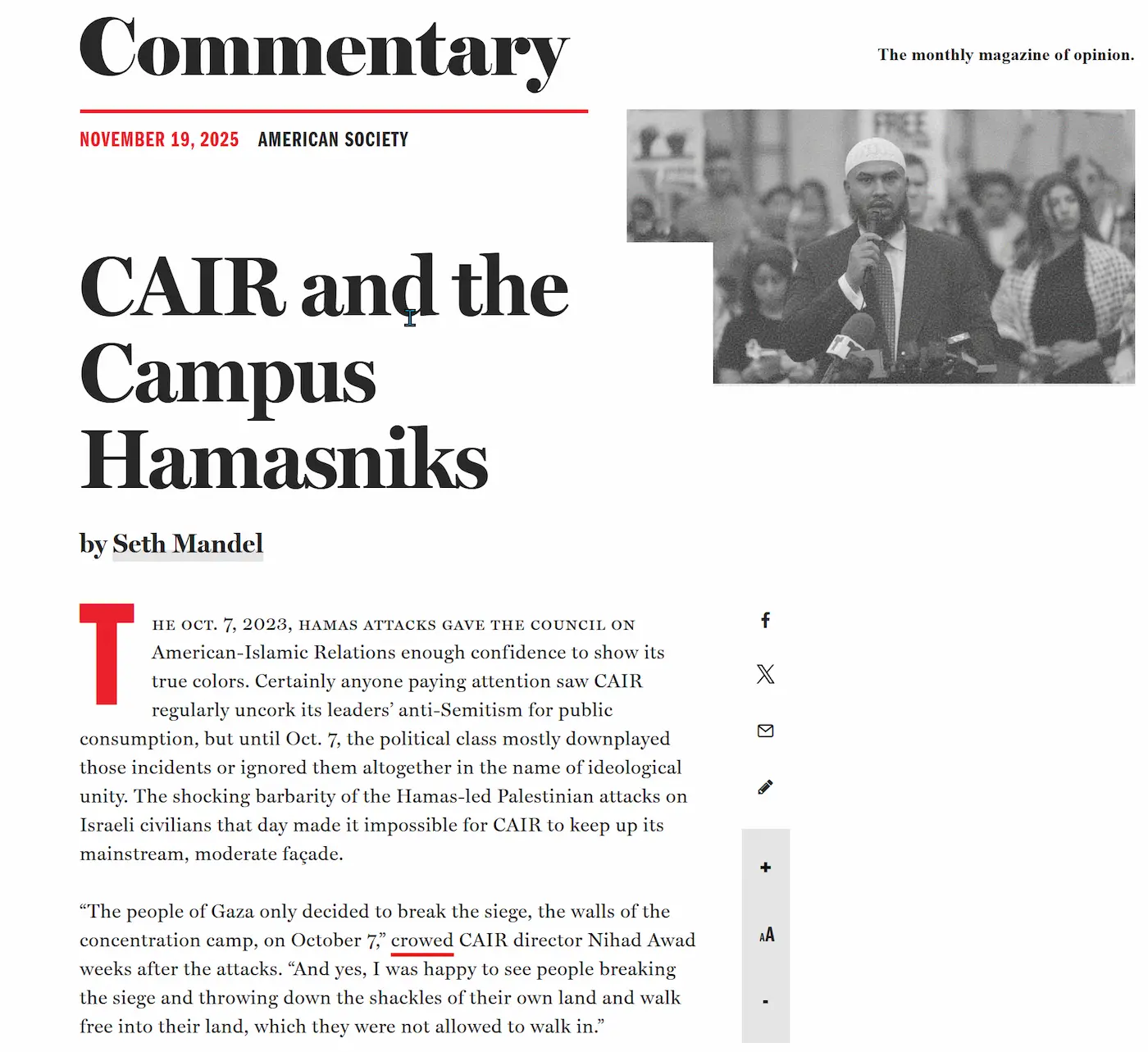
None of this constitutes a criminal conviction, but it explains why there is public debate about his position and past ideological connections, and why ignoring these facts could expose the country to increasing dangers of radical influence.
The comparison with Europe is not an exaggeration, but an urgent warning about the national danger.
In countries such as the United Kingdom, governments have had to deal with radicalization networks in mosques and cultural centers, Islamist attacks in London and Manchester, and parallel communities with little civic integration.
Official investigations into the Muslim Brotherhood’s influence on community structures have revealed that it operates in the West through legal and social structures, promoting a gradualist rather than directly violent agenda.
The result: a more fragmented society, with growing tensions between religious freedom, multiculturalism and national security. What some see as pluralism, others interpret as permissiveness that has allowed attacks and institutional erosion.
In the U.S., the fear expressed by conservative sectors is that institutional permissiveness -protected exclusively by freedom of expression- may facilitate ideological penetration before the authorities react, leading to similar scenarios of instability and internal threats.
The core of the conflict is clear:
The judge was adamant that the governor cannot bypass federal due process. But the underlying concern is strategic and national security: are there real ideological risks linked to global Islamist networks, are they being underestimated under a purely constitutional approach, or is an attempt being made to criminalize protected political speech?
The court answered only the legal question, not the strategic one.
By emphasizing the Constitution’s emphasis on preventive measures, this ruling could be inviting a greater national danger, where latent threats are consolidated without timely intervention.
The United States faces a classic tension: defend the First Amendment even when it protects uncomfortable speech, or prioritize a preemptive interpretation of national security to avoid catastrophe.
The judge said that the Constitution cannot yield to political statements.
Supporters of the executive order argue that ignoring international standards can be naïve and dangerous, exposing the country to domestic radicalization and future attacks. The European experience shows that failed integration policies have real consequences – deaths, social divisions and institutional weakness.
But it also demonstrates that eroding fundamental freedoms can create permanent fractures.
The discussion must be based on concrete evidence, verifiable intelligence and sound legal standards – not slogans.
For if this case demonstrates anything, it is that the line between security and liberty is extremely fine, and prioritizing a judicial interpretation that minimizes risks could jeopardize the national security of the entire nation.
📰 Stay informed with the latest news!
Would you like to receive more information like this directly on your screen?
Visit our home page and find out what’s happening in South Florida: local news, events, weather, sports and much more.
Click here! newsmiamidade.com/en
Don’t miss a single detail. #MiamiDade #News #Florida