
Miami-Dade and UM 108-year agreement: ALERT for century-old public land contracts – Why so far away?
Miami-Dade Blocks Leases with University of Miami Until 2134: Centennial Agreement Raises Questions Over Use of Public Lands. In a move that spans generations, Miami-Dade County commissioners are poised to approve a series of lease extensions with the University of Miami (UM), granting the institution control over key parcels of county-owned land in the Health District through Sept. 30, 2134.
A staggering 108 years from now. Sponsored by District 3 Commissioner Keon Hardemon, the proposals, detailed in five items on the Feb. 4 board meeting agenda, seek to solidify a long-standing partnership between the county’s Public Health Trust and UM Miller School of Medicine on the campus of Jackson Memorial Hospital (JMH).
The documents – memoranda from County Attorney Geri Bonzon-Keenan – outline amendments to existing leases for specific folios in the Civic Center area, including properties used for medical education, research and clinical operations. Each extension revises terms on use (limited to health and education), subleases, termination rights, insurance and defaults, while waiving several county resolutions designed to ensure competitive and transparent land dispositions.The Scope of the Extensions
The five items cover distinct but interconnected plots:
- Item 2(I) (260139.pdf): Extends a lease for folios 01-3135-066-0010 and part of 01-3135-058-0020.
- Item 2(G) (260137.pdf): Covers two amendments to folio 01-3135-058-0010.
- Item 2(F) (260136.pdf): Addresses folio 01-3135-043-0010, with additional background check requirements.
- Item 2(E) (260135.pdf): Refers to folio 01-3135-065-0020.
- Item 2(D) (260134.pdf): Focuses on folio 01-3135-065-0030.
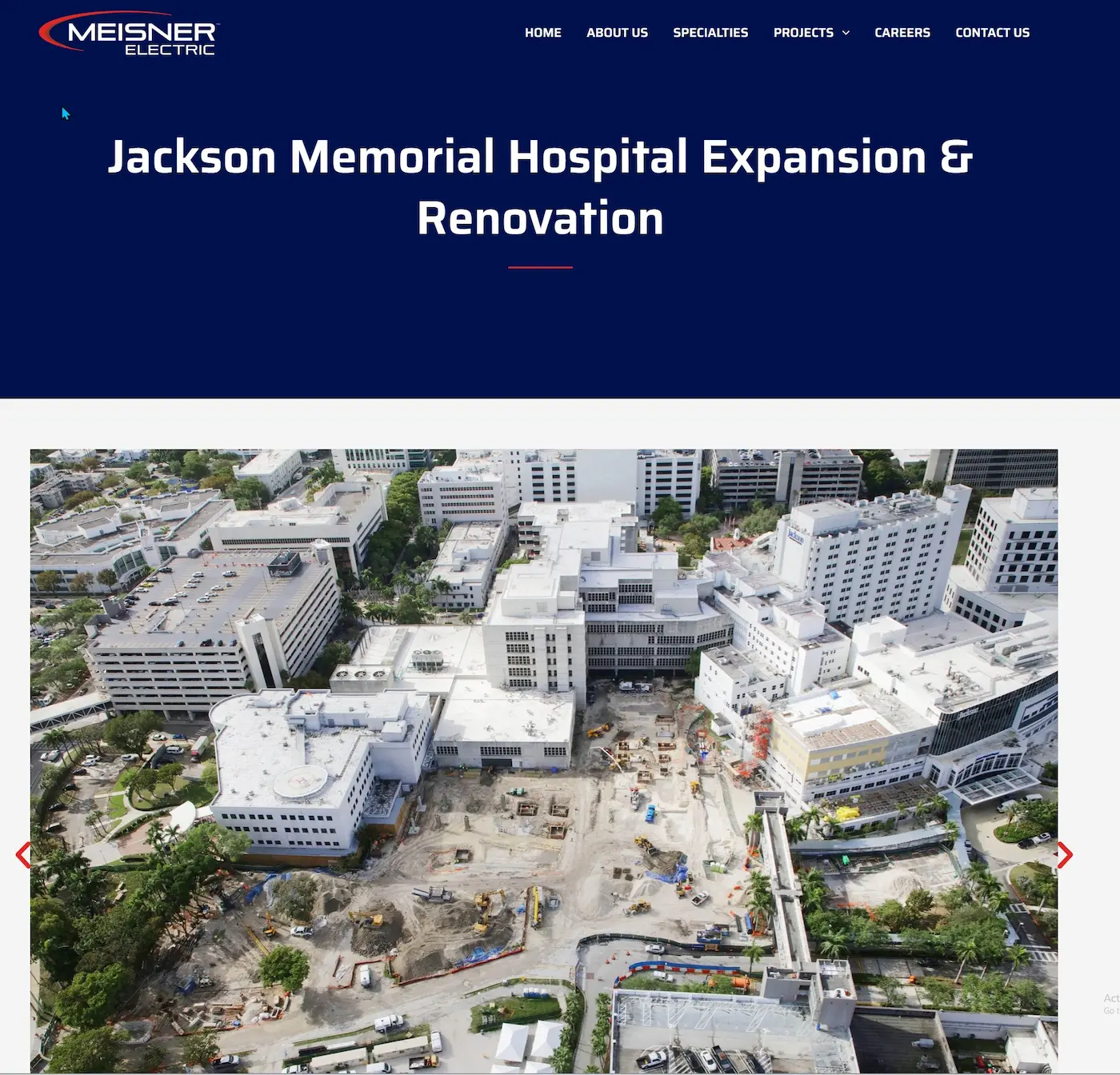
These properties are part of the sprawling JMH complex, where UM provides about 90 percent of the physicians and trains future doctors. The extensions, if approved, would push the expiration dates well beyond the current deadlines, which were already set around 2081 in some cases.
Why Such a Long Horizon?
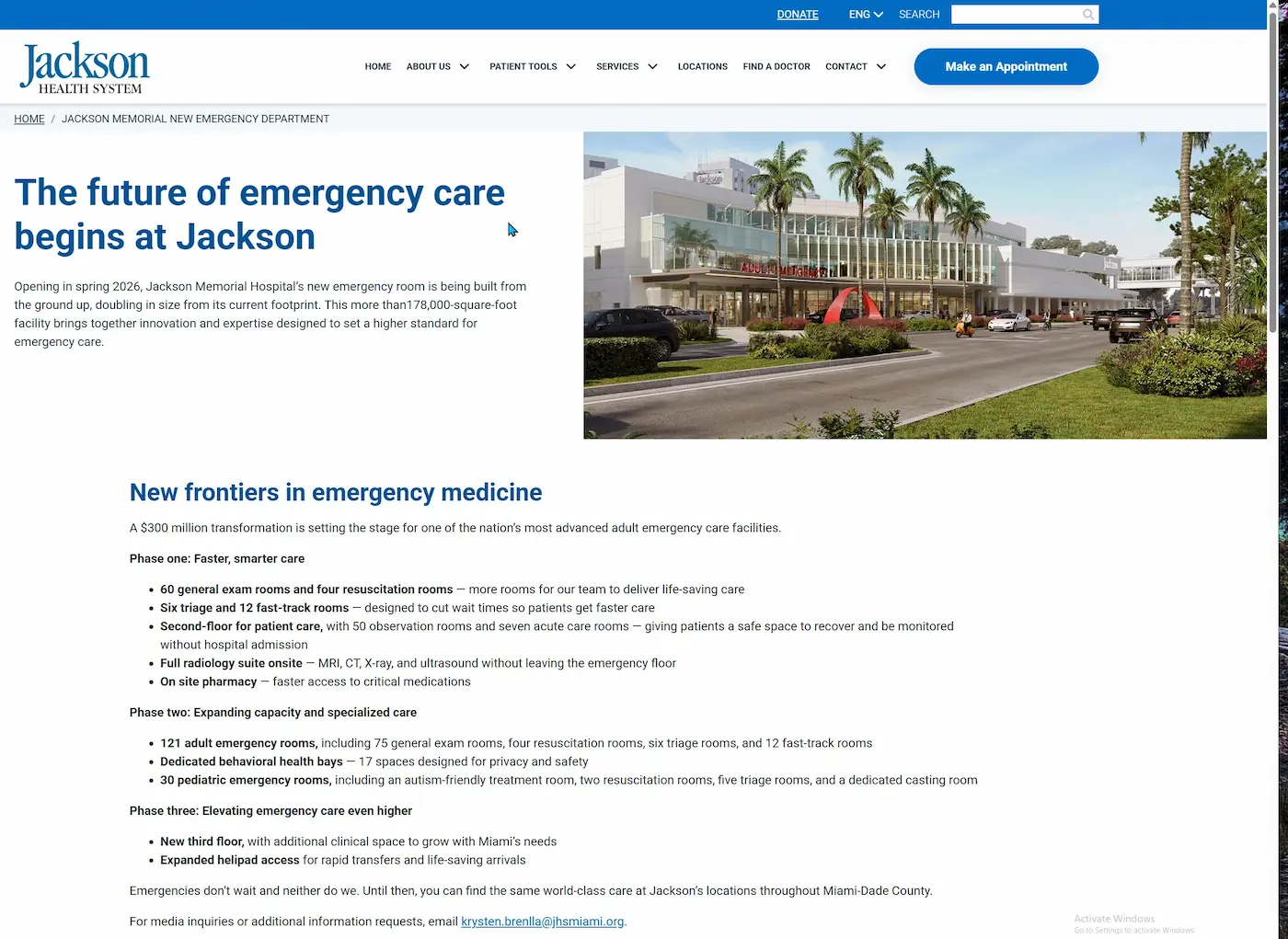
County officials argue that the ultra-long terms promote stability in a public-private partnership that dates back to the 1950s. UM’s role at JMH is vital: It operates trauma centers, burn units and educational programs that serve Miami-Dade’s underserved populations. Long leases encourage private investment in infrastructure, such as the $300 million expansion of the emergency room at JMH, scheduled for completion later this year.
Similar deals are not unusual in hospital developments. For example, a recent 99-year lease with Related Urban Group for affordable housing on JMH land is projected to generate more than $1 billion for Jackson Health System over its term, funding improvements without burdening taxpayers. The 2134 date could align multiple leases on campus to a distant, unified endpoint, avoiding frequent renegotiations amid political shifts.
However, the exact justification for “2134” – rather than a more conventional 99 years – remains opaque in the documents. Some speculate that it could be a strategic choice to “future-proof” the Health District against redevelopment pressures, or even a typographical error for “2034.” Under Florida Statute 125.38, such arrangements are permissible for nonprofits that benefit the public, but critics question whether they tie up valuable land indefinitely.
The real problem: 108 years are not judged by the number, but by the “locks”.
A century-old deadline may be defensible if the county maintains strong controls. But there are elements here that deserve scrutiny.
1) Waivers reducing transparency and review controls
The resolution waives the requirements of resolutions R-64-16, R-1000-14, R-407-19 and also certain provisions of Implementing Order 8-4. 260139
And it is not a minor “waiver”: the text lists that IO 8-4 is set aside, among other things, regarding:
- administrative procedures and determinations of the Major and internal departments,
- the requirement that the right of termination for failure to comply with the purpose of the lease be automatic,
- and consultation with Risk Management on insurance. 260139
This is important because a 108-year contract, with no automatic triggers and less technical review, tends to become a “shielded” instrument for the lessee and costly to correct for the public.
2) Subleases without consent (only “notification”)
The text replaces the sublease article and provides that UM may sublease “all or any portion” with simple notice, without consent of the County or the Trust, provided it is a “Permitted Use”. 260139
If the sublease is not a “Permitted Use”, then it does require consent of the County via the Board. 260139
Translation into citizen-speak: the County gets vetoed only if the use goes outside the lane; within the lane, UM has operational freedom.
3) Non-monetary defaults: wide window to “cure”.
In non-monetary defaults, the document states that the County may not exercise remedies unless the default remains uncured 30 days after notice, with additional “reasonable” extension if it cannot be cured in 30 days, provided that “commercially reasonable diligence” is exercised. 260139
In long contracts, this type of language can make execution slow and litigious, not automatic.
The question that the document does not answer (and the public should demand)
The most delicate thing about a lease at 2134 is not “that the medicine changes”.
It is this:
What mandatory mechanisms are in place to re-open the agreement every X years and adjust revenues, performance, obligations and real public utility?
In 75-99 year agreements, it is healthy to see clear “re-openers”: periodic reviews, metrics, audits, and automatic consequences when milestones are not met. If those “re-openers” are weak or non-existent, the County is tied to a document that the future will have to endure, even if the reality is different.
Potential Concerns and Red Flags
Although no direct controversies have arisen thus far – waivers of standard rulings (such as R-64-16 for leasing policies) could invite scrutiny.
These omissions streamline the process but reduce oversight, potentially favoring UM in a district where land values are skyrocketing amid Miami’s growth.
Past tensions between UM and Jackson, such as 2014 disputes over referral fees, underscore the need for transparency. Locking in agreements for more than a century means future generations inherit the terms, with limited recourse for changes in health care needs or economic conditions.
Looking Ahead
If approved, these extensions could strengthen Miami-Dade’s status as a medical center, supporting projects such as new hospice facilities and workforce housing. For residents, it means continued access to world-class care at JMH. But as Commissioner Hardemon moves forward, calls for public input grow – is this a visionary investment or a generational gift?
Stay tuned for updates on the board vote.
What do you think, readers? Share your opinions in the comments.
When a long deadline IS a red flag
Not because of “108”, but because of these pieces:
- Low rent or loose formulas
If the fee is not recalculated in a robust way (indexing/market), a long contract becomes a “giveaway” over time. - Waivers / waivers of controls
When the package includes exceptions to hiring rules, supervision, etc., the long term amplifies the problem. 260139 um ojo 108 anos extension - Easy use changes
Medicine changes; if the “permitted use” ends up becoming too open (or if it is approved to be changed without a strong process), then yes: it can be an avenue for future uses that are not being said today. - No “re-openers” (mandatory reviews).
A serious 75-99 year contract usually has review mechanisms: every 5-10 years (rent, performance, metrics, audits, construction milestones, penalties). If that is not in place, it is a “blind” contract.
The raw conclusion
108 years alone does not prove concealment.
108 years + waivers + weak rents + easy changes of use + little taxation = it does look like a structure to “tie the hands” of the taxpayer for generations.
Because the ultimate question is not “is UM good or bad?” The question is: is the County protecting the public interest with robust controls, or is it signing a blank check for generations?
Stay informed with the latest news!
Would you like to receive more information like this directly on your screen?
Visit our home page and find out what’s happening in South Florida: local news, events, weather, sports and much more.
Click here! newsmiamidade.com/
Don’t miss a single detail. #MiamiDade #News #Florida
Sources: Miami-Dade County agenda documents; Jackson Health System reports. Miami-Dade County agenda documents – item 2(I) (Second Amendment to Lease Agreement with UM; extension to 2134; waivers; conditions of sublease, default and administration by Trust).