
Miami-Dade Animal Services: More staff = fewer results. Why the shelter runs below its potential (and how to fix it now)
Thesis. The central problem at Miami-Dade Animal Services (MDAS) isn’t a “people shortage,” it’s a system shortage. Positions are added—including communications roles—but root causes that stall adoptions, pack kennels, and raise costs aren’t fixed. Result: services that don’t exist in practice (no appointment slots, broken links), reactive decisions, and opaque metrics. Meanwhile, neighboring counties run with clinic networks and data dashboards that actually solve problems.

What we reviewed
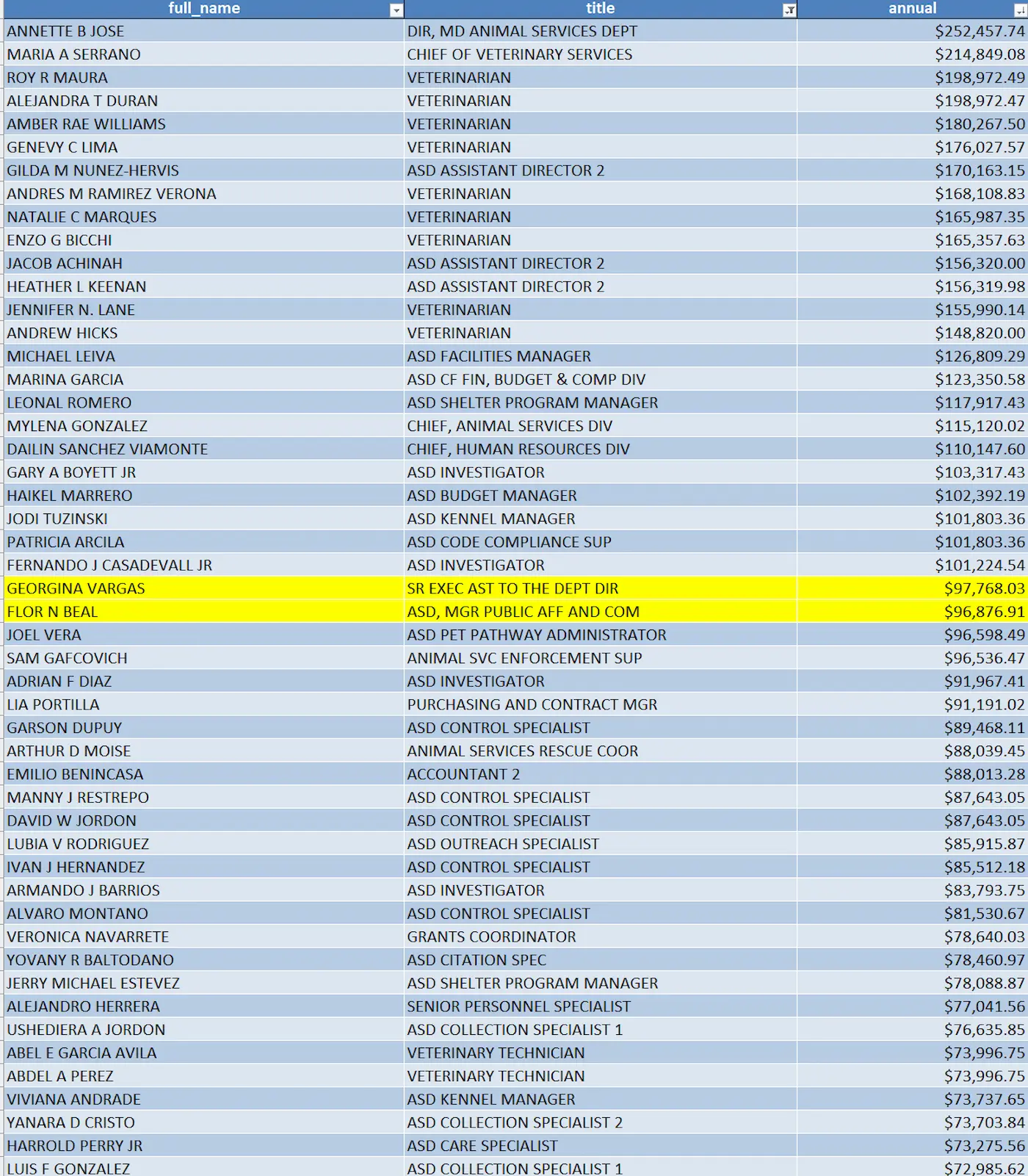
- Structure and payroll: payroll, org chart with leadership, veterinary, programs, procurement, and communications.
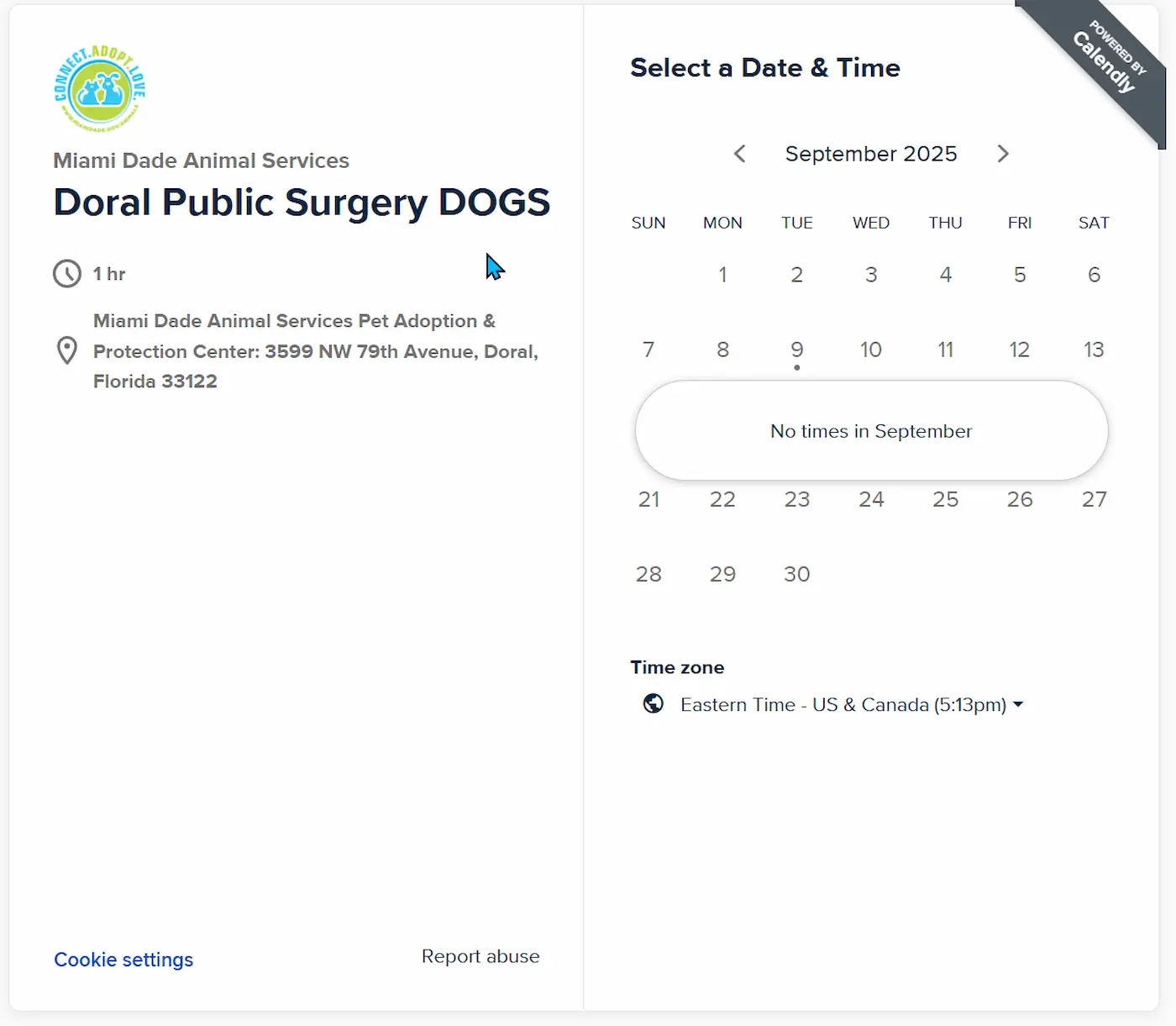
- Daily operations: “public surgeries” with no available times and an invalid appointment link; vaccinations yes, public spay/neuter effectively inaccessible in practice.
- Comparison: Broward (SNIP) uses allied private clinics with phone numbers and addresses to book directly.
- Lean Six Sigma diagnosis: repetitive failures in the intake → health → adoption flow (people, methods, technology, data, environment, and measurement).
Findings
1) Positions are added, not effective capacity
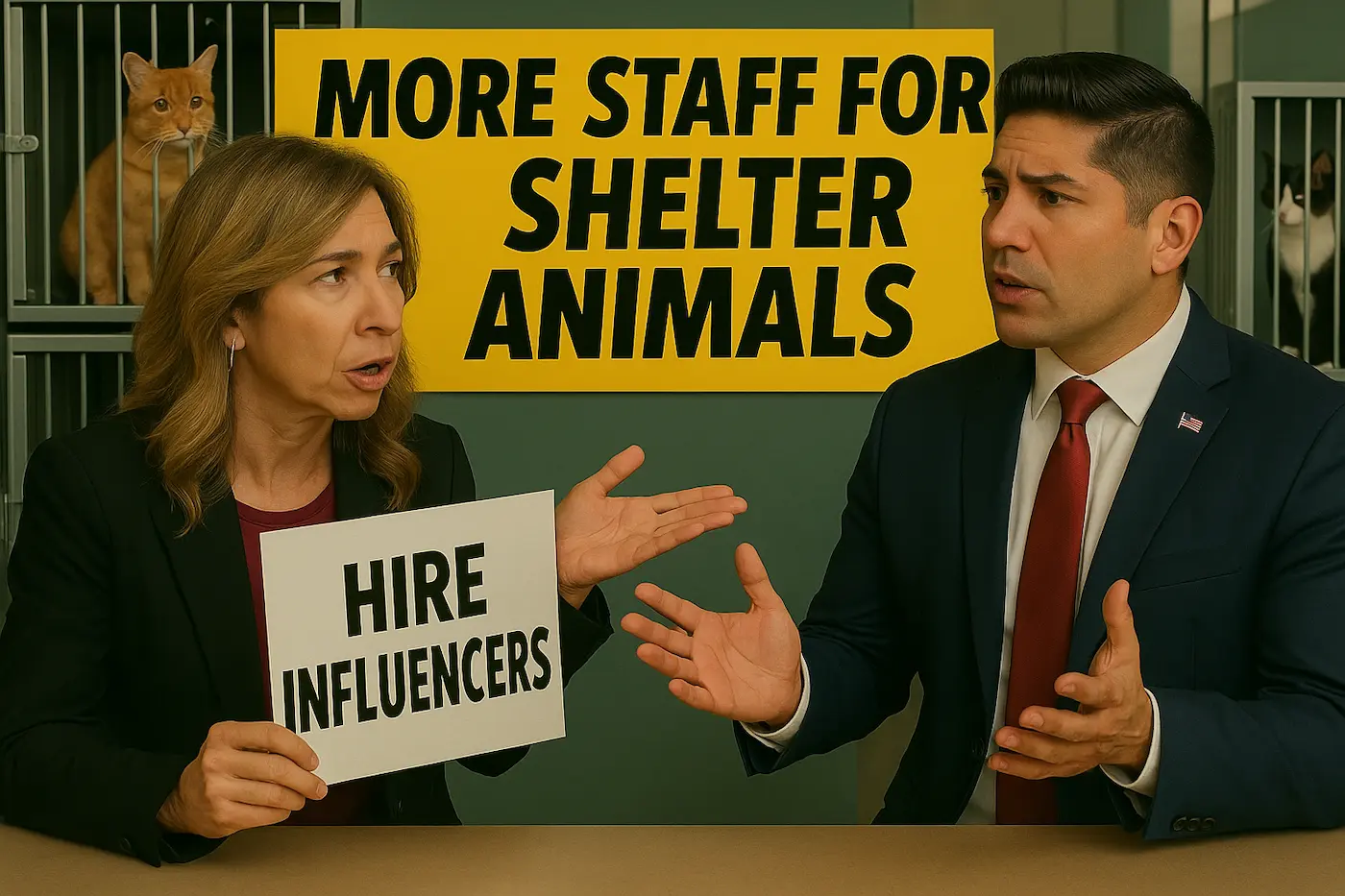
Leadership requested 4 PR/marketing positions (~USD 1.0–1.1M/year with load). Roles already exist that can absorb this:
- ASD, Mgr Public Affairs & Communications (press/campaigns).
- Sr. Executive Assistant to the Dept. Director (cross-functional coordination).
The bottleneck isn’t “telling the story,” it’s opening surgical capacity, reducing length of stay (LOS), and coordinating exits (adoption, rescue, foster).
2) A critical service that doesn’t exist in practice
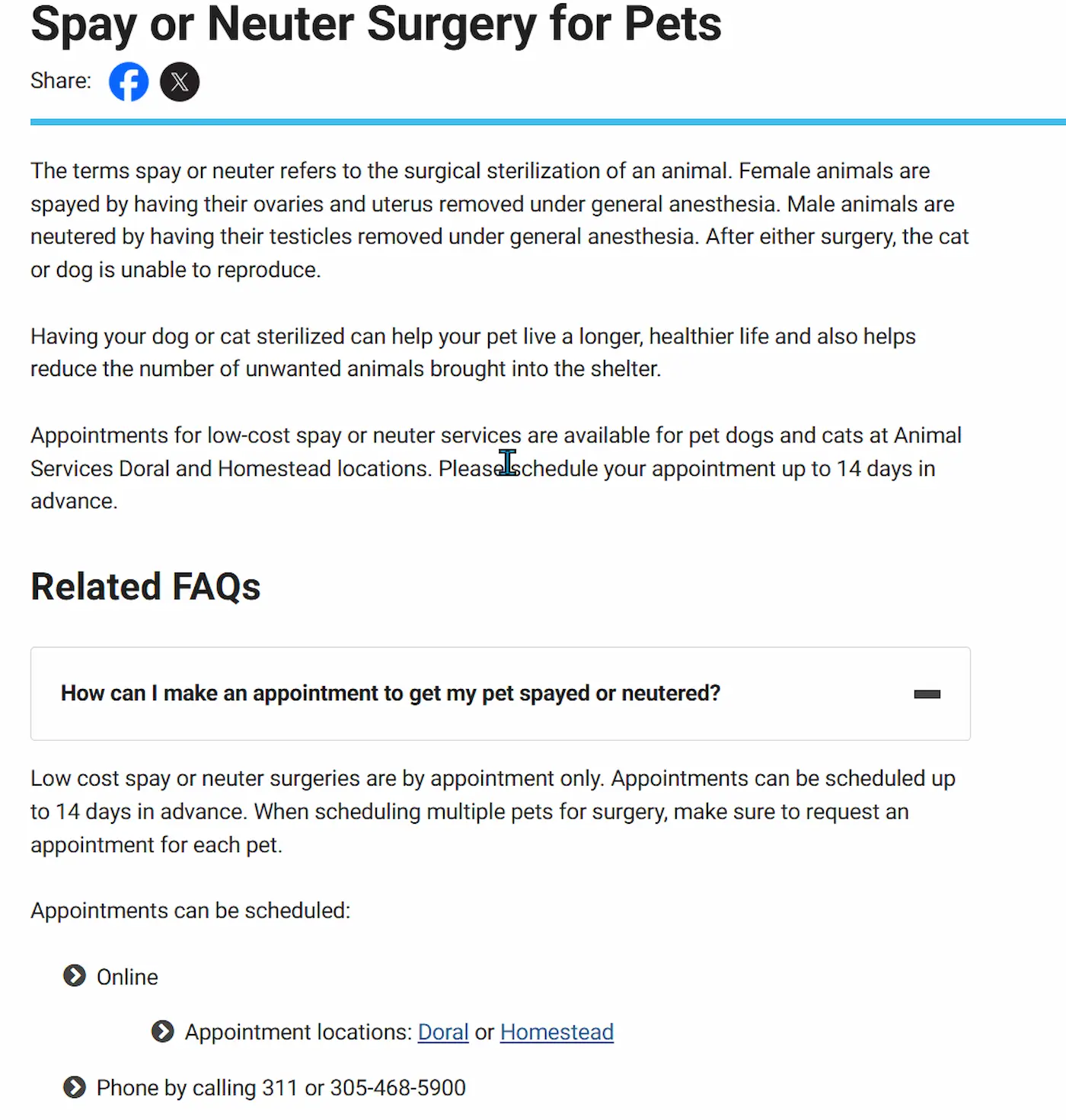
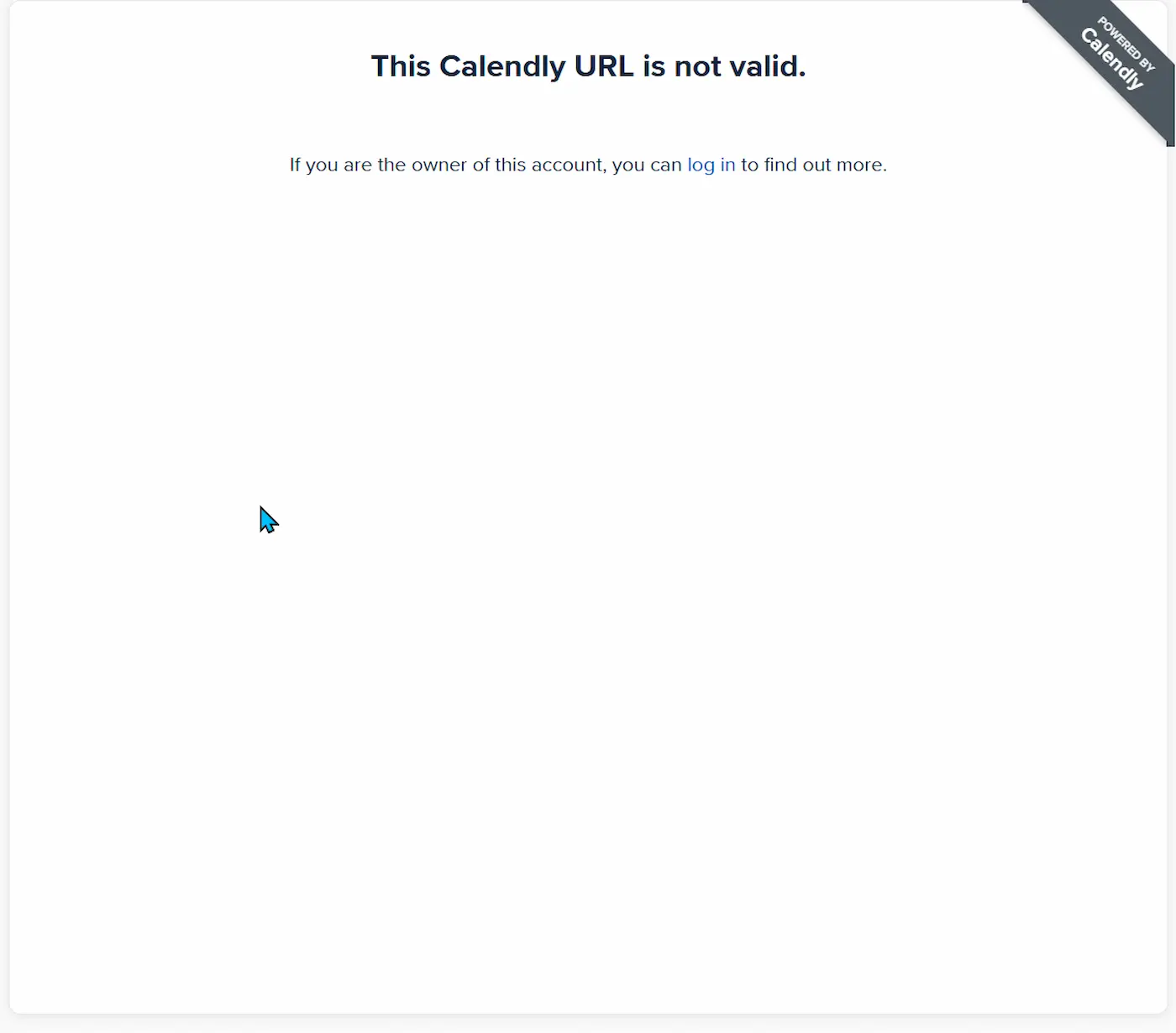
The appointment portal for public spay/neuter goes weeks without time slots and the second link appears invalid. For residents, getting a slot is mission impossible; privately, a dog is ~USD 300 and a cat ~USD 100–150.
Domino effect: more unplanned litters → more shelter intakes → overcrowding and health pressures.
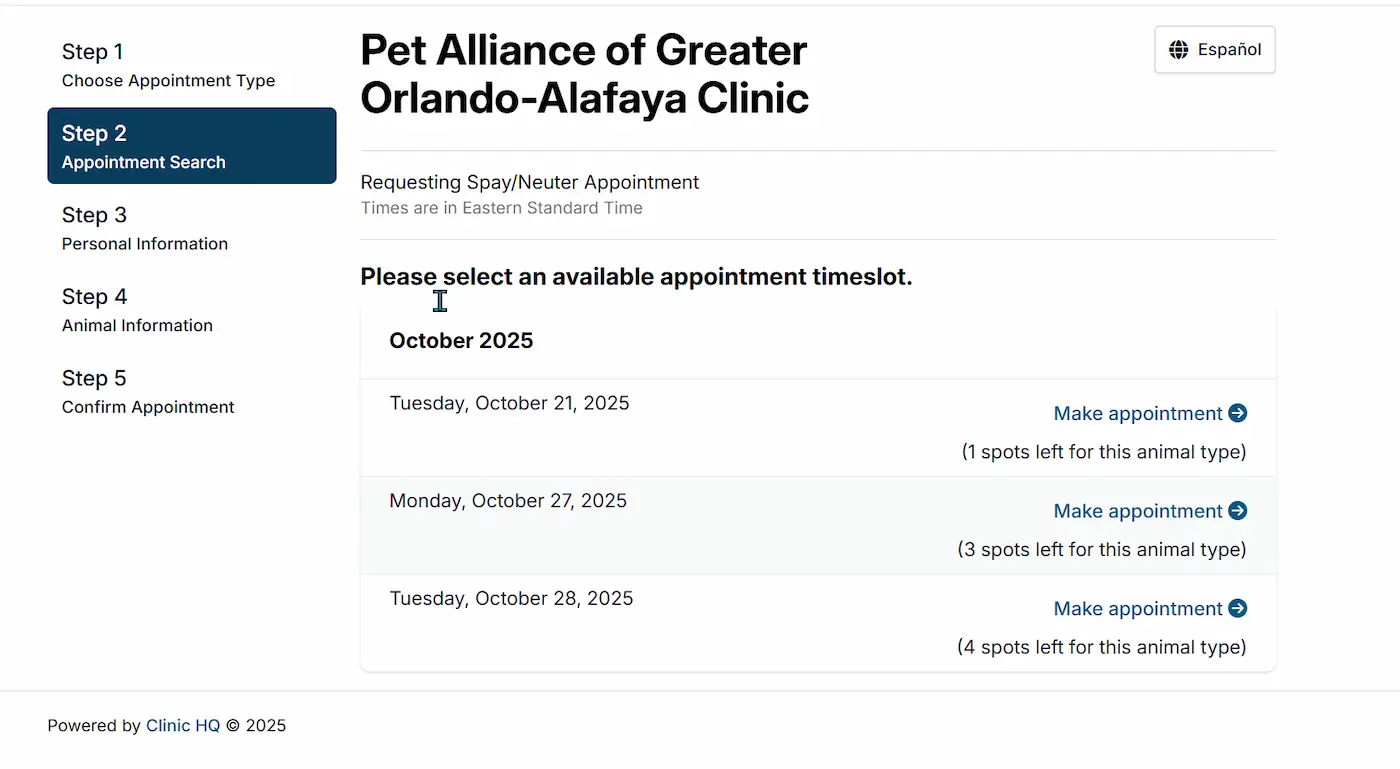
Broward SNIP avoids the bottleneck with a network of clinics (Davie, Hollywood, Pompano, Lauderhill, etc.) and direct phone numbers. Distributed, redundant access.
Infrastructure and welfare: no real green areas, with stress and sanitation failures
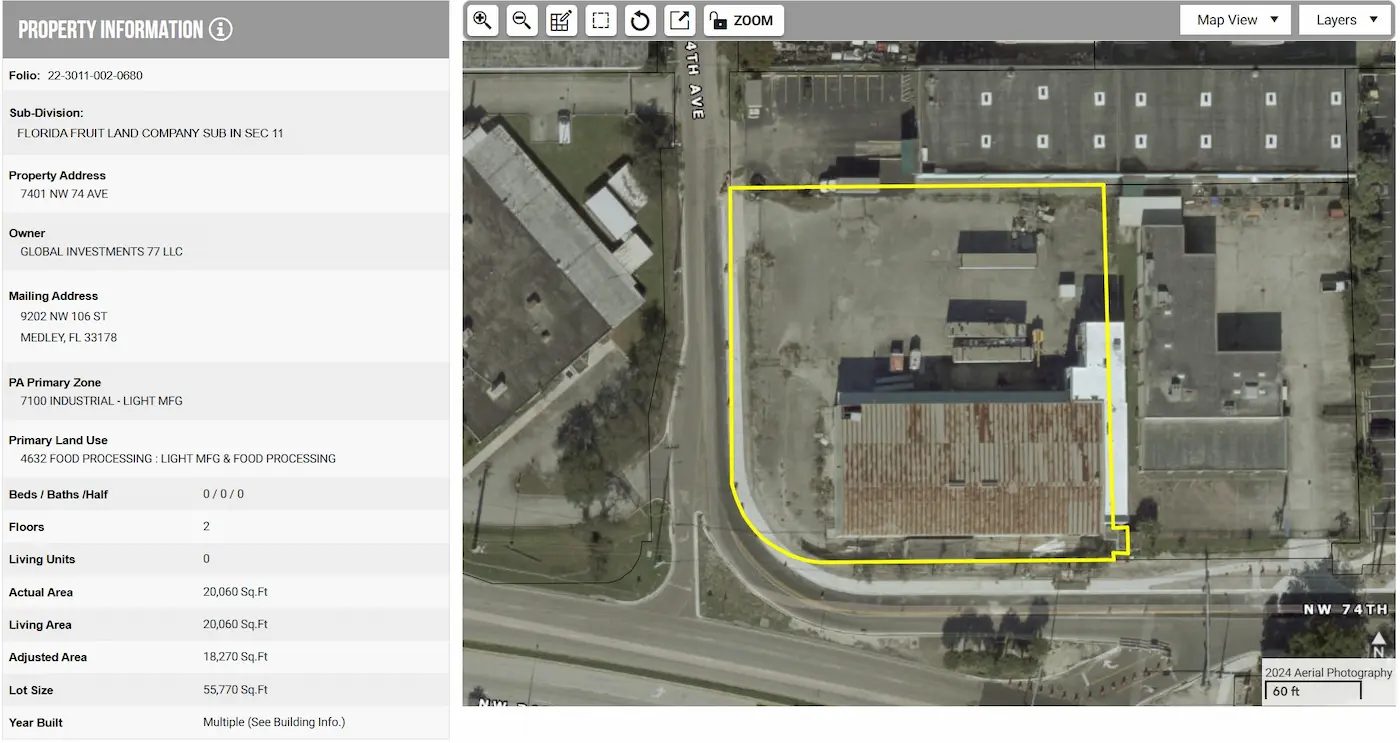
In Doral, dogs lack grass and socialization circuits; everything happens on hard surfaces under extreme heat.
In Medley there is a yard, but only a fraction is used; the rest sits idle.
Consequence: chronic stress, stereotypic behaviors, fights from overcrowding, more pathogens, longer LOS, and space-driven euthanasia. You don’t fix this by adding office staff; you fix it by redesigning processes and infrastructure.
Red flags (welfare and sanitation)
- Reports of improper handling, minimal walks, and pests (including cockroaches) in sensitive areas.
- Volunteers expelled or sanctioned after raising complaints: early warning and accountability are eroded.
- No environmental monitoring (temperature, humidity, ammonia) or published external audits.
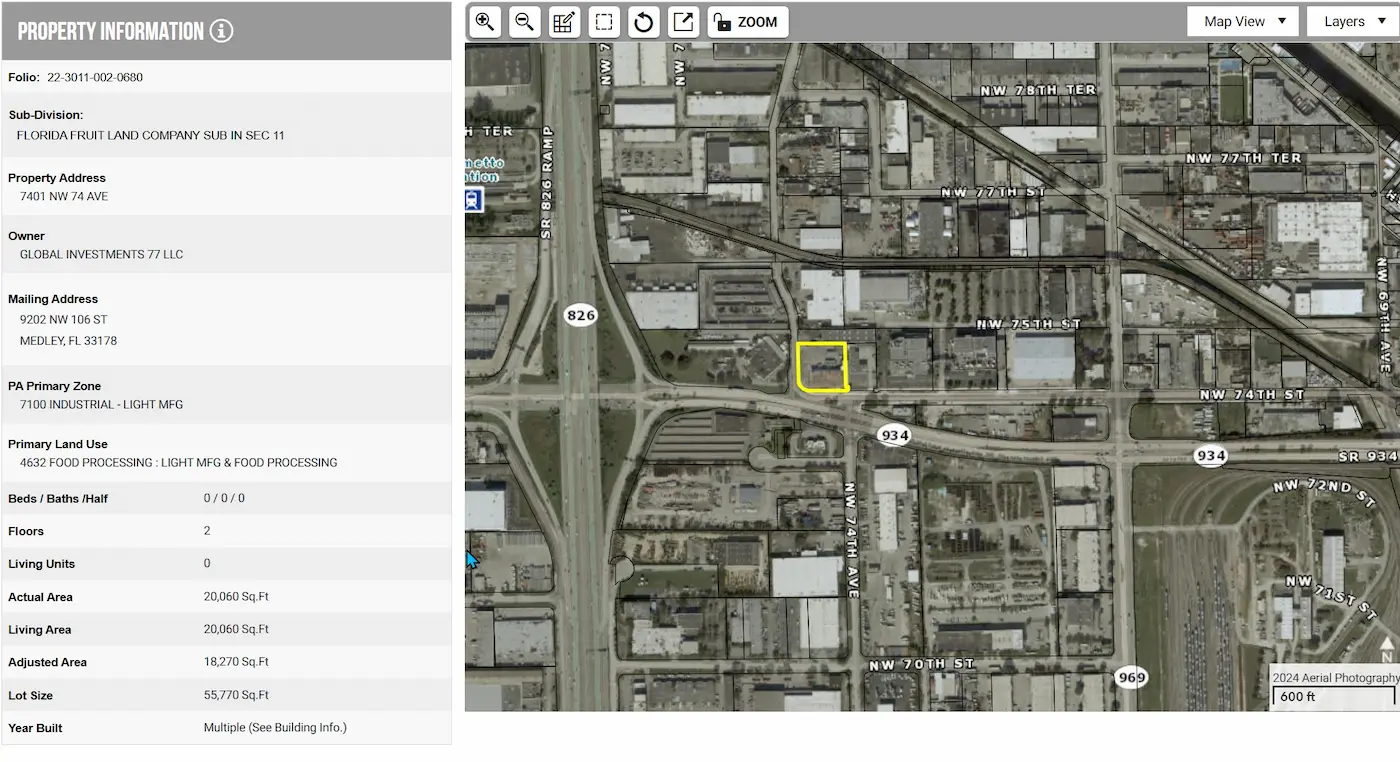
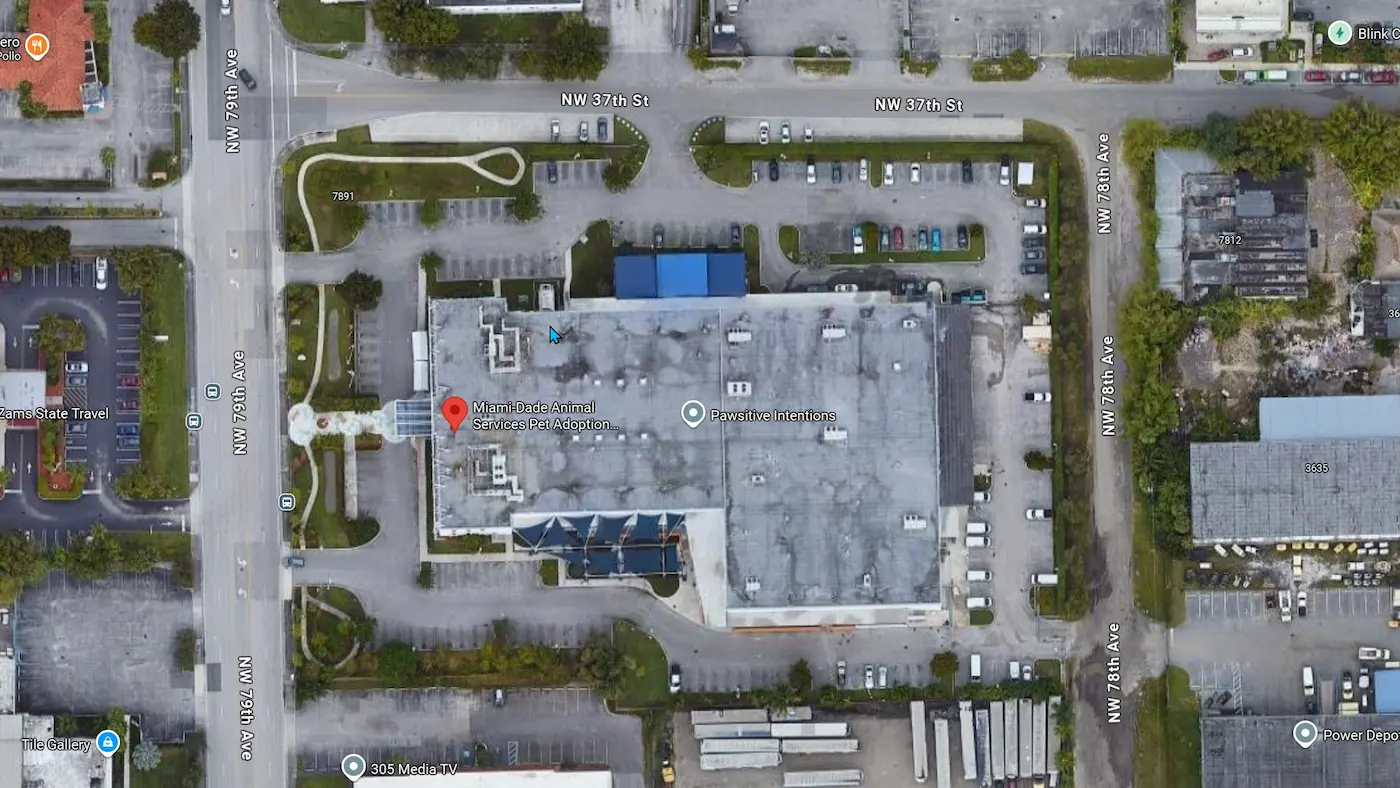
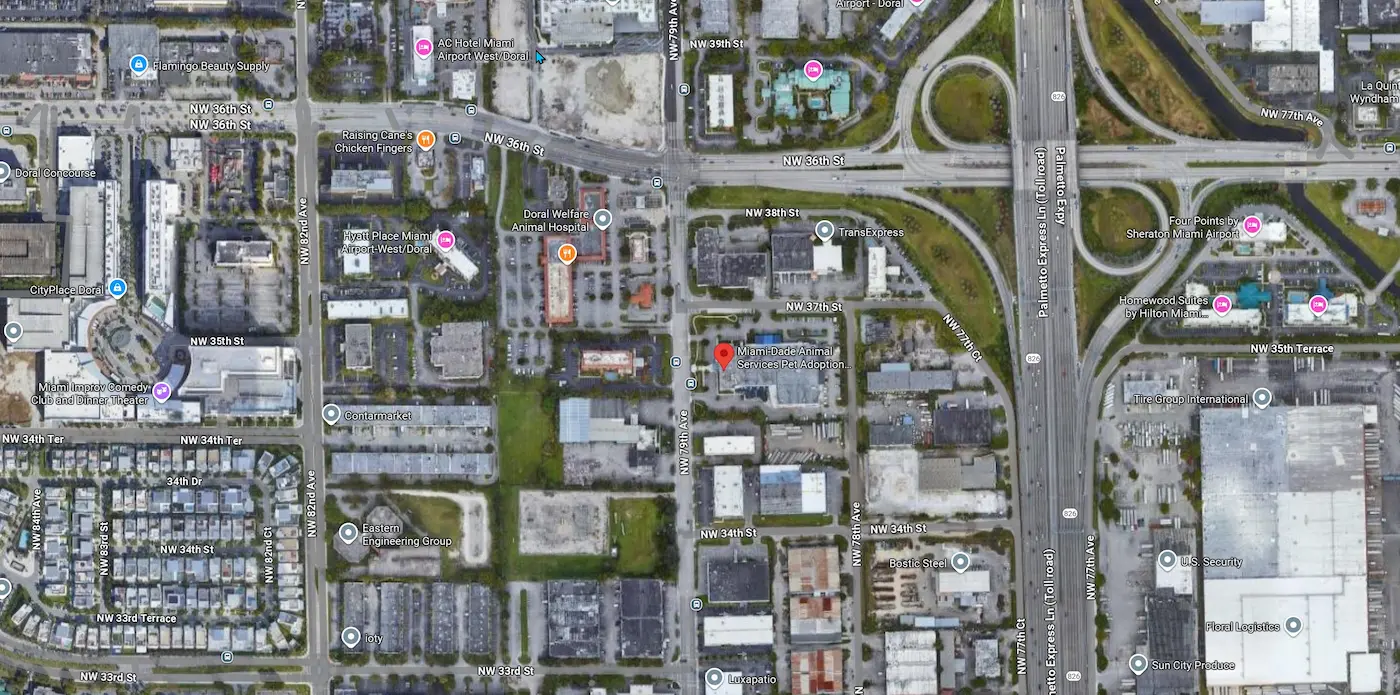
Medley: weekends-only visits, no visible cameras, and weekday lock-in
In Medley, the public can only visit on weekends. Monday–Friday there are no visits or in-person pre-adoptions. There is also no visible CCTV in key areas. Result: dogs spend the week locked in kennels, with minimal outings and no independent monitoring.
As one volunteer summed it up: “This isn’t rescue; it’s punishment.”
Immediate fixes (60–90 days):
- Open 7/7 (at least 4–6 hours/day on weekdays).
- 24/7 cameras in intake, kennels, cat rooms, clinic, and yards (90-day retention, random review).
- Scheduled yard time: minimum 120 minutes out-of-kennel per dog/day (3 outings × 40 minutes), digital logging and public dashboard.
- Weekday volunteer shifts (schools, rescues, community) with per-shift targets and a welfare checklist.
- Mandatory KPIs: % of walk compliance, LOS, adoptions/day, returns at 30/90 days, incidents and corrective actions.
- Monthly external audit and zero-retaliation policy for whistleblowers.
Root causes (Lean Six Sigma)
- Methods: poorly segmented adoption processes; fuzzy criteria; restrictive hours.
- People: high load per person; unstructured volunteer work; insufficient vet shifts.
- Technology: no integrated health platform; scattered data; no post-adoption app; chips not read systematically.
- Data/Measurement: LOS, return rate, adoption funnels, and euthanasia-by-cause audit are not published.
- Environment/Infrastructure: weak architectural flow; poor drainage and HVAC; no functional green areas.
- Finance: indirect spend (PR) is prioritized over surgical capacity and tools that reduce future demand (mass spay/neuter, mobile clinics, allied network).
Operational translation: no standardization + no traceability + no surgical capacity = longer stays, higher costs, worse welfare.
Site program
- HQHVSN public clinic (10–12k ft²): 40–60 spay/neuters/day, basic dentals, microchip, vaccines, and low-cost primary care; recovery and surgical ISO.
- Transit/adoption shelter (20–30k ft²): negative-pressure triage, separate medical isolation, maternity/neonatal, separate feline ward, playgroups (Dogs Playing for Life), Behavior Lab, and daily enrichment.
- Sanctuary/rehab (≥5 usable acres): seniors, chronic cases, or trainable behaviors; transition cottages and kennel-free areas.
- Education & volunteer pavilion: MOUs with Ferguson and other magnets/middle schools; MDC/FIU/UM; responsible ownership workshops, licensing and microchip.
- Healthy infrastructure: trees, shade structures, water stations, drainage, sensors (temperature/humidity/ammonia), solar energy, water reuse, CCTV, and per-animal digital traceability.
Operate with method: Lean Six Sigma + open data
- Weekly dashboards of LOS, adoptions/returns, euthanasia by cause, pest index, ammonia, and enrichment/cleaning compliance (>95%).
- Citizen committee (rescues + veterinarians + academia) with surprise inspections and public minutes.
- Anti-retaliation: protected anonymous channel; reinstate volunteers sanctioned for good-faith reporting.
- Reassign PR/“influencers” to kennel techs, behaviorists, cleaning, and clinical supplies. Campaigns must be data-driven, not cosmetic.
Immediate measures (90 days) in Doral and Medley
- Open 100% of Medley’s green yard with rotations and shade; minimum yard time per dog/day.
- Weekend mobile SNIP + MOUs with local veterinarians (publish slots and prices).
- Daily playgroups and canine/feline enrichment with digital logging.
- Monthly external sanitation audits (publish findings and corrective plan).
- Environmental monitoring with sensors; action thresholds and weekly reports.
90–180-day plan (move to a system)
- Unified platform (inventory + health + adoption + post-adoption) with chip reading and full traceability.
- Continuous improvement team (3 FTE): a Black Belt/Lean, a data analyst, and a process coordinator (ROI measured in −LOS, +adoptions, −euthanasia).
- Genuine alliances: local veterinarians (SNIP, microchip, post-op), schools (Ferguson and others) for structured volunteering, and rescues with exit quotas.
- Golden rules: second opinion before any non-medical euthanasia; public monthly audit; serious incident = process review, not a witch hunt.
Metrics that matter (and must be published)
- Adoptions per 1,000 residents (benchmarked with Florida peers).
- Live-Release Rate by species.
- LOS and returns at 30/90 days.
- Spay/neuters per capita and by ZIP code; appointment fill rate and wait times.
- Minutes of yard time per animal/day and % compliance.
- Cost per live exit (quarterly benchmark).
What the taxpayer (and the animals) gain
- Fewer unplanned litters → fewer intakes → less overcrowding.
- More adoptions and fosters thanks to clear processes and real surgical slots.
- Lower unit cost by reducing LOS and rework.
- Public trust: open data and measurable results, not slogans or empty awards.
Closing
MDAS doesn’t need more “influencers”; it needs process engineering, accessible surgery, and traceability. Copying what already works (Broward SNIP, public dashboards, mobile clinics) doesn’t diminish merit—it accelerates results.
If leadership shifts from “adding people” to fixing the system, in six months we’ll see fewer full kennels, fewer space-driven euthanasias, and more live exits. That is progress.
Annex: immediate demands to the Board
- Reassign the 4 proposed PR positions to: (a) 2 extended-shift veterinarians, (b) 1 SNIP network coordinator, (c) 1 operational data analyst.
- Fix appointment links now and publish a weekly slot calendar.
- Sign MOUs with clinics (target: ≥500 additional spay/neuters/month).
- Approve a public dashboard with LOS, adoptions, surgeries, and euthanasia by cause.
- Create the Lean team with a −30% LOS mandate in 180 days.
Structural solution: Animal Welfare Campus – 2 projects (10 acres or, better, 38.73 acres) in a green zone
Project 1: Redland/Homestead (better ventilation, fewer neighbors, veterinary education ecosystem, more affordable land).
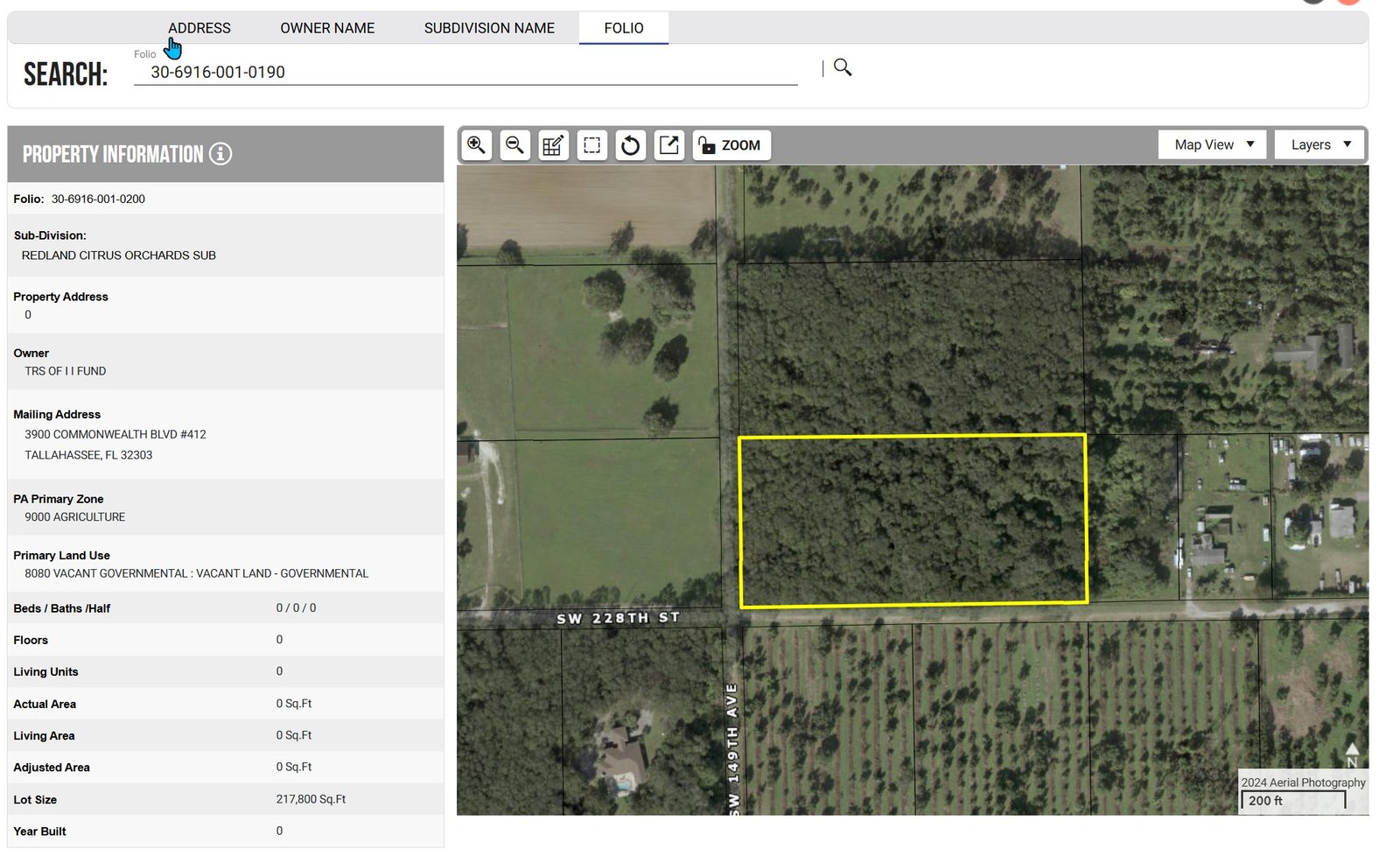
- Minimum size: 10 contiguous acres.
- Model: Shelter + HQHVSN public clinic + Sanctuary with shaded grass yards, socialization circuits, and classrooms.
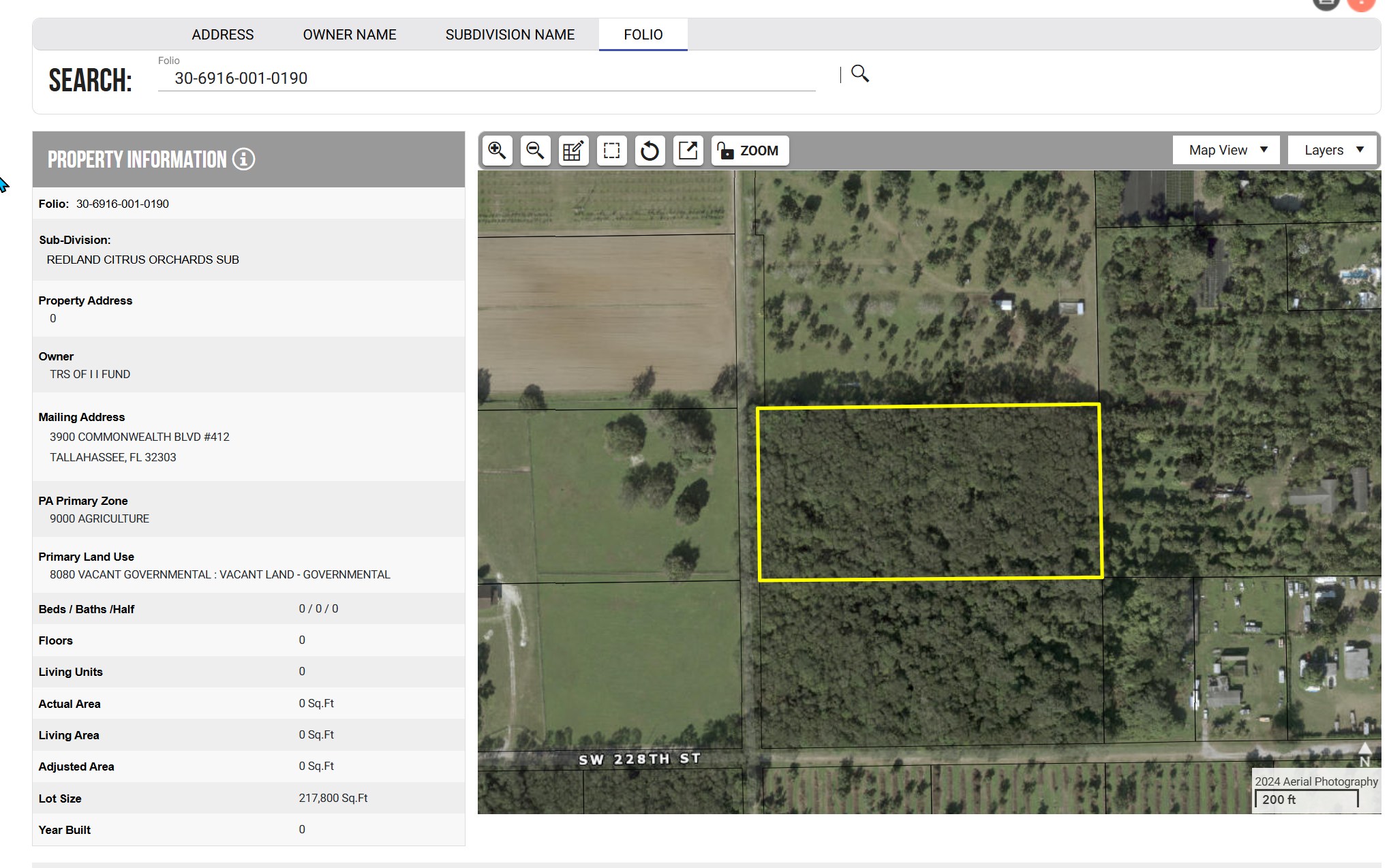
Two contiguous candidate parcels (submitted):
- Folio 30-6916-001-0190 – REDLAND CITRUS ORCHARDS SUB
Owner: TRS OF I I FUND (3900 Commonwealth Blvd #412, Tallahassee, FL 32303).
Zoning: 9000 – Agriculture. Use: 8080 – Vacant Governmental. Area: 217,800 ft² (~5 acres). - Folio 30-6916-001-0200 – REDLAND CITRUS ORCHARDS SUB
Owner: TRS OF I I FUND (same address).
Zoning: 9000 – Agriculture. Use: 8080 – Vacant Governmental. Area: 217,800 ft² (~5 acres). - Folio 30-5928-000-0035
Owner: SCHOOL BOARD OF MIAMI DADE COUNTY (1450 NE 2 AVE MIAMI, FL 33132-1308)
Zoning: 8900 INTERIM-AWAIT SPECIFIC ZO. Use: 8080 VACANT GOVERNMENTAL : VACANT LAND – GOVERNMENTAL. Area: 1,687,079 Sq.Ft (~5 acres).
Total combined, Project 1: ~10 acres of vacant governmental agricultural land (viability subject to title, environmental, drainage, CDMP/UDB compatibility, and permits).
Project 2. Proposal for a Sanctuary and Dog Park in Miami-Dade: Leveraging 38.73 Acres of Government Land
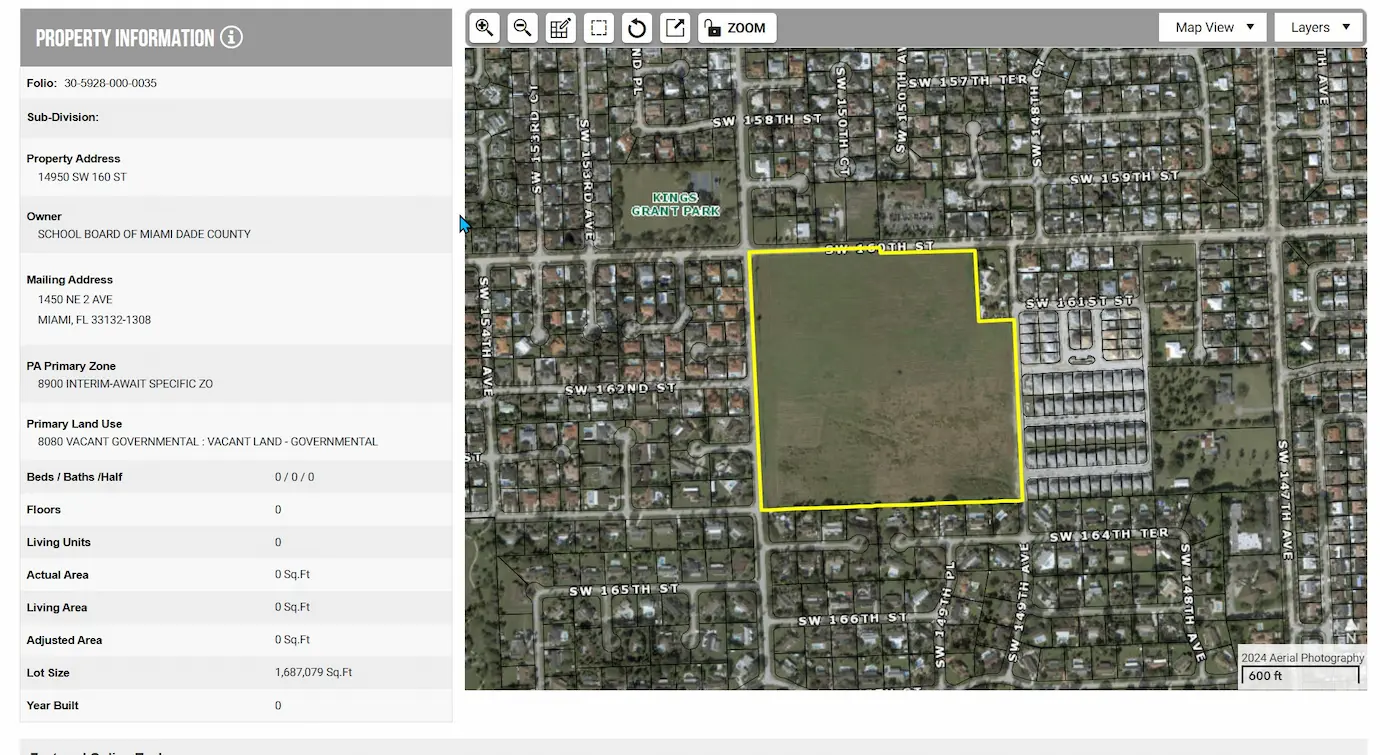
In a second version, Miami-Dade County has a total of 38.73 acres of available governmental land—ample space to transform the current Animal Services shelter into a comprehensive complex that includes not only a rescue and rehabilitation sanctuary but also a world-class recreational dog park for dogs and their owners.
This initiative would not only tackle chronic overcrowding and animal welfare issues, but would also position Miami-Dade as a leader in pet-friendly urban innovation, inspired by successful models like Newtown Dream Dog Park in Johns Creek, Georgia, and Fiesta Island Dog Park in San Diego, California.
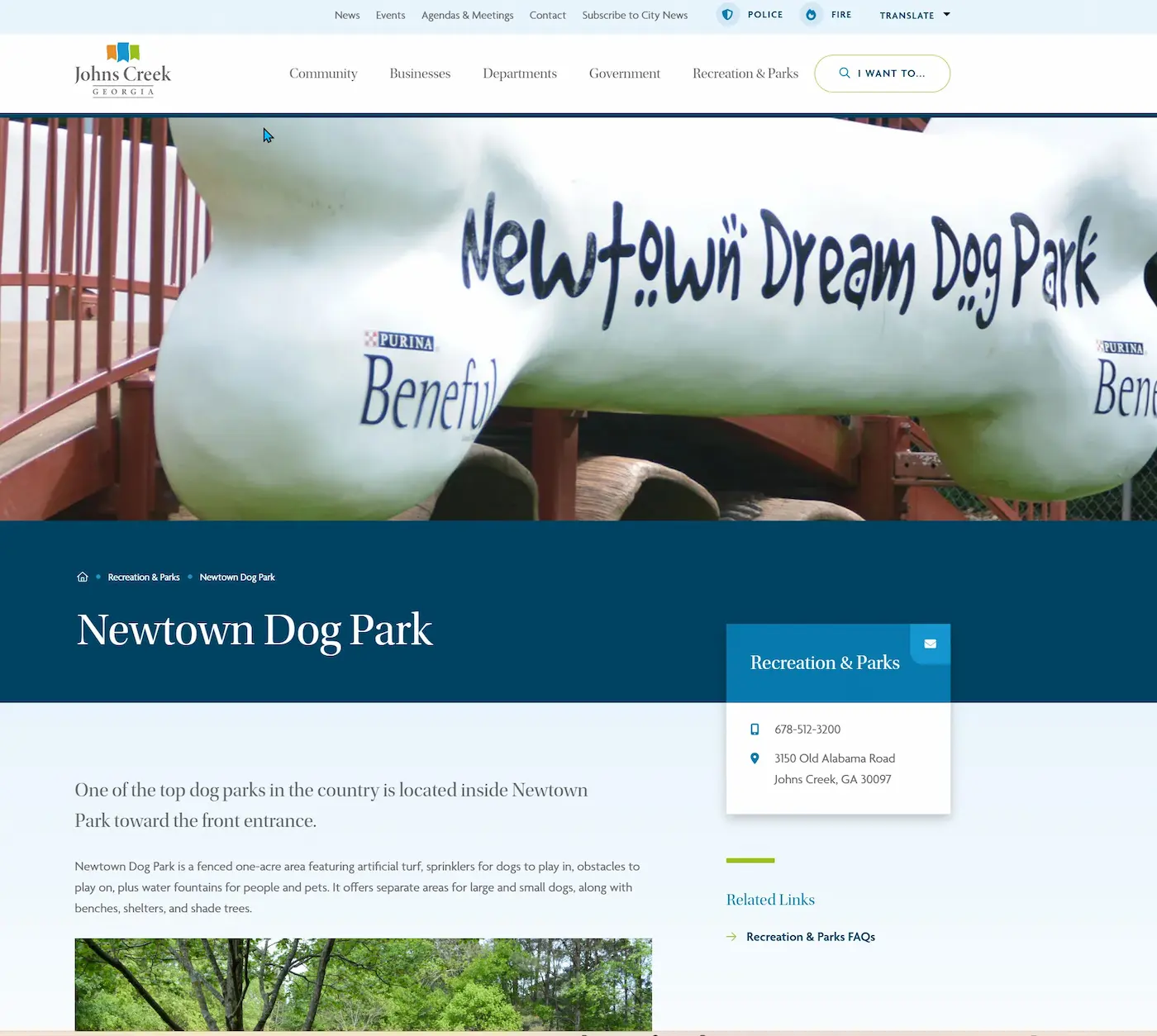
Inspiration from Newtown Dream Dog Park: A Theme Park for Dogs
Newtown Dream Dog Park, in Johns Creek, Georgia, is widely recognized as one of the best dog parks in the U.S., according to rankings by organizations such as the American Kennel Club and reviews on platforms like Yelp and TripAdvisor. With just 1 acre, it proves you don’t need vast land to create impact. Designed as a true canine “amusement park,” it includes innovative features like interactive water fountains for hot days, tunnels to explore, ramps and agility obstacles, and separate areas for large and small dogs, minimizing risk of conflict.
This model emphasizes safety, exercise, and socialization, with durable synthetic turf and hydration stations. In Miami-Dade, we could replicate this on a portion of the 38.73 acres, integrating local elements like natural shade with palms and hurricane-resistant zones, promoting on-site adoptions from the adjacent sanctuary.
Fiesta Island Dog Park: Natural Freedom at Massive Scale
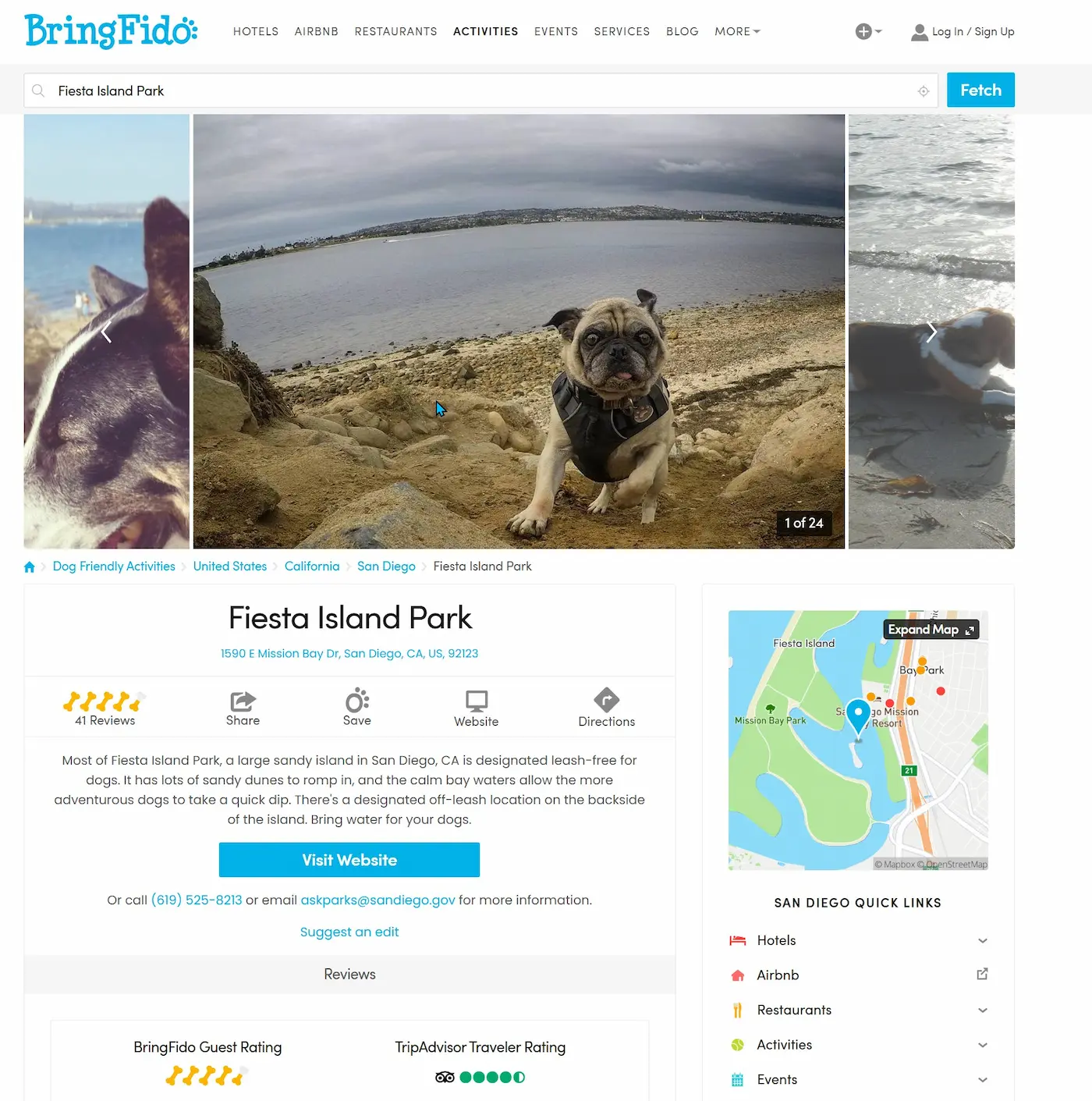
By contrast, Fiesta Island Dog Park in San Diego, California, offers a more expansive, natural approach, with approximately 90 acres of open terrain along Mission Bay. This off-leash paradise lets dogs run freely, play in the sand, swim safely, and explore a coastal environment, fostering socialization and exercise without restrictions. It’s ideal for high-energy dogs, with family picnic areas and panoramic views that draw thousands of visitors annually.
Compared with the limited spaces in Miami-Dade, where shelters face chronic overcrowding, assigning a section of the 38.73 acres to a similar design could include artificial beaches or access to safe lagoons, integrating eco trails and agility zones. This would not only benefit pets adopted from the sanctuary but also generate revenue through modest fees or sponsorships, easing the departmental budget.
Why 38.73 Acres Are Enough
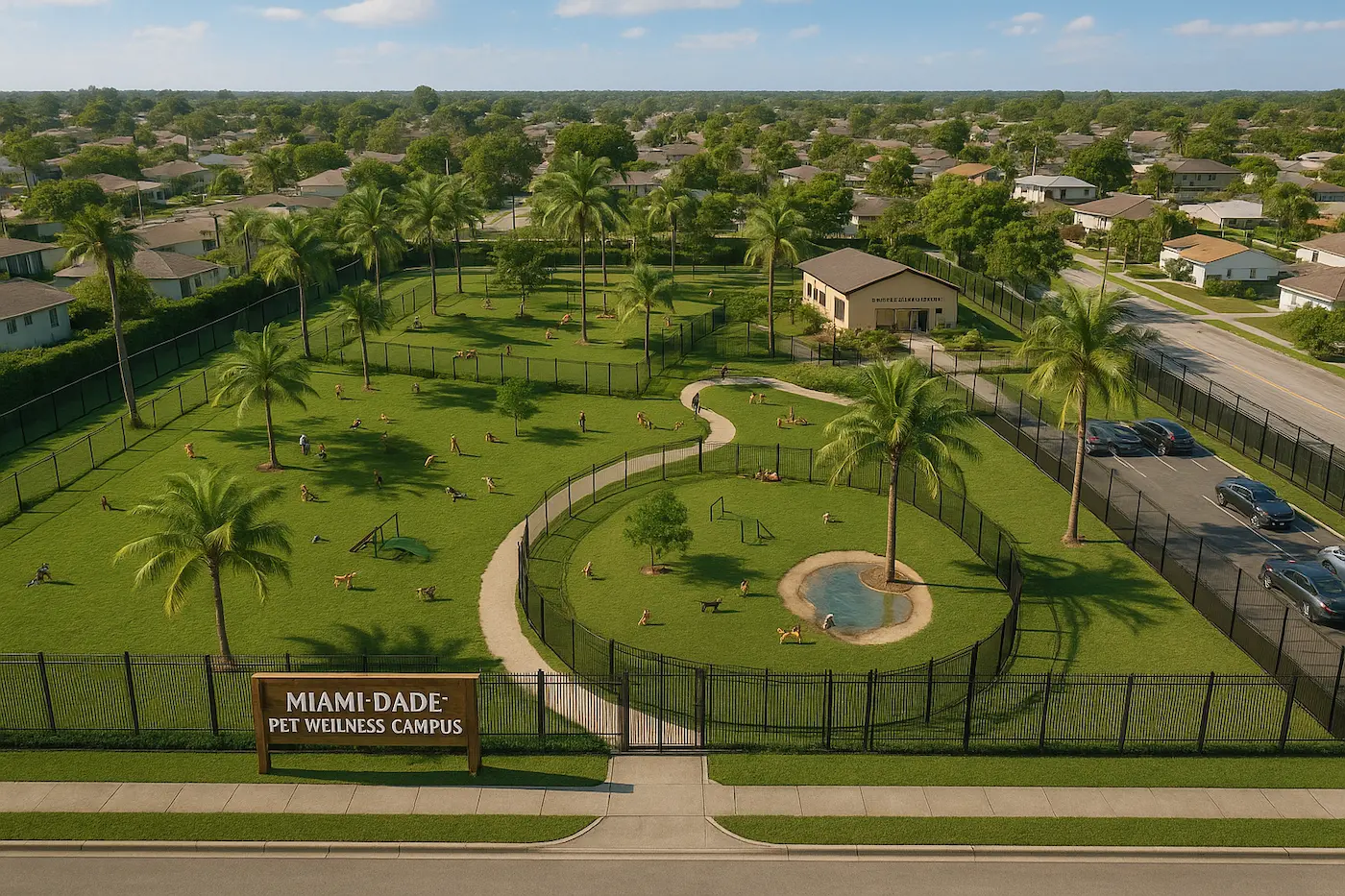
With this underutilized governmental tract, the project could be efficiently divided: 10–15 acres for the expanded sanctuary (rehab, isolation, adoption), 15–20 acres for the recreational park inspired by Newtown and Fiesta Island, and the remainder for support infrastructure such as eco-parking, mobile clinics, and educational areas.
This aligns with animal welfare goals, reducing unnecessary euthanasia by promoting adoptions and fosters in an attractive environment. Plus, with sustainable elements like solar panels and water recycling, the park could become an eco model, drawing pet tourism and federal grants.
In short, by leveraging these 38.73 acres, Miami-Dade could create a transformative space that combines rescue with recreation, inspired by the best of Georgia and California. It’s an opportunity to raise the Animal Services standard, fostering a more compassionate and active pet community. For more detail, we recommend visiting the City of Johns Creek or San Diego Parks sites for visual and operational inspiration.
Project for an Ideal Sanctuary and Park in Miami-Dade: Transforming 38.73 Acres of Government Land in Miami-Dade
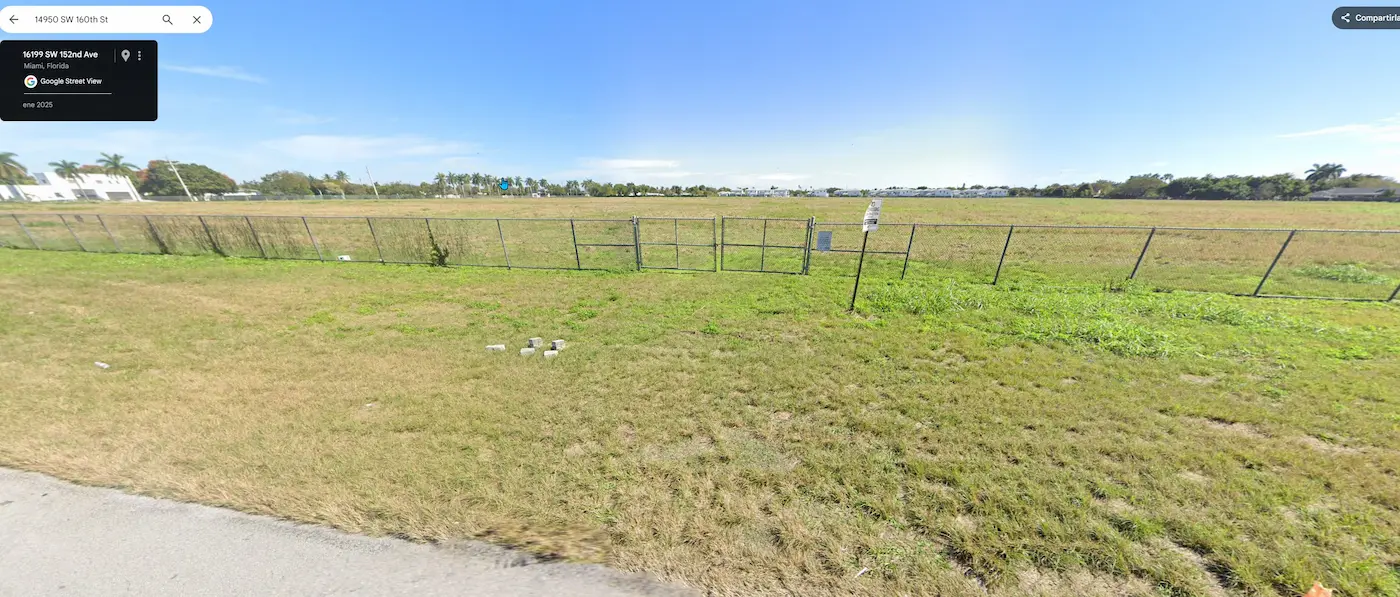
The tract identified under folio 30-5920-000-0035, owned by the School Board of Miami-Dade County and located at 14950 SW 160 St (part of Kings Grant Park), represents a unique opportunity to develop a comprehensive animal-welfare complex. With 38.73 acres of vacant governmental land (zoned interim awaiting specific zoning and classified as vacant governmental land), this underused space could become a rescue and rehabilitation sanctuary combined with a world-class recreational dog park.
Inspired by successful models like Newtown Dream Dog Park in Johns Creek, Georgia (a compact “amusement park” with interactive elements), and Fiesta Island Dog Park in San Diego, California (a vast off-leash natural area with water access), the project would address chronic MDAS issues such as overcrowding, euthanasia rates, and lack of socialization spaces.
The design prioritizes efficiency, sustainability, and accessibility, focusing on adoptions, education, and community recreation, aligned with animal welfare goals and public land use. This project could be financed through federal grants (e.g., ASPCA or USDA grants for sanctuaries), private sponsorships (e.g., PetSmart Charities), and county funds reallocated from inefficient budgets, such as the proposed $1.05M for “influencer” positions.
Estimated initial cost: $5–10M (basic construction, landscaping, equipment), recoverable via minimal fees, donations, and pet tourism. Benefits: 20–30% reduction in euthanasia by improving adoptions, revenue generation (~$500k/year from events/licenses), and a community space that promotes pet-friendly responsibility.
Description of the Current Site: According to the Miami-Dade Property Appraiser and the official parks site, the lot is an open rectangular area of ~38.73 acres (1,687,079 SqFt), surrounded by residential neighborhoods (e.g., SW 160th St to the north, SW 149th Ave to the east). It’s vacant land with recreational development potential, as it’s part of Kings Grant Park (an existing park with sunrise–sunset hours). There are no current structures (living area 0 SqFt, floors 0), which facilitates construction.
Environmental considerations: Flood-prone area (drainage needed), but ideal for water features inspired by Fiesta Island.
Restrictions: Must comply with interim zoning; possible rezoning to parks/open spaces via the Board of Commissioners.
Conceptual Project Design: The design divides the 38.73 acres into functional zones: 15 acres for sanctuary (rescue/rehab), 20 acres for the recreational park, and 3.73 acres for buffers/parking. It integrates Newtown (interactive, compact) and Fiesta Island (natural, expansive) elements to maximize use. The sanctuary focuses on no-kill principles with isolation, clinics, and adoptions, while the park promotes socialization and exercise, connecting directly to enable on-site adoptions.
Concept Map (Generated via Text Diagram)
Below, an approximate ASCII map based on the provided satellite image (rectangular area outlined in yellow, surrounded by residential streets). Scale: 1 character ≈ 0.5 acres. The conceptual design overlays the project on the current land.
Proposed Sanctuary and Dog Park Layout for Miami-Dade (38.73 Acres)
Legend:
- S: Sanctuary Building (Rescue, Rehab, Adoption)
- V: Veterinary Clinic Area
- P: Play Areas (Inspired by Newtown Dream Dog Park: Tunnels, Ramps, Water Features)
- O: Open Fields (Inspired by Fiesta Island: Off-Leash Running, Swimming Ponds)
- F: Fenced Sections for Small/Large Dogs
- T: Trails and Walking Paths
- E: Educational/Visitor Center
- #: Trees/Shaded Areas
- ~: Water Features (Ponds/Fountains)
- =: Roads/Parking
=====================================
|       Parking Lot (2 acres)       |
|===================================|
| E Visitor Center (1 acre)         |
|-----------------------------------|
| S Sanctuary Building (5 acres)    |
| V Veterinary Clinic               |
|-----------------------------------|
| F Small Dog Play Area (5 acres)   |
|   Tunnels, Ramps, Water Fountains |
|   # # # Shaded Zones              |
|-----------------------------------|
| F Large Dog Play Area (10 acres)  |
|   Open Fields for Running         |
|   ~ ~ Swimming Ponds              |
|   # # Trees and trails            |
|-----------------------------------|
| O Natural Exploration Zone (15 acres) |
|   Off-Leash Beach-Like Areas      |
|   ~ Bay-Inspired Water Access     |
|   T Walking Paths                 |
=====================================
Total: 38 acres utilized, 0.73 for buffer zones.
This conceptual map shows a logical flow: entry via parking to the visitor center, then the sanctuary for adoptions, and adjacent park areas for post-adoption trials. Inspired by Newtown (P: interactive areas with ramps/tunnels for agility) and Fiesta Island (O: open fields with ~ponds for free swimming). Buffers include green zones for noise/flood mitigation.
Detailed Project Components
- Rescue and Rehabilitation Sanctuary (15 Acres): Central building with modern kennels (capacity 500+ animals), isolation/quarantine areas, veterinary clinics for spay/neuter and treatments. Integrate TNVR (Trap-Neuter-Vaccinate-Return) with mandatory microchips. No-kill focus: 95% live release rate targets, with foster and behavioral rehab programs.
- Recreational Dog Park (20 Acres):
- Newtown-inspired zones: Fenced areas with obstacles (ramps, tunnels, interactive fountains) for small/large dogs, promoting exercise and socialization.
- Fiesta Island-inspired zones: Off-leash fields with ~artificial ponds for swimming, sand “beaches,” and natural trails for free exploration.
- Amenities: Hydration stations, shaded benches, picnic areas, and “adopt & play” events.
- Support Areas (3.73 Acres): Eco-parking (200+ spaces), education center for responsible-pet workshops, and green buffers with native trees for sustainability (heat/flood mitigation).
Benefits and Sustainability
- Animal impact: Lower euthanasia by boosting adoptions (+20% via park events) and rehab.
- Community: Free/open space for ~2.7M residents, fostering mental/physical health through pets. Tourist draw similar to Fiesta Island.
- Economics: Revenue from fees ($5/day for non-residents), sponsorships (e.g., Petco), and grants. MDAS operational savings by decentralizing adoptions.
- Environmental: Green design with sustainable drainage, solar panels, and water recycling, aligned with interim zoning.
Implementation Steps
- Rezoning: Request change to parks/open spaces via the Board.
- Design/Phase 1: Hire architects specialized in sanctuaries (cost ~$500k).
- Construction: 12–18 months, financed by green bonds and donations.
- Operations: Integrate with MDAS, with public KPIs (e.g., monthly adoptions, live-release rates).
This project turns a vacant lot into a community legacy, combining rescue with recreation for a more pet-friendly Miami-Dade. For more inspiration, visit johnscreekga.gov (Newtown) or sandiego.gov/parks (Fiesta Island).
📰 Want more news like this?
Visit our homepage to stay on top of what’s happening in South Florida and more:
👉 newsmiamidade.com/
📰 Stay informed with the latest news!
Would you like to get more information like this right on your screen?
🌟 Visit our homepage and catch up on everything happening in South Florida: local news, events, weather, sports, and much more.
👉 Click here! newsmiamidade.com/
Don’t miss a thing. #MiamiDade #News #Florida