
Port of Miami-Dade: strategic planning failed again (2025). Responsible for the chaos that returned to the issue without a robust proactive plan.
PortMiami’s fuel supply was left on the edge by a string of delays and reactive decisions under the administration of Jimmy Morales (COO) and Mayor Daniella Levine Cava. On October 9, 2025 the Board returned to the issue without a robust proactive plan, amid cross motions and industry warnings.
Why it matters
- PortMiami is an economic engine: $61 billion in impact and 340,000 jobs in Florida were invoked.
- Operational risk: without a fuel farm, the port loses competitiveness vis-à-vis Everglades/Canaveral.
- Short window: the current contract expires around 2027; the property has already changed hands (HRP) with residential intent, as stated on the floor and in the press.
Chronology at a glance
Chronology of Events of the Port ofMiami-DadeFuel Supply Problem
- Based on reports from Local10, Miami Herald, WLRN and transcripts of county meetings, this chronology exposes how Mayor Daniella Levine Cava and her county action guru Jimmy Morales have allowed the problem to fester without decisive intervention:
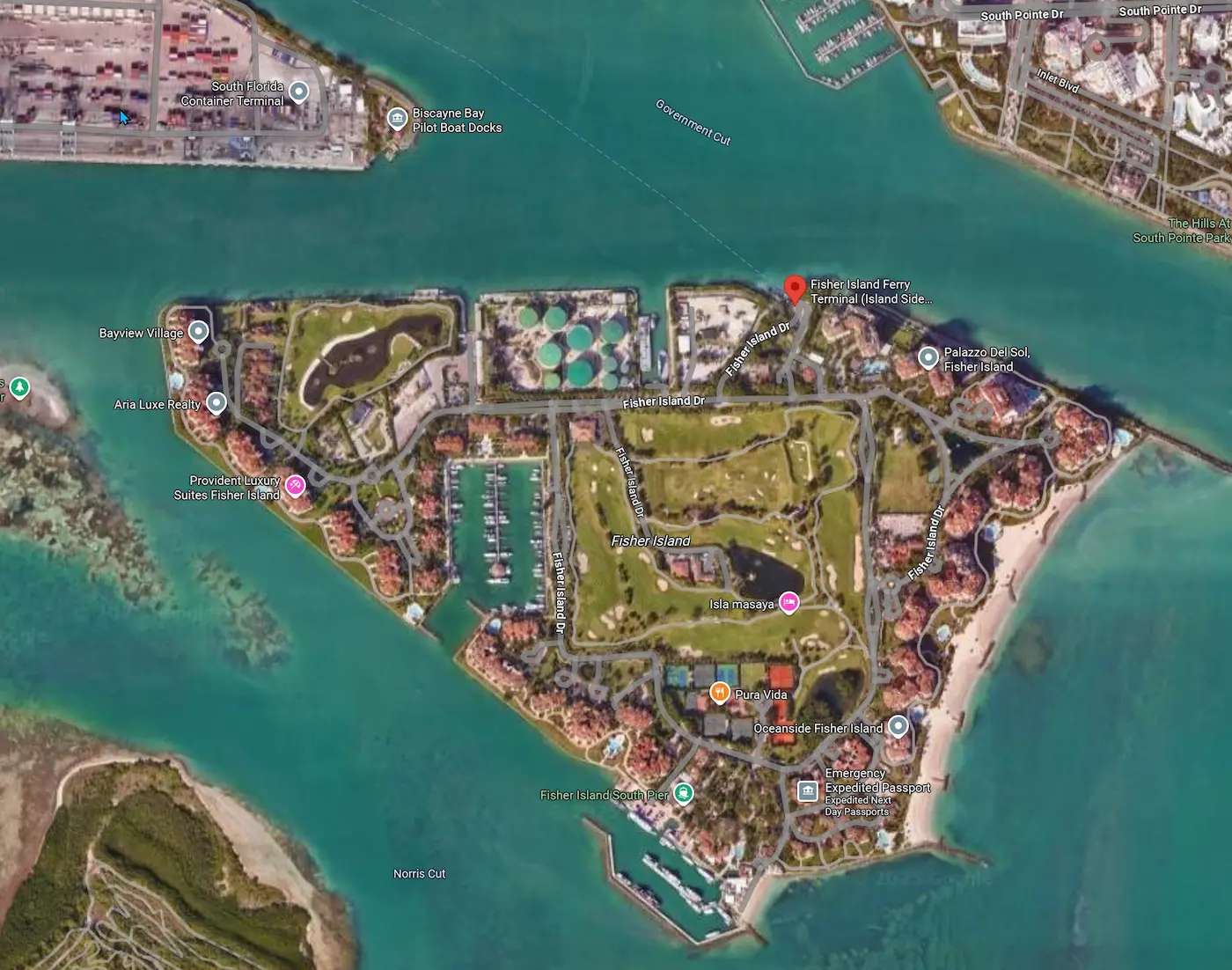
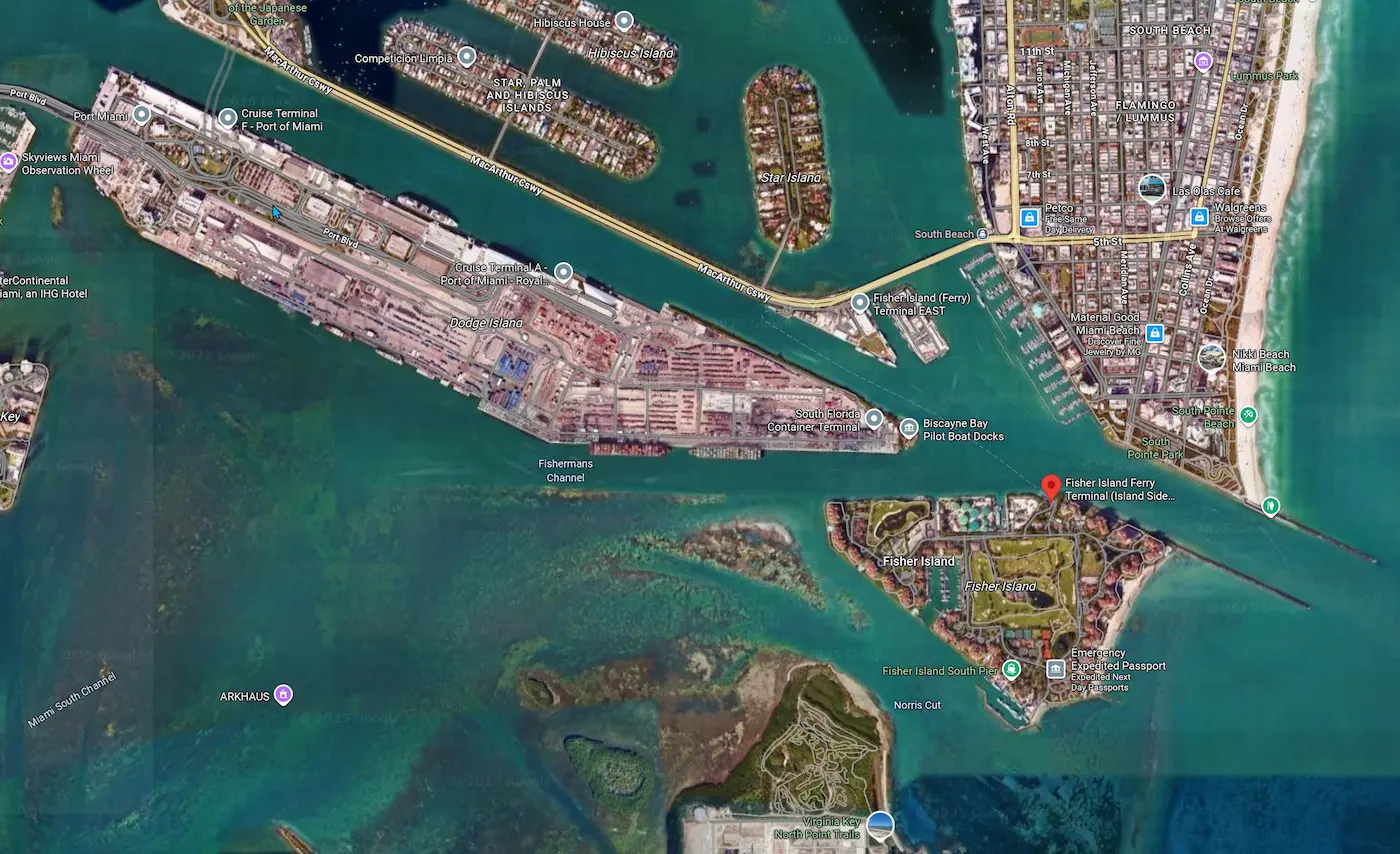
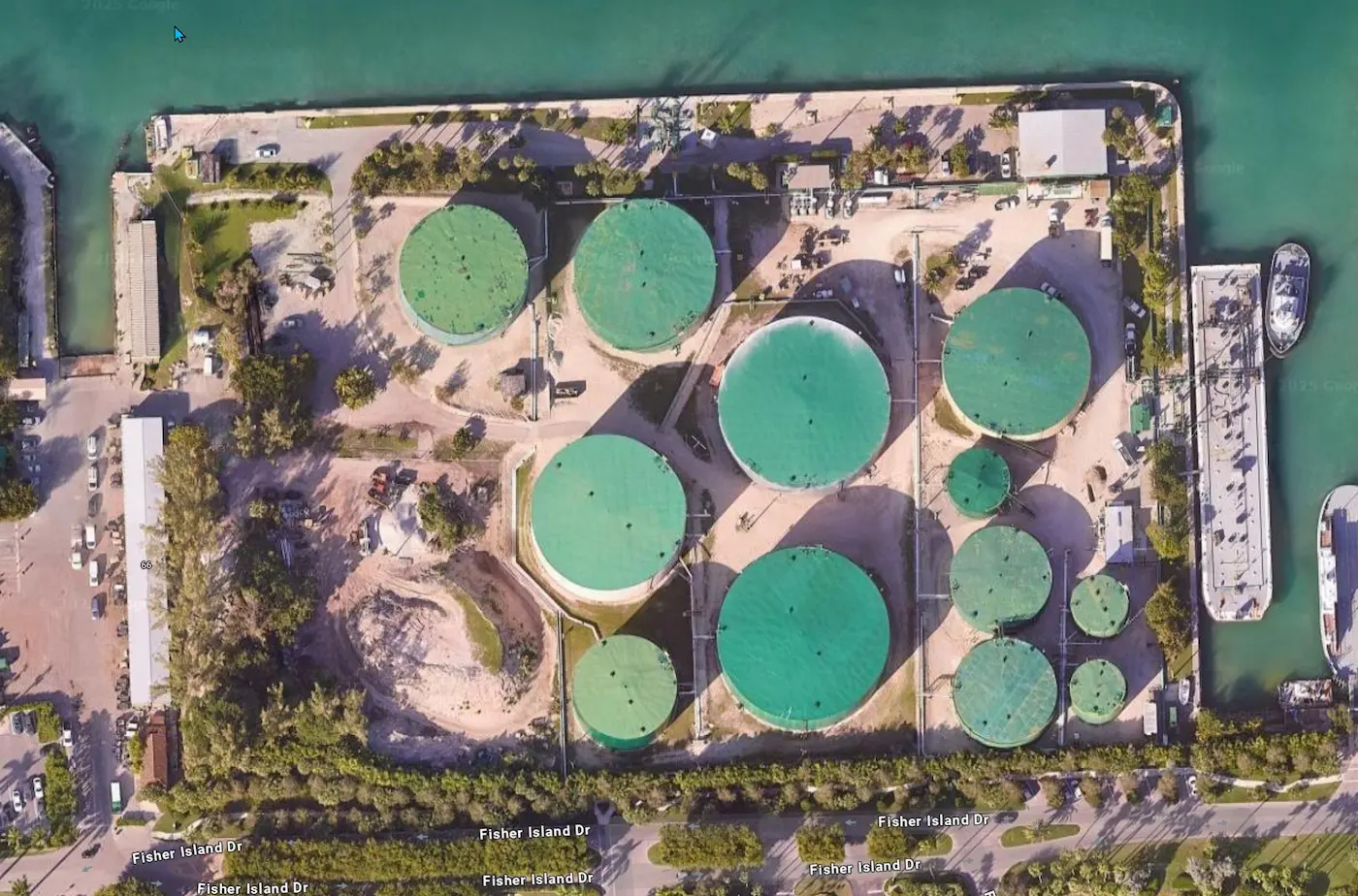
- 1920s: Start of fueling operations on 9.6 acres of land on Fisher Island, when the island was underdeveloped and primarily served the port. This historical dependence remains without alternative long-term plans. miamitodaynews.com
- 1980s: The Port of Miami establishes itself as the “Cruise Capital of the World,” while Fisher Island becomes an exclusive enclave for wealthy residents (the wealthiest zip code in the U.S.). Despite growth, no alternative bunkering facilities are planned, unlike other major U.S. ports that have their own facilities.
- May 2024: The Fisher Island fuel terminal site is put up for sale for $200 million. Miami-Dade County officials do not submit a bid, and port officials are not alerted in a timely manner.
- Early 2025: The county administration begins negotiations to acquire the land. The deputy port director, Andrew Hacker, learns of the sale during this period, but no preemptive action is taken.
- September 2025: Announcement of the sale of the land to HRP Group for $180 million, with plans to convert it into luxury condominiums. This raises alarms in the cruise industry about possible supply disruptions starting in 2027, when the current contract expires. cruiseradio.net
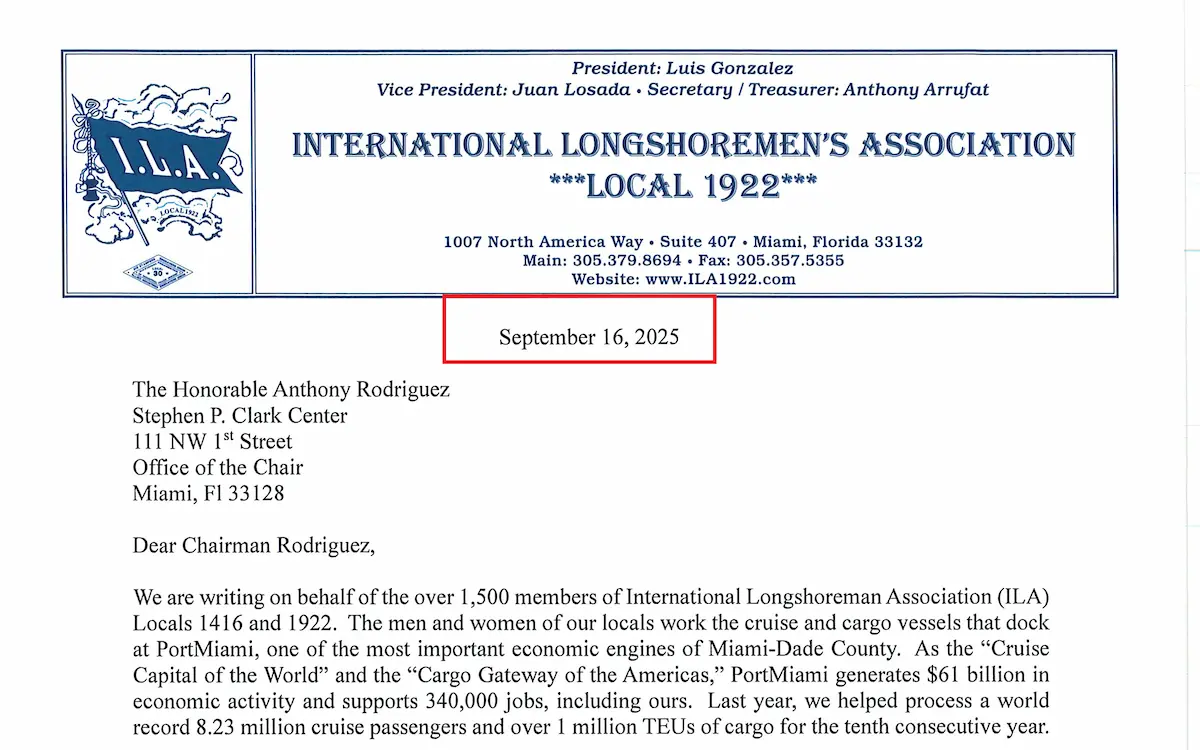
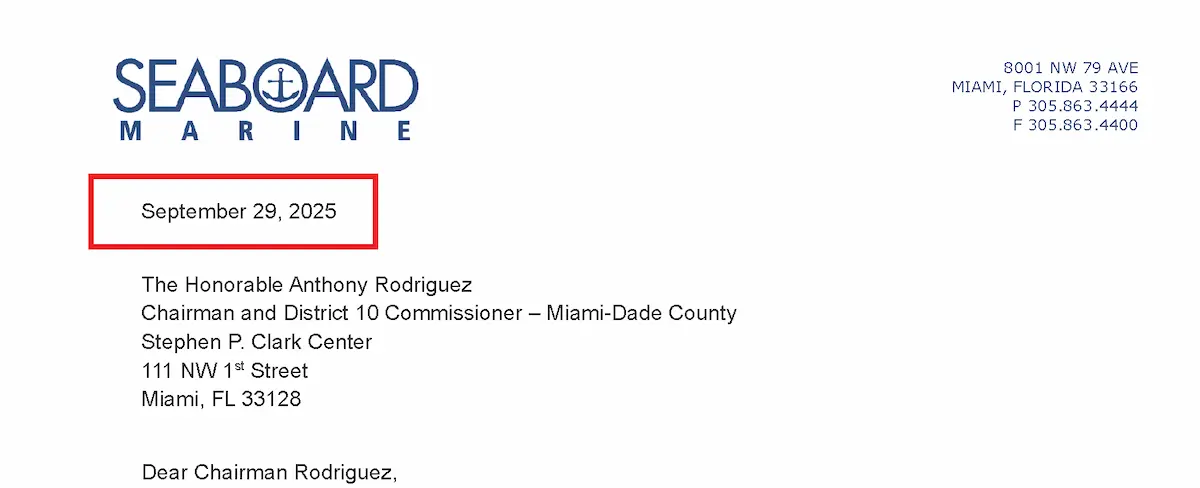
- September 18, 2025. Special session of the Miami-Dade Board of Commissioners to evaluate options, on the eve of the 2025-2026 budget debate, which carries a $402 million deficit; an unprecedented process in the county. Jason Liberty, CEO of Royal Caribbean, sends a letter warning that loss of the site would be a “major threat” to the port, as no major U.S. port operates without bunkering of its own. Mayor Daniella Levine Cava mentions that more than 300,000 jobs are at risk. A motion is passed to negotiate the purchase or use eminent domain if it fails. Fisher Island Association supports closing the terminal.
- Sept. 21-22, 2025: Cruise industry leaders, such as the Florida-Caribbean Cruise Association, warn of massive disruptions if the site is lost, with potential losses of $80-100 million per ship. Eileen Higgins, commissioner, calls the sale an “existential risk” to the county’s economy.
- September 24, 2025: Miami Today article highlights the “battle” between the port and Fisher Island. It admits that the county acted late (it should have acted “six months or six years ago”). Commissioners like Raquel Regalado criticize the lack of prior information and the urgency to act in the “ninth inning.”
- September 30, 2025: Closing of the sale to HRP Group. County administration begins looking for alternative locations in the port (on-port).
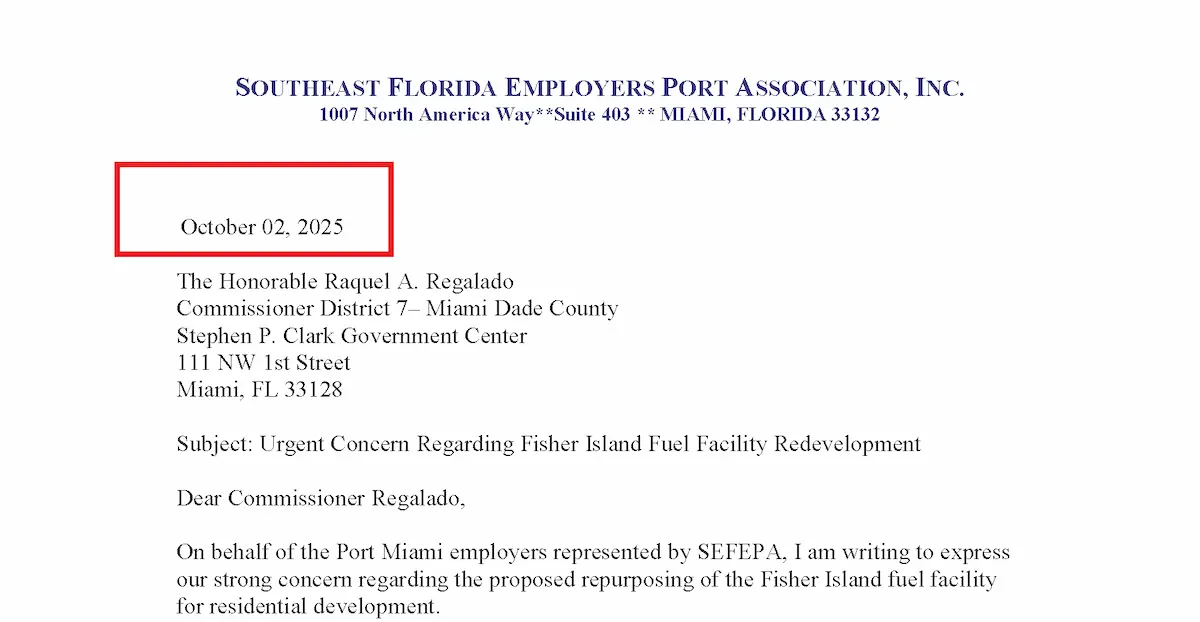
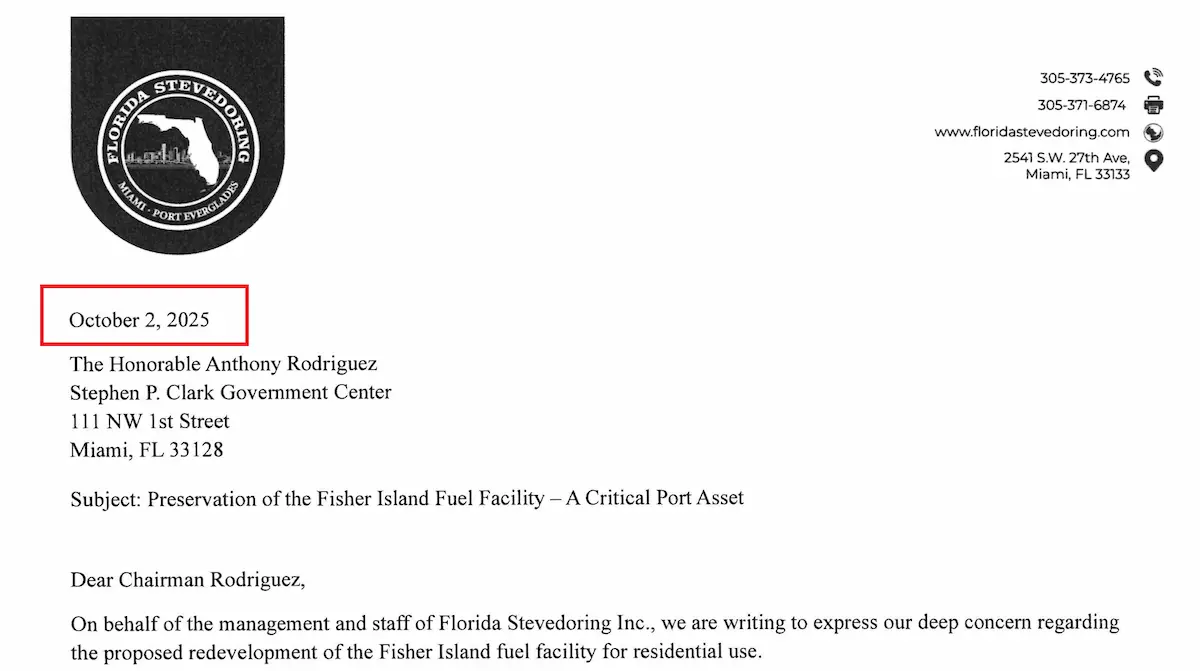
- October 9, 2025: New commissioners’ meeting to vote on mediation with HRP Group. Commissioners like Oliver Gilbert warn that if it fails, eminent domain will begin immediately. Raquel Regalado emphasizes the need for “energy independence” for the port. HRP agrees to pause development for 60 days. Mayor Levine Cava and port workers express concerns about economic impact ($61 billion annually). Local10.com
- October 20, 2025 (scheduled): Private mediation between Miami-Dade officials and HRP Group to discuss a compromise.
- October 21, 2025 (scheduled): Management report to the commission on mediation results. If no agreement, possible initiation of eminent domain proceedings. wlrn.org
- Summer 2027 (future key date): Expiration of the current fuel operations contract, which could disrupt supply if not resolved.
Analysis: real urgency vs. self-generated urgency
- Fact: protecting supply is imperative.
- Failure: arriving without preventive procurement, without redundancy and with an incomplete dossier erodes confidence.
- Impact: each month that passes makes the solution more expensive and increases the asymmetry vis-à-vis the new owner.
Double yardstick, again
On 18/sep cruisers, ILA and camera were comfortably heard. On 9/Oct, progress was made on fuel. On the other hand, that same 9/Oct, when neighbors and Circle of Brotherhood asked to talk about district funds, the microphone was closed to them due to agenda technicalities. Form is also substance.
Shielding the port’s fuel yes; doing it late, opaquely and in fits and starts, no. Morales and Levine Cava must move from reactions to strategy: purchase or solid easement today, on-port design with redundancy tomorrow, and public documents always. PortMiami cannot lose its crown for poor planning.
Leadership that comes “after the birth”: late reaction, avoidable chaos
The county knew – or should have known – that PortMiami was structurally dependent on the Fisher Island plant and that asset had been on the market for some time. Yet the response came post-sale, with a self-generated “emergency” that sowed operational chaos and public distrust. This is evidence of the absence of an asset strategy and forward planning at the top.
The strategic gap.
- There is – at least publicly – no master inventory of critical assets (risks, owners, useful life, alternatives, activation thresholds) or pre-agreed bridging scenarios to ensure fuel if the site were to change hands.
- The “urgency” was activated after the private shutdown, instead of having acted months in advance (competing offers, easements, capacity contracts, temporary redundancies).
Executive responsibility.
Complete table of who should be in the “control room” of the PortMiami fuel case.
| Area / Person | Should it be? | Role in the crisis | RACI | Key Questions | |
|---|---|---|---|---|---|
| Seaport – Hydi Webb (Director) | 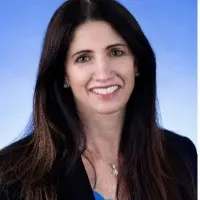 | Yes (CORE) | Port operation, continuity of supply, relationship with shipping lines and barges; on-port scenarios. | R / C | Alert timing; A/B technical plan (on-port/services); engineering costs and timing. |
| COO – Jimmy Morales | 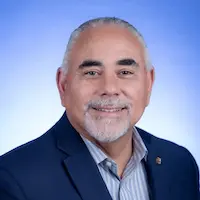 | Yes (CORE) | Interagency coordination, activation of early warnings, daily operational decisions. | A / R | Decision and trade log; why purchase/servicing was not activated earlier; risk matrix. |
| Mayor – Daniella Levine Cava (Mayor) |  | Yes (CORE) | Political priority, guidelines (purchase/servitude/eminent domain), relationship with BCC. | A | Formal advance directives; special meeting justification; comprehensive plan and schedule. |
| County Attorney Geri Bonzon-Keenan | 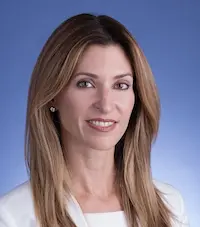 | Yes (CORE) | Legal strategy: phased negotiation, easements, eminent domain, litigation mitigation. | R / C | Legal opinions; draft resolutions; procedural route and timing; risks of “contractual interference”. |
| People and Internal Operations Raymond Hall, Director(Real Estate) | 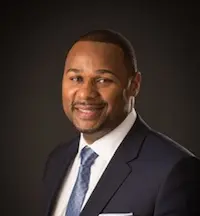 | Yes (CORE) | Detection of strategic listings, appraisals, due diligence and offers. | R | Evidence of market monitoring; comparables; why not bid on time; procurement plan. |
| RER – Regulatory and Economic Resources Lourdes M. Gomez Director (Environmental/Permitting) | Office faceless | Yes (CORE) | Industrial permits, environmental remediation, use compatibilities, pipelines. | R / C | Permitting route; realistic timelines; environmental constraints; remediation estimates. |
| OMB – Management & Budget (David Clodfelter) | 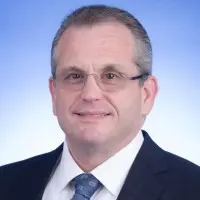 | Yes (CORE) | Multi-source financing structure, budgetary impact. | R | Sources (port funds/bonds/industry advances); tariff scenarios; fiscal stress. |
| Finance – Treasury (Barbara Gomez) | Yes (CORE) | Liquidity, issuance, covenants, rating and cost of capital. | R / C | Cash strategy; rating impact; debt timing; rate sensitivity. | |
| Strategic Procurement – (Namita Uppal) |  | Yes (Support) | Contracts, RFP/RFQ, auxiliary procurement, consultants/pricing. | C | Procurement plan and bridge contracts; operator selection schedule. |
| Office of Innovation & Economic Development – (James Kohnstamm) | 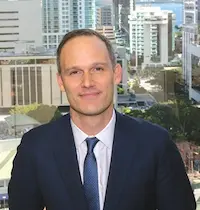 | Yes (Support) | Articulation with industry (FCCA, lines), economic impact modeling. | C | Industry charters/commitments; co-investments; minimum guarantees; impact analysis. |
| DTPW – Transportation & Public Works (Stacy L. Miller, P.E.) |  | Yes (Technical support) | Logistics infrastructure (roads/pipelines), security and access if fuel farm is relocated. | C | Cost and schedule of works; network compatibility; logistics contingency plans. |
| TPO – Transportation Planning Organization (Aileen Bouclé) |  | Yes (Peripheral) | Consistency with regional plans and fuel transportation alternatives. | I/C | Macro technical opinion; eligibility for funds/support; integration into plans. |
| Risk Management Division | People and Internal Operations Raymond HallDirector | Yes (Support) | Operational, legal, financial and environmental risk matrix. | C | Risk map; coverage/insurance; mitigation triggers. |
| BCC – Port & Airports Committee / Board Secretariat Chair: Micky Steinberg – Vice Chair: Keon Hardemon – Members: Juan Carlos “JC” Bermudez, Danielle Cohen Higgins, Oliver G. Gilbert III | Yes (Governance) | Processing by committee, oversight, avoidance of “No committee review”. | A/I | Committee calendar; “as adopted” version; voting record and hearings. | |
| Property Appraiser – Tomas Regalado | No (non-nuclear) | Tax appraisal for tax purposes (not asset strategy). | I | (Optional) impact on roll, if requested. |
* RACI: R = Responsible; A = Accountable; C = Consulted; I = Informed.
Commissioners who should know…
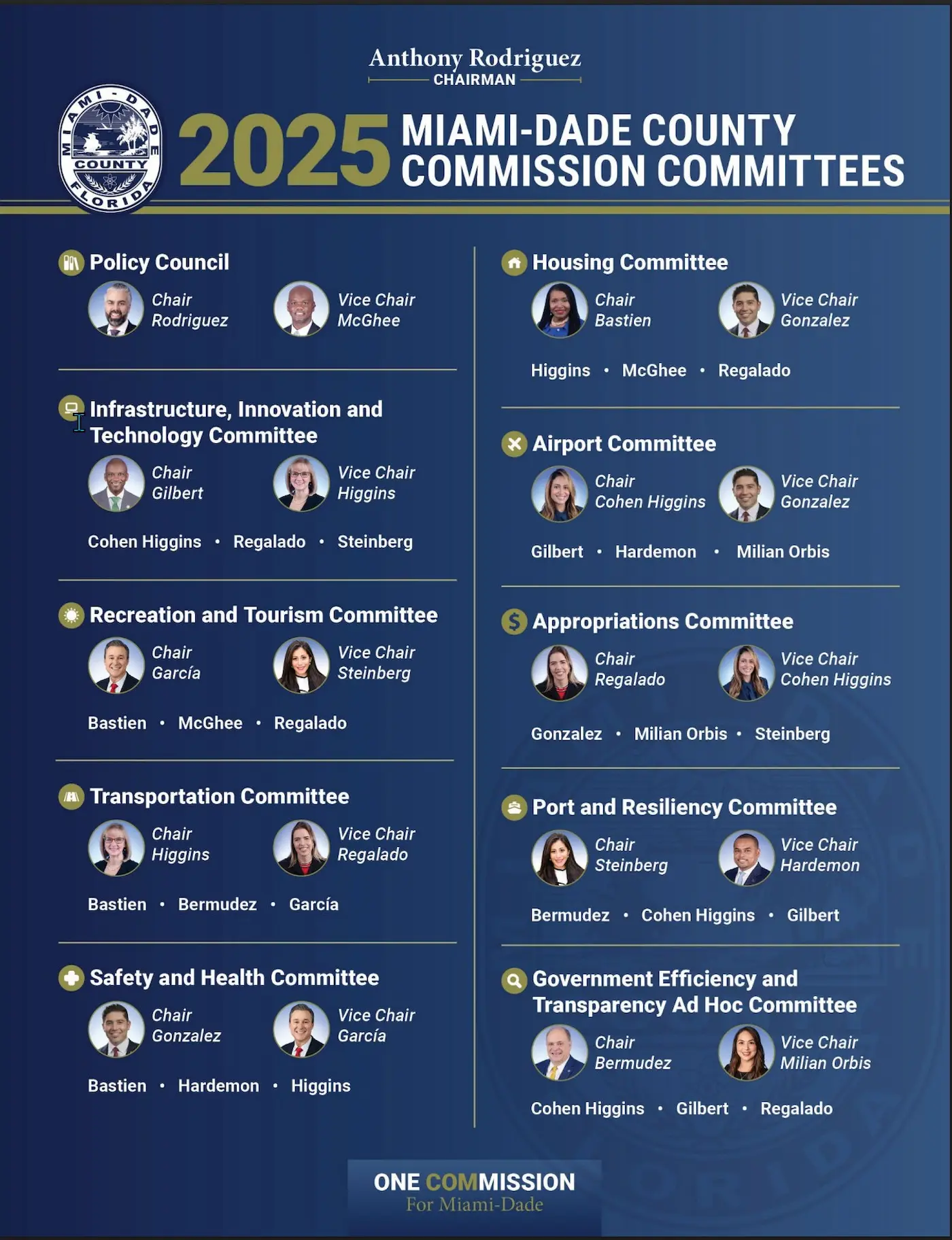
Based on the new committee assignments, these bodies and their constituents had a duty to anticipate PortMiami’s fuel risk and require A/B/C plans (purchase, easements, on-port alternative), by 18-Sep-2025:
- Port & Resiliency Committee – focus topic
Chair: Micky Steinberg – Vice Chair: Keon Hardemon – Members: Juan Carlos “JC” Bermudez, Danielle Cohen Higgins, Oliver G. Gilbert III - Infrastructure, Innovation & Technology – technical feasibility, permitting, redundancy
Chair: Oliver G. Gilbert III – Vice Chair: Eileen Higgins – Members: Cohen Higgins, Regalado, Steinberg - Appropriations Committee – costs, sources and financial schedule
Chair: Raquel A. Regalado – Vice Chair: Danielle Cohen Higgins – Members: Gonzalez, Milian Orbis, Steinberg - Transportation Committee – cruise/cargo logistics and business continuity
Chair: Eileen Higgins – Vice Chair: Raquel A. Regalado – Members: Marleine Bastien, Bermudez, Rene García - Airport Committee – energy, fuel and comparable supply risks
Chair: Cohen Higgins – Vice Chair: Roberto J Gonzalez – Members: Gilbert, Hardemon, Natalie Milian Orbis - Government Efficiency & Transparency (Ad Hoc) – procedure and publication of documents
Chair: Bermudez – Vice Chair: Milian Orbis – Members: Cohen Higgins, Gilbert, Regalado - Policy Council – prioritization and routing to committees
Chair: Anthony Rodriguez – Vice Chair: Kionne L. McGhee
Questions to answer
- When did you receive the first formal alert about the sale of Fisher Island and what actions followed?
- Where are the follow-up intercommittee memos/outlines?
- Why did a strategic plan with costs, alternatives and timing not reach the plenary before 18-Sep?
- What controls will they put in place to ensure that such a risk does not come back “in the ninth inning”?
These figures learned of the sale in 2024 but did not push for preventive measures until September 2025, when the sale was closing.when the sale was closing. Criticisms include phrases such as “they dropped the ball” and “could have been brought sooner”.
Daniella Levine Cava (Mayor of Miami-Dade County):
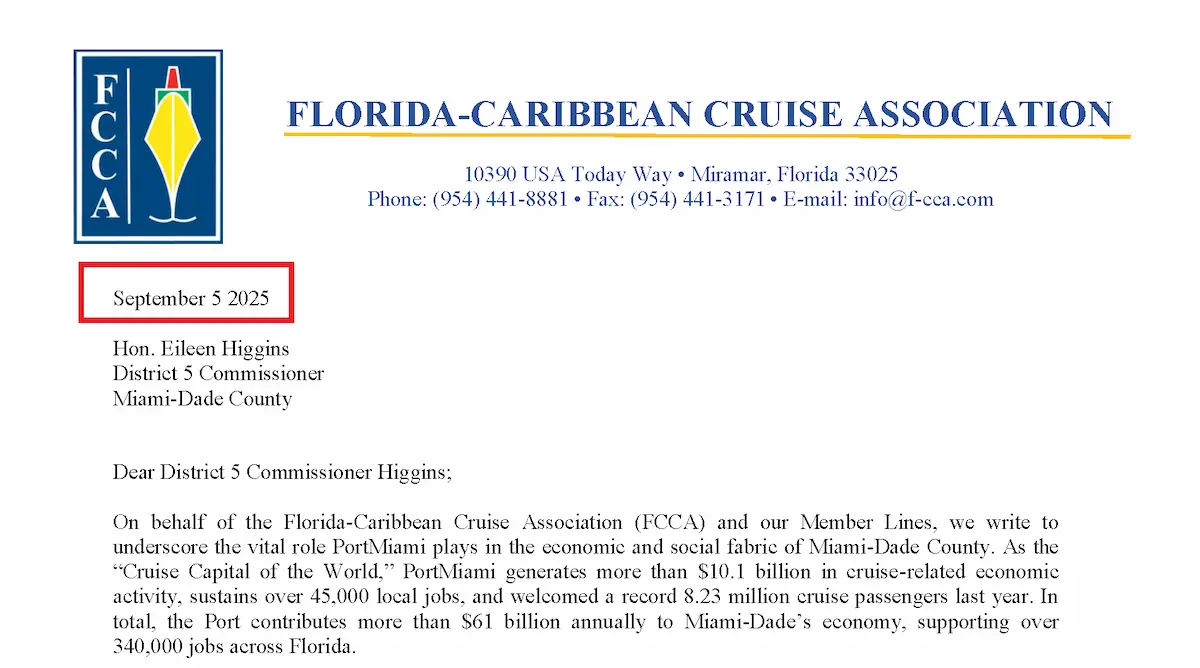
- Role: Executive Leader, signed the PDF memo and urged procurement at the September 18, 2025 meeting. September 18, 2025warning of 340,000 jobs at risk.
- local10.com local10.com
- Fault: His office did not prioritize the issue in 2024, even though the deputy director of PortMiami (under his administration) knew about the sale. In 2025, he only reacted when cruise leaders (such as Royal Caribbean’s Jason Liberty) pressed, implying a reactive rather than proactive response.
- local10.com
- This contributed to the “catastrophe” as it now faces costs of $180M+ per acquisition.
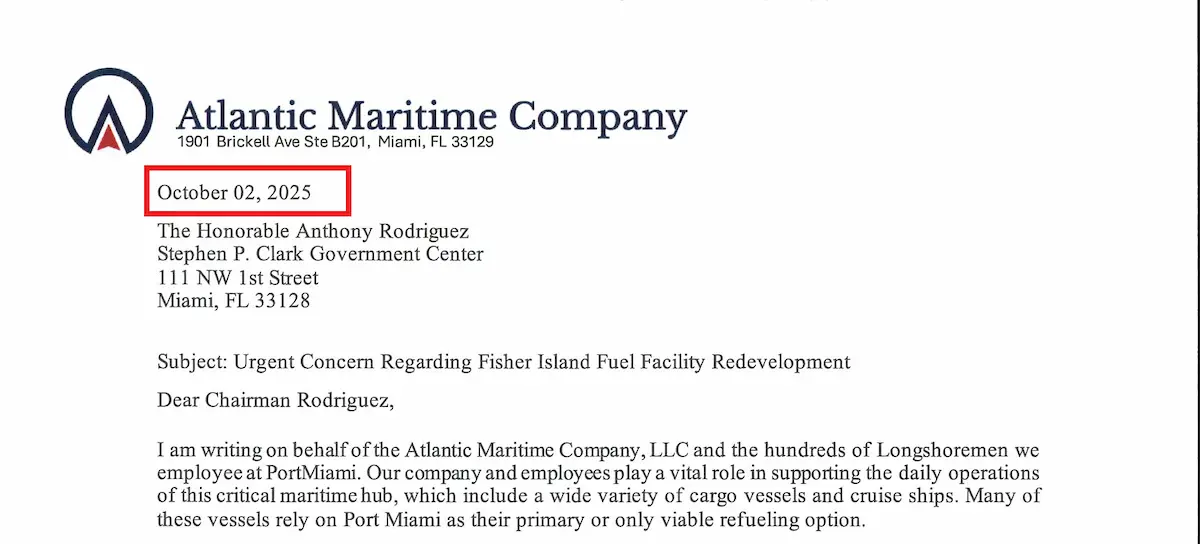
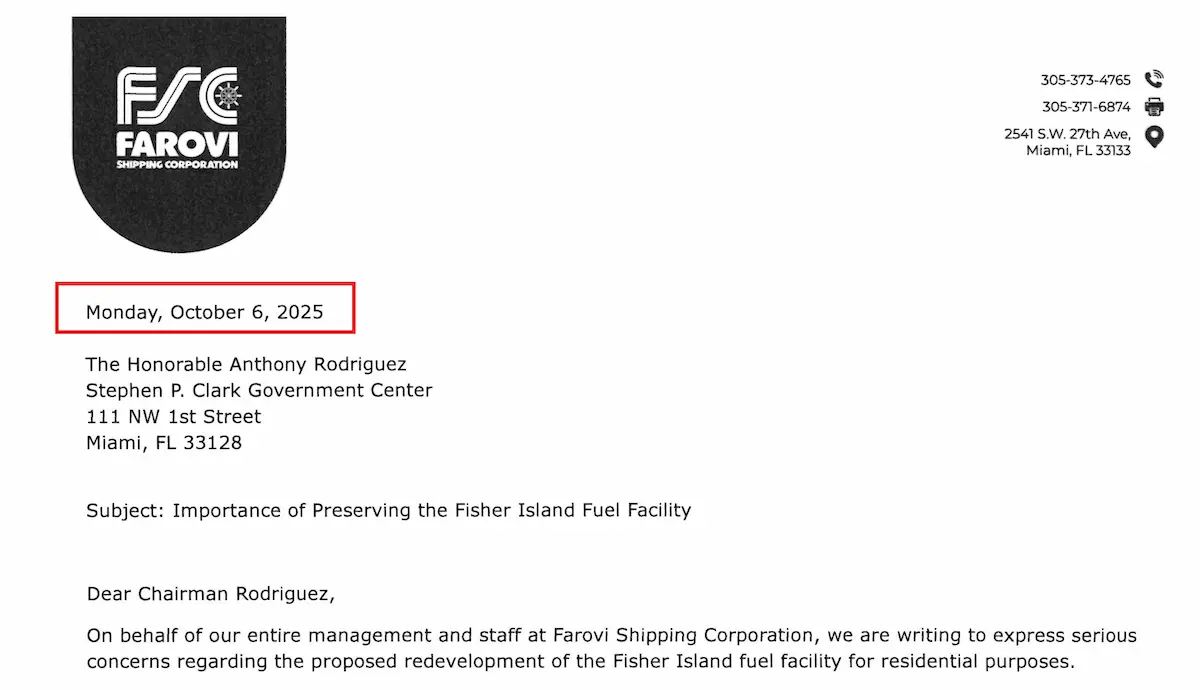
Hydi Webb (Director & CEO of PortMiami):
- Role: Directly responsible for port operations, mentioned in PDF as key in negotiations.
Missing: PortMiami, under his leadership, did not purchase the property when it went on the market in 2024, which commissioners criticized as “dropping the ball.”. - @doug_hanks
- There is no evidence of strategic planning for fuel supply in previous years, despite growth in cruise ships (record 68,000 passengers in February 2025).
- miamidade.gov
- This left the port without backups, escalating to crisis.
Andrew Hecker (Deputy Director and CFO of PortMiami):
- Role: Manages finance and operations; admitted at the September 18, 2025 meeting that he learned of the sale in 2024.
- local10.com
- Fault: Fail ed to raise the issue with commissioners or timely management, contributing to the delay. As CFO since 2022, could have identified risks in fuel dependency, but no preventive measures were taken.
Jimmy Morales (Chief Operating Officer of Miami-Dade County):
- Role: Oversees county-wide operations; in 2025, mentioned need for appraisal prior to eminent domain.
- local10.com
- Missing: Anticipated closing in August 2025, but did not act in 2024. Part of administration criticized for not alerting commissioners sooner.
- wlrn.org
Anthony Rodriguez (Chairman, Board of County Commissioners):
Role: Chaired the special meeting of September 18, 2025 and sponsored the legislative item.
Missing: Admitted that “could have been brought sooner”, implying that the board was not informed timely, but as leader, did not push for proactive oversight on infrastructure (fuel as critical for $61B in economic impact).
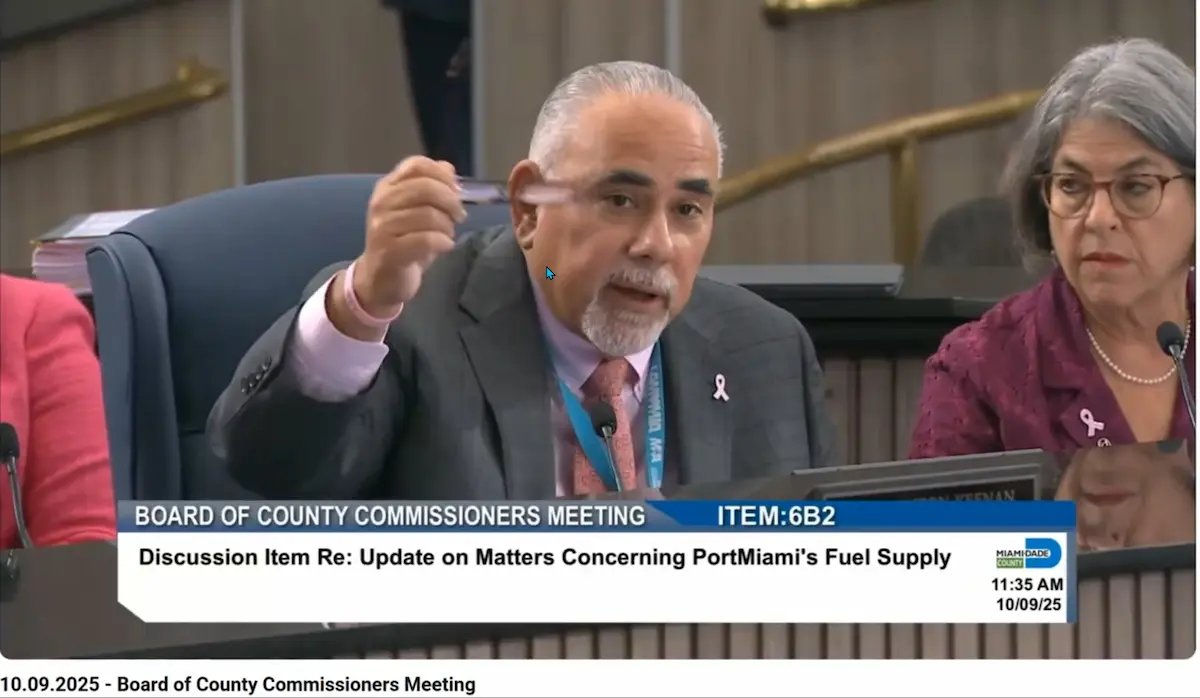
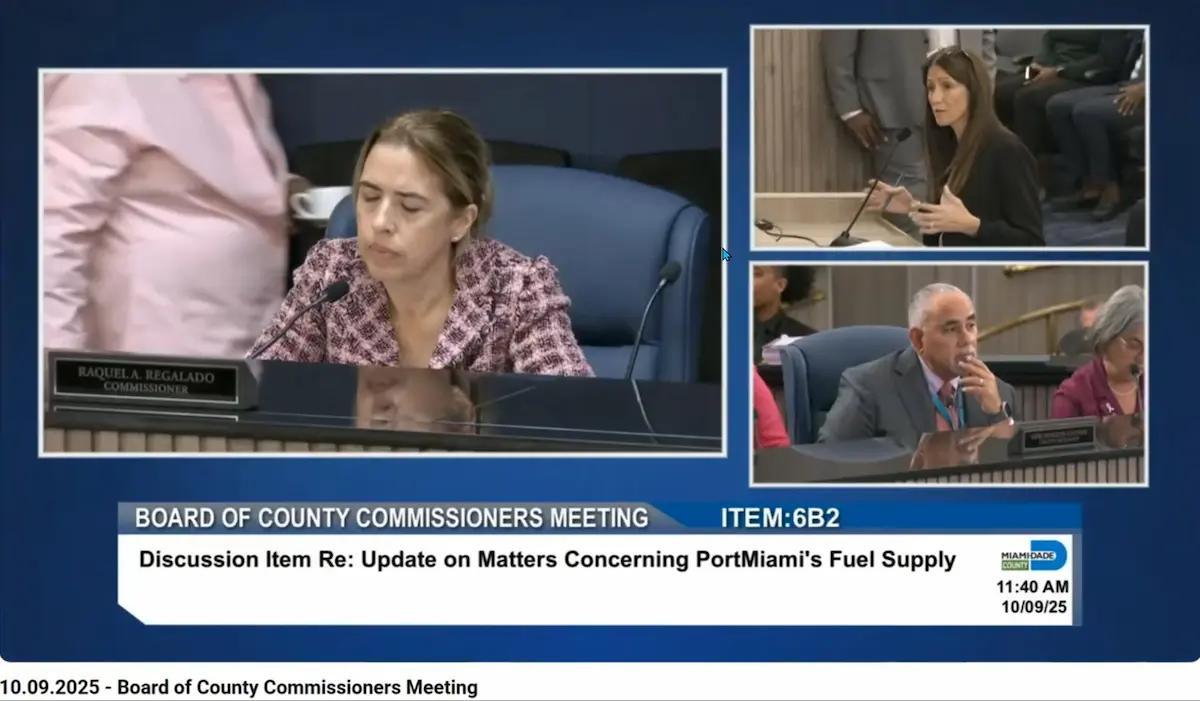
Raquel Regalado (Commissioner):
- Role: Explicitly criticized PortMiami for not buying in 2024 (“They dropped the ball. Now this is our problem”).
- He advocated for a new facility on Dodge Island and “energy independence”.
- @doug_hanks
- Missing: Although critical, as part of the board, there is no evidence that he pushed for action in 2024; his motion for negotiations passed only in September 2025.
- Other Commissioners (Oliver Gilbert, René García, Danielle Cohen Higgins, Eileen Higgins):
- Role: Expressed concerns in 2025 (e.g. Gilbert supported eminent domain, Garcia called situation “playing with hell”, Higgins “huge risk”).
- Missing: Initial oppositions (Cohen Higgins vs. eminent domain) delayed decisions, and did not prioritize fuel on previous agendas.
What should have been on the agenda and in the hands of all commissioners (County Board).
- Chronology of alerts and negotiations (Seaport, COO, Real Estate, County Attorney).
- Appraisals, comparables and due diligence (Real Estate, OMB, Finance).
- Complete legal route (Attorney): drafts, deadlines, risks.
- Technical plan (Seaport, RER, DTPW): on-port vs. alternatives, permits and timing.
- Financial structure (OMB, Finance, Bond Counsel): sources and cost.
- Minutes and committee proceedings (BCC Secretariat): avoid “No committee review”.
Cost to the taxpayer.
- The post-sale rush puts pressure on residents: more debt, fees, possible expropriation cost overruns, litigation and premiums for “ninth inning” decisions. Today it is fuel; tomorrow it will be other infrastructures if the model is not corrected.
Governance pattern that erodes trust.
Special meetings attached to budget hearings, “draft” files and decisions without full text undermine transparency.
Recent controversial cases at the port fuel the public perception of lax controls.
Conclusion. Fisher Island is not “bad luck”: it is bad anticipation. A county with the scale of Miami-Dade cannot manage strategic infrastructure by improvisation. Course correction requires method, schedule and accountability. Without that, the cost will continue to be paid by neighbors in taxes, fees and lost opportunities.
Stay informed with the unfiltered truth! Visit newsmiamidade.com/en for more exclusive articles.