
Rene Garcia uncovers unforgivable failures of Miami Dade County 2025 administration. “Big truths” “shady” or inefficient practices.
In Miami-Dade, politics usually moves between speeches, photo ops and quick votes. But every once in a while something happens that is worth documenting: an official who, in public and on the record, demands explanations and refuses to approve “blindly”.

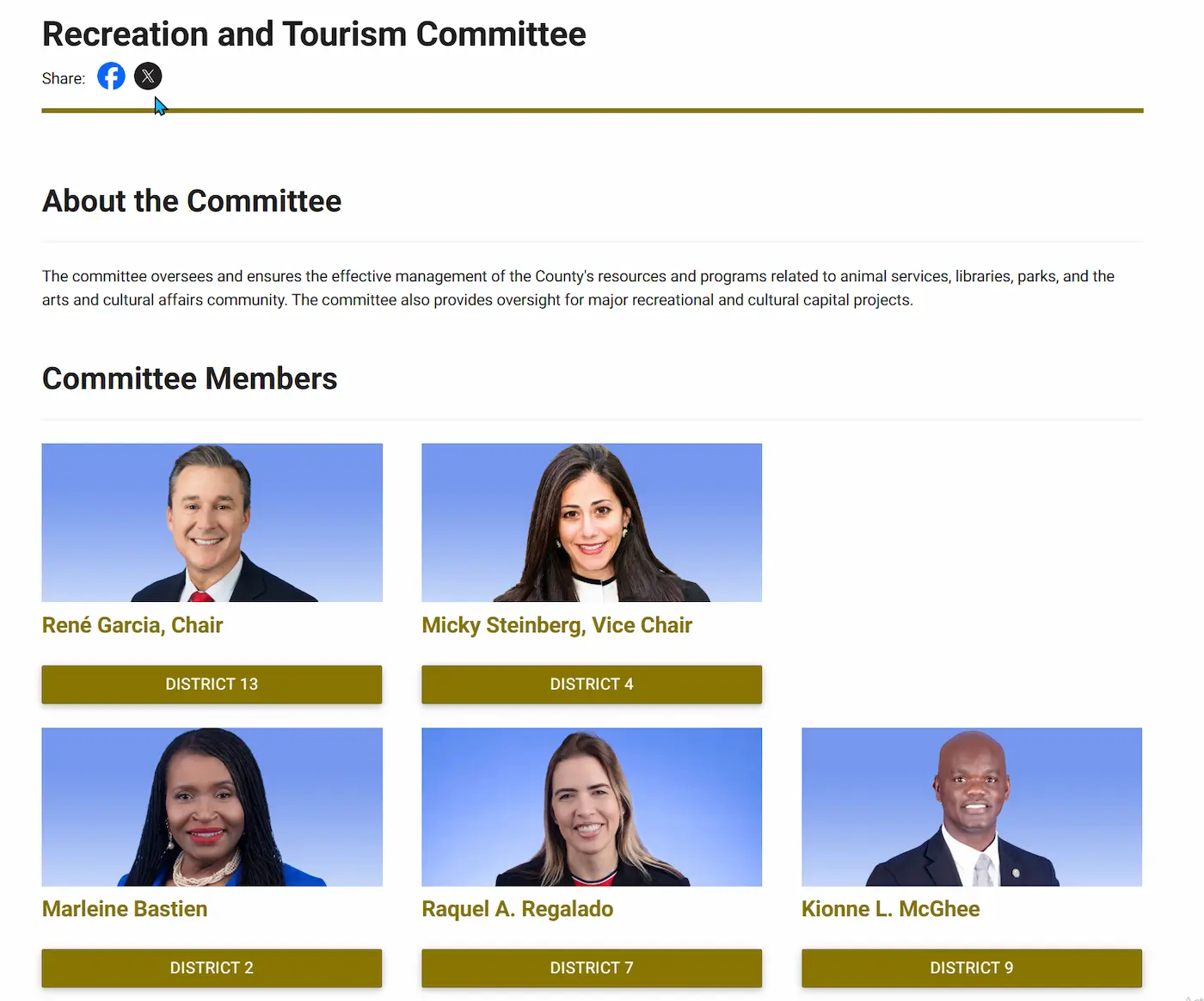
That’s what was on display at the session of the Recreation and Tourism Committee, chaired by Commissioner Rene Garcia (District 13): a combative stance focused on just one thing the county has been dangerously missing: real transparency.
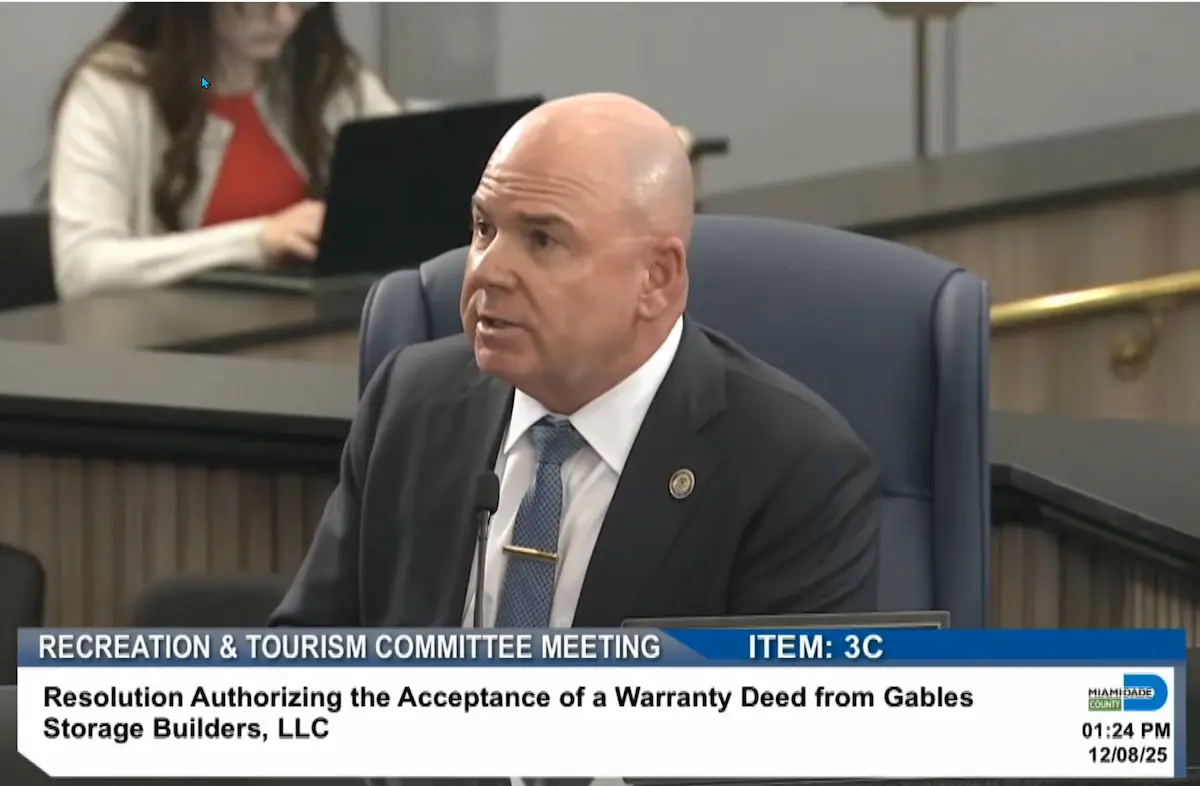
Commissioner Rene Garcia, who chairs the Miami-Dade County Recreation and Tourism Committee. Garcia, a veteran in local politics with more than 20 years of experience (starting as a councilman in Hialeah and serving as a state senator before becoming a District 13 commissioner), has proven to be a vocal advocate for transparency and efficiency in the management of public resources.
His role as chairman of the committee puts him at the center of decisions on parks, museums, zoos and tourism, areas critical to the quality of life in Miami-Dade. Through his leadership, Garcia has pushed for budget discussions and criticized unexpected cuts in parks funding, as evidenced in recent press reports where he demanded an investigation into cuts that were supposed to be restored during the summer 2025 budget negotiations.
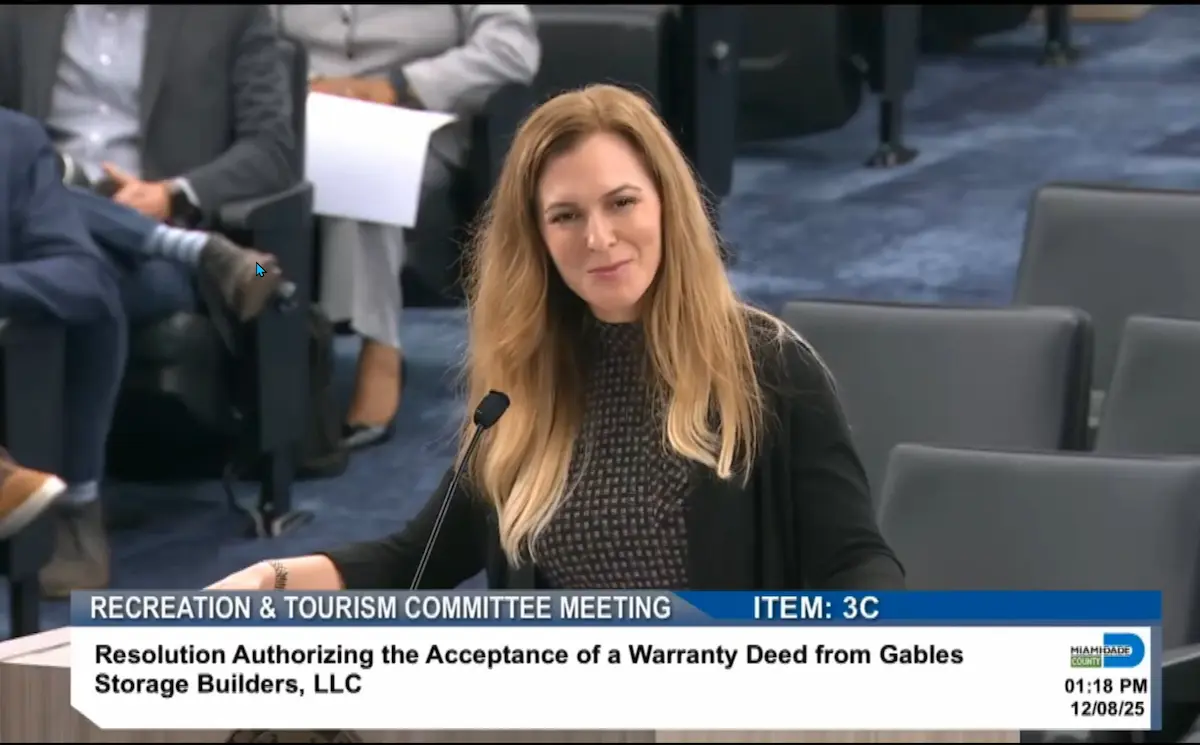
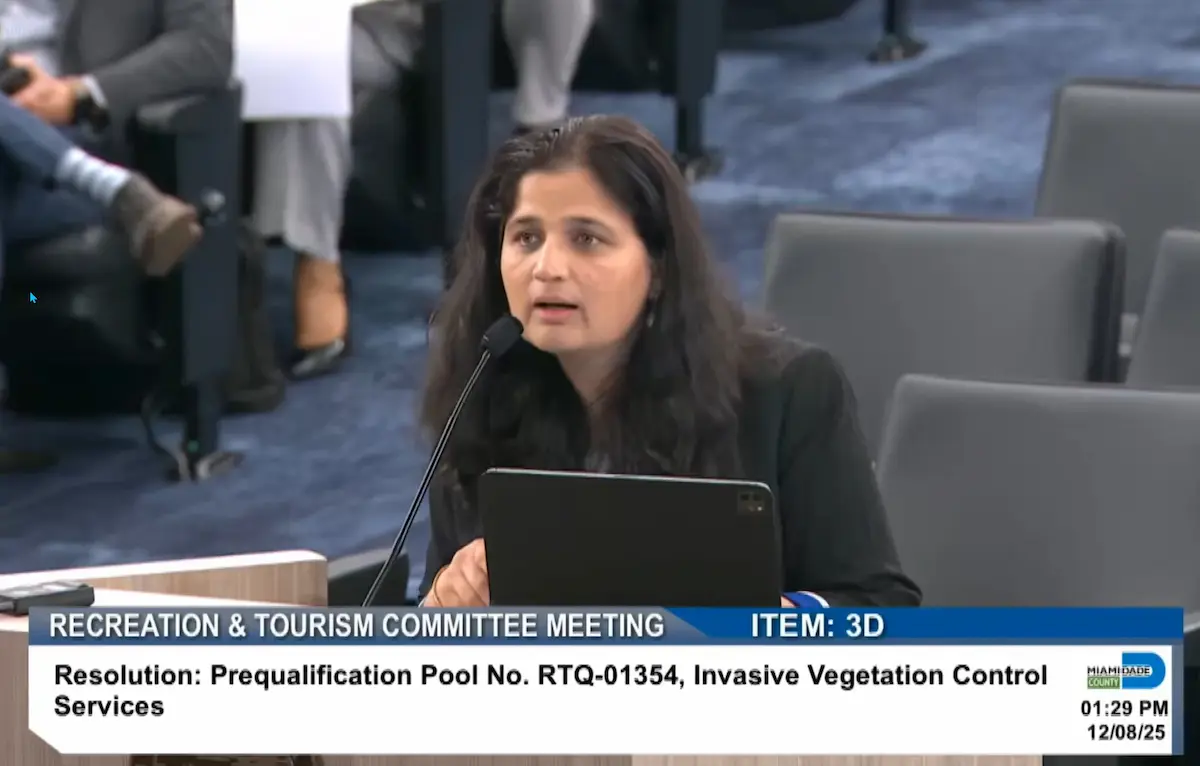
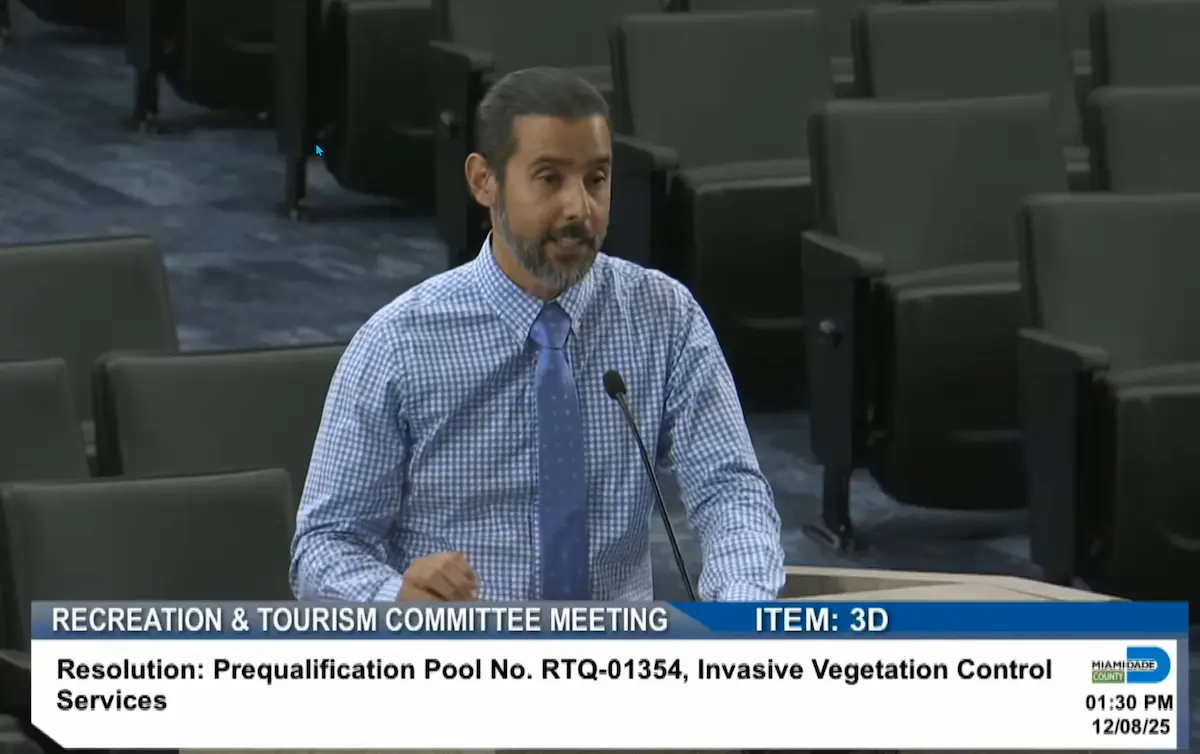
Let’s look at the transcript of the December 08, 2025 meeting.
This meeting reveals systemic failures in county management, such as delays in budget transparency, inefficiencies in the maintenance of parks and environmental settings, and bureaucratic barriers affecting revenues and community projects. Garcia emerges as a combative figure, speaking “big truths” about the need for accountability and correcting “shady” or “inefficient” practices . We highlight the key points, the failures exposed and how representatives like him keep up the fight.
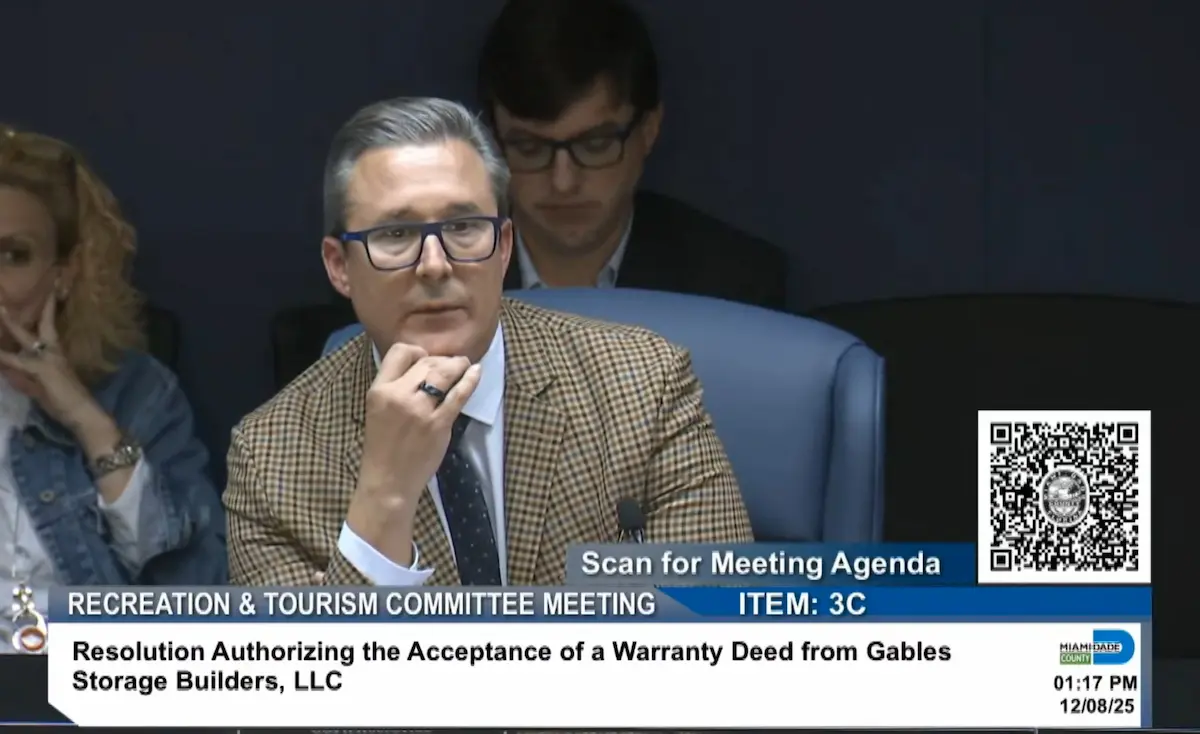
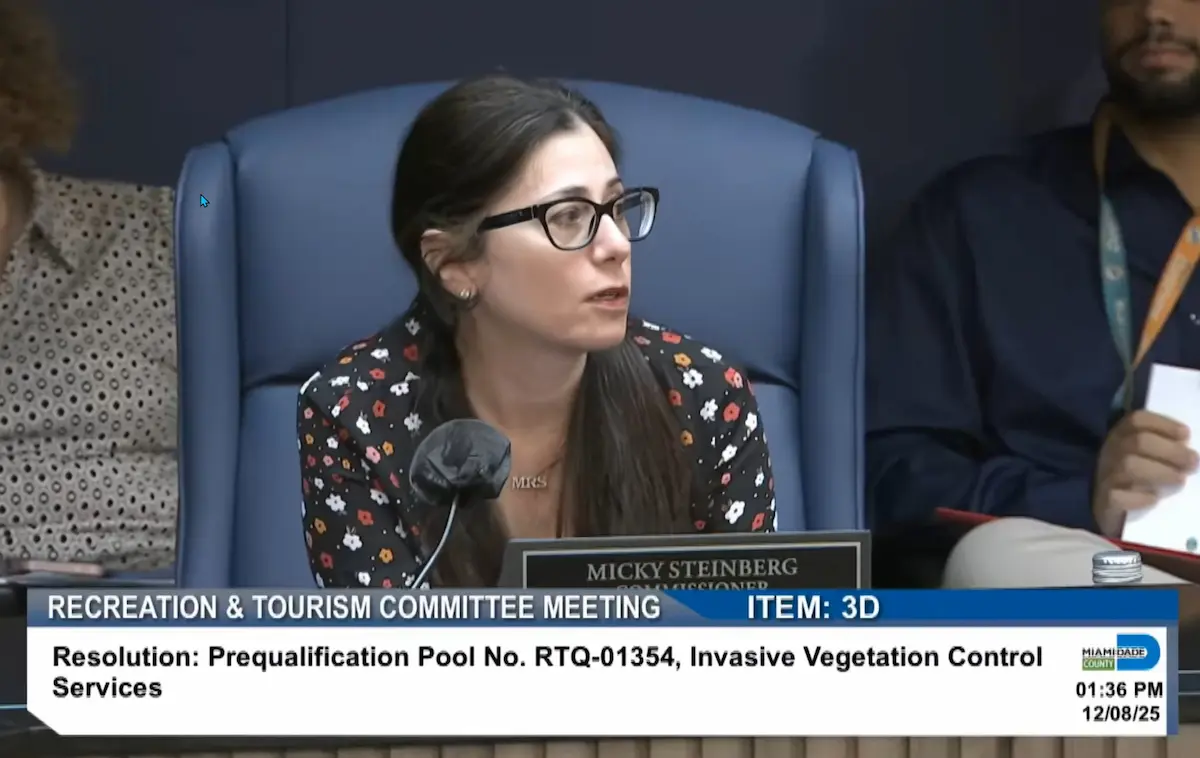
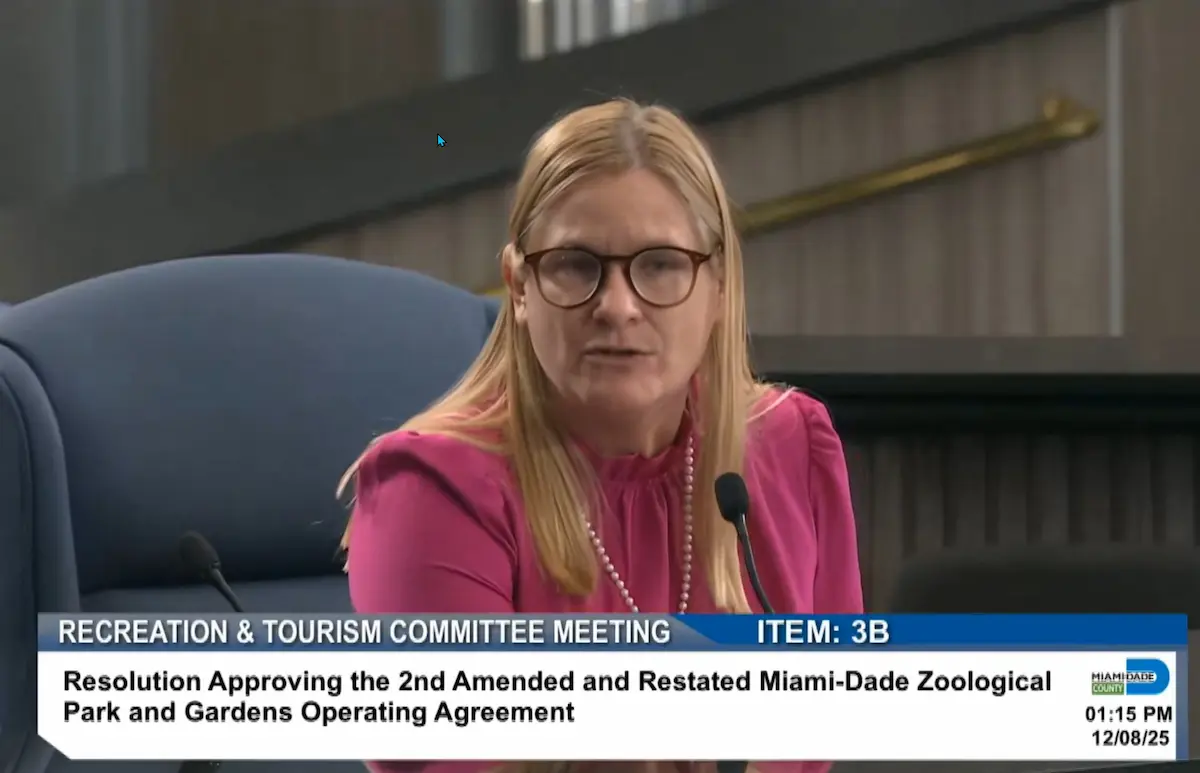
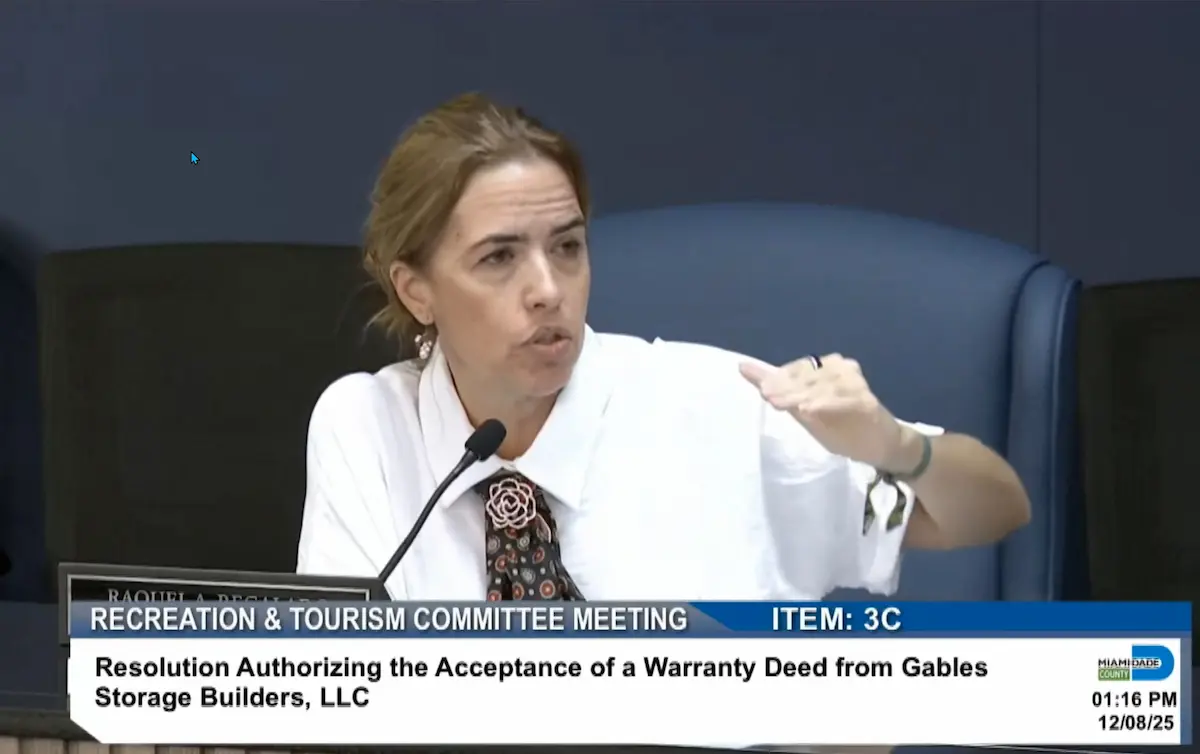
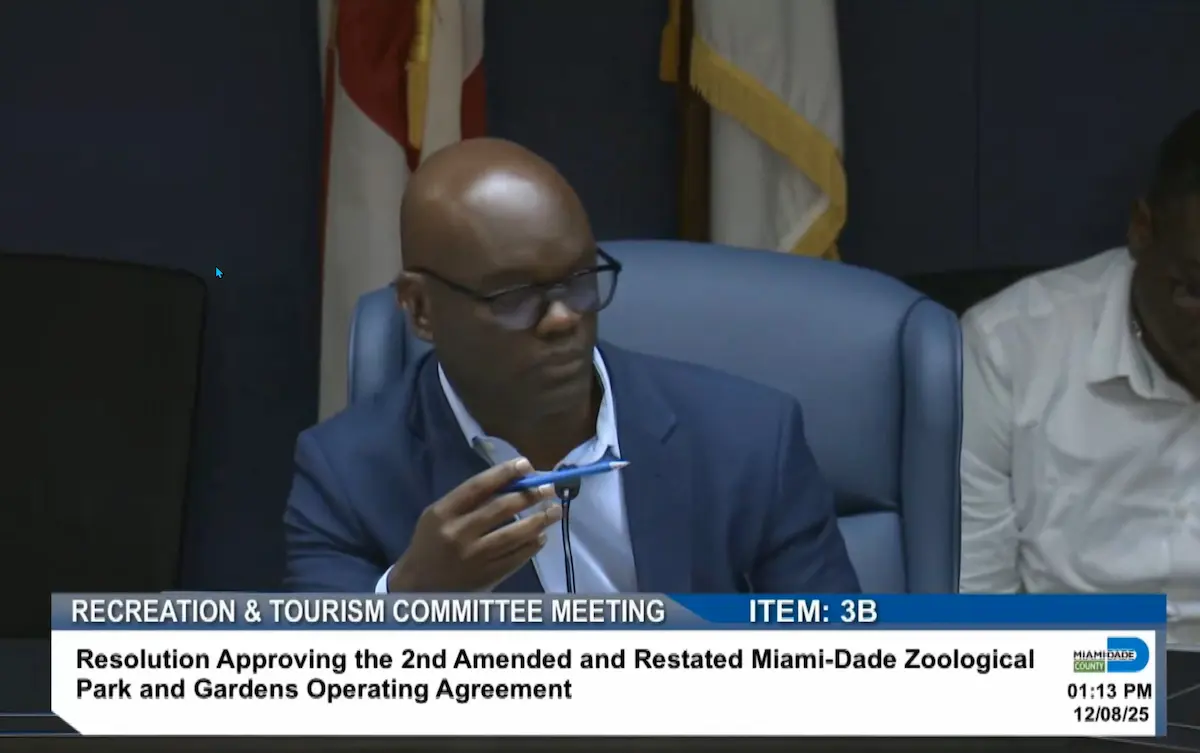
Meeting Context: Agenda and Main Topics
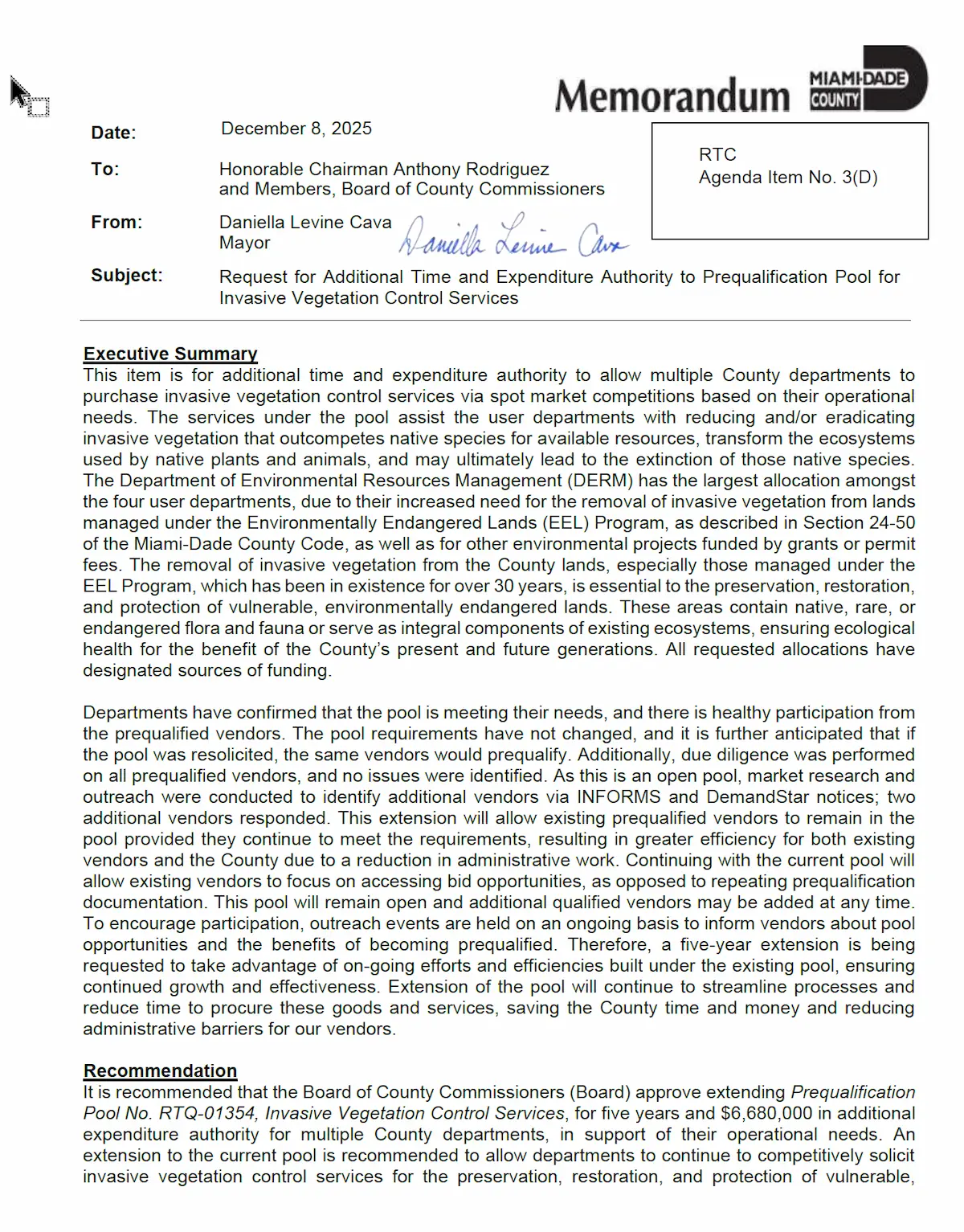
The session addresses agenda items such as 3C, 3D and others related to grant agreements, parks, zoos and environmental management. There are no changes to the official agenda, and it moves forward with fast motions.
Community and educational agreements:
Proposals for Title I schools (low-income) to visit museums on a monthly basis, promoting cultural exposure.
Zoo sponsorships:
Strategies to expedite sponsorships without going through lengthy commission processes, to recover lost revenue.
Acquisition and maintenance of parks:
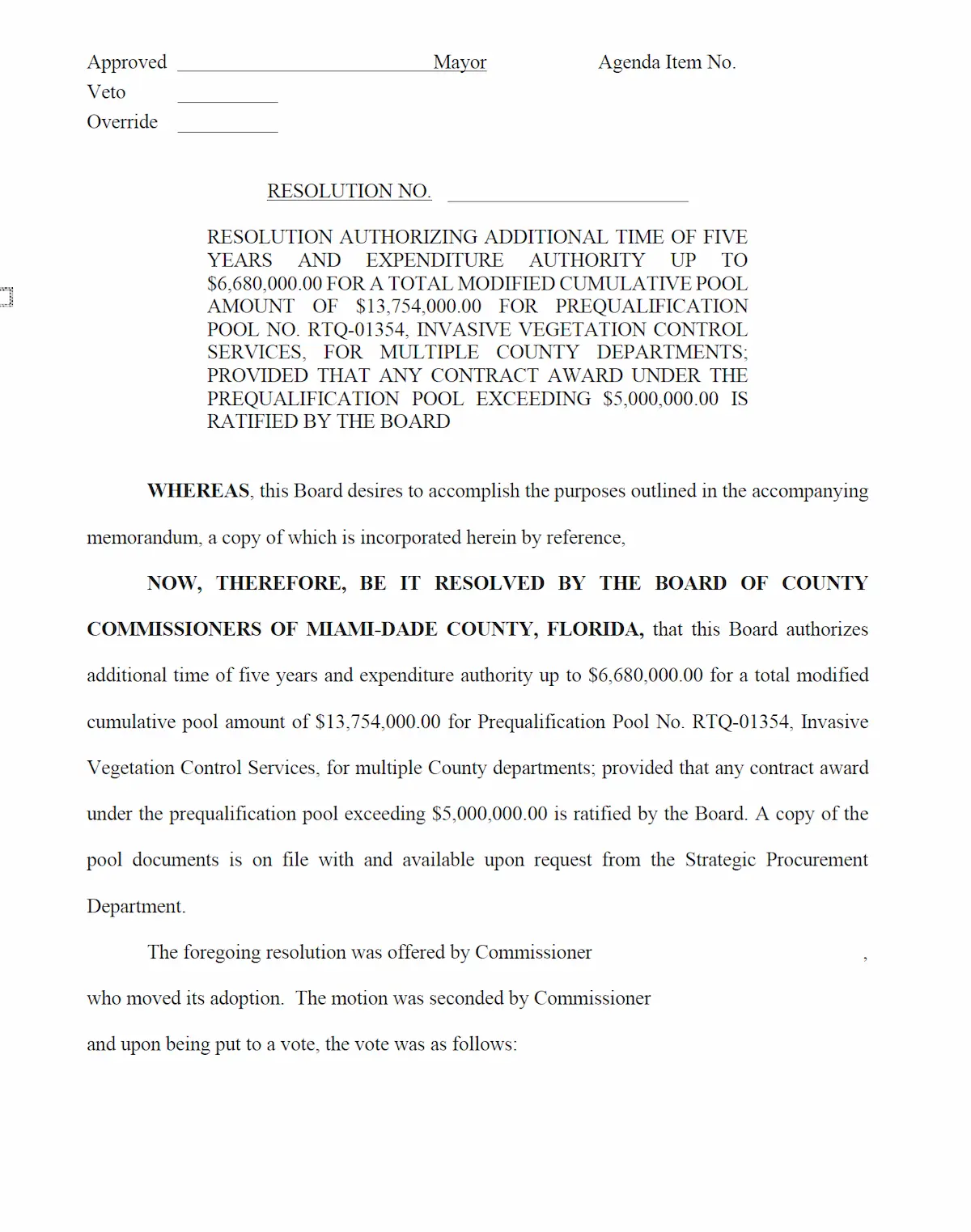
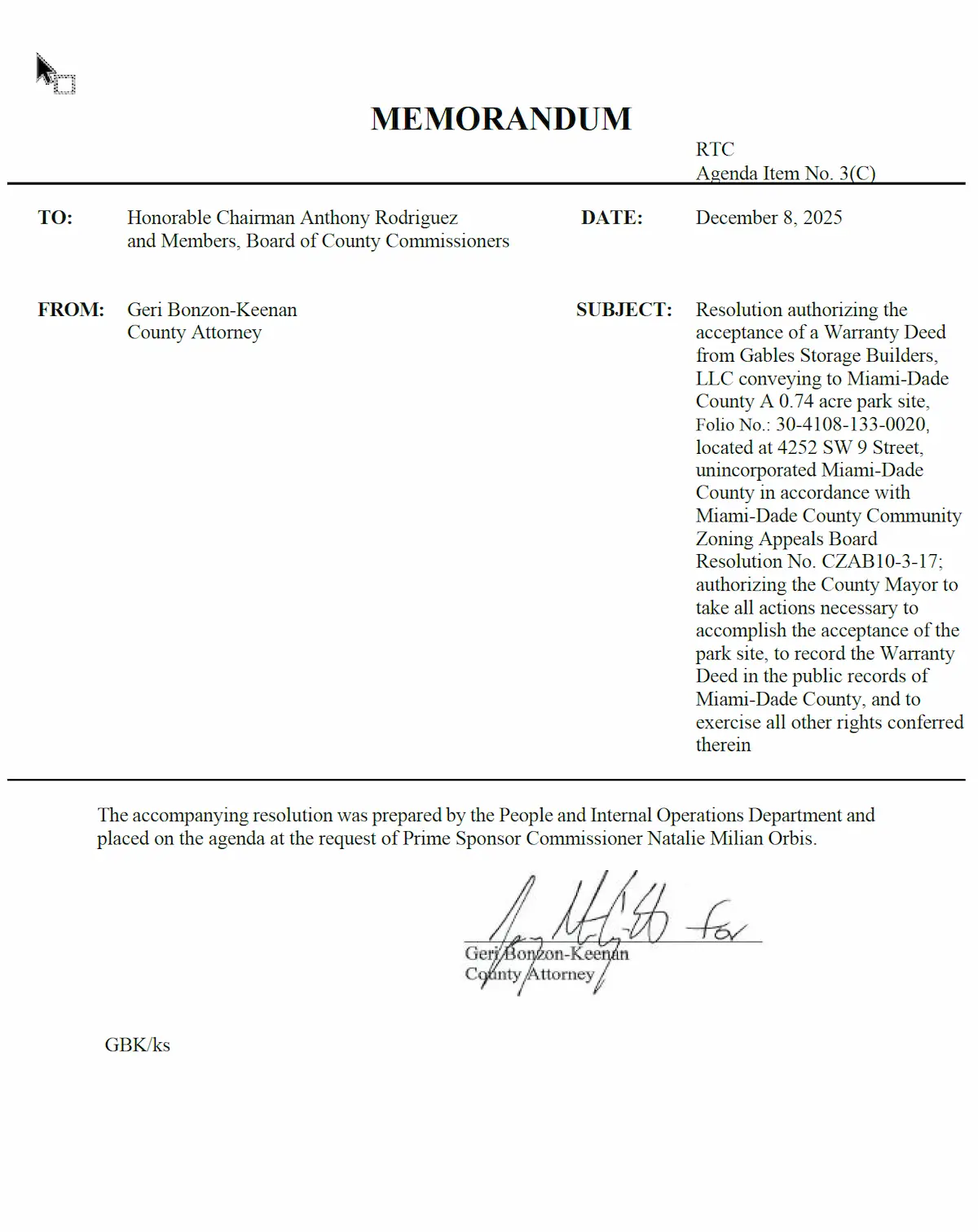
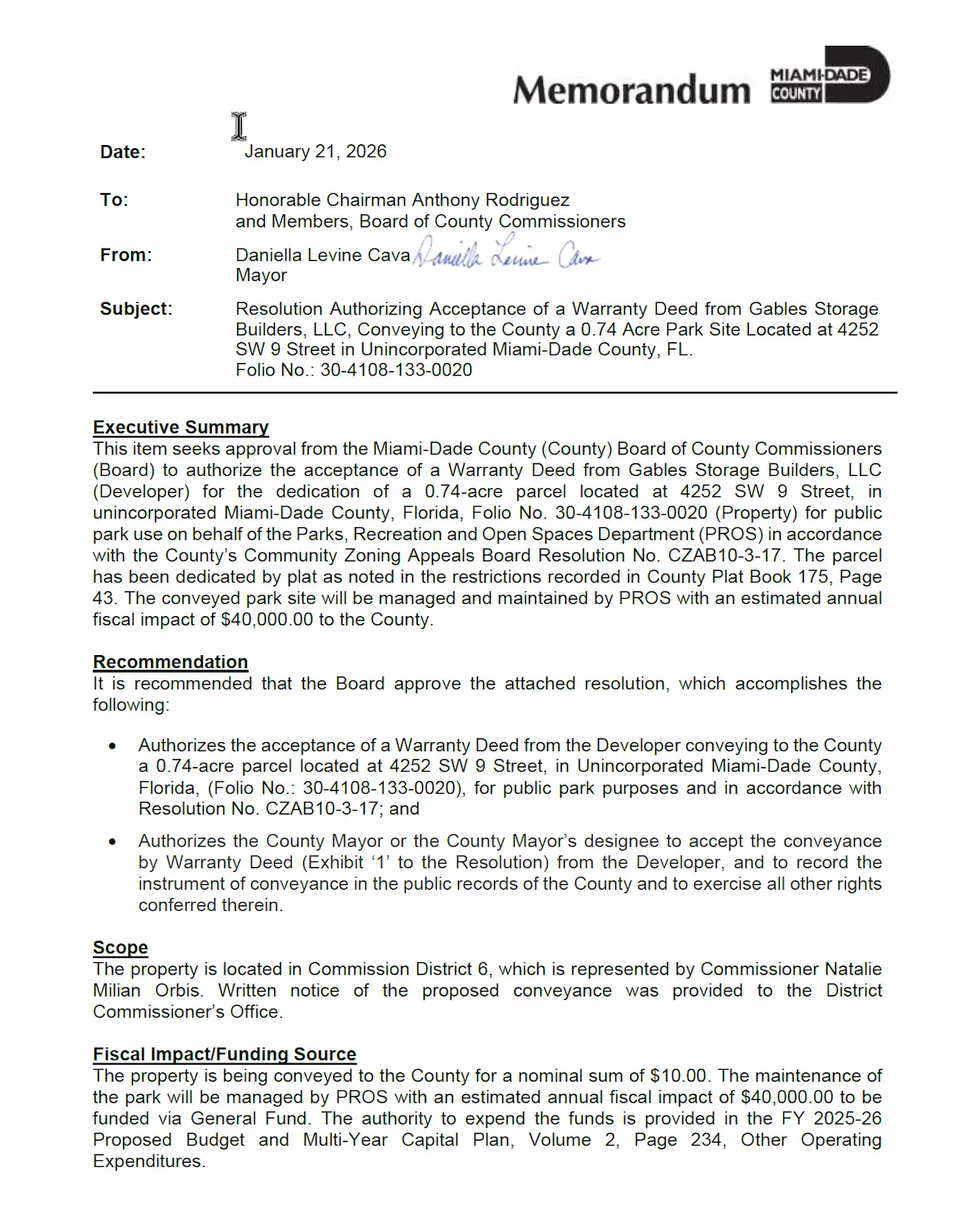
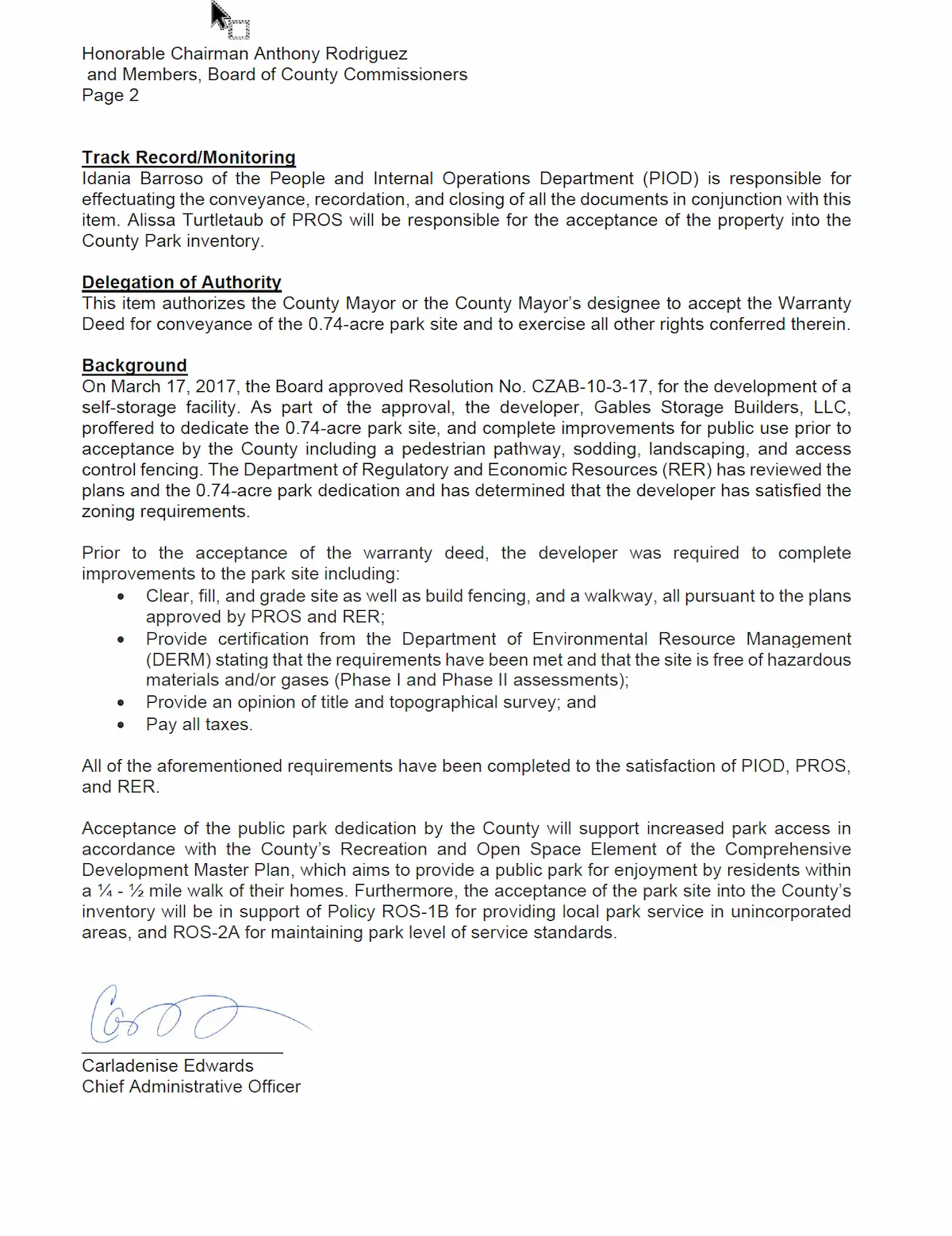
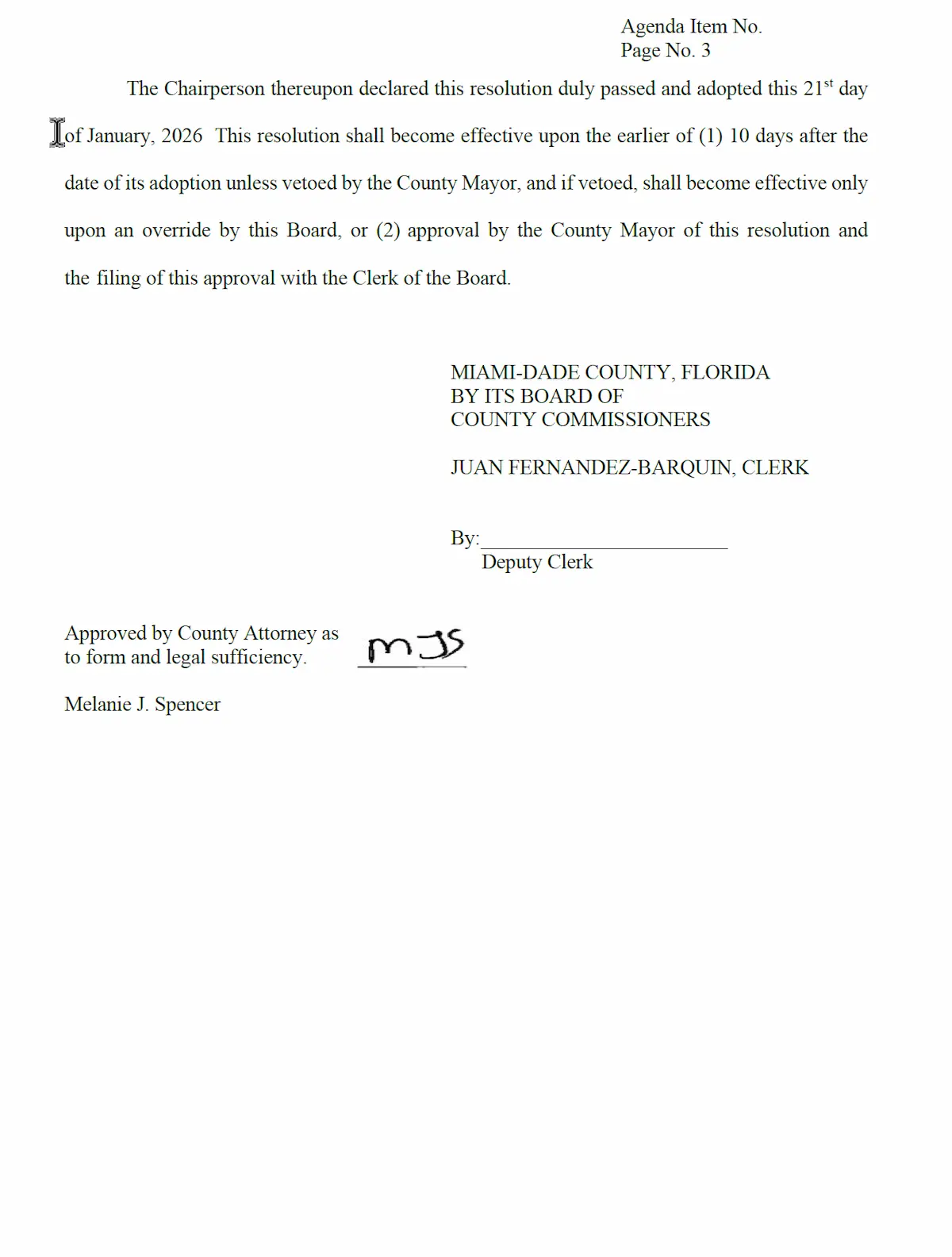
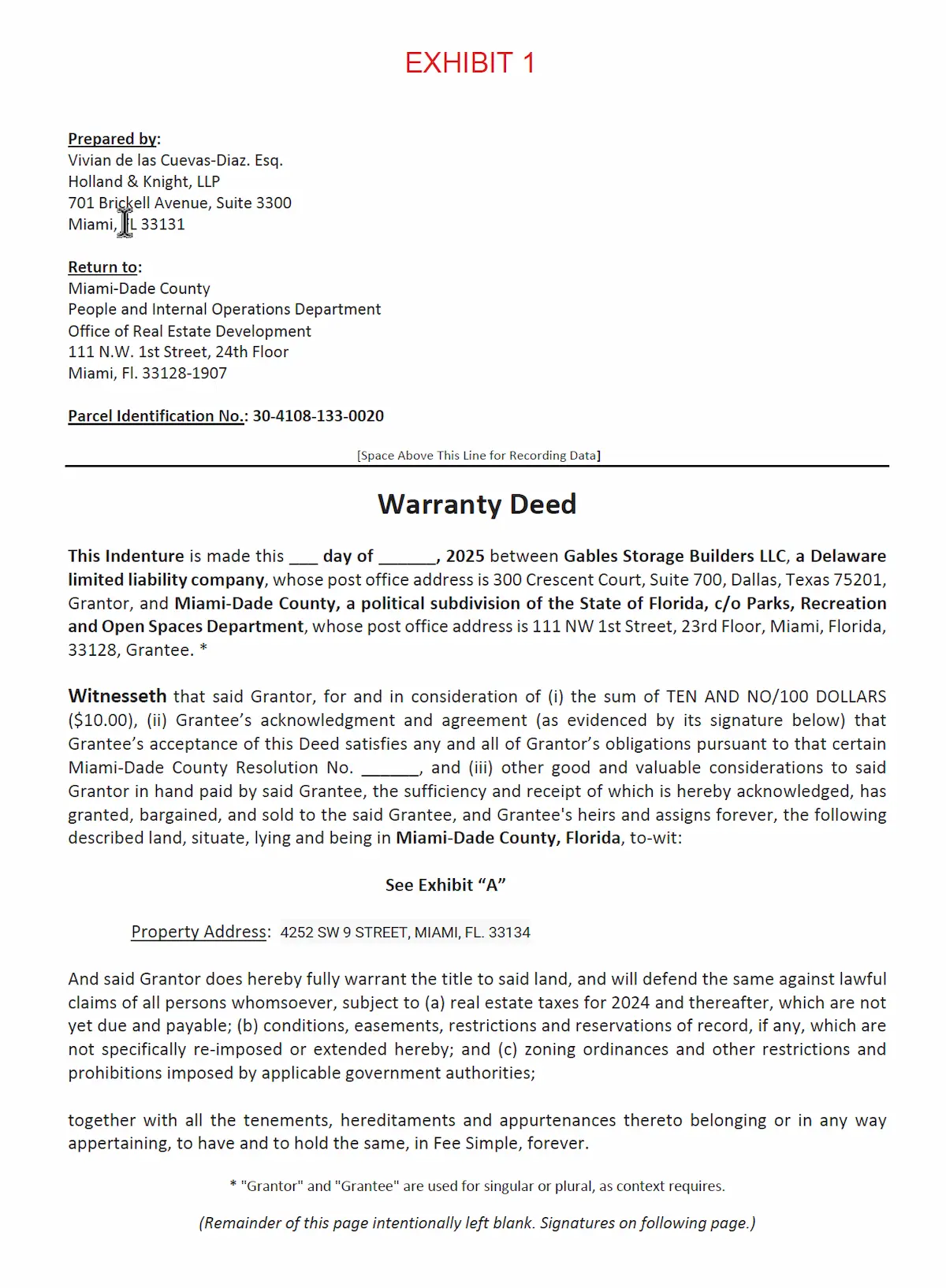
Discussion about adding a new park to the county’s portfolio, with existing improvements but concerns about maintenance costs ($40,000 annually) and future capital needs.
Environmental funds (DERM):
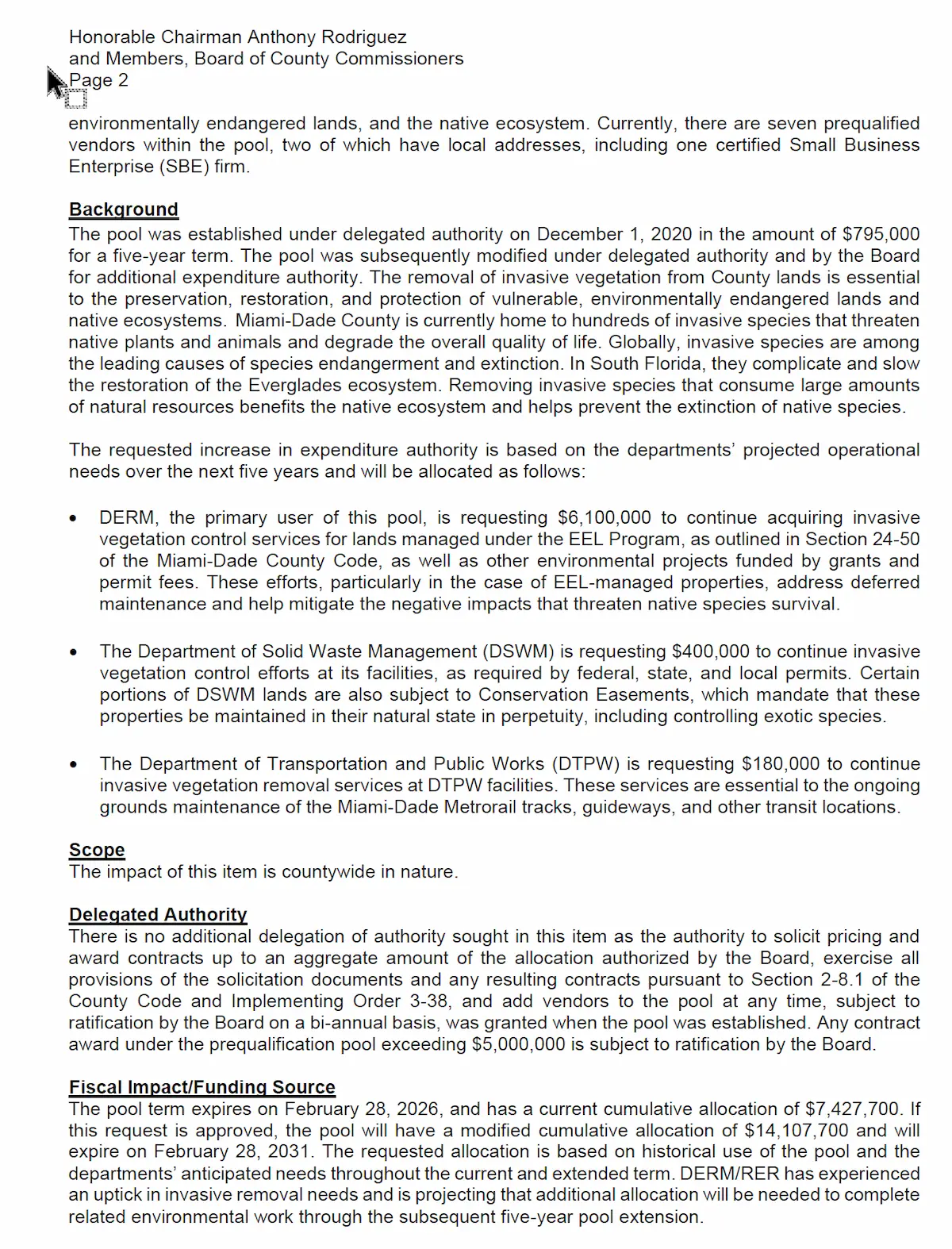
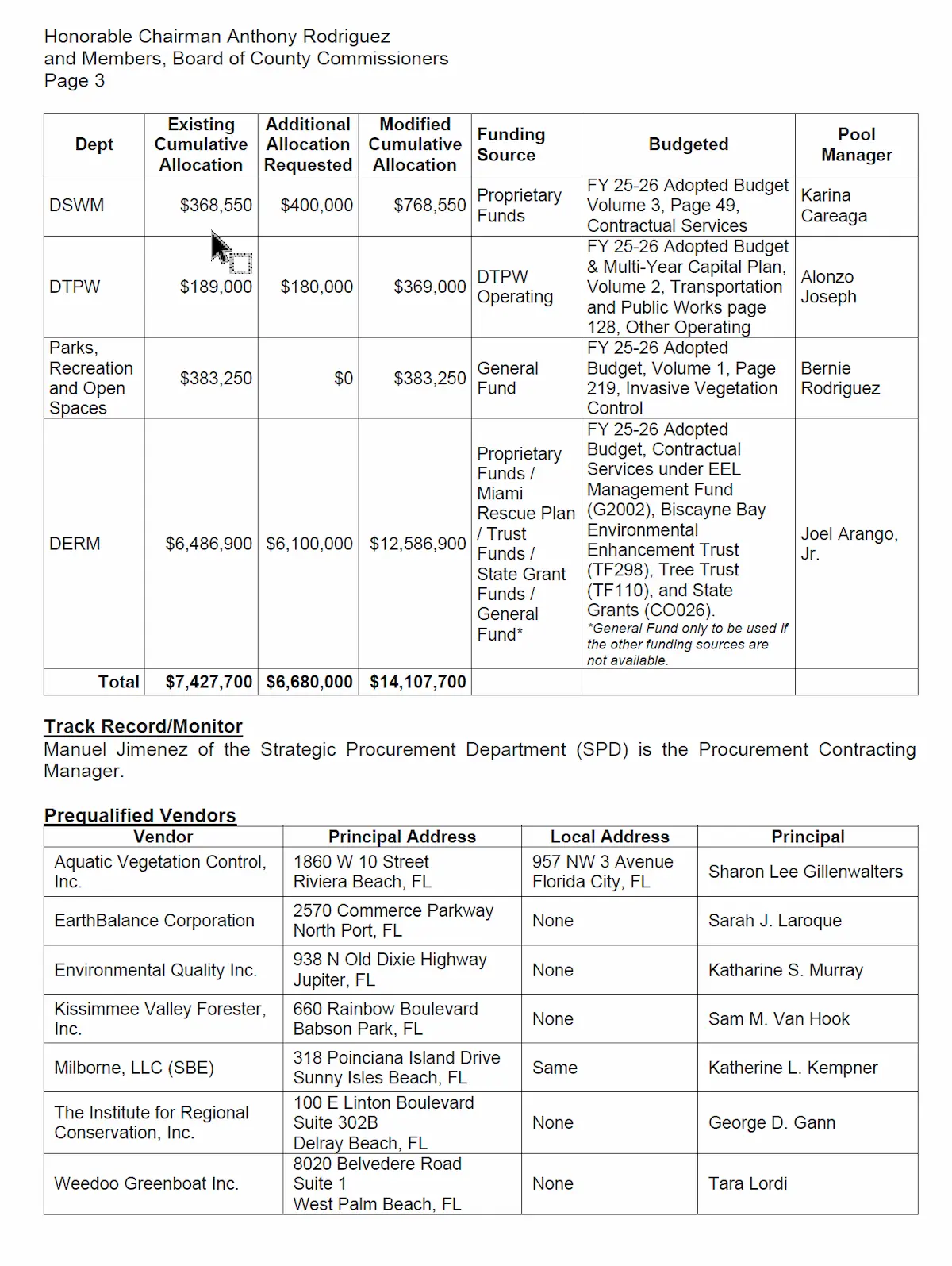
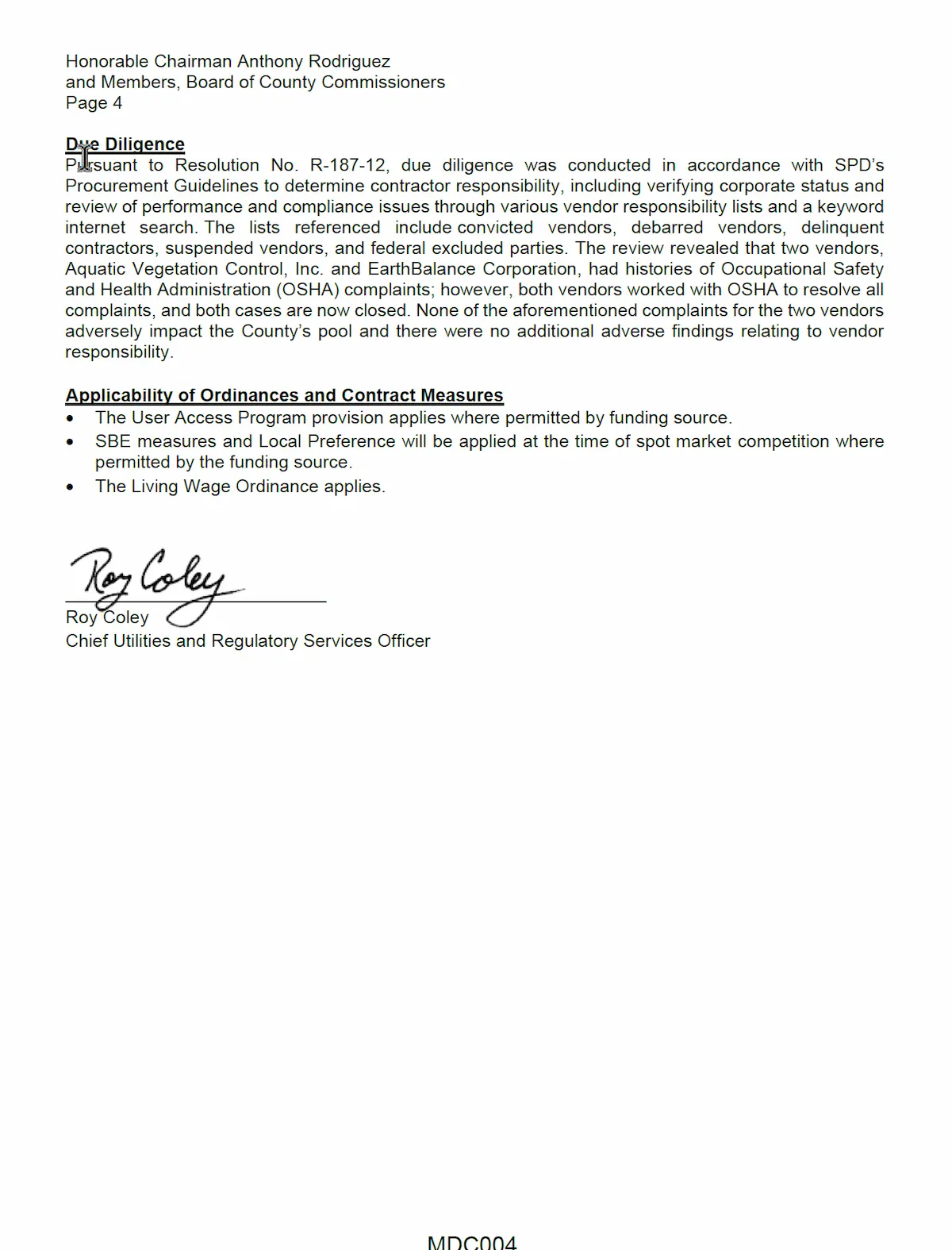
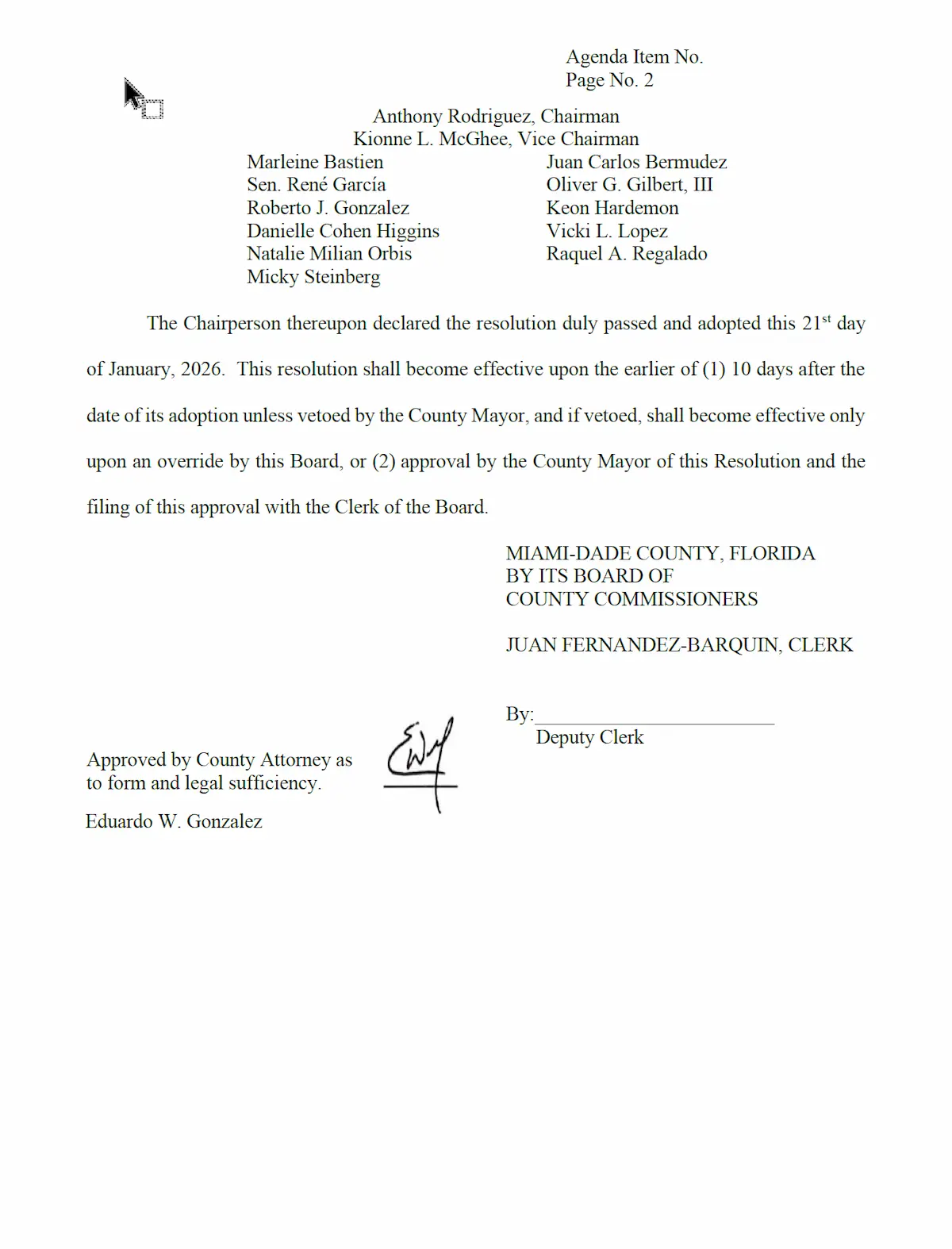
Request for an additional $6.1 million for pending projects, extending a five-year regime, with emphasis on invasive species removal.
Budgets and transparency:
The core of the debate, with criticism of delays in the publication of final budgets.
The meeting mixes Spanish and English, reflecting Miami-Dade’s bilingualism, and shows tensions between commissioners and the administration.Great Truths Pronounced by René GarcíaGarcía not only presides, but intervenes forcefully, exposing uncomfortable truths about bureaucracy and lack of accountability. His interventions highlight the urgency of correcting systemic failures, positioning him as a“watchdog” against what is“wrong or shady“.
The tipping point: budget approved… but without clear public access
García did not limit himself to “moving the agenda”. He was upset, and he said it like it is: the budget was approved months ago, but the citizen still does not have, in a simple and published way, the final information that should be available. His indignation was not theatrical; it was an institutional claim: if the budget is public, the information must be published, accessible and on time.
That is the minimum standard. And when a committee chair has to ask for it out loud, it means the system is failing.
The difference between “governing” and “managing excuses”.
The most important part of this speech is the message: you do not govern with excuses. You govern with documents. Dec 08-2025
García pressed for deadlines, for concrete dates and for the concept that most discomforts the bureaucracy: accountability. Transparency cannot depend on the commissioner’s insistence; it has to come from the factory.
On the lack of budget transparency:
Garcia expresses frustration over delays in public information, calling it “completely unacceptable”.
He says, “From September through December, we have not released any information to the public to see a final budget. Mr. Coley, it’s completely unacceptable. […] The state legislature, which has a $130 million budget, a $1 billion budget, leaves that budget on the table for senators, for legislators, to vote and give three days for a final budget.
And they’re going to tell me they’re going to give me an excuse from the Administration, but we can’t give an excuse.” This reveals a stark truth: the county fails to provide timely data, even for budgeted projects, which hinders public and commissioned oversight. Garcia demands that information be shared with the full committee, not just in private meetings, for transparency.
On unspent funds and distribution:
Questioning $7.4 million in existing funds (with $4.7 million remaining), Garcia asks, “How many of those cost […] There’s nothing you can ask for more than funding. It’s always access to labor support associated with our manutentions.” He insists on understanding how these funds are distributed and leased, highlighting possible inefficiencies or “shady shifts” in their use. This connects to recent reports of cuts to parks that were not restored, where Garcia has led investigations.
On long-term impacts and responsibility:
Supports discussions on park maintenance, but cautions, “I think what we really want to do is this commission, this chairman.” Proposes redirecting items to committees such as Finance and Administration for financial details, correcting processes that could hide hidden costs (such as the “Pandora’s box” of unplanned park expansions).
These statements are not just rhetoric; Garcia has used his platform (such as on Instagram and Facebook) to invite the public to meetings and town halls on budgets, emphasizing parks and recreation protection.
Failures Exposed in Miami-Dade:
The “Badly Done or Muddy”.
The transcript illuminates chronic problems in county administration, which good representatives like Garcia combat:
Bureaucratic delays and lack of transparency:
The budget voted in September is still not published in December, which Garcia calls an unacceptable excuse. This suggests potential opacity, where funds could be redirected without scrutiny, affecting projects such as regional parks with “long lists of needs”. Systemic failure: The administration delays reporting post-vote decisions, limiting accountability.
Inefficiencies in financing and maintenance:
A new park with existing improvements is discussed, but without clarity on who pays for maintenance ($40,000/year) or future expansions. Another commissioner warns of a “hierarchy” of parks in need, and how adding assets without dedicated funds creates burdens. At zoos, slow commissioning processes have caused revenue losses; Garcia and others propose shortcuts to sponsorships, correcting “trapped” bureaucracy.
Poor environmental management:
DERM funds ($6.1 million) address invasive species, but it is revealed that volunteers are not enough and chemicals are needed to “prevent ecosystem destruction”. Delays in removals have caused flooding and emergencies, exacerbated by seasonal migrations. Failure: Limited annual processes slow responses, allowing “messy” damage to environments that affect communities.
General budgetary challenges:
Park cuts (as reported in November 2025) have not been resolved, despite promises. Garcia cites obsolete funding vehicles (e.g., parking fees not collected efficiently), calling for park-by-park analysis for self-sustainability.
These failures are not isolated; they reflect broader problems in Miami-Dade, such as opaquely managed budgets in the billions, which Garcia has criticized in town halls on the mayor’s proposed budget.
How Good Representatives Fight: The Garcia Example
Effective representatives like Garcia don’t just complain; they act.
At this meeting, he:
- Requires deadlines (e.g., information by December 31).
- Proposes to redirect items to finance committees for details.
- Collaborate with management and commissioners, but do not tolerate excuses, ensuring that the public sees the information.
Focus on solutions:
Expedite zoo sponsorships, prioritize funding for Title I, and use volunteers/farmers for environmental removals.
His record (dropping out of the Hialeah mayoral race in 2025 to focus on the county) shows commitment. As journalists, we see in Garcia a model of vigilance: always “up for the fight,” correcting murky delays through public pressure and motions. However, he urges more citizen scrutiny to force systemic changes, such as independent audits of park budgets.
This meeting provides evidence that, despite progress (e.g. new parks), Miami-Dade faces chronic opacity. We will continue to monitor; Garcia invites you to tune in to future live sessions for more transparency. If more context emerges, we will dig deeper.
Uncomfortable questions for the county to answer
- What is the exact date on which the final budget is published with a publicly available breakdown? rene garcia recreation committee….
- What items changed between what was approved and what was executed, and who authorized these changes?
- What metrics justify extending large contracts for five years? 5440
- In parks: what is the annual cost per park and what line item covers it before accepting new properties? rene garcia recreation committee…
- Why are there decisions that are explained late or without exact numbers in public? rene garcia recreation committee…
Join us at News Miami Dade and stay on top of everything that’s happening in our county! Find out how politics is moving in Miami-Dade and its cities, the businesses that are in the news, the vibrant cultural world, must-see events, demonstrations against injustices, and much more. We are always at your service to inform you with fresh news, in-depth analysis and exclusive content.
Visit us at:Website: newsmiamidade.com.
Instagram: @miamidadetoday
and @newsmiamidade
Facebook: NewsMiamiDade
TikTok: @newsmiamidade305
X (Twitter): @NewsMiamiDade
Send us your ideas or questions to the email: [email protected] or by WhatsApp: 7867482386.
Subscribe, follow and share! Together, we explore what makes Miami-Dade tick.