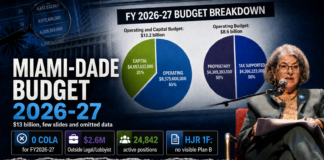

Who rules Miami-Dade in real life: The 305Power triangle of power. Ebuses case study (governors + developers + industry influence).
Miami-Dade doesn’t just move with votes and speeches. It moves with access, money and control of the process. And that control is usually concentrated in a triangle: governors (mayor, commissioners, top officials, department heads), developers/contractors (whoever wins permits, leases, rezonings, RFPs, change orders) and industry influence (political consultants, PACs, lobbyists, lawyers, expediters, PR).
The citizen sees the tip of the iceberg: the public vote. The rest happens before that, in meetings, calls, networking, fundraising, and in the way a public procurement is designed and executed.
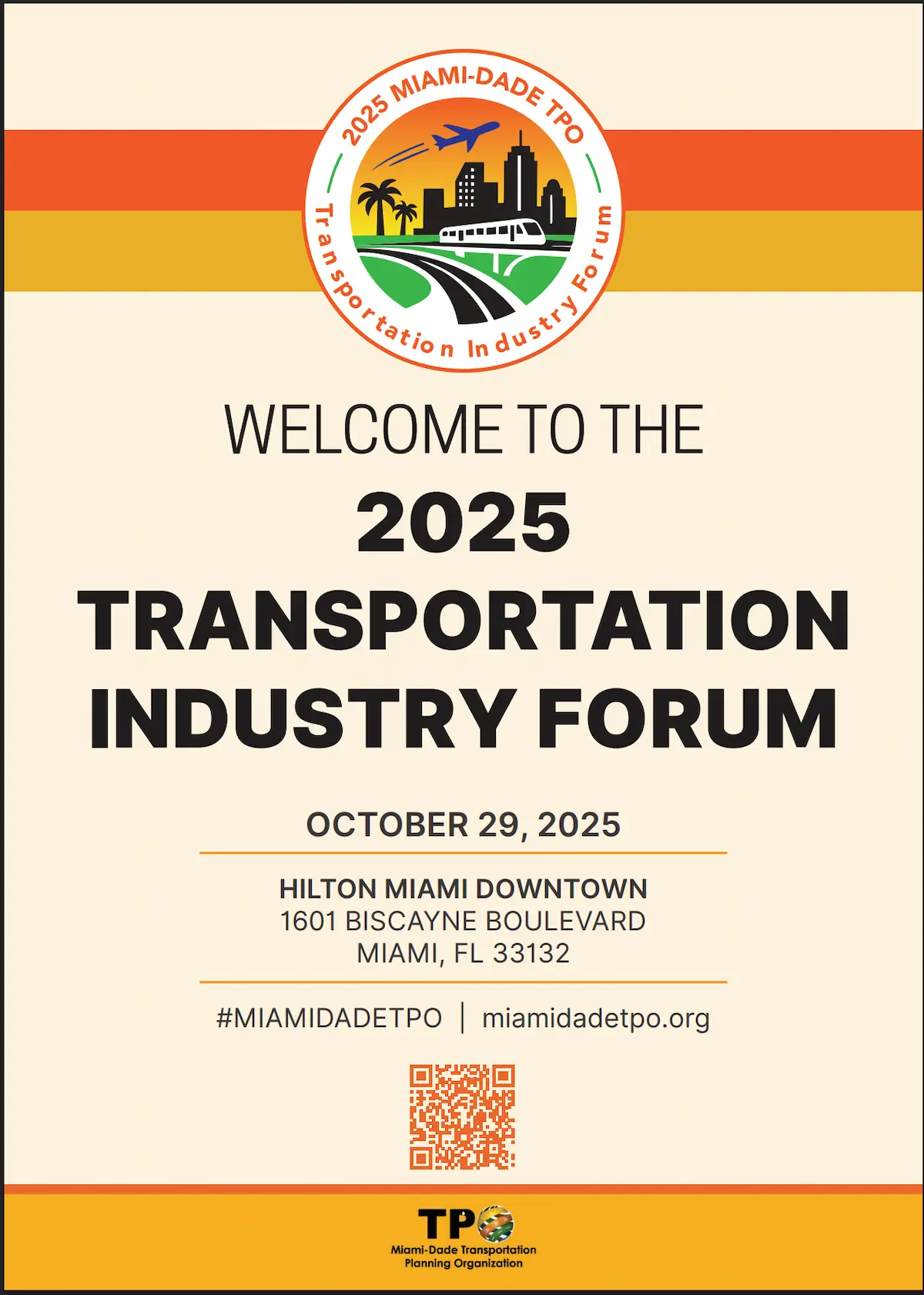
The perfect picture of the triangle: the Industry Forum
The Miami-Dade TPO forum program is a “one-page” example of how it all blends together:
RULERS + DEVELOPERS + INDUSTRY INFLUENCE. That’s not illegal by itself. It’s the ecosystem. The problem is when there are no real firewalls.
The most significant ethical problem (and the most dangerous for the taxpayer): the “revolving door” and influence without firewalls
The most serious thing is not an isolated “name”: it is the model. And the clearest documented case is the revolving door (ex-officials who leave the government and return to the same board as private operators).
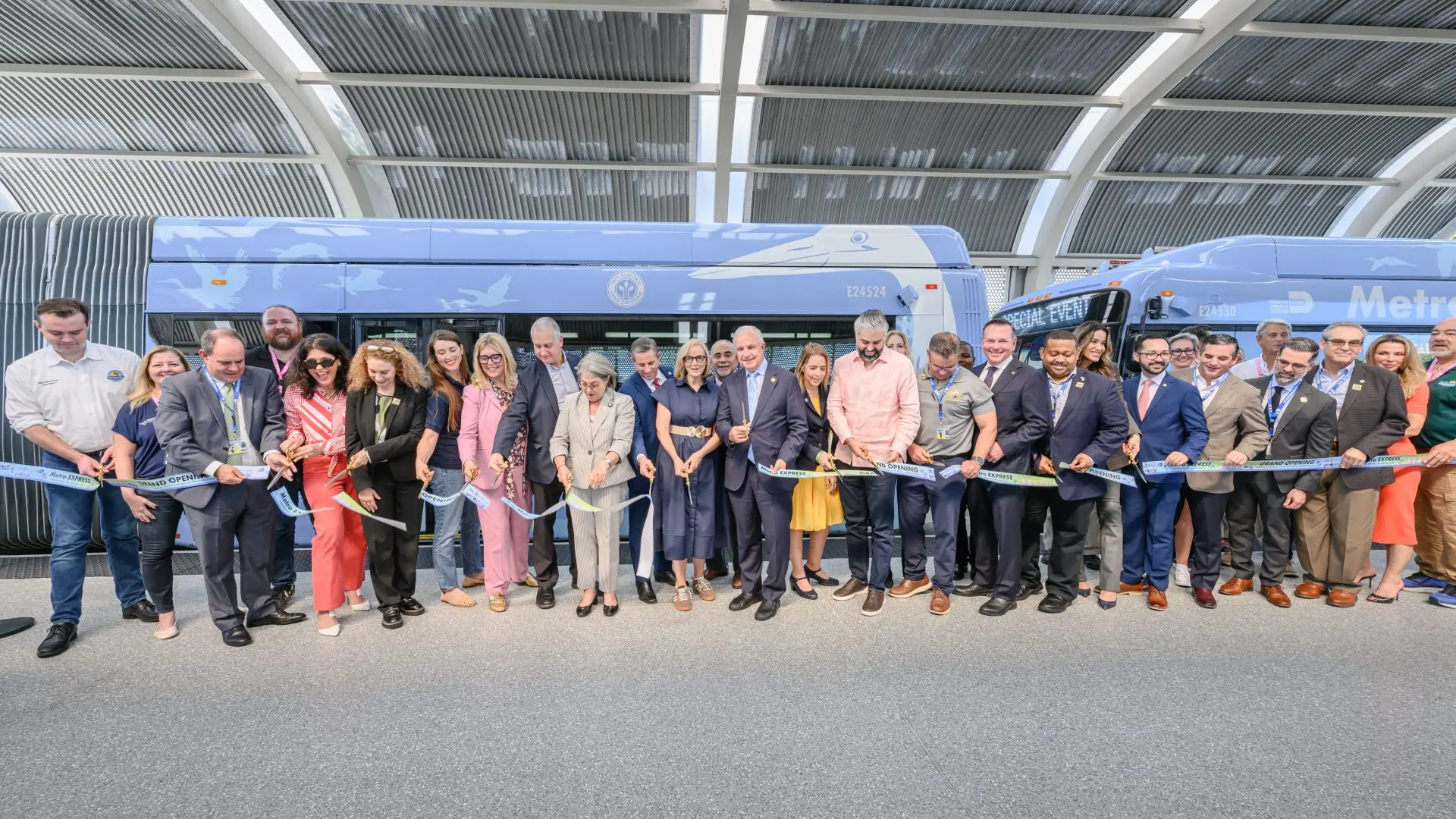
The photo of the whole: The OPT Industry Forum (October 2025)
An event, a snapshot of the triangle in action. At the Hilton Miami Downtown, 400 participants mix public and private power without firewalls. miamidadetpo.org
Key players and their role in ebuses/bad decisions:
Rulers:
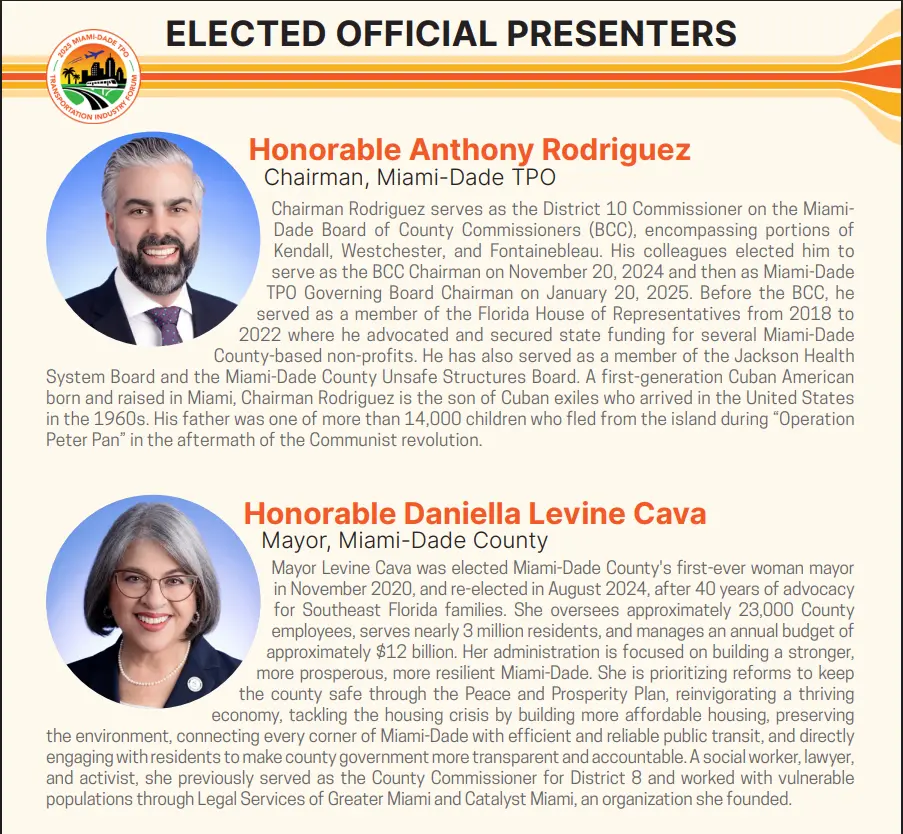
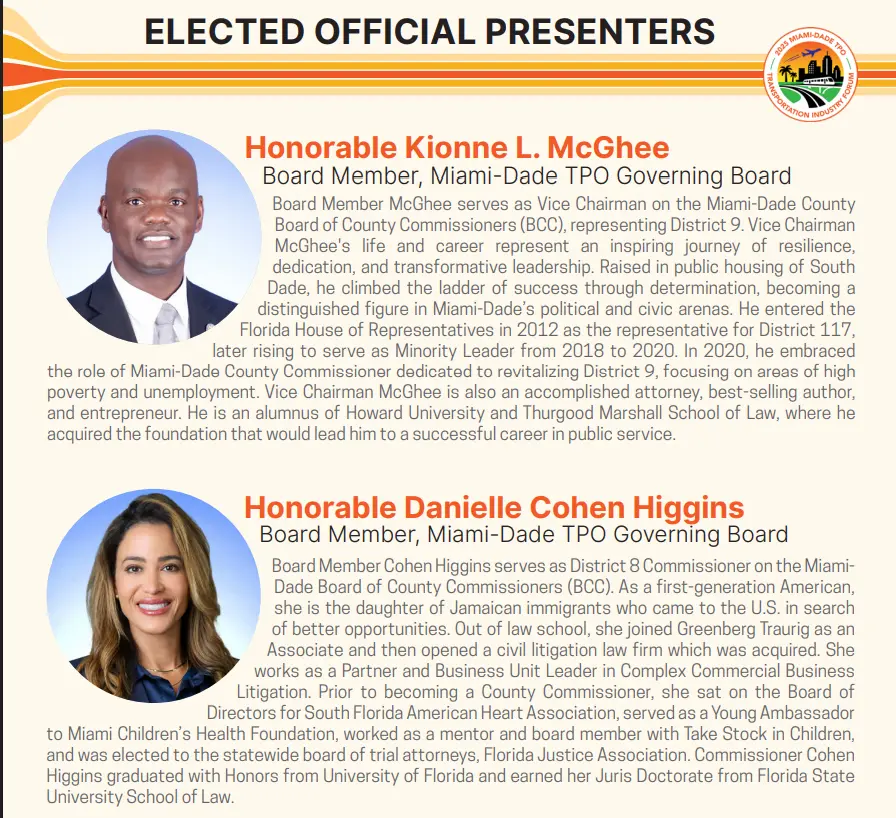
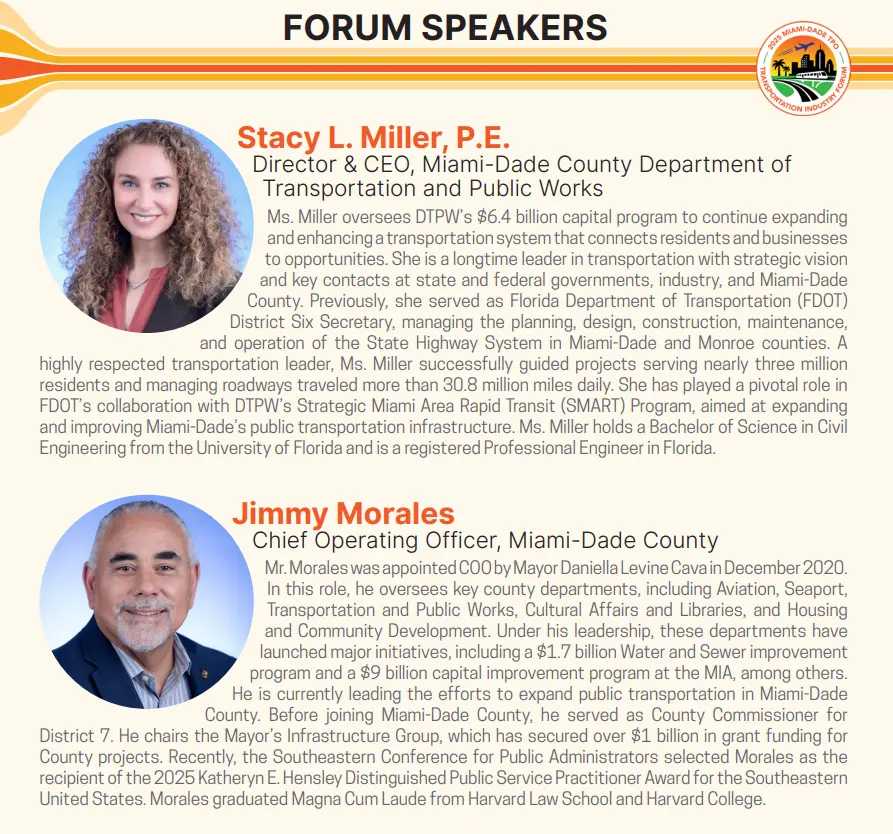
Anthony Rodriguez (Chairman TPO and Commissioner District 10): Spearheaded forum and launch of Metro Express (electric BRT) in October 2025, the longest in the U.S., but with alternate providers after the Proterra fiasco. sustainable-bus.com
- As chairman, he influences transportation priorities; his role in SMART Plan accelerates projects without checks, contributing to errors such as idle buses. miamidade.gov
Daniella Levine Cava (Mayor): Manages $12B budget, 23,000 employees. Under her watch, the ebuses disaster persists: buses inoperative in 2025, despite green promises. She opened the forum with remarks.
- Stacy L. Miller (Director DTPW): Panelist on “Mobility Solutions.” Oversees execution of ebuses; failed administration leaves fleet stranded for lack of post-bankruptcy maintenance. miamidadetpo.org instagram
Developers/Contractors:
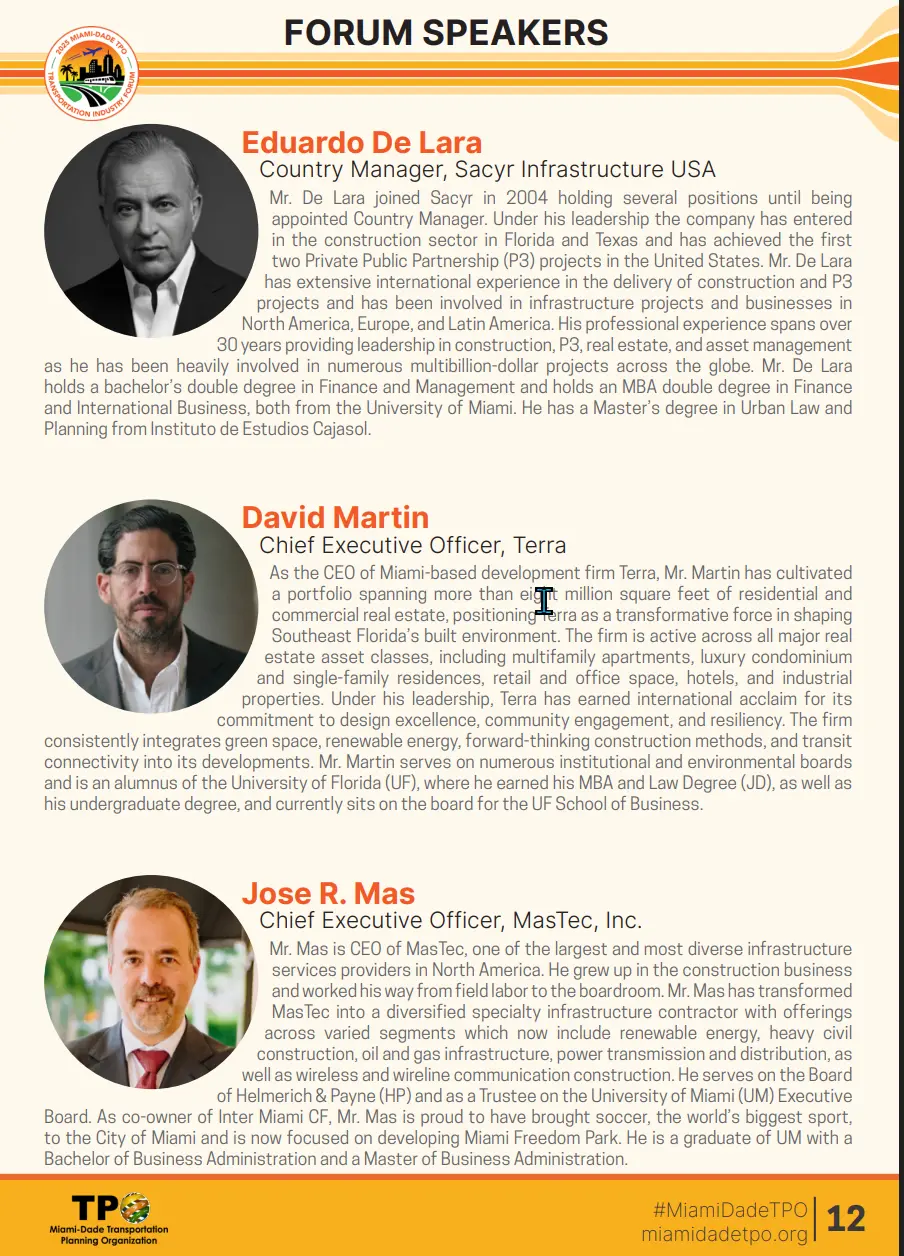
David Martin (CEO Terra): Panelist at “Future of Transportation”. Terra gains from transit-linked rezonings; multi-billion dollar interests in projects that depend on decisions like buses for “connectivity“. miamidadetpo.org
Jose R. Mas (CEO MasTec): On panel with Rodriguez. MasTec, infrastructure contractor, benefits from failed RFPs like ebuses; “buys time and permits” in a porous system.
Eduardo De Lara (Managing Director Sacyr): Key panelist. Sacyr seeks P3 concessions; private pressure distorts priorities, as in buses where manufactured emergencies bypass controls.
Influence industry: Influence industry: the “top lobbyists” (measured by how many lobbyists each principal hires).
This chart doesn’t talk about theories: it talks about organized lobbying capacity. When a principal has 20+ lobbyists, it’s not to “ask questions”; it’s to cover doors, calls, meetings, committees and departments all at once. That’s the third vertex of the triangle: professionalized influence.
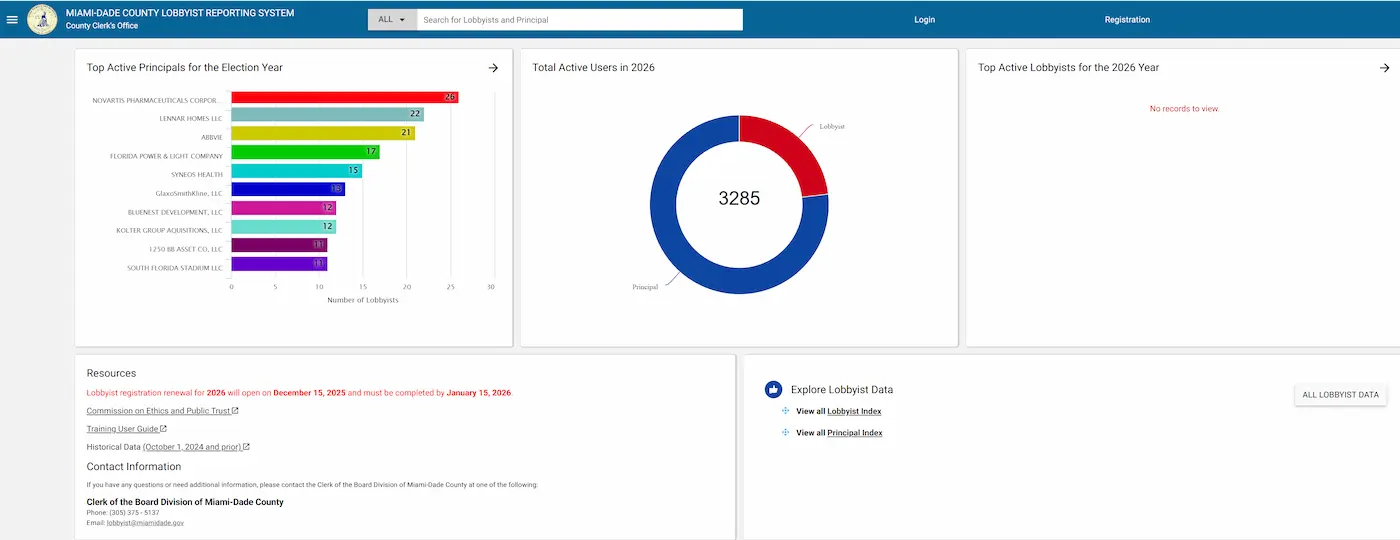
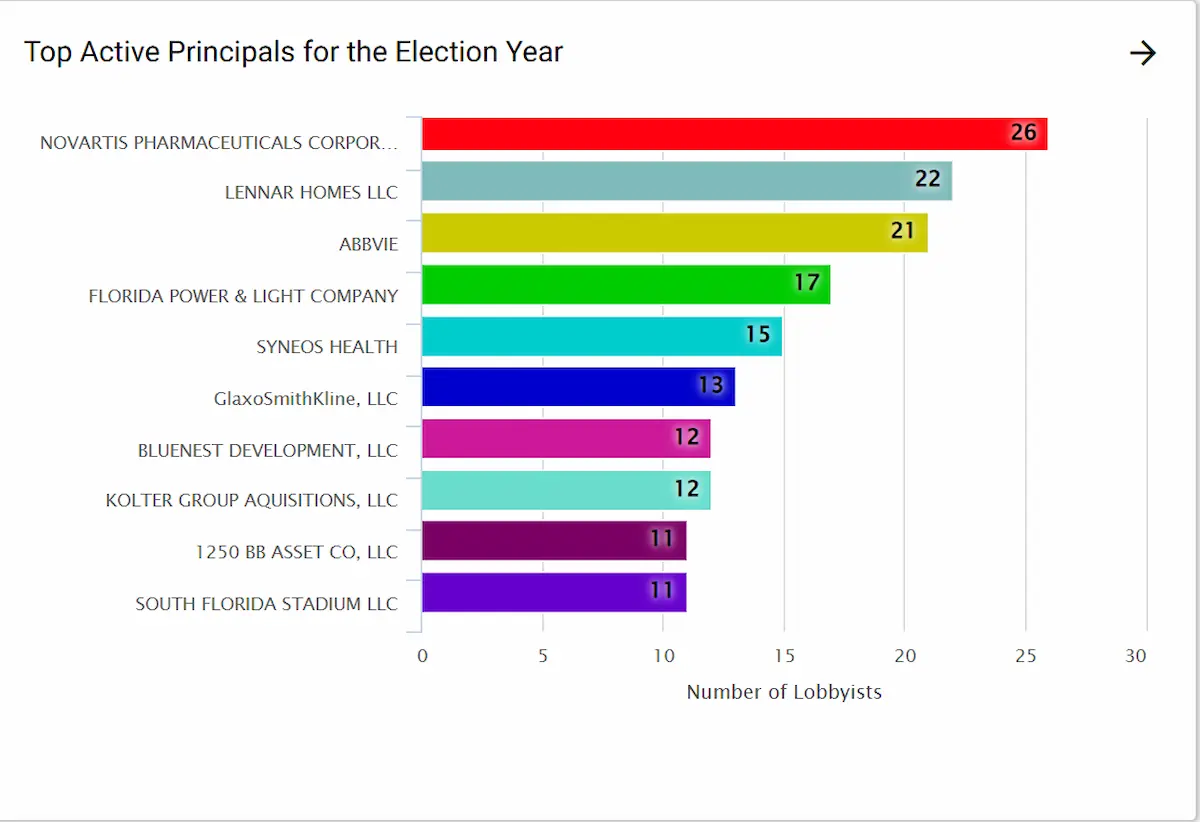
Top principals by number of lobbyists (election year):
- Novartis Pharmaceuticals Corporation – 26
- Lennar Homes LLC – 22
- AbbVie – 21
- Florida Power & Light Company (FPL) – 17
- Syneos Health – 15
- GlaxoSmithKline, LLC – 13
- Bluenest Development, LLC – 12
- Kolter Group Acquisitions, LLC – 12
- 1250 BB Asset Co, LLC – 11
- South Florida Stadium LLC – 11
- Novartis Pharmaceuticals Corporation — Vasant (Vas) Narasimhan, CEO de Novartis. Novartis
- Lennar Homes LLC — Stuart Miller (Executive Chairman & Co-CEO) y Jon Jaffe (Co-CEO & President). Lennar
- AbbVie — Robert A. Michael, Chairman & CEO. Pharmaceutical Research & Development
- Florida Power & Light Company (FPL) — Armando Pimentel, CEO (Scott Bores es el presidente). PR Newswire
- Syneos Health — Costa Panagos, CEO. Syneos Health
- GlaxoSmithKline / GSK — Luke Miels, Chief Executive Officer (transición posterior a Emma Walmsley). GSK
- Bluenest Development, LLC — Salim Chraibi, CEO (fundador). Miami’s Community News
- Kolter Group Acquisitions, LLC (Kolter Group) — Robert “Bobby” Julien, CEO. Kolter
- 1250 BB Asset Co, LLC — En Sunbiz no aparece “CEO”; figura Authorized Signatory: Gerald A. Beeson. Sunbiz
- South Florida Stadium LLC — Tom Garfinkel, “VC, President & CEO” (y Stephen M. Ross figura como Chairman). Sunbiz
Straight reading (no make-up): power is concentrated where there are pharmaceuticals, utilities and real estate/mega-projects. And when you see several developers in the “top 10” (Lennar, Bluenest, Kolter, 1250 BB Asset, Stadium), the message is clear: land, permits and contracts are fought with lobbyists, not public arguments.
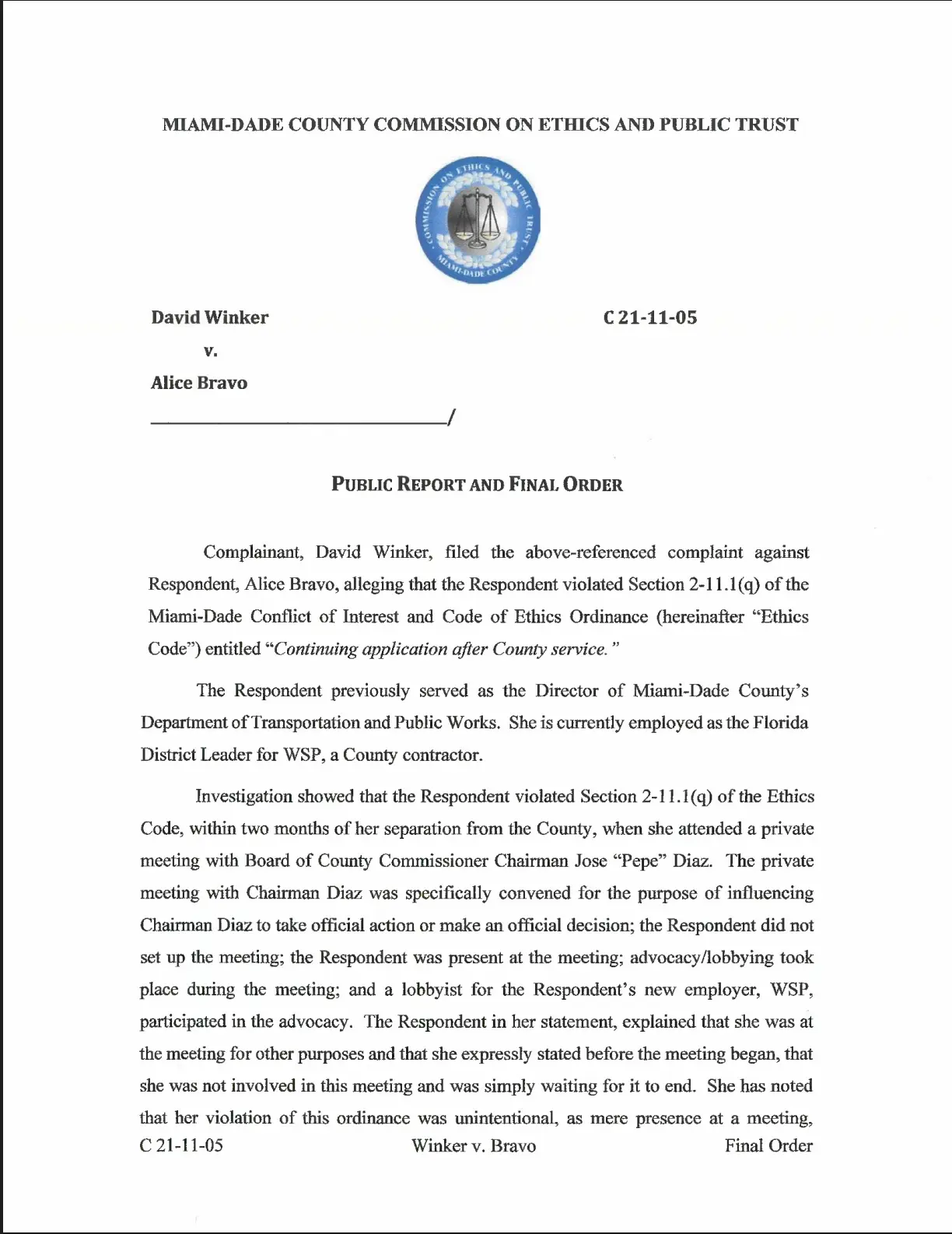
Alice Bravo (President Alice Bravo & Associates, former DTPW Director): Co-moderator of the forum.
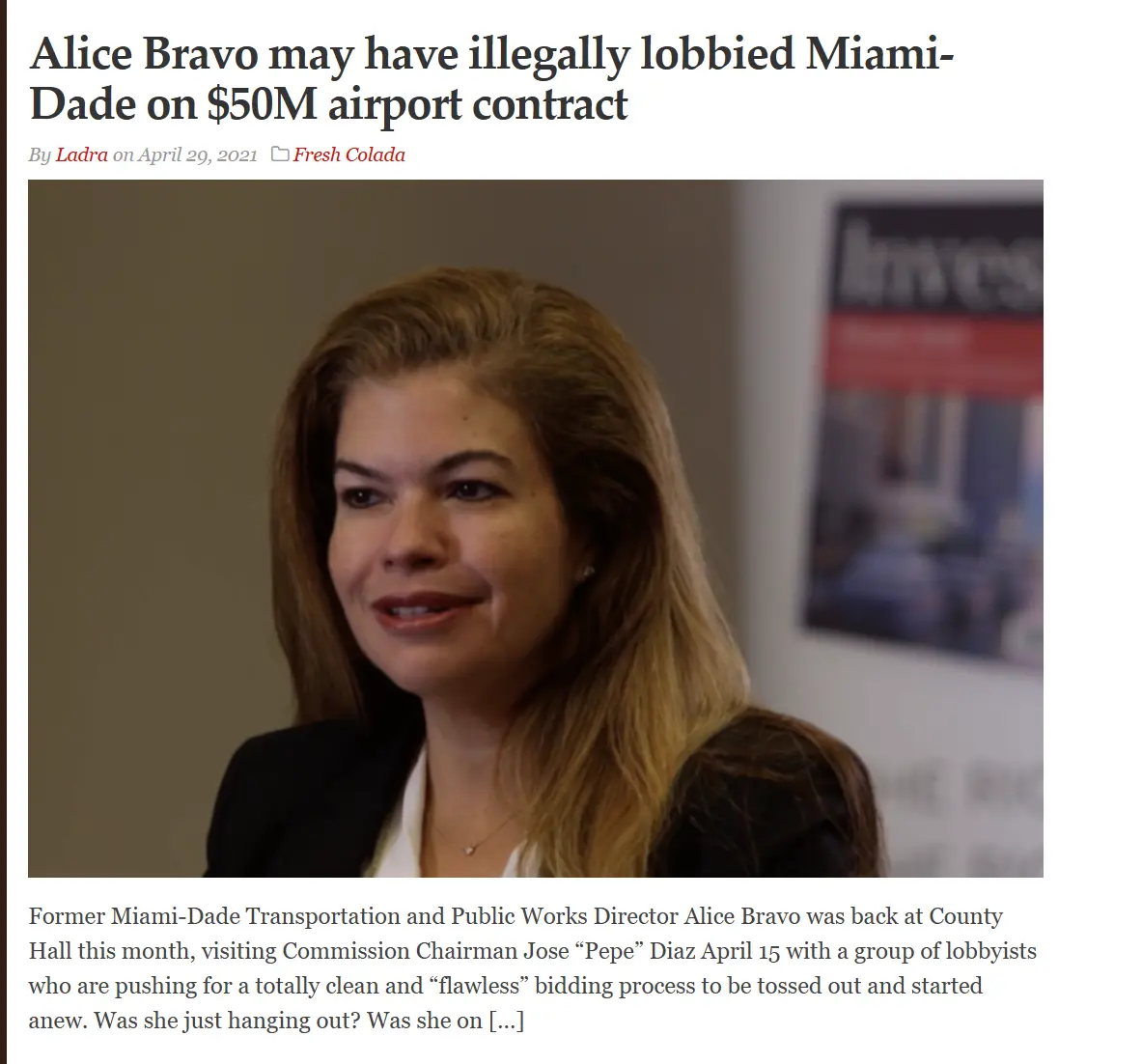
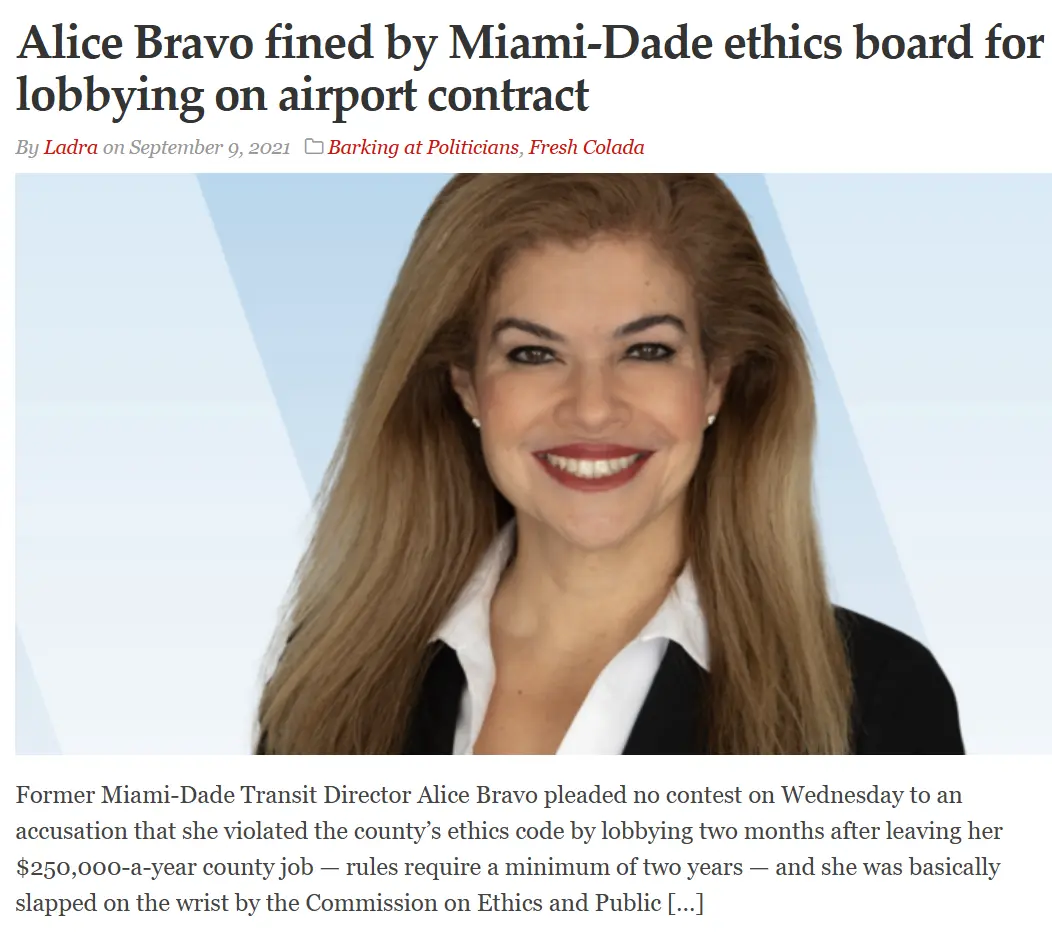
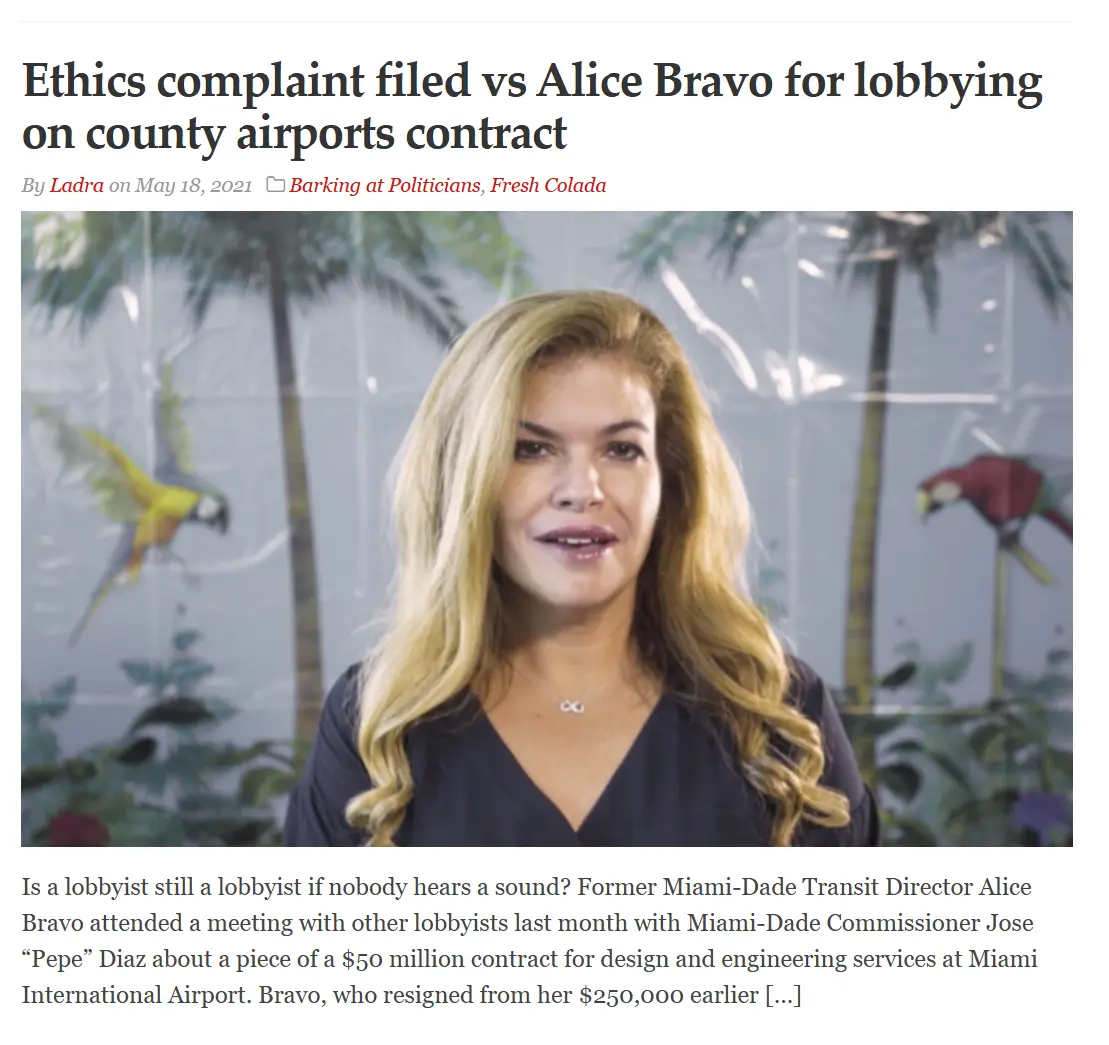
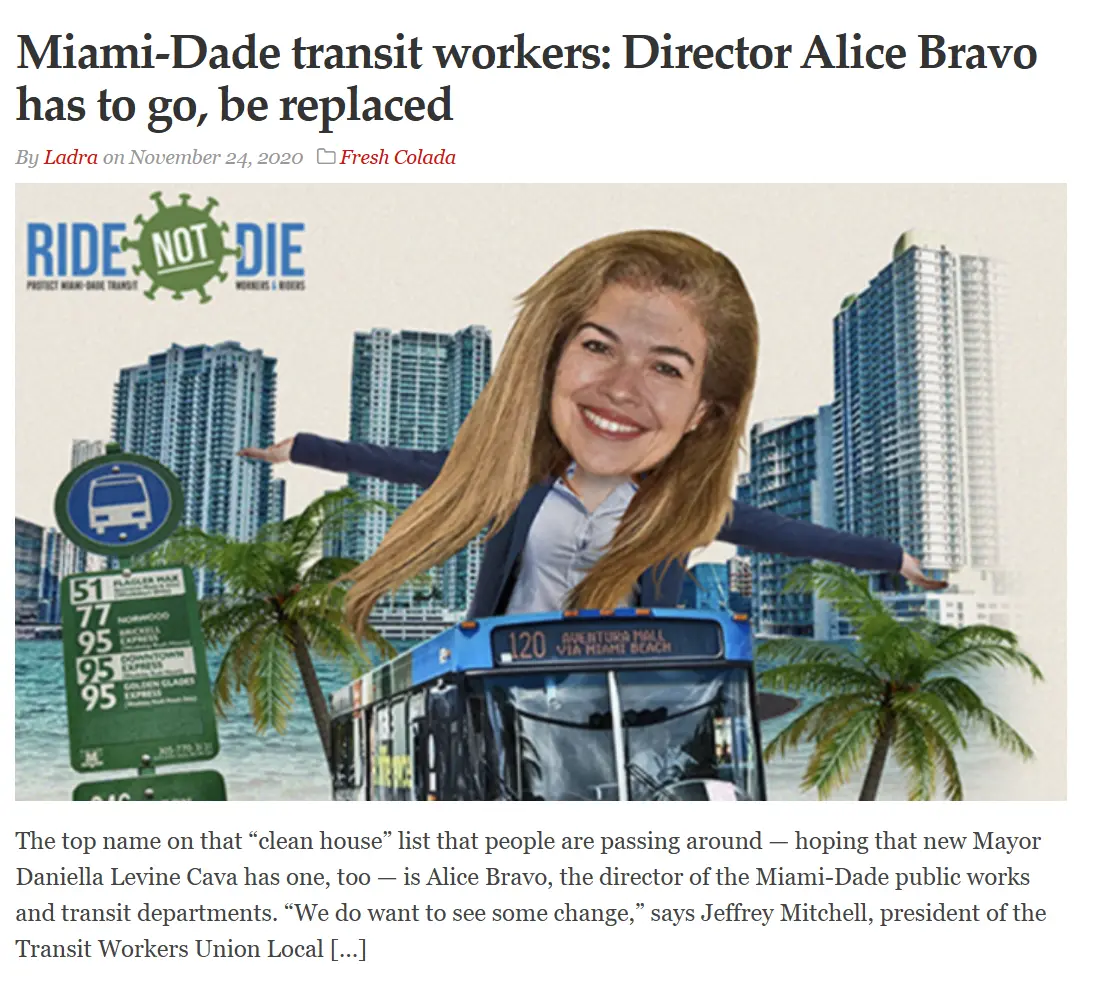
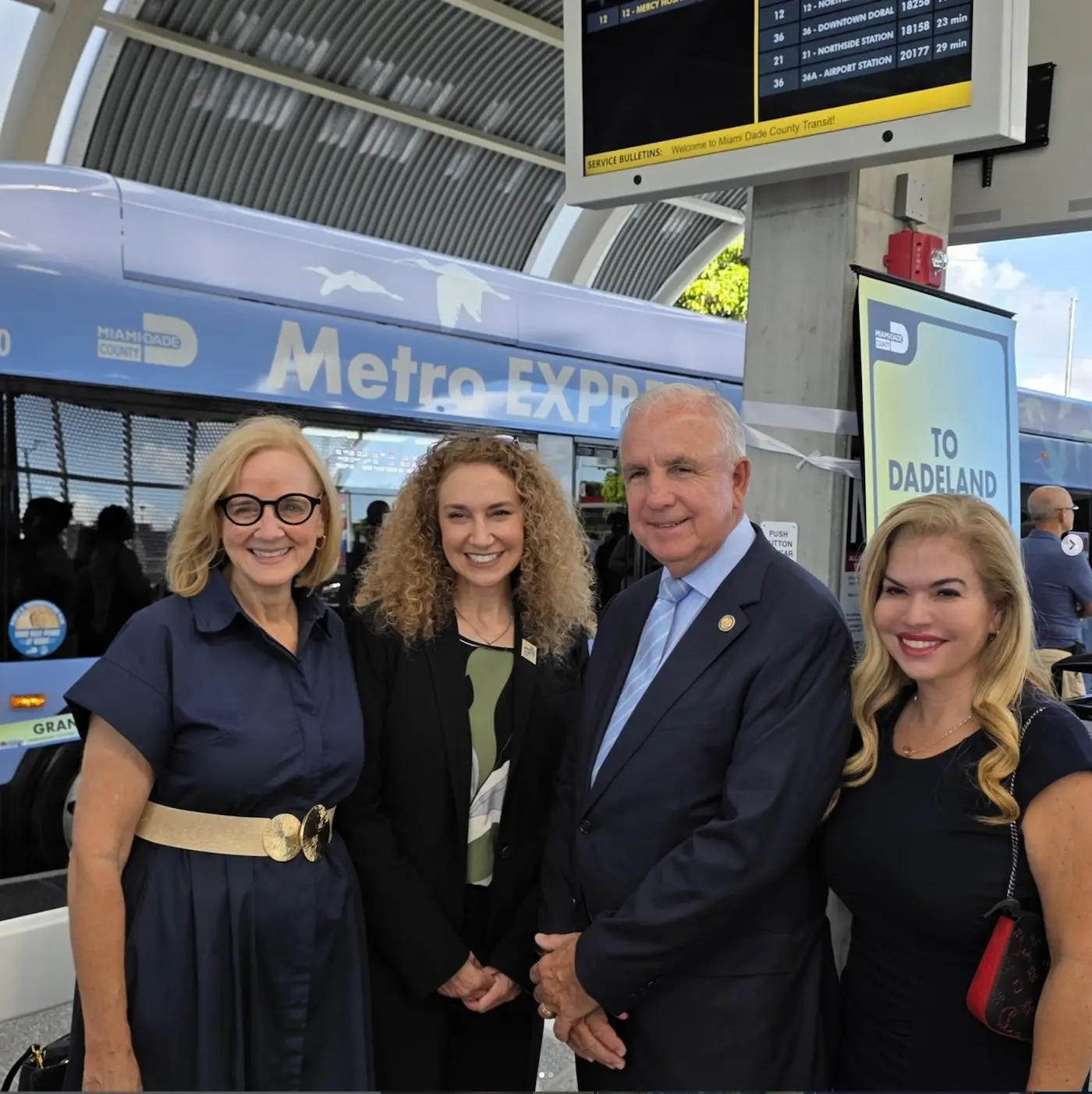
Revolving Door in action: Left county in 2021, fined for violating “Two-Year Rule” in airport contract (improper lobbying). ethics.miamidade.gov politicalcortadito.com
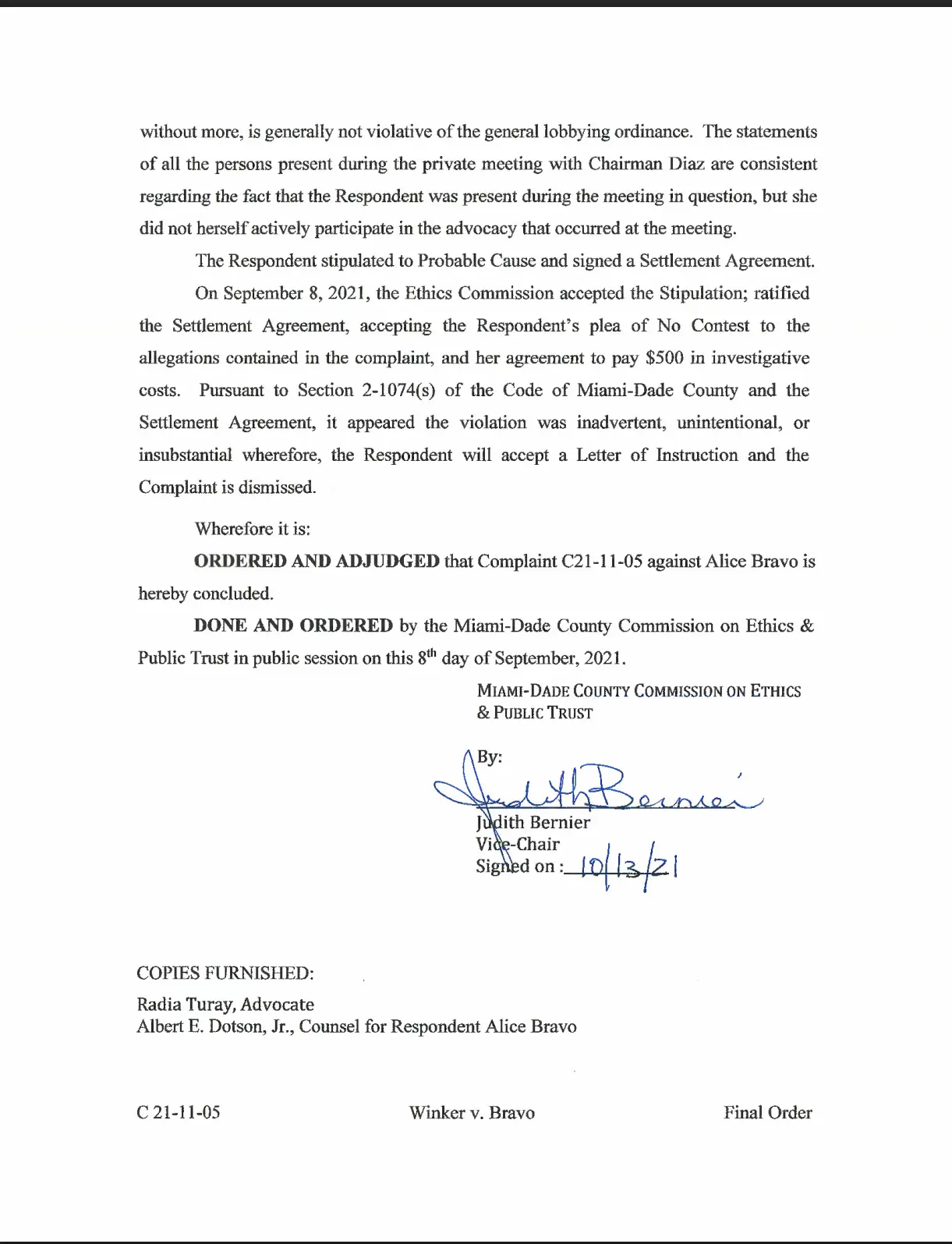
As former transit chief, influenced early SMART Plan and bus decisions(stalled CNG to favor others). miamiherald.com Now, “technical voice” in forums, eroding trust. miamitodaynews.com
This is not innocent networking. It is the ecosystem where power is cooked: governors sign, developers win contracts, influencers lubricate with access.
In ebuses (RFP-00456), OIG documented unamended changes, external pressures and lack of controls – echo of this triangle. instagram.com
How the triangle operates (step by step, raw)
- Formal Power: Mayor executive structure; commissioners control agenda. Forum: Rodriguez prioritizes projects like Metro Express, ignoring lessons from Proterra.
- Economic power: Developers buy priority. In 2025, Live Local Act accelerates housing permits – but ebuses show how they fail: $126M in useless buses.
- Invisible Power: Lobbyists registered in LORIS, but “influence” goes further. County spent $771K on federal lobbying in 2025. miamidade.gov.
- Examples: Alexander Heckler (LSN), – all with access that deforms competition.
Where Heckler enters e-buses (without inventing anything)
What is publicly documented (at the institutional level) is that there is a closed Ethics investigation identified as K18-43 (Heckler & Goldstein), related to lobbyist registration status in RFP-00456 (Electric Buses). Miami-Dade Ethics Commission
Important (honest): I tried to open the official PDF of the case on the Ethics site, but the server returns 502 Bad Gateway, so I can’t quote internal lines from the document from here.
Still, for your article you can safely hold the following:
The standard applicable to any discussion of “lobbying” in Miami-Dade is Sec. 2-11.1(s) (definition, registration, reporting, contingency fees, penalties). Miami-Dade County
Clerk confirms operating standard: registration in 5 days or prior to practice. Miami-Dade County Clerk
“In Miami-Dade, lobbying conduct is regulated by Section 2-11.1(s) of the Code of Ethics. The rule defines ‘lobbyist,’ mandates registration within five business days of being retained or before lobbying, requires annual expense reports, prohibits ‘contingency fees’ and authorizes sanctions – including suspension and a ban on lobbying – for noncompliance.” Miami-Dade County
The danger: Revolving door without brakes. Translation into the language of the citizen: If a former key figure in the system appears on the private board pushing contract decisions, even if it is “just presence” or “just advisory,” the damage is the same: trust is eroded and competition is deformed.
This does not imply new facts in 2025, but highlights the continued relevance of the rule in an ecosystem where former officials like her moderate forums with current decision makers.How the triangle operates (step by step, without romanticism).
Formal power: who signs, appoints, approves and controls agenda. The mayor manages a huge budget and executive structure; the TPO document describes her as manager of ~23,000 employees and ~$12B annual budget. The chairman and commissioners control agenda, committees, votes, and can tilt priorities (which project moves forward and which dies).
The forum lists figures on the board/agenda of the event with institutional roles. Where the system is corrupted: when the boundary between “public decision” and “private pressure” becomes porous.
Economic power: developers and contractors. In the same forum panel, there are infrastructure/business players that live off approvals, concessions, works and contracts (e.g. Terra, MasTec, Sacyr). Basic reality: the developer does not buy cement; he buys time, priority and permission. In 2025, updates to the Live Local Act facilitated more permitting for developers in affordable housing, according to state legislation. floridapolitics.com
The invisible power: influencing industry. Here’s the gear that many people don’t understand. The county formally recognizes this world: Lobbying includes oral/written/electronic communications during the decision process. There is mandatory registration (LORIS), and deadlines to register. Expense reports are required and there are fines/suspensions for non-compliance. Success fees or contingency fees for lobbying are prohibited.
Plain language translation: If the county has a whole registry, reporting and sanctions regime, it’s because influence decides real things. In 2025, the county spent $771,250 on federal lobbying, hiring firms such as LSN Partners. opensecrets.org
The OIG Report on RFP-00456: Execution and Control Failures
Miami-Dade County’s Office of the Inspector General (OIG) issued a Contract Oversight Report titled “Contract No. RFP-00456 for Battery-Electric Buses and Charging Systems” (Ref: IG23-0007-O), published on April 8, 2024.
It is available as a PDF here:
https://www.miamidadeig.org/resources-oig/pdf/2024-reports/2024-04-08-contractoversight-rfp00456-ig23-0007-o.pdf
This report documents serious execution and internal-control problems in the procurement process involving Proterra for electric buses and charging systems, confirming improper payments ($5.15 million in unauthorized overpayments) and management failures.
It focuses on how the system “bends” under external vendor pressure (Proterra), the vendor’s timeline (e.g., quarterly earnings reporting), and manufactured urgency (emails labeled “URGENT” to accelerate approvals).
Key Findings
Execution and Control Problems
Lack of written documentation for delays:
The Department of Transportation and Public Works (DTPW) issued verbal directives to pause production of 33 buses due to battery concerns (Model 18650 vs. 2170), then lifted the pause in January 2021 without documentation. This enabled unauthorized price adjustments (PPI) based on fictitious dates, violating the contract.
Unauthorized use of base dates:
The contract set October 2019 as the base award month, but staff used August 2018 (pre-contract) and extended future dates (up to February 2022), inflating PPI by $6.9 million. Purchase order (PO) modifications were made without Board of County Commissioners (BCC) approval or delegated authority, bypassing protocols.
Irregular modifications:
POs were revised multiple times (e.g., reducing 42 to 34 buses in PO #4) to offset increases, without legal review. Spare parts worth $946,607 were not purchased, worsening post-delivery performance issues (bus availability fell from 75% in May 2023 to 22% in March 2024).
Lack of transparency:
The Strategic Procurement Division (SPD) was not informed of inflated payments; $73.6 million in total payments were processed without adequate verification.
Overpayments
Over $5.15 million in PPI adjustments that were not permitted. Independent OIG calculations show that only $1.76 million was authorized for 69 buses, 75 chargers, and 3 systems. Examples include $3.36M in PO #1 and $1.61M in PO #4. The Administration acknowledged the overpayment and sought BCC ratification.
External Pressure, Vendor Timeline, and Manufactured Urgency
Vendor pressure tied to earnings:
Proterra pressed DTPW to finalize reviews of $3.9M in PO #1 on November 1, 2022, citing urgency for its quarterly earnings report on November 2 (emails stating: “earnings this week and this is critical”). The DTPW Director replied “On it,” accelerating the process without proper diligence.
Manufactured urgency:
Emails marked “URGENT” (e.g., October 24 and 31, 2022) demanded immediate meetings to “close this urgent matter,” tied to production schedules and supply chain cost claims. The 15-month pause (directed by DTPW) enabled Proterra force majeure claims, extending PPI. External factors like the pandemic and resin shortages were used as justification, but the report highlights how these pressures overrode procedures, leading to unauthorized payments and a failure to apply liquidated damages for delays.
Recommendations and Responses
- Recommendation 1:
Amend the contract to align base dates and seek ratification of the $5.15M (requires a 2/3 BCC vote).
Response: The Administration proceeded with a confirming purchase; the contract cannot be amended due to Proterra’s bankruptcy (assets sold to Phoenix without liabilities). - Recommendation 2:
Seek release of claims for 6 undelivered buses ($5.3M).
Response: Include this in the Final Acceptance Notice to Phoenix; the OIG will monitor. - Recommendation 3:
Create dedicated PPI accounts in future contracts, requiring SPD co-authorization.
Response: Under review; SPD will collaborate with the OIG to improve procedures.
Why this report matters
This report stands on its own: it is focused on systemic failures, not “invented culprits.” It shows how vendor pressure (including an earnings-driven timeline) and manufactured urgency created a porous system that weakened controls—costing taxpayers millions.
The minimum framework that the county says exists (and must be enforced).
To educate the citizen, this is gold:
- Mandatory registration (LORIS/Clerk) and deadlines: “within five days… or before engaging”. lobbyists-faq
- Sanctions for non-compliance with reports: daily fines and suspension of lobbying activities. lobbyists-faq
- Prohibition of “success fees/contingency fees” (pay-if-you-win). lobbyists-faq
- Two-Year Rule: former employees may work for vendors, but may not “lobby” the county for 2 years, and “lobbying” includes communications to influence decisions even if they do not go through a board. lobbyists-faq
And the Clerk’s official website confirms the registration and renewal system. Miami-Dade County Clerk
How it fits into the triangle: if a consultant is perceived as an access gatekeeper, that does not prove wrongdoing, but it does demonstrate asymmetry: the citizen enters through the 1-minute microphone; the operator enters through the calendar door.
- Lesson for the citizen: even if a case ends without conviction, it leaves a useful trace to understand how power was intended to operate.
- The county also pays influence outside of Miami-Dade (Washington, D.C.).
- The triangle does not stay local. In resolution/packet file 240069, the county documents a selection process for “Governmental Representation and Consulting Services in Washington, D.C.,” with committee, criteria and list of participating firms.
- Why it matters: it is the institutionalization of lobbying as a tool. It is not “bad” per se; what is dangerous is when the internal culture does not set limits, and then lobbying ceases to be representation and becomes a shortcut.
- The Proterra case (RFP-00456) and why it connects to the triangle
- The OIG report stands on its own and documents execution problems/controls in that process. The political layer is not to “invent culprits”; it is to explain why the system buckles when there is external pressure, vendor timing, or manufactured urgencies.
- The lesson for the reader is simple:
If the county recognizes that influence exists, yet normalizes the constant mix of politics-business-lobby, the citizen ends up paying.
- (if there is no trace, that is the internal control scandal).
- What communications exist (e-mails, calendars, minutes) on critical dates between vendor, command and external advisors?
- Which officials were involved in “fast-track” decisions and what controls did they bypass?
- What corrective actions were implemented and who is responsible if they were not?
- What meetings (schedules) did the administration hold with private stakeholders linked to specific decisions (RFPs, land deals, rezonings)?
- Who were registered as lobbyists/principals on those issues, and who were not (LORIS/Clerk). Miami-Dade County Clerk
- Were there communications (emails/texts) that fit the official county definition of “intent to influence”? lobbyists-faq
- Were reports and sanctions enforced where applicable (fines/suspensions exist). lobbyists-faq
- How do you manage conflicts when the same ecosystem funds and then solicits decisions?
When you see a forum with mixed panels of political and private power, understand what it is: the engine room.
Registrations for 2026 open December 2025. miamidadeclerk.gov
The citizen is not defenseless (if he learns where to look) The machinery feeds on one thing: opacity and resignation. When the citizen understands the triangle, the game changes.
Lobbyist registrations for 2026 opened on December 15, 2025, with a renewal deadline of January 15, 2026. Any lobbyist or principal who influences the county must register with the Clerk of the Board. Process at: https://www.miamidadeclerk.gov/clerk/cob-lobbyist-registration.page. Contact: (305) 375-5137 or [email protected]. miamidadeclerk.gov.
📰 Stay informed with the latest news!
Would you like to receive more information like this right on your screen? 🌟 Visit our homepage and find out everything that’s happening in South Florida: local news, events, weather, sports and much more.
👉 Click here! newsmiamidade.com/en
Don’t miss a single detail. #MiamiDade #News #Florida