

A Critical Reflection on (The Cost of Silence) by Commissioner Oliver G. Gilbert III 2025. A Lawman Who Prioritizes Sensationalism Over the Rule of Law?
As a distinguished jurist and public leader, Commissioner Oliver G. Gilbert III represents the pinnacle of legal scholarship in Miami-Dade. An honors graduate of Florida A&M University in Criminalistics, he continued his education at St. Thomas University School of Law and the University of Miami, where he distinguished himself as a member of the Student Bar Association Senate and the National Board of the Black Student Bar Association.
A Juris Doctor with honors, Gilbert has accumulated 20 years of experience as a licensed attorney in Florida, the United States District Court (Southern District of Florida) and the Eleventh Circuit Court of Appeals.
His expertise covers constitutional, criminal, civil, labor, real estate and municipal law, and he has influenced policies in criminal justice, education and urban development.
As an adjunct professor at Miami Dade College, he has taught courses in criminology, criminal and constitutional law, molding minds in respect for the law. His tenure as mayor of Miami Gardens (2012-2020) spurred economic growth, and his leadership in organizations such as the African American Mayors Association and the Miami-Dade County Transportation Planning Organization (TPO) solidifies him as a “lawman” committed to public service.
However, his article “The Cost of Silence” (September 23, 2025), which invokes Martin Niemöller’s reflection to criticize a Supreme Court decision on ICE raids in Los Angeles, raises a deep concern:
why does a constitutional law expert like Gilbert seem to prioritize emotive narratives over the imperative to follow the law “tooth and nail”?
As a jurist, he knows that the U.S. Constitution (Article I, Section 8) gives Congress control over immigration and naturalization, and laws such as the Immigration and Nationality Act (INA) of 1952 (8 U.S.C. § 1101 et seq.) require orderly processes, prohibiting illegal entries (8 U.S.C. § 1325) with fines and imprisonment.
The U.S. is a country of legal immigrants who preserve these norms, from the Naturalization Act of 1795 (1 Stat. 414) to the Immigration Act of 1965 (79 Stat. 911), which balance humanity with sovereignty. Ignoring this erodes the rule of law, as Gilbert has taught in his constitutional law classes.
This sentence looks nice… but it is out of place in a debate on compliance. To the point with law and jurisprudence.
“The strength of the American idea lies in the rule of law, rooted in a Constitution that protects everyone equally, regardless of race, wealth, religion or gender. Laws that trump any man. Laws that protect the weak as well as the strong. Laws that limit power and promote equality. That promise is only real if we insist that it be fulfilled for all people.” Commissioner Oliver G. Gilbert III
“The strength of the American idea is the rule of law, rooted in a Constitution that protects everyone equally, without regard to race, wealth, religion, or gender. Laws that stand taller than any one man. Laws that protect the weak as well as the strong. Laws that restrain power and promote equality. That promise is only real if we insist it be kept for all people.” Commissioner Oliver G. Gilbert III
Why this phrase does not apply here
- The Constitution does not grant a “right of entry” to aliens. Admission control is a plenary power of Congress and the Executive; the courts do not substitute for that judgment except within very narrow limits(Kleindienst v. Mandel, 1972). Justia Law
- Illegal entry is a crime and a basis for removal. This is not debatable: 8 U.S.C. §1325 (improper entry) and §1225(b) (detention and expedited removal). If the law is not enforced, there is no “rule of law” at the border. Legal Information Institute
- Limited due process at the border. The Supreme Court confirmed that expedited removal has very limited judicial control(DHS v. Thuraissigiam, 2020). There is no “constitutional protection” that paralyzes the inadmissibility/summary removal envisioned by Congress. Supreme Court
- Yes, the Constitution protects “persons” within the country (e.g., K-12 education to undocumented children in Plyler v. Doe, 1982), but that does not make the immigration violation a right, nor does it erase the grounds for inadmissibility/removal in 8 U.S.C. §1182. Justia Law
How to restate the paragraph (correct version, without slogan)
The strength of the American idea is the law applied without exception. Our Constitution guarantees rights to persons under jurisdiction; at the same time, Congress conferred on the Executive the power to deny entry and remove those who do not qualify(INA, 8 U.S.C. §§1325, 1225(b), 1182). Defending residents-legal immigrants included-starts with enforcing those rules accurately, promptly, and transparently. Legal Information Institute
“The cost of silence”
Gilbert’s article warns against silence in the face of injustice, comparing raids based on “reasonable suspicion” (including race, language or occupation) to Nazi patterns. But he omits that the real“cost of silence” is indifference to systematic violations of the INA.
Under Obama (2009-2017), ~3 million were deported-all-time high, with 438,421 in 2013-focused on criminals but including families, demonstrating enforcement that was later diluted.
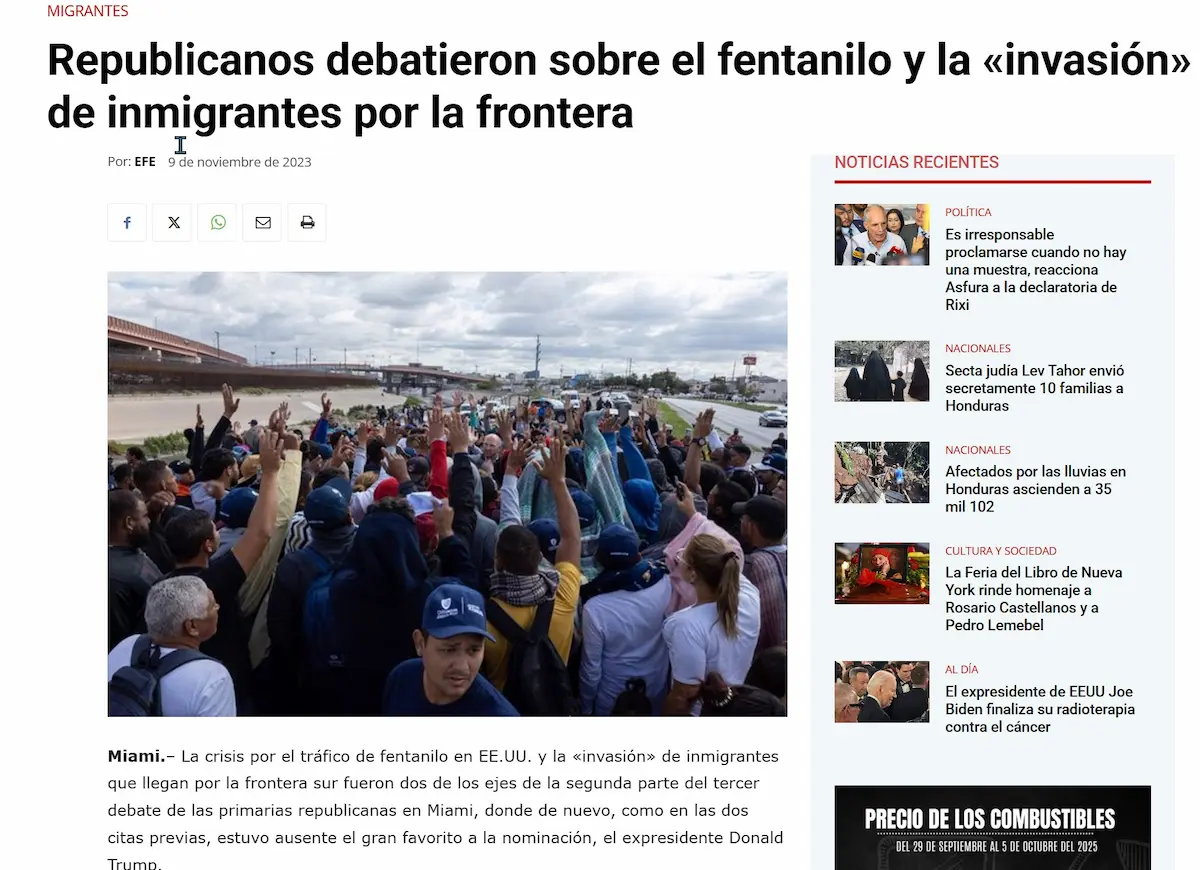
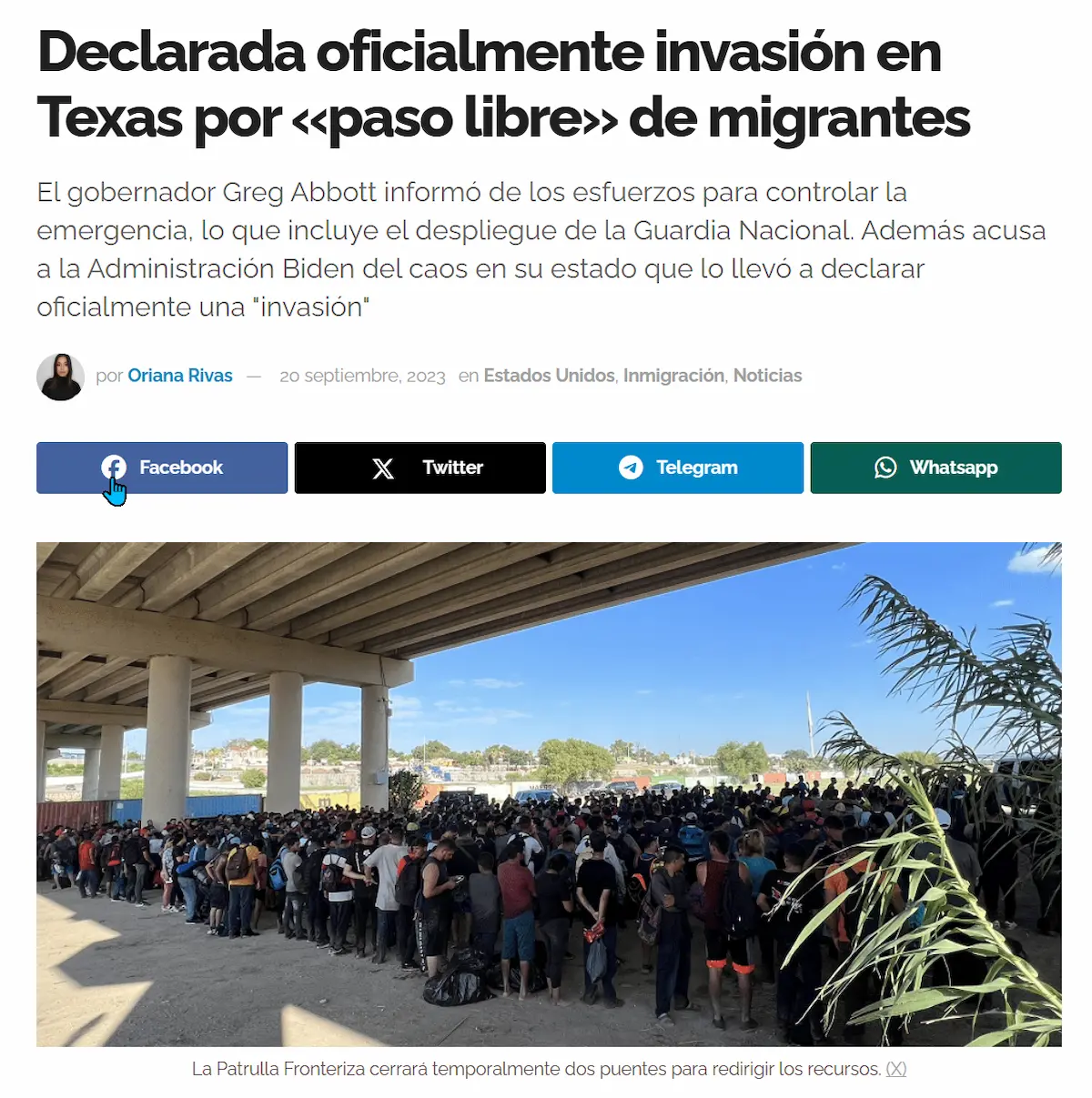
Under Biden (2021-2025), claims of “secure border” contrast with >10 million encounters, violating 8 U.S.C. § 1182 (exclusion for security) and collapsing local systems.
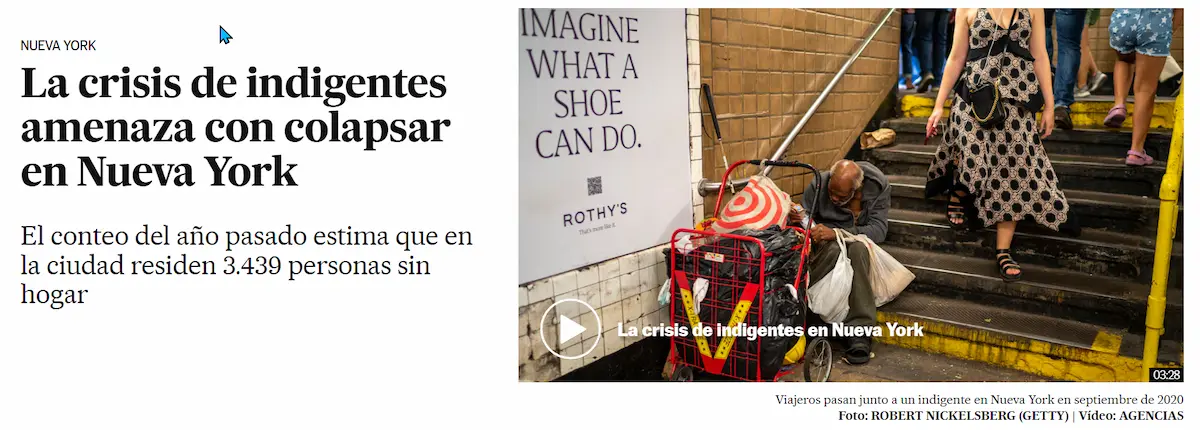
Policies like DACA (executive order, not law) ignore the separation of powers, allowing unfiltered inflows that overtax resources: a 1% increase in population due to illegal immigration raises revenues by 1%.
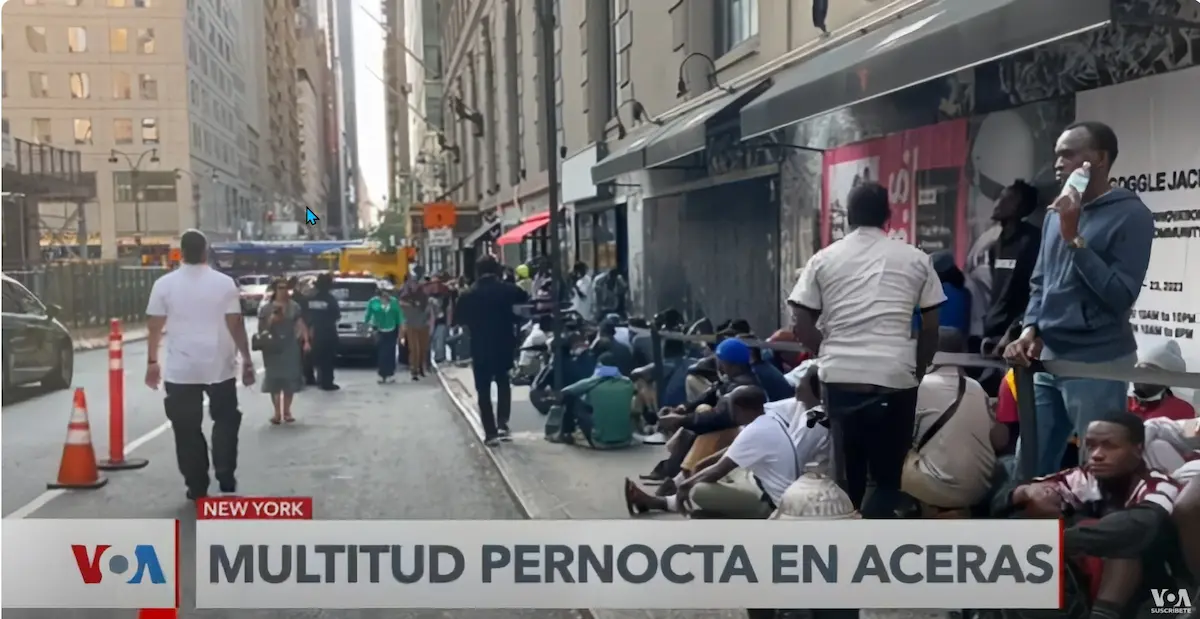
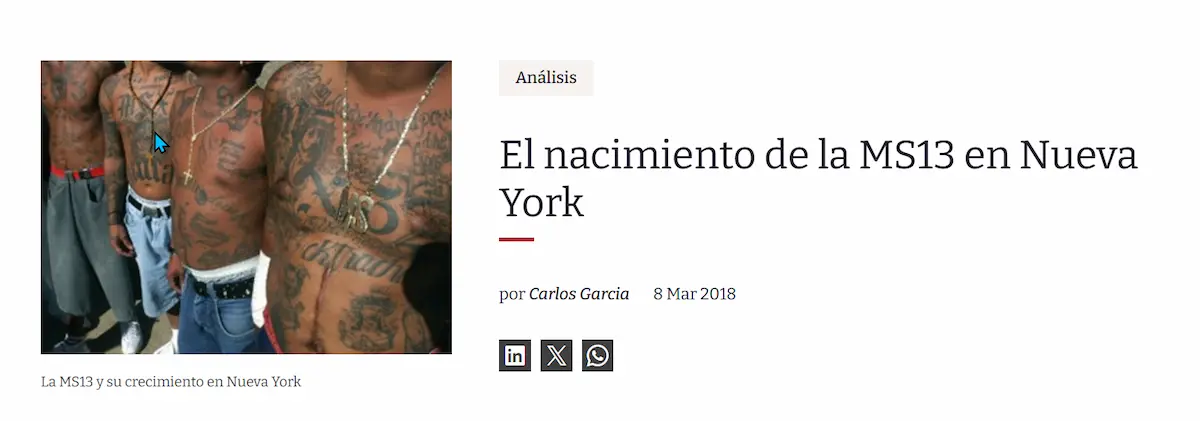
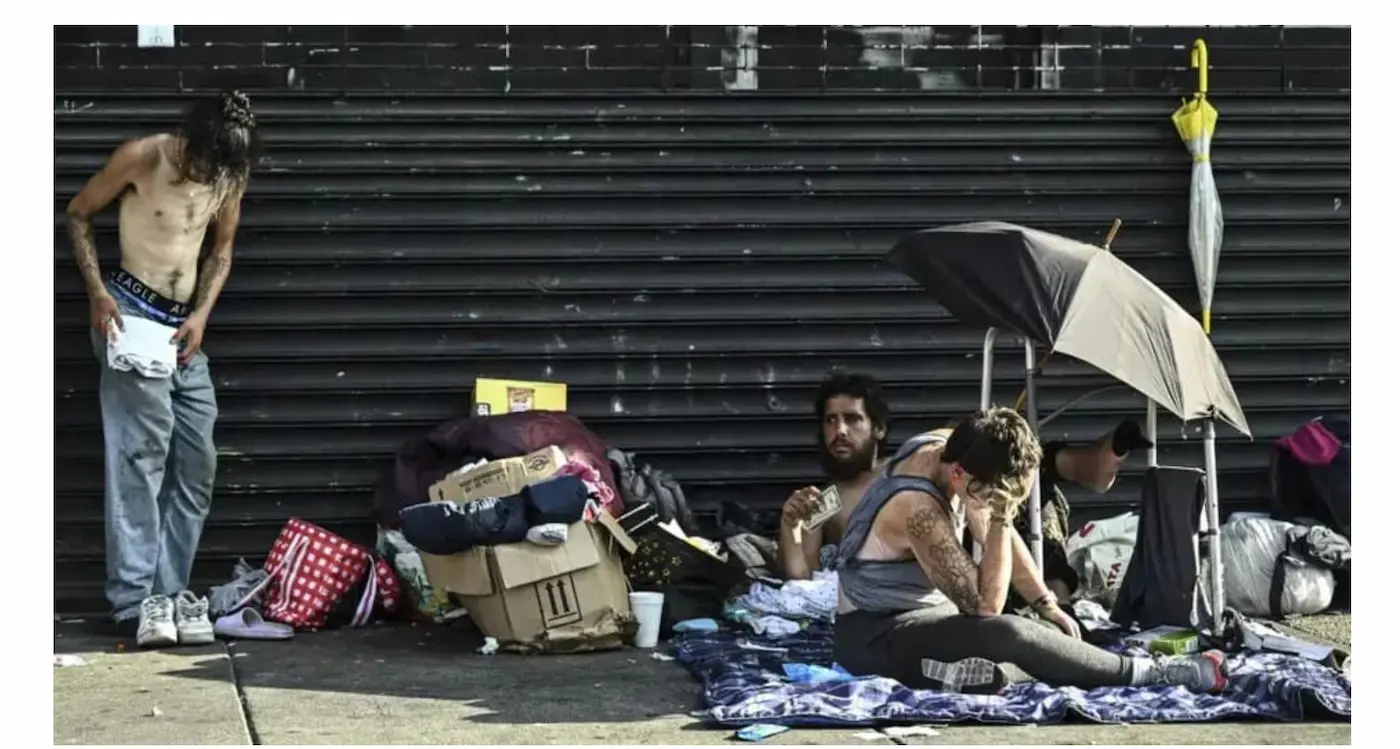
As a professor of criminology and computer crime, Gilbert should recognize the “reality on the street”: sustained illegal immigration dominates cities.
The group names may change, but the pattern is familiar.
We continue with texts from the article: “The names of the groups may change, but the pattern is familiar. Immigrants. Racial minorities. Marginalized religious people. Political opponents. People whose identity or voice is considered a threat. Whenever a society begins to accept exceptions to equal protection, we have all fallen. Commissioner Oliver G. Gilbert III
“The names of the groups may change, but the pattern is familiar. Immigrants. Racial minorities. Religious outsiders. Political opponents. People whose identity or voice is cast as a threat. Whenever a society begins to accept exceptions to equal protection, we have all fallen.”
Legal Challenge to Gilbert’s Phrase: Legal Distinctions vs. Arbitrary Exceptions to Equal Protection
Commissioner Oliver G. Gilbert III’s quote – “The names of the groups may change, but the pattern is familiar. Immigrants. Racial minorities. Marginalized religious people. Political opponents. People whose identity or voice is considered a threat. Whenever a society begins to accept exceptions to equal protection, we have all fallen.”
It invokes a historical pattern of discrimination to criticize anti-immigrant measures, suggesting that they create unconstitutional “exceptions” to equal protection. However, under U.S. law, this assertion is defiant: distinctions based on immigration status (legal vs. illegal) are not arbitrary exceptions, but rational and constitutional classifications permitted by the 14th Amendment to the U.S. Constitution, which prohibits states from denying “the equal protection of the laws” to any “person” within their jurisdiction (U.S. Const. amend. XIV, § 1). law. justia.com
The Supreme Court has held that equal protection applies to undocumented persons as “persons,” but allows federal and state distinctions in immigration if they meet rational or intermediate standards of review, without equating them with suspect racial or religious discrimination. law2.umkc.edu +21.
Equal Protection Applies to Undocumented, but Does Not Prohibit Distinctions Based on Immigration StatusThe 14th Amendment protects “any person”-including undocumented persons-from arbitrary state discrimination, as the Court confirmed in Plyler v. Doe (1982), where it invalidated a Texas law that denied public education to undocumented children, applying intermediate scrutiny because it affected fundamental rights without rational basis. nilc.org However, this does not mean that all distinctions are unconstitutional “exceptions”.
In Mathews v. Diaz (1976), the Court held that the federal government may deny Medicare benefits to noncitizens without violating equality, since classifications by alienage (alien status) are not “suspect” such as race or religion, and require only a rational basis (e.g., border control and fiscal resources). law.cornell.edu
Commissioner Gilbert lumps “immigrants” with racial or religious minorities, but the law distinguishes: illegal status is not an inherently protected “identity,” but a violation of the Immigration and Nationality Act (INA) of 1952 (8 U.S.C. § 1101 et seq.), which prohibits improper entries (8 U.S.C. § 1325) and permits deportation (8 U.S.C. § 1227) to preserve national sovereignty, not for perceived threat. University of Miami Inter-American Law
These laws are facially neutral and apply to everyone, regardless of race or religion, refuting the “family pattern” of discrimination.
The Plenary Power Doctrine: Federal Immigration Not Subject to Strict Equality Review
The Supreme Court has recognized a “plenary power” of Congress and the Executive over immigration, where status distinctions do not require strict scrutiny under equal protection. In Trump v. Hawaii (2018), the Court upheld the “travel ban” against majority-Muslim countries, rejecting claims of religious discrimination because it had a rational basis in national security, despite disproportionate impact on religious groups. constitution.congress.gov
Similarly, in Zadvydas v. Davis (2001), the Court limited indefinite detentions of undocumented immigrants, but confirmed that immigration status allows for reasonable detention without violating due process or equality, as long as it is not punitive. scholarship.law.slu.edu
Gilbert implies that ICE raids based on “reasonable suspicion” create exceptions as in authoritarian regimes, but laws such as 8 U.S.C. § 1357 authorize reasonable stops to verify status, and the Court in INS v. Lopez-Mendoza (1984) has uphelddeportations without full criminal protections, since immigration is civil, not criminal. swlaw.edu
These are not “exceptions” to equality; they are consistent applications of laws that protect everyone by maintaining the rule of law, preventing the collapse Gilbert fears.
State Distinctions: Strict Scrutiny for Legal Residents, but Streamlined for Undocumented
For states, the Court applies strict scrutiny to discrimination against legal residents (Graham v. Richardson, 1971: states may not deny welfare to legal residents), but uses rational basis for undocumented immigrants, recognizing that their unlawful presence justifies limitations (DeCanas v. Bica, 1976: states may regulate employment of undocumented immigrants without violating federal supremacy). constitution.findlaw.com
In Hoffman Plastic Compounds v. NLRB (2002), the Court denied employment remedies to undocumented immigrants, reasoning that their illegal status does not merit equal protection in employment, without creating a discriminatory “pattern. scholarship.law.slu.edu
Gilbert exaggerates by equating this with persecution of “political opponents” or “religious outcasts”; laws like the INA are neutral and not based on identity, but on conduct (illegal entry), protecting equality by ensuring that all – citizens and legal immigrants – benefit from an orderly system.
No Collective Fallout; Preservation of the Rule of Law
Gilbert’s phrase is rhetorically powerful, but legally inaccurate: there are no accepted “exceptions” to equality; distinctions based on immigration status are constitutional under the 14th Amendment and plenary power doctrine, as confirmed in cases such as Mathews and Trump v. Hawaii. constitution.congress
Focusing on “perceived threats” ignores that laws like 8 U.S.C. § 1182 exclude for objective reasons (safety, crime), not identity. As a jurist, Gilbert should recognize that challenging these laws without a legal basis undermines real equality, allowing overburdens that affect everyone. The real “fall” occurs when enforcement is ignored, not when it is applied.
This double-speak is troubling for a politician in Miami-Dade: ignoring the law that Gilbert swore to uphold is troubling to say the least.
As a “man of the law,” he should advocate for strict enforcement under the INA, not selective empathy. A president with cognitive decline (autopen signing laws, violating Article II) and porous borders dooms failure. Commissioner, use your legacy to prioritize the law: legal and orderly immigration protects everyone, including your District 1.
Rule of law ≠ moral rhetoric. If someone violates the INA, they are outside the law; your obligation as an attorney and official is not to poeticize, it is to demand detention, inadmissibility, or removal as appropriate(§§1325, 1225(b), 1182). Legal Information Institute
Constitutional consistency. There is no “constitutional right to enter”; the Court made this clear (immigration plenary in Mandel; limited due process at border in Thuraissigiam). Justia Law
Real protection is real enforcement. Respect for dignity and strict enforcement: this protects everyone, including immigrants who do follow the rules.(Plyler recognizes rights within; does not invalidate admission/removal at border). Justia Law









📰 Want more news like this?
Visit our home page to stay up to date on the latest happenings in South Florida and Miami-Dade County and more: